

Sometimes a film transcends the screen to become an act of transmission. Muganga, directed by Marie-Hélène Roux and released in theaters on September 24, 2025, is not just a work of fiction: it is a journey into the story of a man and a people, but also an invitation to confront our collective responsibilities.
When Cinema Becomes a Witness
Cinema, they say, reflects society. But some films go beyond being mere mirrors and become instruments of memory. Muganga, directed by Marie-Hélène Roux, belongs to that rare category. Inspired by real events, this drama takes us into the world of Dr. Denis Mukwege, the Congolese gynecologist, Nobel Peace Prize laureate, known around the world as “the man who repairs women.”
Filmed in the heart of Central Africa, the movie confronts the unspeakable: rape used as a weapon of war. Yet far from a narrative of victimhood, Muganga chooses to focus on rebuilding, dignity, and solidarity. Viewers are invited into the wounded memory of Congo, but also into a universal story: humanity facing its own barbarity, and the resilience that stands against it.
Denis Mukwege: The Man Who Repairs Women
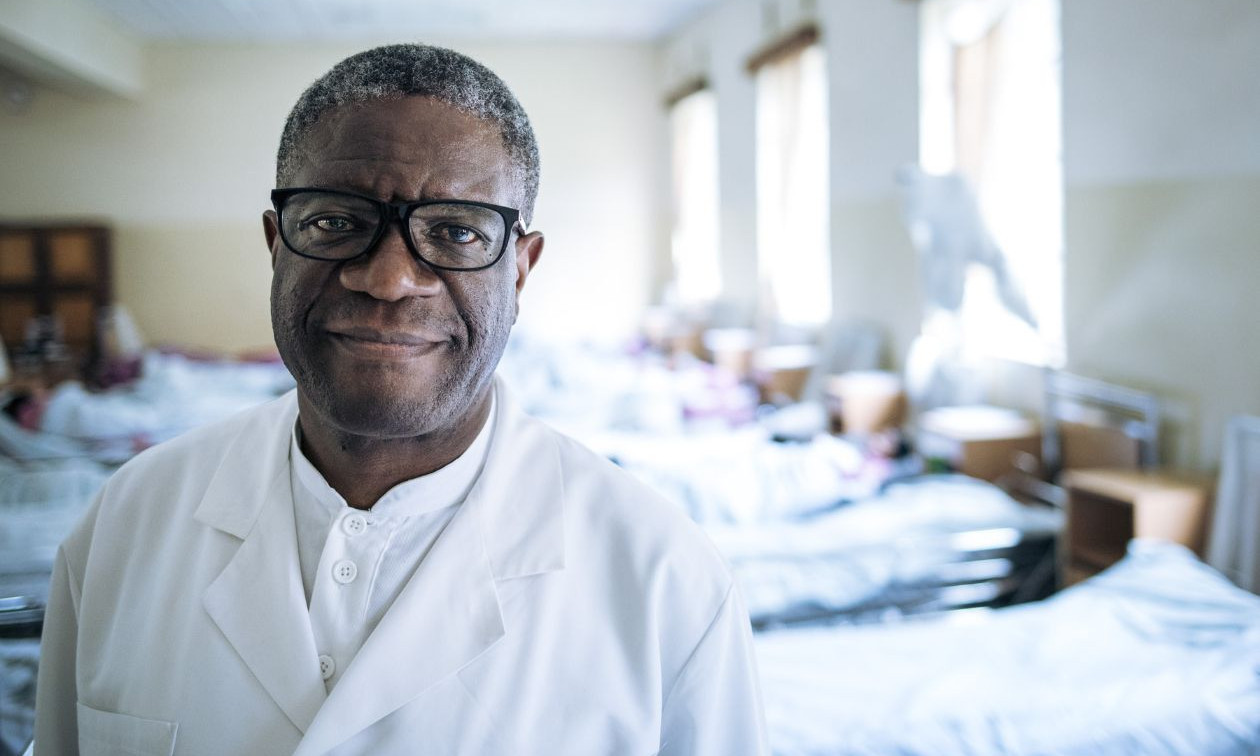
Denis Mukwege is not a fictional character. Born in 1955 in Bukavu, the son of a pastor, he decided at the age of eight to become a doctor after witnessing a child die for lack of medical care. While studying medicine in Burundi, he chose gynecology to combat the devastating maternal mortality rate in his country.
In 1999, he founded Panzi Hospital in eastern DRC. Very quickly, the hospital became a refuge for thousands of women who had survived rapes committed by militias. In this strategic region—which contains 80% of the world’s coltan and cobalt reserves, minerals essential to our phones and computers—rape became a political and economic weapon. It destroys families, forces displacement, spreads terror, and paves the way for exploitation.
Despite threats, despite surviving an assassination attempt in 2012, Mukwege continues his work. In 2018, his efforts were recognized with the Nobel Peace Prize. Yet he refuses to stop speaking out: “I have received every medal. What we need now is for things to change,” he often says. Muganga carries that call into movie theaters.
Rather than a straightforward biography, director Marie-Hélène Roux delivers an ensemble fresco. Muganga recounts a pivotal moment: the meeting between Denis Mukwege and Belgian surgeon Guy-Bernard Cadière. On screen, Isaach de Bankolé and Vincent Macaigne embody this unlikely duo, who decide to work “with four hands” to repair mutilated bodies.
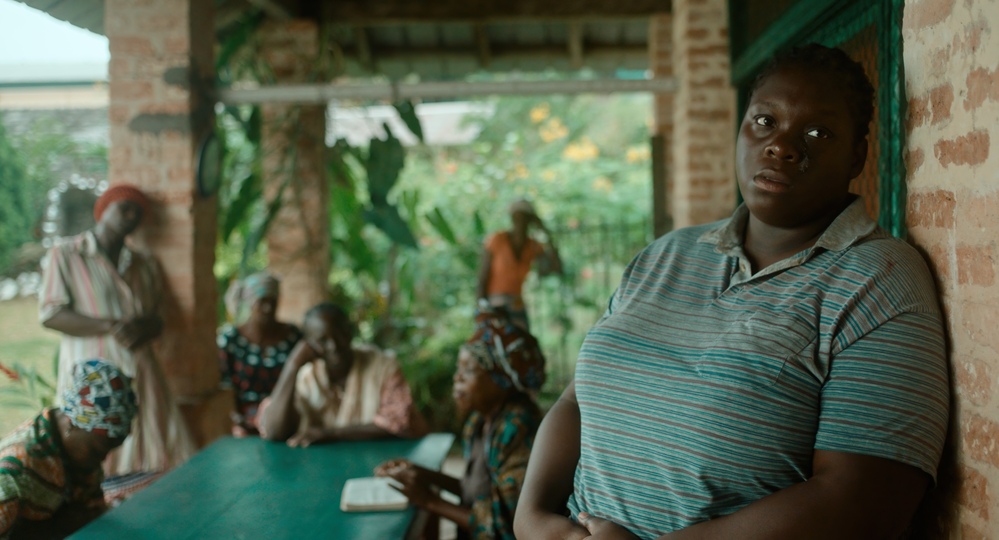
But the film’s true strength lies in its polyphony. The women, far from being reduced to victims, emerge as fully realized characters: they laugh, support one another, and rebuild their lives. Babetida Sadjo, Déborah Lukumuena, and Manon Bresch bring these journeys to life, reminding us that survivors are not statistics but active agents of their own destiny.
Here, cinema fulfills its highest purpose: transforming a collective tragedy into a deeply human story that inspires reflection and engagement.
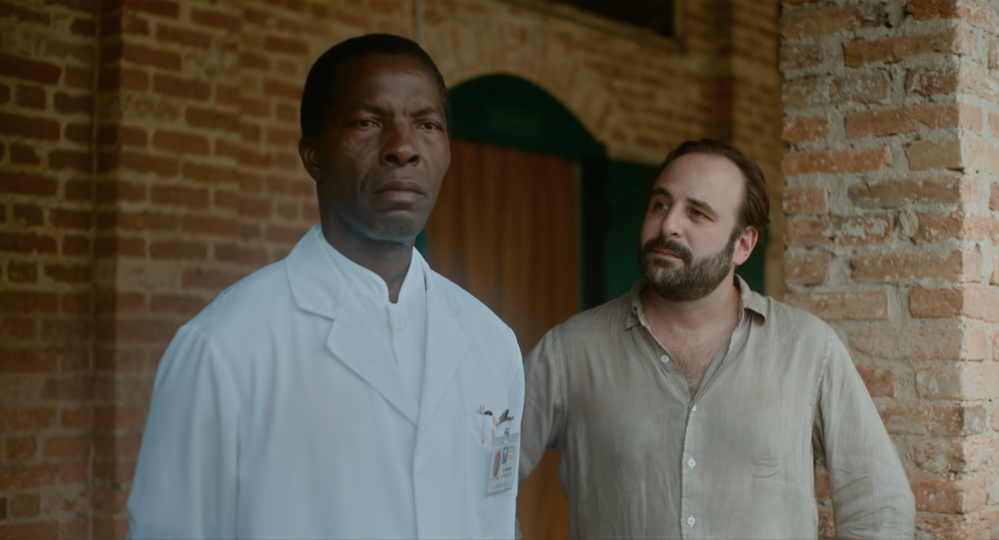
The choice of actors is no coincidence. Isaach de Bankolé, an actor of quiet strength, portrays Mukwege with remarkable authenticity. His deep connection to the African continent enriches a performance that is both dignified and moving. Vincent Macaigne brings vulnerability and nervous intensity. Together, they form a contrasting yet profoundly human partnership.
Around them, the female characters illuminate the narrative. Manon Bresch plays Maïa, a young surgeon searching for meaning, reflecting the audience’s own questions. Babetida Sadjo lends her physical and spiritual power to Blanche, one of the film’s central figures. As for Déborah Lukumuena, she delivers a heartbreaking performance as a survivor who claims the right to control her own body.
The cast functions like a choir: every voice, every breath, every silence becomes an essential part of the collective story.
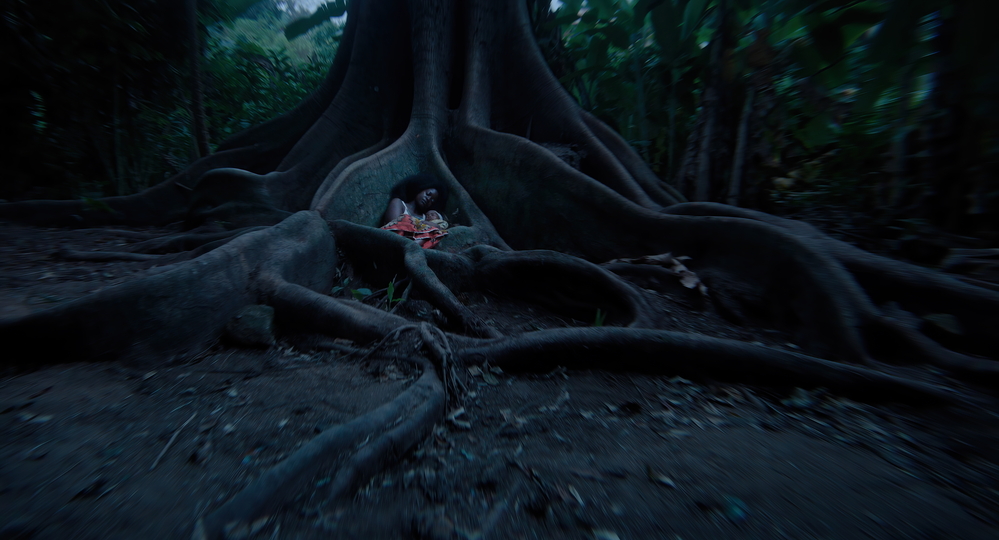
With cinematographer Renaud Chassaing, Marie-Hélène Roux creates a visual language that is both poetic and political. Colors are never neutral: the red of earth, blood, and life; the green of hospital gowns and nature; the surgical white of gloves and light.
To convey trauma, the camera sometimes employs blur, chromatic aberrations, and desaturated tones. These effects allow us to see the world as survivors perceive it: fragmented, confused, and inaccessible. As the story unfolds, the image gradually regains its clarity, becoming a metaphor for the journey toward reclaiming oneself.
The sound design is equally meticulous. Breathing sounds, heavy silences, music created from raw materials—a creaking drawer, a bow scraped across a hanger—every detail is intended to make us physically experience what the characters endure.
Muganga is not a film that you watch from a distance. It is a film that passes through you.
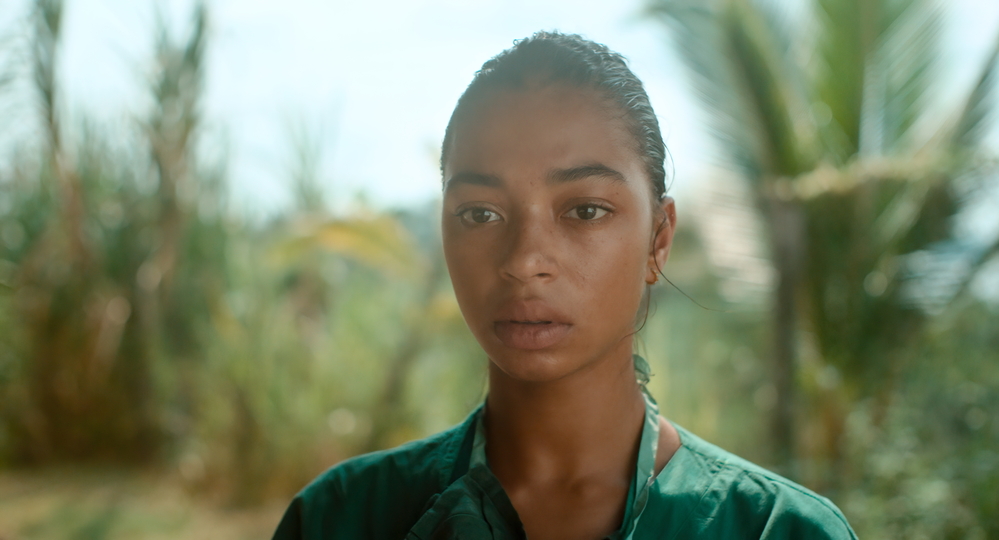
The film opens with a rape scene, handled with restraint yet tremendous power. No voyeurism, no bloodshed—only a sensory shock that confronts viewers with the unspeakable. It is impossible to understand healing without first naming the wound.
The story then explores the dialogue between Mukwege and Cadière: Christian faith on one side, a secular perspective on the other. Their disagreement over abortion raises a universal taboo: who gets to decide for a woman who has been raped? This sequence, carried by Déborah Lukumuena, gives the film a rare moral depth.
Yet Muganga does not stop at pain. It also shows reconstruction: women learning trades, gaining access to microcredit, and laughing together. Panzi is not merely a hospital—it is a model of society, a place where resilience becomes possible.
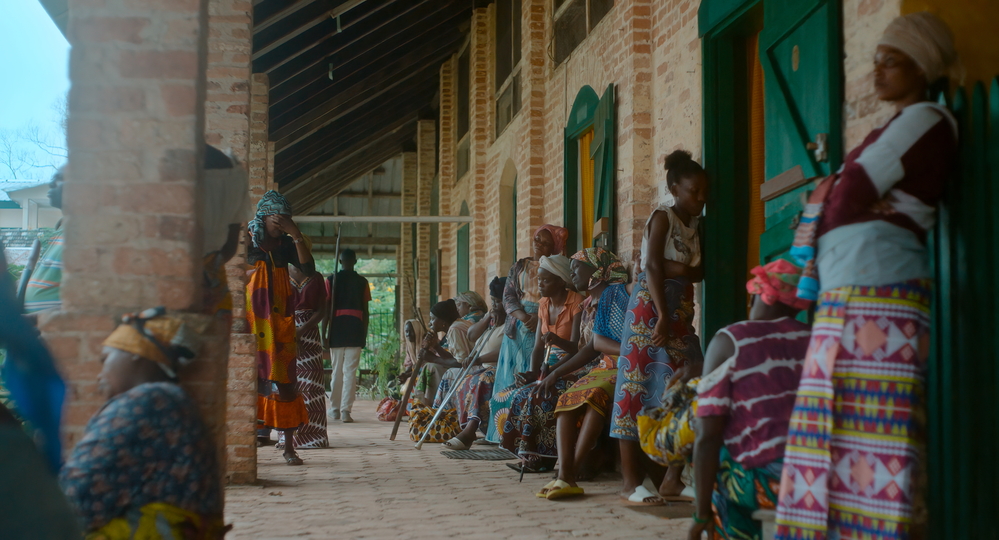
Through this intimate narrative, the film opens a broader geopolitical reflection. Kivu, where the story unfolds, is not cursed by chance: its resources—coltan, cobalt, and gold—fuel international competition. Rape, Mukwege explains, is “an effective and low-cost weapon,” used to control entire mining regions.
Muganga forces us to confront our contradictions. Our phones, computers, and electric vehicles all contain traces of this tragedy. By exposing this reality, the film addresses us directly: are we willing to ignore the origins of the wealth that sustains our comfort?
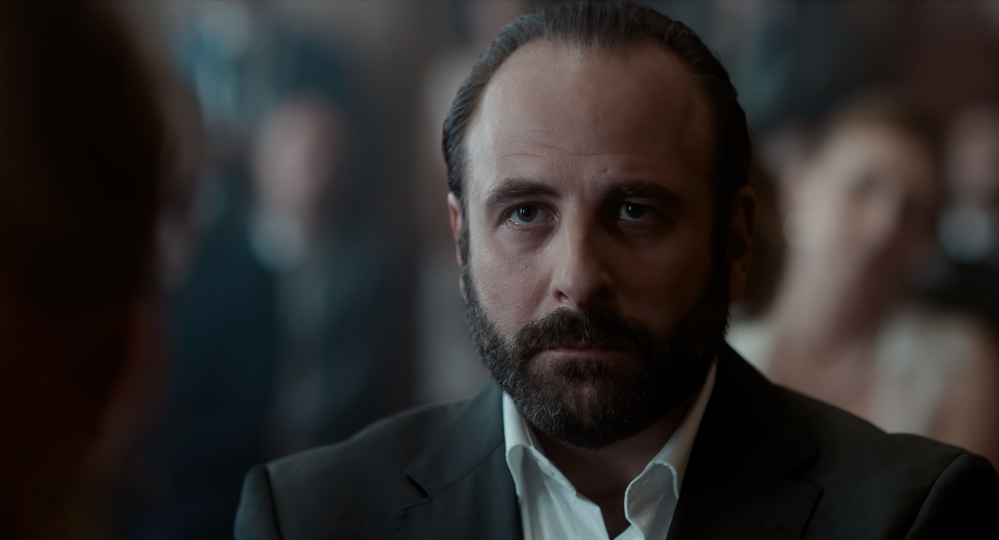
Muganga is a necessary film. Because it bears witness, because it questions, because it unsettles. At a time when Panzi Hospital has been seized by the M23 and Denis Mukwege lives in exile, the film resonates as a cry of warning.
For the African diaspora, it is a mirror of dignity and a duty of remembrance. For French and European audiences, it is an invitation to confront a tragedy that concerns us all, because it is linked to our patterns of consumption and our economies.
As Dr. Mukwege himself reminds us:
“The only struggle worth fighting is the struggle for humanity.”
Muganga, An Appointment with History
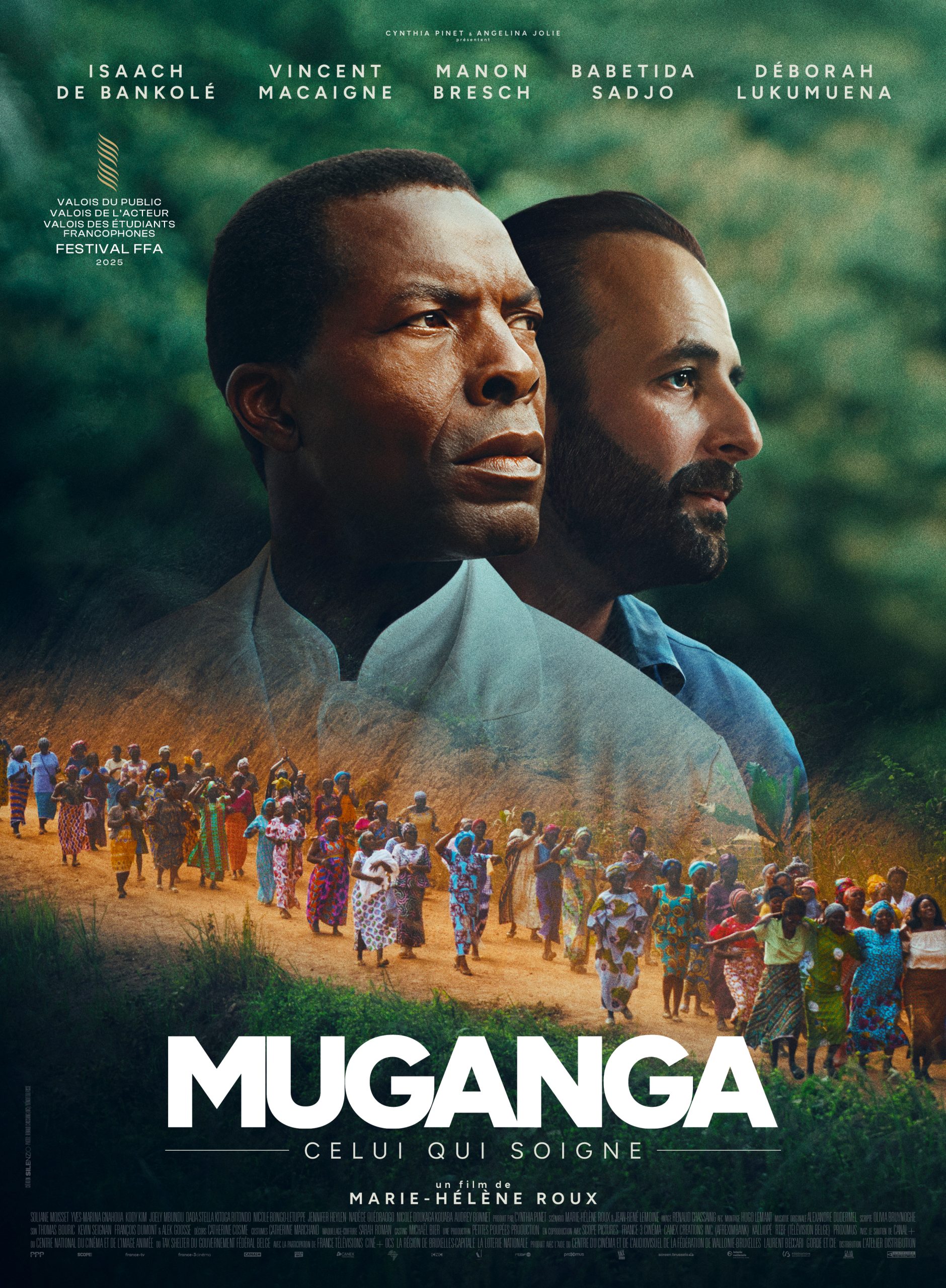
Muganga is not the kind of film one “chooses” to watch for entertainment. It is an experience, an encounter with history, a moment of collective awareness. In Swahili, muganga means “the healer.” And in its own way, this film heals our wounded memories as well.
On September 24, do not look away. Step into the theater. Listen to the voices of Panzi. Allow yourself to be moved by this work. Because it is not only about Congo—it is about all of us.
🎬 Muganga, in theaters across France and Belgium from September 24, 2025.

