

With Furcy, Born Free, Abd Al Malik delivers a film that is as necessary as it is visually striking. Inspired by a true story, this historical drama retraces the extraordinary legal battle of Furcy Madeleine, born free yet kept enslaved on Réunion Island. Remarkable performances, refined cinematography, and a powerful narrative: this committed work shines a light on a forgotten figure while echoing contemporary issues of memory, justice, and identity. Here are five good reasons to see this powerful, poetic, and deeply human film.
Why You Should Watch Furcy, Born Free in Theaters
In 2026, rapper and filmmaker Abd Al Malik brings to the screen the true story of Furcy Madeleine, a man born free yet reduced to slavery on Bourbon Island (Réunion) at the beginning of the 19th century. His film Furcy, Born Free retraces the extraordinary legal battle Furcy fought for nearly thirty years to have his freedom officially recognized in a society governed by the Code Noir.
Freely adapted from Mohammed Aïssaoui’s book The Case of the Slave Furcy, the feature film offers far more than a simple historical narrative. Through this singular story, Abd Al Malik delivers a work that is both entertaining and enlightening, engaging with questions of memory, justice, aesthetics, and Black representation in contemporary French cinema. Here are five reasons not to miss Furcy, Born Free in theaters.
1° The True Story of a Forgotten Hero of Slavery
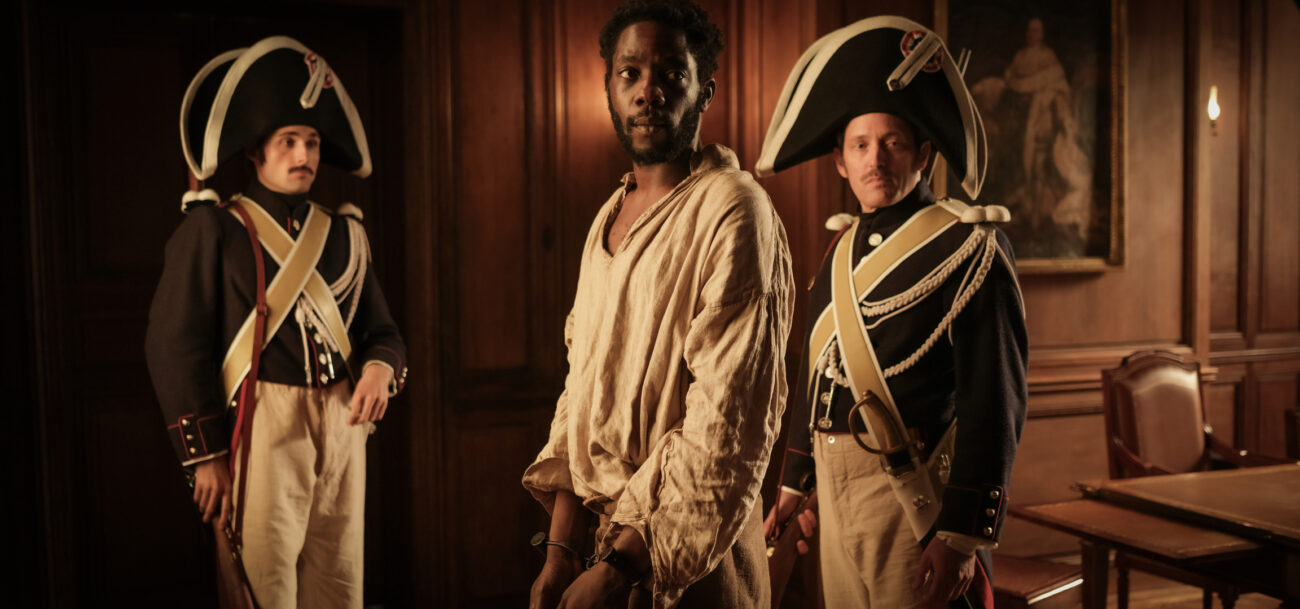
Furcy Madeleine is a little-known figure in French colonial history whose extraordinary destiny deserved to be told. Born free in 1786 to a formerly enslaved mother who had been emancipated, he was nevertheless treated as a slave for years on Réunion Island. After his mother’s death in 1817, Furcy discovered documents proving that he should have been born free and decided to sue his master to claim his rights. This legal battle, fought with the help of an abolitionist prosecutor, lasted 27 years and only ended in 1843, when the Royal Court of Paris finally declared Furcy “born free” — a victory won just before the final abolition of slavery in 1848.
By bringing this authentic story back to light, Abd Al Malik’s film performs an act of memory and justice. It restores visibility to a forgotten hero who dared challenge the slave system through legal means, contributing to our understanding of France’s colonial past. As the filmmaker himself explains, it is crucial to look “even the darkest parts” of our collective history “straight in the eye” if we want to build a better future. Furcy, Born Free allows precisely that lucid look into the past, while highlighting the extraordinary journey of a man whose determination commands admiration.
2° A Fight for Freedom With Universal Resonance
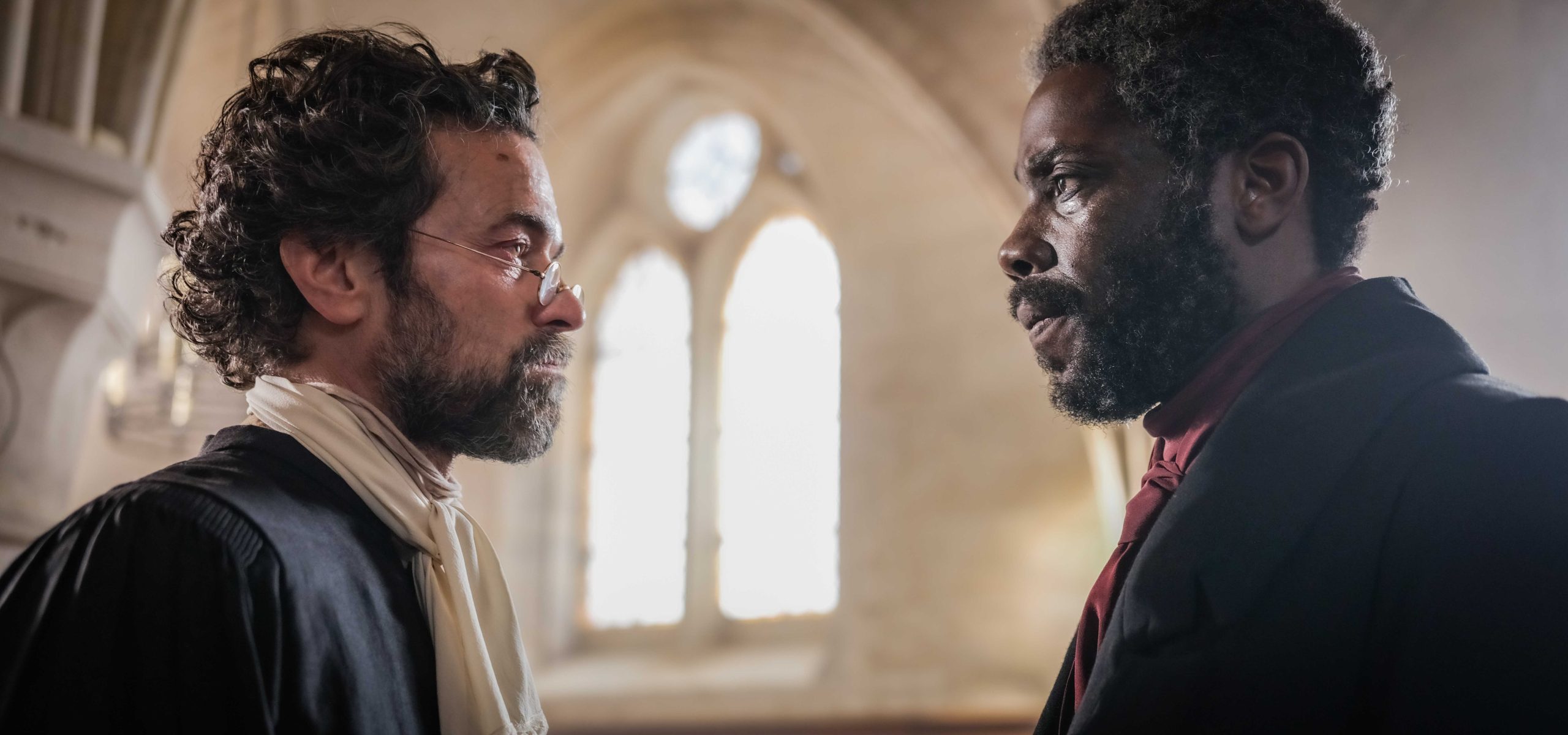
Beyond Furcy’s individual case, the film resonates as a powerful plea for justice and universal human rights. Furcy’s decision to rely on the law and the courts — rather than escape or violence — gives his struggle an exemplary dimension. “Furcy could have chosen marronnage, violence, but he held onto the law and won. To me, that means something today,” explains Abd Al Malik, who sees in this story a lesson in endurance and hope.
Much like figures such as Gandhi, Nelson Mandela, or Martin Luther King Jr., Furcy demonstrates that profound change can be won peacefully by forcing the system to confront its own contradictions.
At the time, France proudly claimed to be the cradle of human rights while maintaining slavery in its colonies — a paradox Furcy would exploit before the courts. The film shows how he turned the oppressor’s legal weapons against the established order itself: the Code Noir, the legal framework that reduced enslaved people to “property” and “movable goods,” gradually becomes obsolete through the legal reasoning advanced by Furcy and his supporters.
In doing so, Furcy, Born Free transcends its historical setting to speak directly to the present. Furcy’s fight invites every viewer to reflect on mechanisms of resistance against injustice and reminds us that the conquest of freedom requires perseverance, faith in institutions — and education.
One of the most striking aspects of Furcy’s story is that he could read and write, a rare skill among enslaved people, which enabled him to use the law to free himself. Abd Al Malik, who identifies deeply with Furcy’s journey, sees in it a message of emancipation through knowledge: “Knowledge is a weapon of peace, one that pacifies us and pacifies our relationship with others. And this film was also about magnifying knowledge,” he explains, emphasizing the fundamental importance of education in breaking chains, whether physical or social.
3° Bold and Immersive Filmmaking
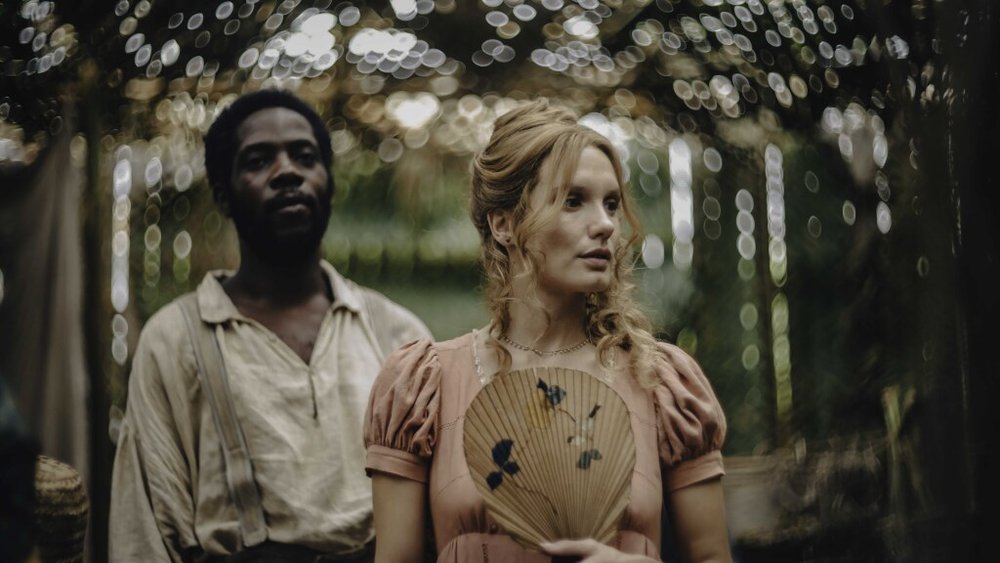
Furcy, Born Free is not only a captivating historical narrative; it is also a cinematic experience rich in emotion and visual beauty. For his second feature film, Abd Al Malik deploys an ambitious and poetic artistic vision. He conceived the film as a triptych of places and atmospheres corresponding to the major stages of Furcy’s journey.
“I thought in terms of tableaux,” the filmmaker explains:
- The first tableau takes place on Réunion Island, filmed like a tropical “paradise” that in reality conceals a living hell. Furcy experiences love and an apparently gentle existence there, but beneath the beauty of the landscapes lies the violence of his hidden condition as an enslaved man.
- The second tableau, set on Mauritius, plunges the hero into a vast sugar plantation — a kind of open-air prison where madness lurks beneath the brutality of the slave system.
- Finally, the third tableau transports us to Paris for the judicial conclusion, staged almost like theater: the courtroom becomes a place of speech and ritualized confrontation, where characters address the audience like a theatrical troupe revealing reality through archetypes.
This daring artistic choice gives the film an almost dreamlike dimension at times while emphasizing the power of language and discourse. Abd Al Malik does not hesitate to include long monologues in which his characters address viewers directly, breaking the fourth wall during courtroom pleadings to better convey the force of words.
Visually, Furcy, Born Free impresses with its “sensory power” and carefully crafted imagery. Guillaume Deffontaines’ cinematography magnifies both tropical luxuriance and the austerity of courtrooms, creating tableaux of remarkable visual beauty. The soundtrack blends original compositions with traditional Réunionese songs: the film notably opens with singer Danyel Waro performing an a cappella Creole song from the very first seconds — a symbolic choice that roots the narrative in Réunion’s culture while functioning as a manifesto.
This attention to atmosphere immerses audiences in the era while deeply moving them emotionally. The result is a film that is both educational and entertaining, faithful to Abd Al Malik’s ambition to “balance both.” Already selected at several festivals, including the 2025 Angoulême Francophone Film Festival, and winner of the Young Jury Prize at the Malaga Festival, Furcy, Born Free demonstrates a cinematic mastery that will appeal as much to lovers of beautiful filmmaking as to history enthusiasts.
4° Talented Performers and a Fresh Perspective


One of the film’s greatest strengths lies in its exceptional cast, which brings these historical figures to life with precision and intensity. In the title role, young actor Makita Samba delivers a restrained yet deeply inhabited performance. Revealed in Jacques Audiard’s Paris, 13th District, he portrays Furcy with quiet dignity, expressing so much while saying very little — exactly what Abd Al Malik was looking for.
“From the auditions onward, Makita said nothing, but said everything. For me, it was obvious. Furcy is someone who doesn’t say much, but who possesses great intelligence,” the filmmaker explains about his lead actor. This interiorized performance gives Furcy immense depth: a thoughtful and determined man whose anger is restrained by strategy and hope.
Alongside him, Ana Girardot plays Virginie, Furcy’s companion, bringing a touch of romantic tenderness to the story while embodying the unwavering support that helps him endure. Opposite them stand two major figures: the slave owner claiming possession of Furcy, played by Vincent Macaigne, and the prosecutor general Boucher, portrayed by Romain Duris, who supports Furcy in his quest for freedom.
Vincent Macaigne crafts a striking antagonist — a cruel and deranged plantation owner whose outbursts reveal the inhumanity of the slave system. Romain Duris, meanwhile, lends his charisma to a passionate and righteous ally, embodying that abolitionist France striving to believe in equality.
Around them revolves a gallery of equally strong supporting performances: actor Philippe Torreton appears as an influential magistrate, while model and actress Liya Kebede portrays Constance, Furcy’s sister. The chemistry of this ensemble cast — bringing together Black and white actors, rising talents and established figures — reinforces both the credibility and emotional intensity of the film.
Above all, the cast reflects a welcome evolution in Black representation in cinema. Seeing a Black actor like Makita Samba carry a major French historical role remains rare and highly symbolic. Likewise, behind the camera, Abd Al Malik brings the perspective of a Black French artist to a subject that has too often been left to others. “Aimé Césaire said: ‘Black like a department of humanity.’ And I begin from the fact that I am Black and that this is my story… The reality is that I speak to everyone,” the director states.
This fresh perspective places Furcy, Born Free within a broader movement of reclaiming history by those who were long treated as its “objects” rather than its authors. The film thus offers an opportunity to see the history of slavery told differently: through complex, dignified Black protagonists rather than solely through the lens of white abolitionist or slave-owning figures. This approach brings new authenticity and humanity to a chapter of history still too rarely explored on French screens.
5° A Particular Resonance in Today’s France
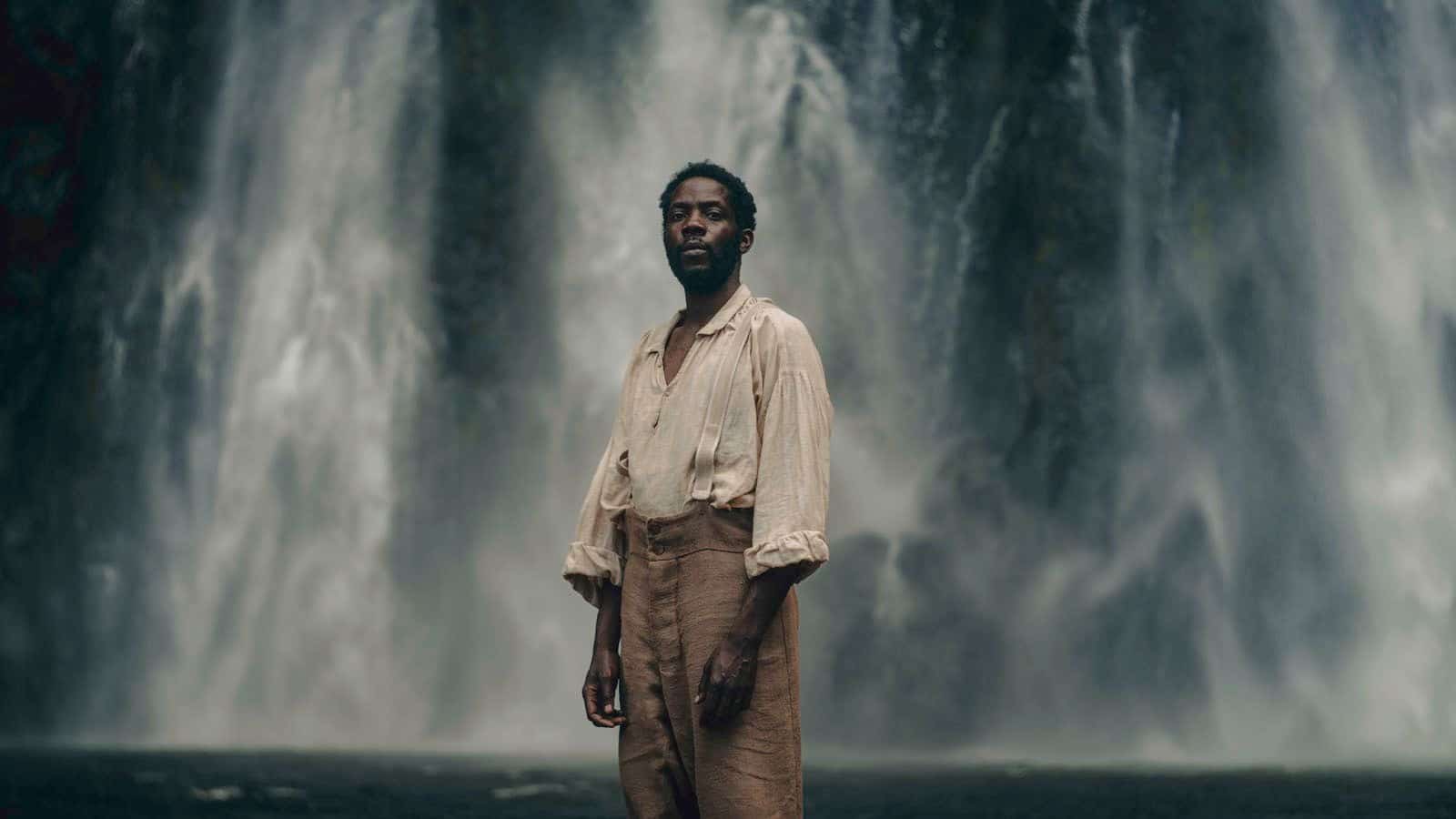
Finally, Furcy, Born Free stands out as an eminently contemporary film through the echoes it creates with current debates surrounding memory and colonial legacy. Though it depicts the 19th century, it is very much speaking about the present. Abd Al Malik himself says that Furcy’s story “means something fundamental today, in the 21st century… in relation to the times we are living through in France and around the world.” By following the journey of a man who forced colonial justice to acknowledge his rights, the film questions what it means to be an individual in a society governed by rights — a question that remains deeply relevant.
It shows how a nation founded on ideals of equality before the law could betray them, and how perseverance can ultimately force those ideals to prevail. At a time when France is attempting to confront its slave-owning and colonial past with greater lucidity — as debates over reparations, commemoration, and transmission of memory resurface — Furcy, Born Free adds an important contribution to the conversation. The film encourages reflection on the construction of our society and on the injustices of yesterday that still echo in those of today. It also invites audiences to measure the progress achieved in civil rights while reminding us that such gains remain fragile if historical lessons are forgotten.
Leaving the screening, viewers cannot help but draw parallels between Furcy’s struggle and contemporary fights for equality — whether against racism, discrimination, or violations of fundamental freedoms. Furcy, Born Free also possesses undeniable educational value: it is a film that teaches as much as it moves.
As Abd Al Malik summarizes, “you learn something while being entertained,” and audiences leave enriched by this immersion into the past. By reviving Furcy’s memory, the film acts as a poetic gesture of justice toward those who fought for freedom while nourishing current debates on how we view our shared history. That is precisely why it is such a necessary work — one that speaks equally to the heart and the mind, and whose resonance extends far beyond the screen.
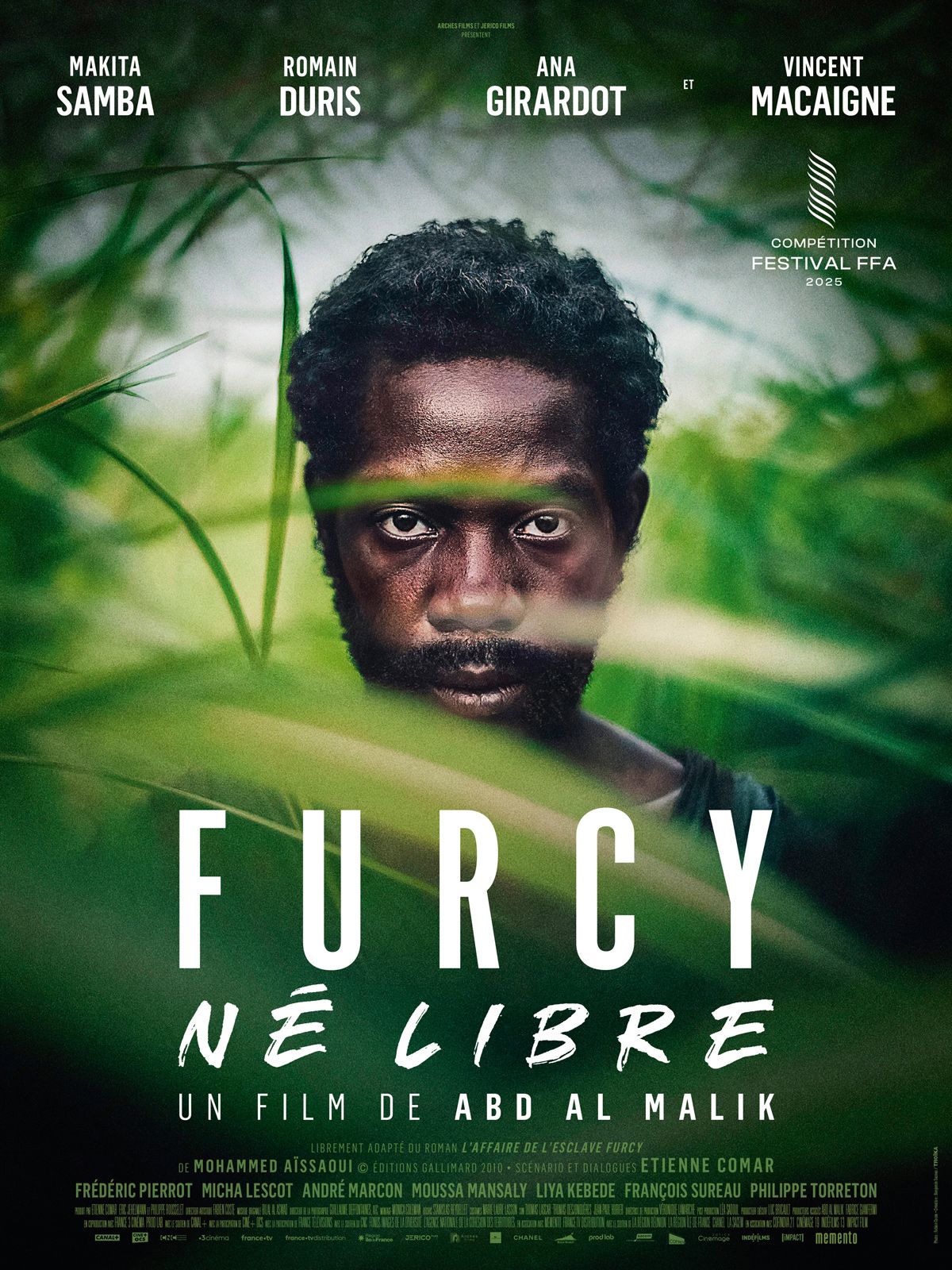
In conclusion, Abd Al Malik’s Furcy, Born Free is at once a gripping historical drama, an ambitious artistic work, and a film deeply meaningful for our times. Whether to discover Furcy’s incredible story, draw inspiration from his message of hope and resilience, appreciate the film’s inventive direction, or celebrate a new milestone in the representation of Black history in cinema, there is no shortage of reasons to watch this film. Both accessible and profound, Furcy, Born Free promises an experience as enriching as it is moving — one that will remain in viewers’ memories long after the closing credits. “`

