

Bantú Mama is an Afro-Caribbean film directed by Ivan Herrera that explores the African diaspora between Africa and the Caribbean. Through a story of escape and reconstruction, it questions Black identity, memory, and cultural roots.
Between escape, survival, and rebirth, Bantú Mama stands out as a rare work, at the crossroads of cinema and memory. Directed by Ivan Herrera, this Afro-Caribbean film delicately and powerfully explores the invisible ties linking Africa to its diasporas, particularly within the Caribbean. Through an intimate, almost silent story, it raises a fundamental question: what remains of our roots when everything seems to have distanced us from them?
The story opens with a woman, a French citizen of African descent, on the run. Arrested in the Dominican Republic, she manages to escape and finds refuge in a working-class neighborhood of Santo Domingo known for its danger. In this environment marked by precarity and social violence, she meets a group of children left to fend for themselves. Very quickly, an unexpected bond forms. She becomes a maternal figure to them, a reassuring presence in a world lacking stability and guidance. But this relationship will not only transform the destiny of these children. It will also profoundly change her own life, as contact with this raw reality begins a process of inner reconstruction.
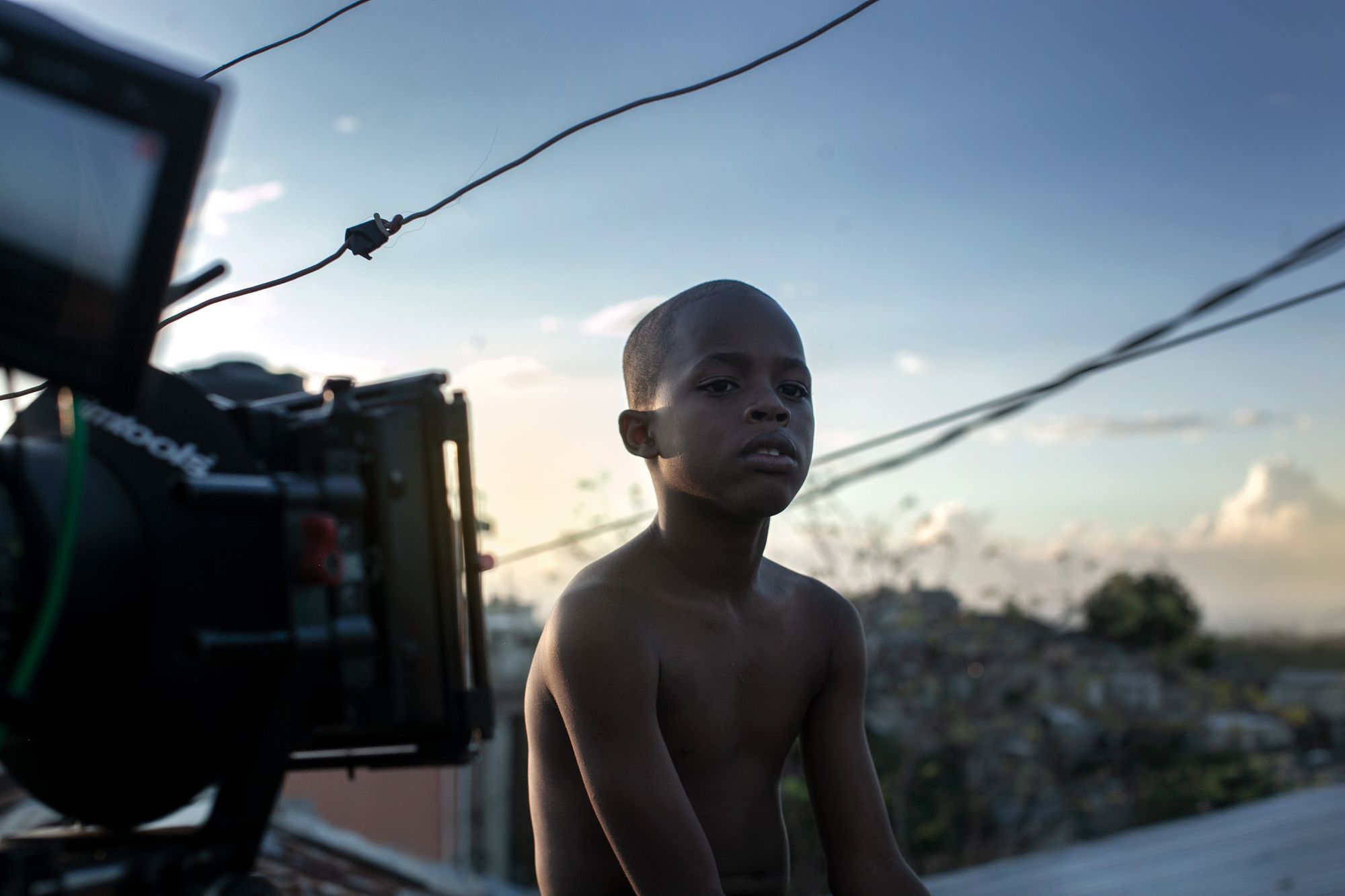
This seemingly simple premise actually conceals remarkable thematic depth. Bantú Mama is not merely a story about survival. The film is part of a broader reflection on the African diaspora, its fractures, its forgotten histories, but also its invisible continuities. By portraying the encounter between an Afro-European woman and Afro-Caribbean children, Ivan Herrera gives shape to a reality that is rarely represented: that of a fragmented diaspora sharing a common history, yet shaped by different experiences.
What immediately stands out in the film is the way it approaches the question of roots. Here, Africa is neither a backdrop nor a simple cultural reference. It is a diffuse, almost spiritual presence. It exists in bodies, in gazes, in silences. It is both near and distant, familiar and forgotten. The film explores this permanent tension between memory and amnesia, between inheritance and rupture. It suggests that despite centuries of separation, the diaspora remains crossed by deep connections, often unconscious yet always alive.
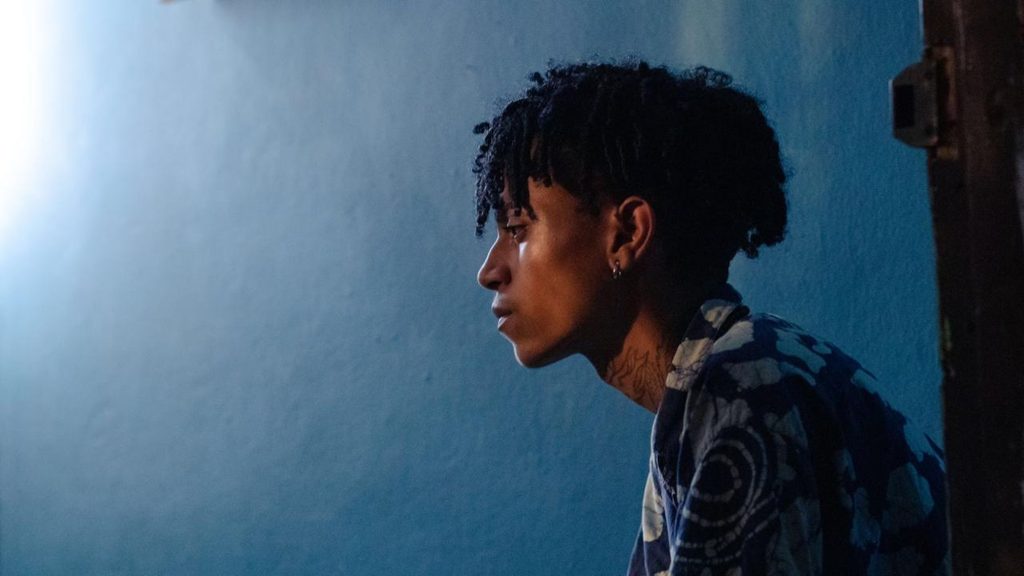
The journey of the main character thus becomes a metaphor. While fleeing a dangerous situation, she finds herself confronted with another form of reality, harsher yet also more authentic. This geographical displacement is accompanied by an inner transformation. Through her relationship with the children, she rediscovers a form of humanity and solidarity, but also a part of herself she may have lost. The film therefore proposes a powerful idea: returning to one’s roots is not necessarily a physical return to Africa, but can instead be a process of inner reconnection, a way of reconciling the different layers of one’s identity.
The strength of Bantú Mama also lies in its direction. Ivan Herrera adopts a visual approach that deepens the viewer’s immersion. The film is shot in natural light, with an aesthetic close to street photography. This choice is far from insignificant. It captures reality in its rawest and most immediate form. Faces, textures, and colors become narrative elements in their own right. Every frame seems charged with silent emotion and restrained tension. This approach gives the film an almost documentary dimension while preserving a strong visual poetry.
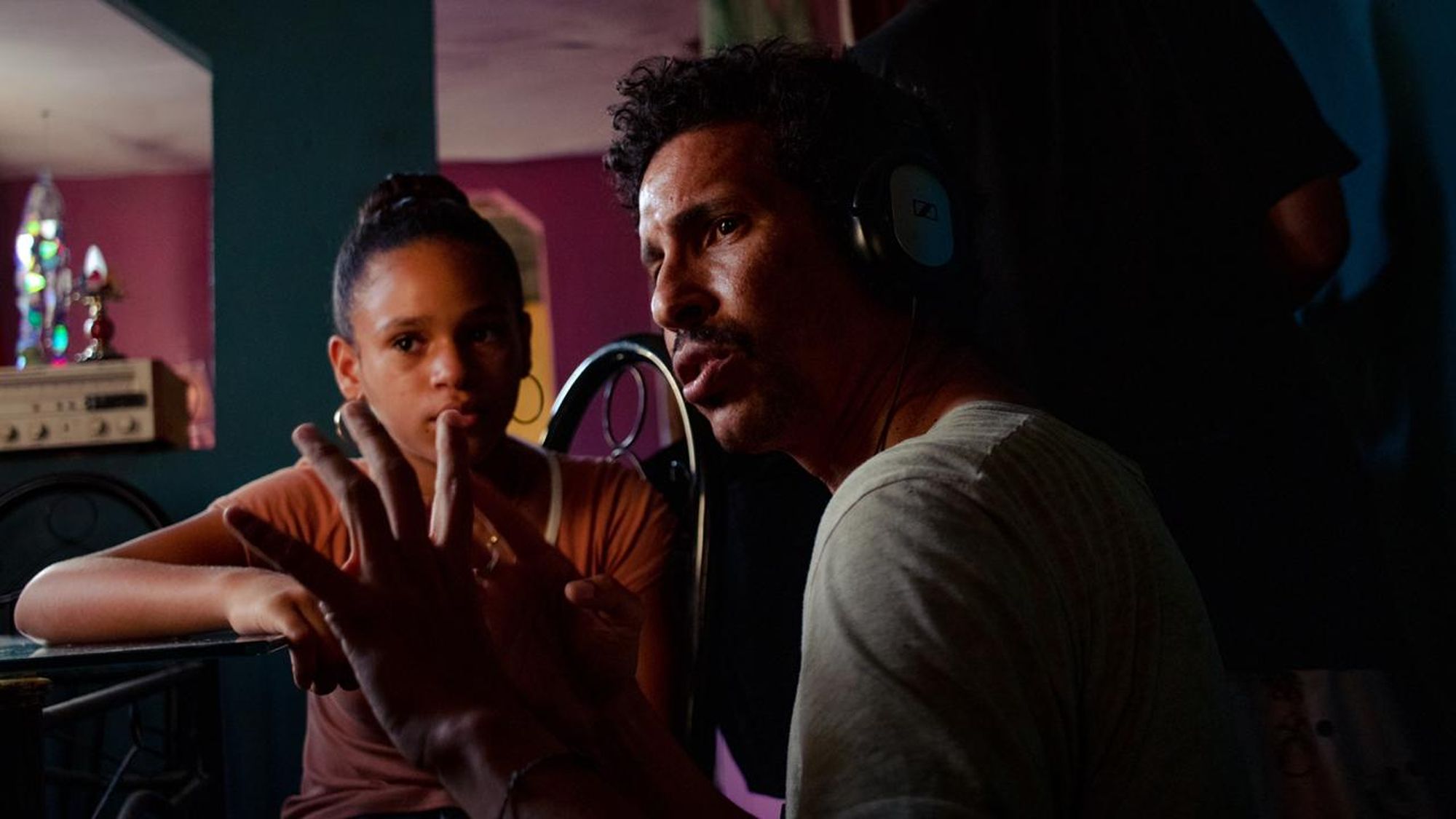
This aesthetic fully contributes to the film’s message. By rejecting artifice and favoring simplicity and closeness, the director reveals a reality that is often rendered invisible. The goal is neither to display misery for its own sake nor to reinforce stereotypes about working-class neighborhoods. On the contrary, Bantú Mama offers a nuanced, almost tender perspective on these spaces. There is hardship, certainly, but also life, solidarity, and beauty. The film succeeds in capturing this complexity without ever falling into pathos or caricature.
Beyond its artistic qualities, Bantú Mama is also part of a broader movement toward the recognition of Afro-Caribbean cinema. The film has been presented at numerous international festivals, leaving a strong impression through its originality and depth. It was notably selected for major events such as SXSW and the BFI London Film Festival, and received several distinctions, including awards for its cinematography and international impact.
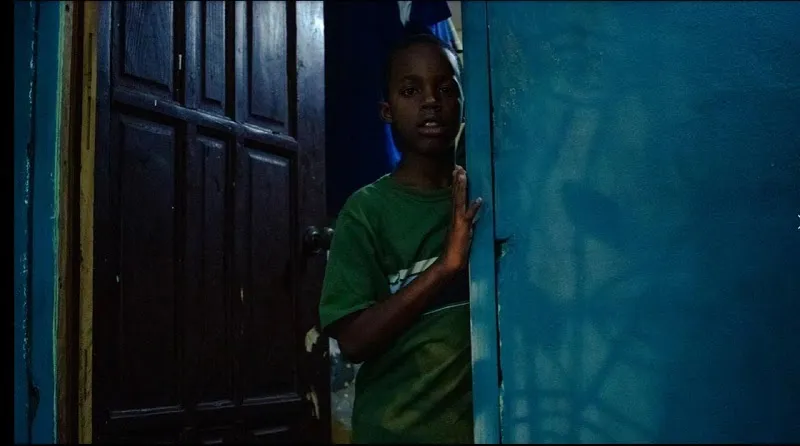
These recognitions are far from insignificant. They reflect a growing interest in stories emerging from African diasporas, in narratives that move beyond the traditional frameworks of mainstream cinema. Bantú Mama contributes to this evolution by offering a story deeply rooted in a local reality while carrying a universal ambition. The film speaks about diaspora, of course, but also about motherhood, survival, transmission, and the search for meaning. Themes that resonate far beyond cultural borders.
What makes this work particularly important is its ability to create connection. In a world where identities are often fragmented, where inheritances are diluted or forgotten, Bantú Mama reminds us of the importance of memory. This is not a nostalgic discourse, but an invitation to understand where we come from in order to better grasp who we are. The film proposes a form of reconciliation, not by erasing fractures, but by acknowledging them and integrating them into a broader story.
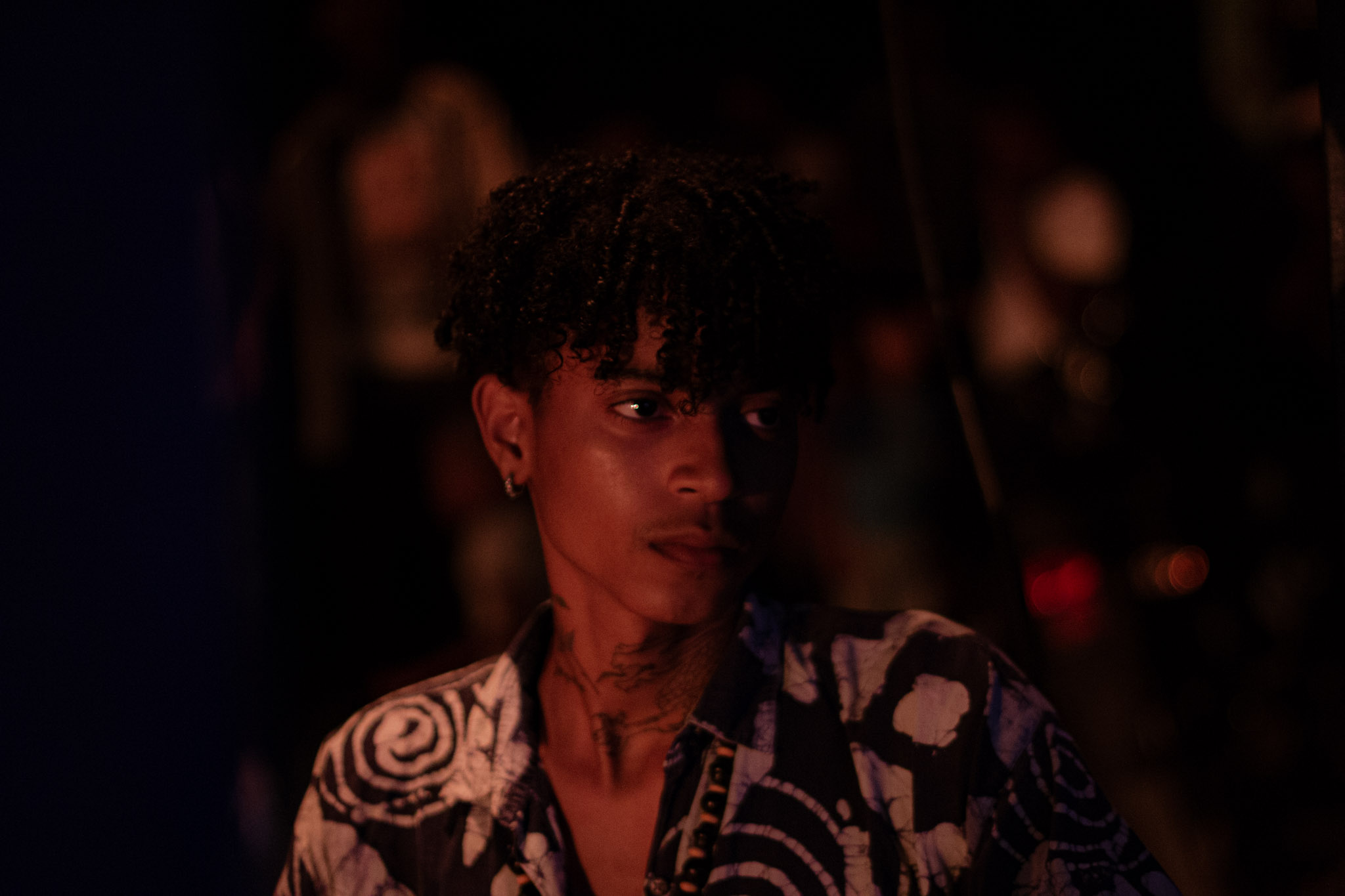
In this sense, Bantú Mama goes far beyond the boundaries of cinema. It becomes a cultural, almost political object that questions representations, identities, and imaginaries. It opens a space for reflection, but also for emotion. Beyond the themes it explores, the film moves audiences through its sincerity, the authenticity of its characters, and the simplicity of its storytelling.
Watching Bantú Mama means accepting to be carried by a story that does not seek to provide ready-made answers, but instead invites us to feel, to reflect, and to reconnect. It is an experience that is both intimate and collective, resonating especially strongly in a context where questions of identity and memory occupy a central place.
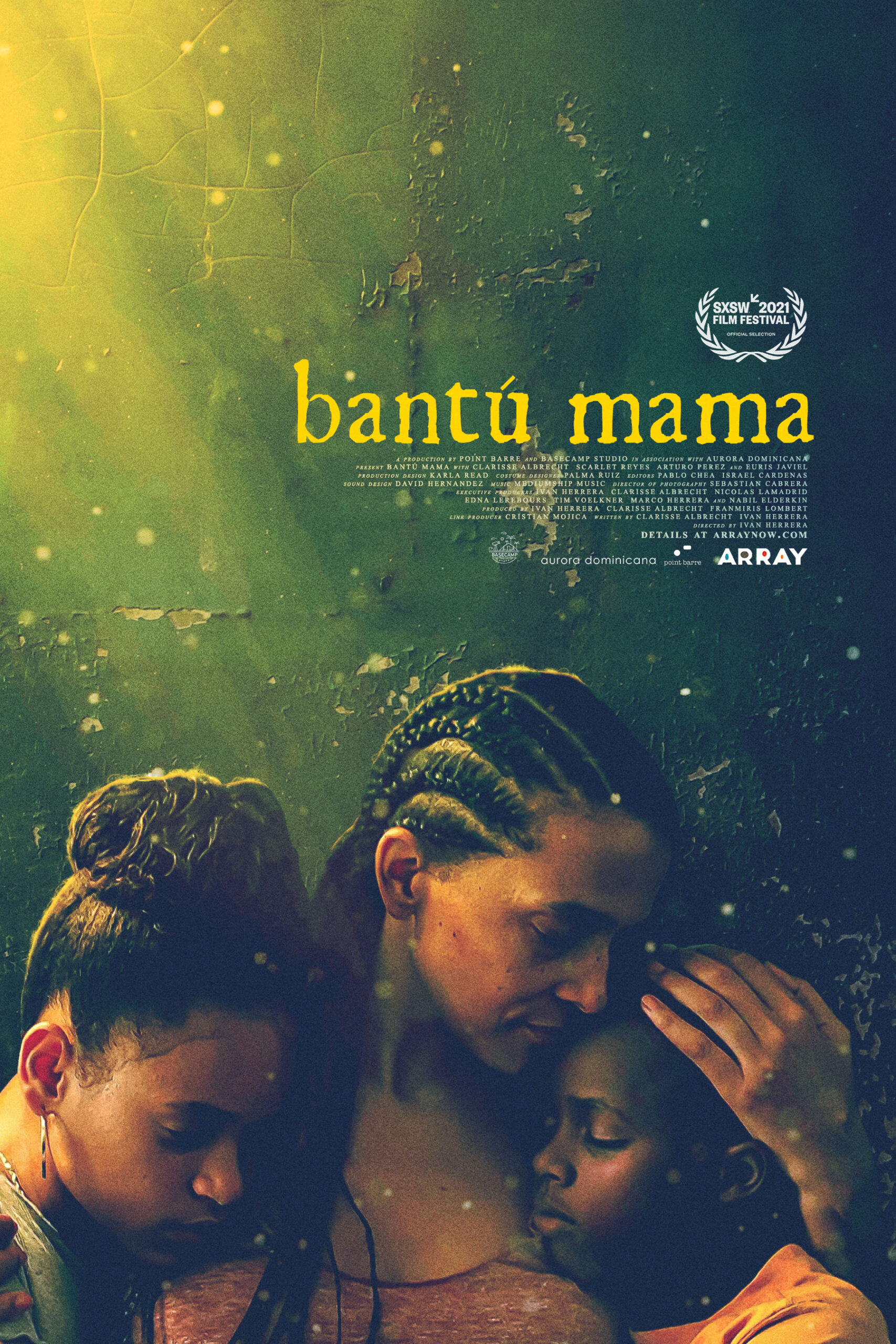
Through this film, Ivan Herrera delivers a work destined to leave a lasting mark on the landscape of Afro-descendant cinema. A work that reminds us that the stories of the diaspora are not merely narratives of the past, but living realities in constant transformation. And finally, a work that invites us to look differently, to listen differently, and perhaps, to remember differently.

