

In 1817, on Réunion Island, a man discovers that he should never have been enslaved. Furcy, Born Free, the new film by Abd Al Malik, retraces one of the longest legal battles of the 19th century and questions, in the present day, the universal promise of justice. In theaters January 14!
FURCY, BORN FREE
When One Man Forces the Law to Remember Itself
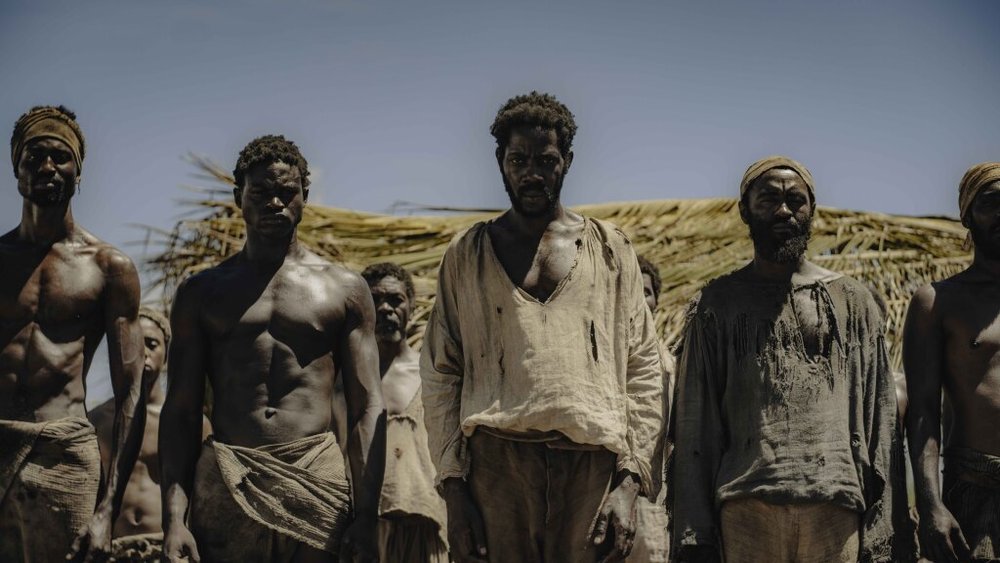
1817. Réunion Island.
A man learns that he should never have been enslaved. The revelation does not trigger a spectacular escape or an armed uprising. It unleashes something slower, more radical: a legal procedure. An appeal. A judicial battle that will last more than thirty years. Furcy, Born Free, the new film by Abd Al Malik, tells this true story—long relegated to the margins of the national narrative—and restores it to a central place in our present.
This film is not merely a return to the history of slavery. It is a direct interrogation of law, justice, and patience. Of an individual’s ability to shake a system that denies him, not by burning it down, but by forcing it to confront itself.
After his mother’s death, Furcy discovers documents proving that she was legally free at the time of his birth. According to the law itself, he should therefore have been born free. This contradiction, tiny on paper, becomes an earthquake. Assisted by an abolitionist prosecutor, Furcy files a lawsuit against his owner. Thus begins one of the longest legal battles of the colonial 19th century, from Réunion Island to Mauritius and all the way to the courts of Paris.
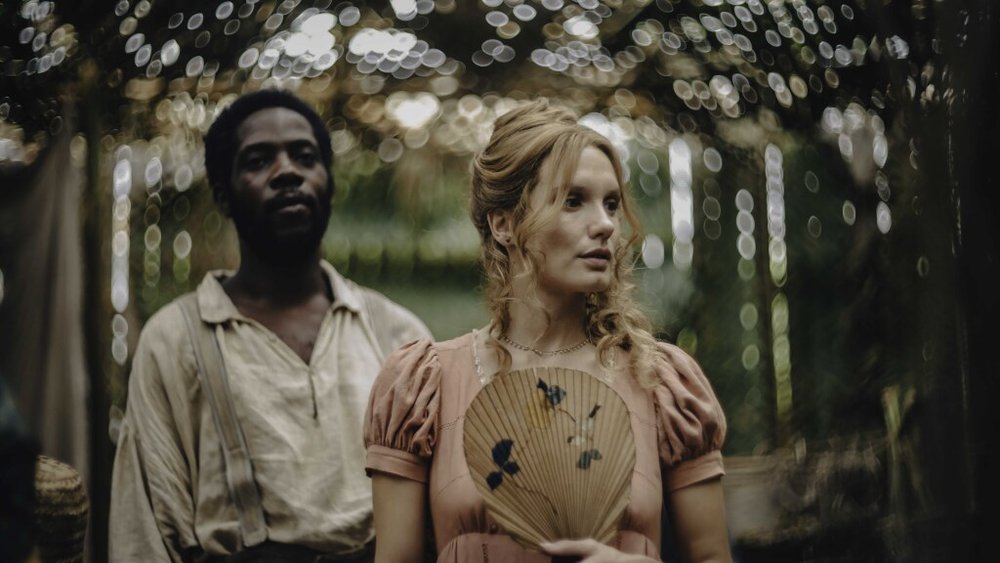
Freely adapted from The Case of the Slave Furcy by Mohammed Aïssaoui, the film is grounded in rigorously documented facts. But Abd Al Malik does not simply reconstruct a chronology. He gives flesh to a dizzying question: what is a society worth when it proclaims justice, yet refuses to apply it equally to all?
From its very first images, Furcy, Born Free announces its singularity. The film seeks neither shock value nor emotional excess. It does not turn suffering into spectacle. Its ambition lies elsewhere: showing how an unjust order can be challenged from within, using its own tools.
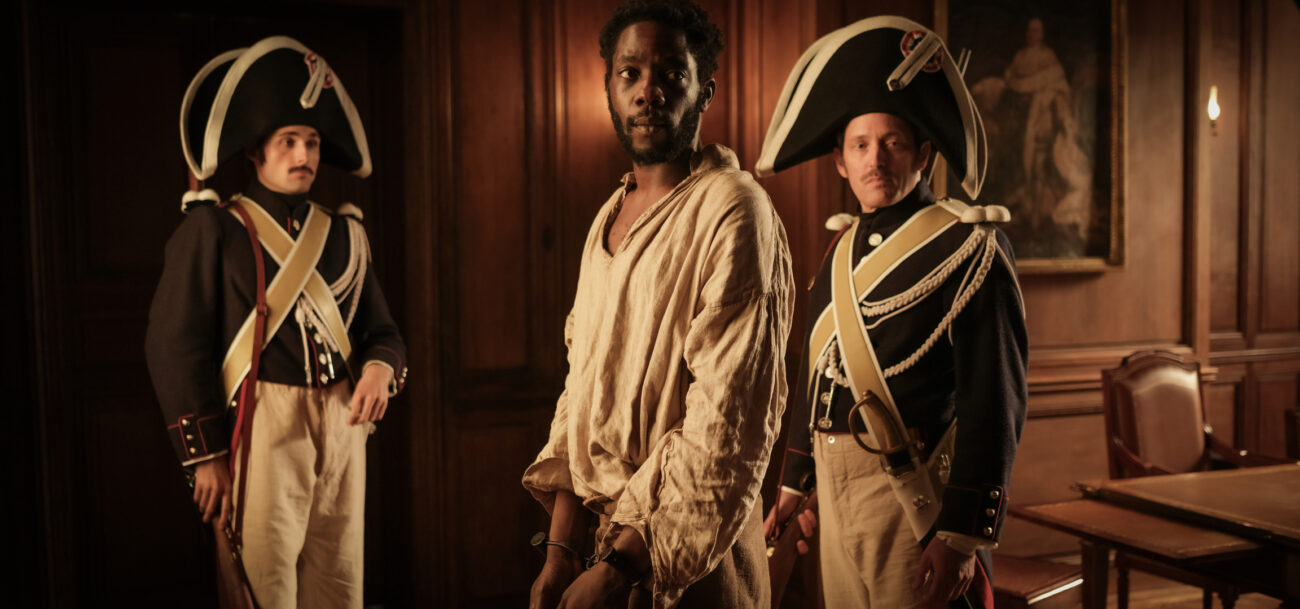
The Code Noir is not treated as an abstract backdrop. It is shown, read, quoted. As the founding text of the slave system, it defines the enslaved person as a “movable good.” Abd Al Malik makes it a central object of the narrative precisely to reveal its moral absurdity and legal fragility. Furcy does not fight despite the law. He fights through the law. And that strategy is what makes his struggle feel so modern.
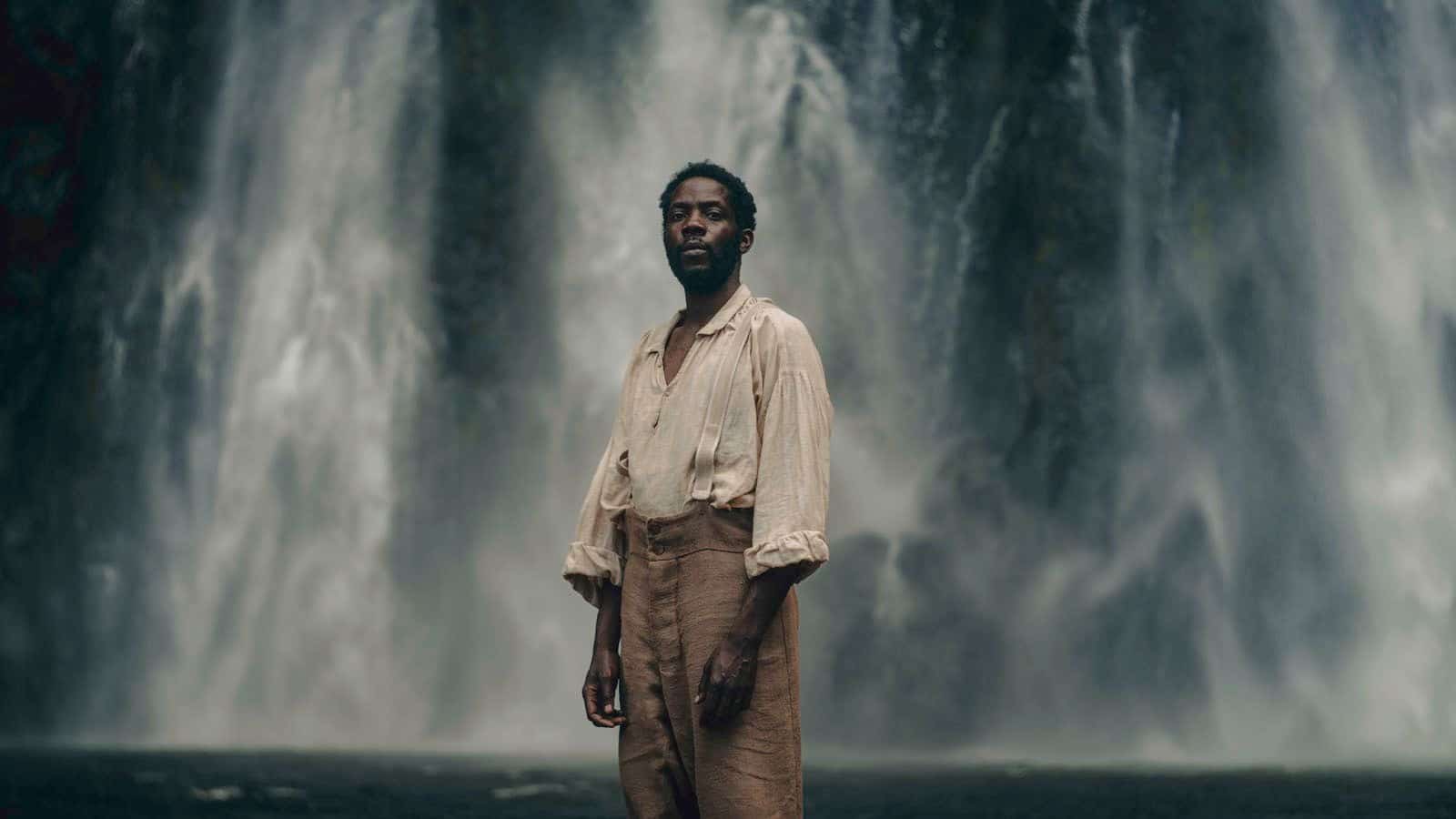
To portray Furcy, Abd Al Malik chose Makita Samba. A decisive choice. The Furcy of the film speaks little. He observes, listens, endures. His intelligence is not demonstrative; it is embodied. In a world where speech is monopolized by the powerful, his silence becomes a weapon.
This radical choice gives the film a rare power. Where other narratives might have multiplied heroic speeches, Furcy, Born Free relies on presence, gaze, and duration. Furcy does not persuade through eloquence, but through constancy. He does not seek to seduce the system: he exhausts it.
Against this silence, the film unfolds a dense, precise, at times dizzying discourse. Courtroom scenes occupy a central place. The tribunal becomes a true theater, where every word can decide a destiny.
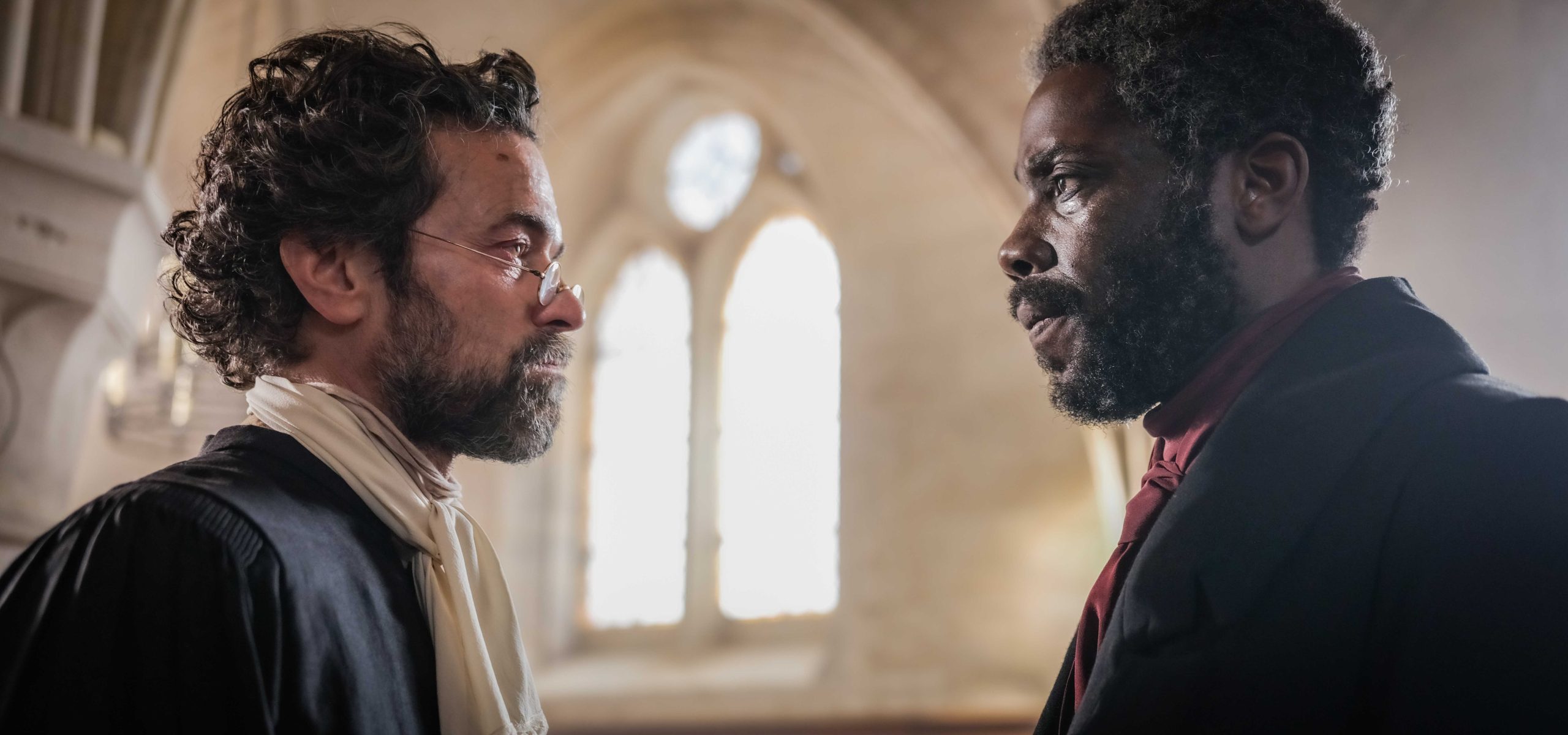
The abolitionist prosecutor Boucher, played by Romain Duris, is not a flawless hero. He is a man of the law, aware of the limits of the system he serves, yet determined to push it to its contradictions. He does not “save” Furcy; he accompanies him. That nuance is essential. The film rejects any paternalistic vision.
By contrast, the character portrayed by Vincent Macaigne is deeply unsettling. A committed slaveholder, he sincerely believes in the legitimacy of the order he defends. To him, Furcy is almost like a son. This ambiguity is disturbing, deliberately so. Abd Al Malik shows how inhumanity can conceal itself behind an apparently coherent moral framework.
The narrative is structured around three spaces, conceived as three different perceptions of reality.
Réunion Island, first. A luminous, almost idyllic island where Furcy lives a relatively privileged existence. But this paradise is deceptive. The violence there is diffuse, administrative, normalized.
Mauritius, next. Sugarcane fields stretch endlessly across the landscape. The space opens up, but the horizon liberates nothing. The plantation becomes an open-air prison, where the brutality of the system grows more direct, more destructive.
Paris, finally. The territory of language, law, and procedure. Here, everything is decided through words—in the ability to name, classify, and interpret. The film reaches a particular intensity there: every sentence becomes a potential weapon.
The score, composed by Bilal Al Aswad, punctuates the film like a slow march. A steady, almost ritualistic beat. From the opening scene, a song by Danyel Waro—a major figure of Réunionese culture—rises without instrumental accompaniment. The choice is highly symbolic: a language long forbidden becomes, here, a manifesto.
The music never underlines emotion. It accompanies the long duration of the struggle, recalls collective memory, and inscribes Furcy’s story within a broader, pan-African and diasporic continuity.
One of the film’s most political gestures lies in its relationship to time. Furcy’s struggle lasts more than thirty years. The film refuses any artificial acceleration. It imposes this duration, this waiting, this exhaustion upon the viewer.
In a contemporary world obsessed with immediacy, Furcy, Born Free proposes another temporality. It reminds us that some victories exist only because they take time. That patience can itself become a form of resistance. And that the law, when truly put to the test, rarely advances at the speed of slogans.
Though the story unfolds in the 19th century, the film speaks explicitly to our present. It questions what it means to be an individual in a society that claims to be founded on equality. It asks a simple yet disturbing question: what is a law worth if it is not universal?
By showing a Black man using the very tools of the colonial order to free himself, Abd Al Malik avoids two dead ends: the romantic glorification of violence and resignation. He proposes a third path, more demanding and more uncomfortable: patient confrontation with institutions.
Furcy, Born Free does not accuse. It does not preach. It shows. And it is precisely this posture that makes it a major work. The film refuses moral simplification. It invites us to look at history in all its complexity, in order to better understand what it still produces today.
Scheduled for theatrical release on January 14, Furcy, Born Free stands out as an essential work in the landscape of contemporary French cinema. A popular film in the noblest sense of the term: accessible, gripping, yet profoundly political. A film that reminds us that some revolutions make no noise—and that these are often the ones that permanently alter the course of history.
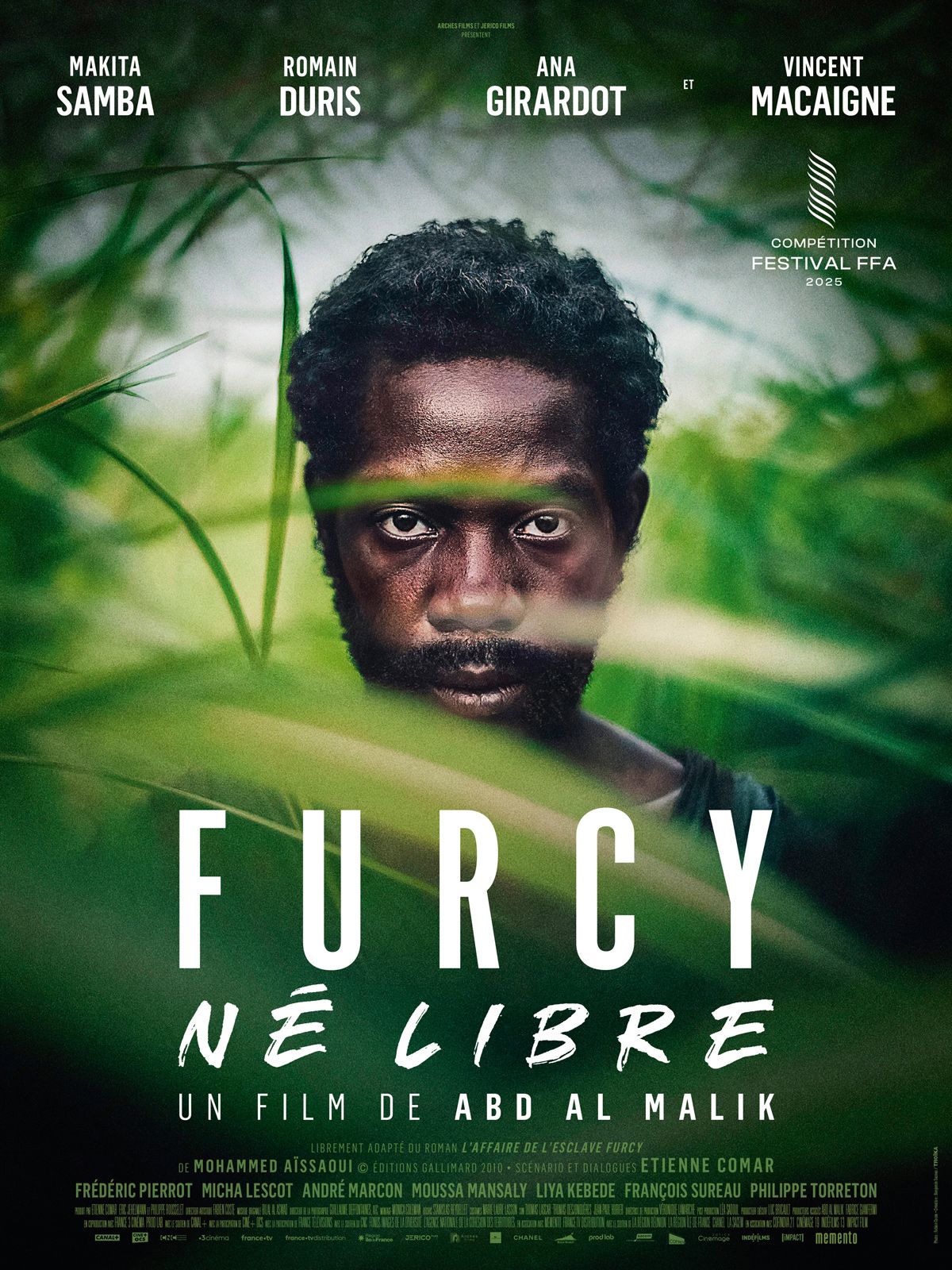
This work naturally finds its place on Nofi: at the crossroads of memory, justice, and Black narratives long rendered invisible. Furcy, Born Free is not merely a film to watch. It is a story to pass on.

