

Slavery, one of the darkest chapters in human history, not only shaped the destiny of millions of individuals but also contributed to the enrichment and economic development of many countries. Nofi examines these nations that greatly benefited from the enslavement of Black people, highlighting the lasting impact of this practice on the global economy.
Portugal and Spain: pioneers of the transatlantic slave trade
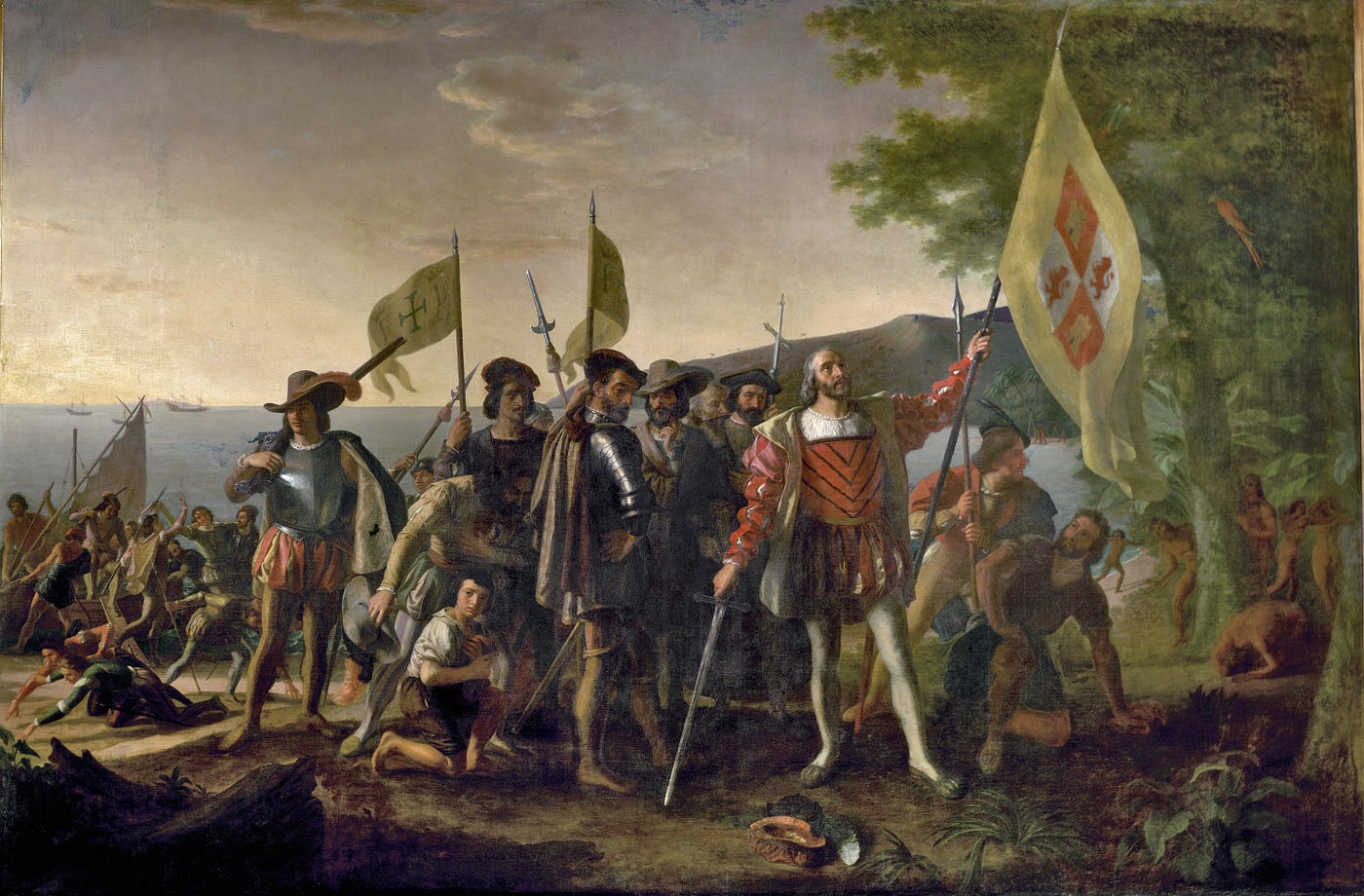
Together, Portugal and Spain were responsible for the deportation of approximately 5.8 million Africans to the Americas. Portugal, in particular, is considered the largest transporter of enslaved people, with around 5.5 million Africans deported.
Portugal and Spain, forward-looking maritime nations, played a decisive role in inaugurating the era of transatlantic exploration. Their quest for new trade routes and unexplored territories led them to discover distant lands, but also to establish the transatlantic slave trade, marking the beginning of a dark chapter in human history. This practice, transformed into a highly profitable enterprise, not only disrupted the lives of millions of Africans but also served as a major economic engine for both countries.
From the 15th century onward, Portugal, driven by figures such as Henry the Navigator, began exploring the West African coast, establishing trading posts that would become the first links in the chain of the slave trade. The Portuguese quickly monopolized the trade in African captives, supplying cheap labor for the sugar plantations of the Atlantic islands and, later, Brazil.
Spain, for its part, followed suit after the discovery of the “New World” by Christopher Columbus in 1492. Spanish conquistadors, in search of gold and wealth in the Americas, also turned to African slavery to exploit the vast conquered territories. The silver mines of Potosí in Bolivia and the sugar plantations of the Caribbean became symbols of this exploitation, where the constant demand for enslaved labor further fueled the trade.
This period marked the beginning of a triangular trade between Europe, Africa, and the Americas, where enslaved people were exchanged for European goods and then transported to the New World. The profits generated by this trade had a profound impact on the Portuguese and Spanish economies, allowing them to rise as global powers of the time.
By transforming slavery into a transatlantic enterprise, Portugal and Spain not only shaped the course of their own economic histories but also left an indelible mark on the world, the repercussions of which are still felt today.
United Kingdom: slavery at the heart of the empire and the industrial revolution
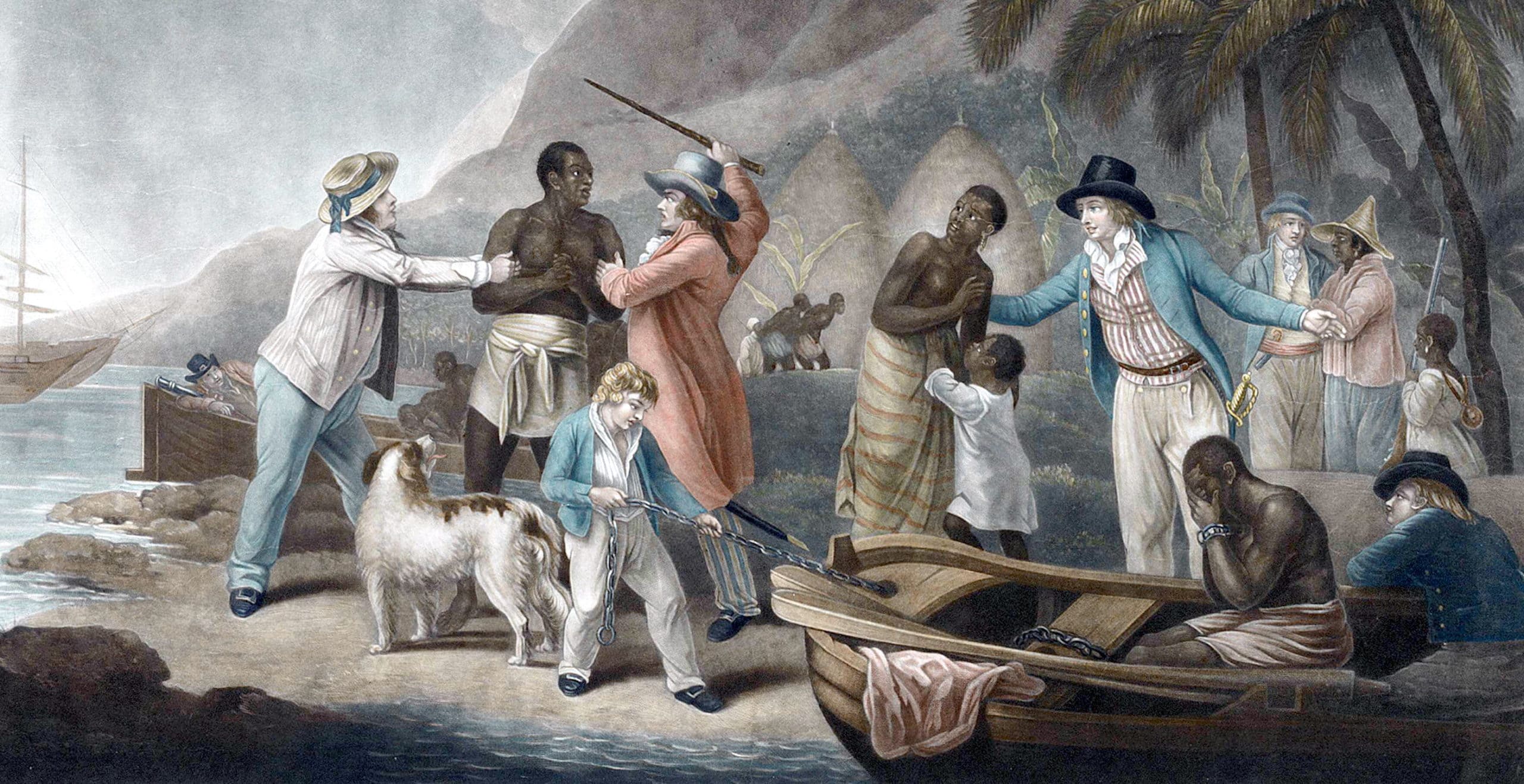
It is estimated that the British transported around 3.1 million Africans to the Americas. The United Kingdom became one of the main actors in the trade.
The United Kingdom played a central role in the history of transatlantic slavery, using this inhumane practice as leverage for the expansion and consolidation of its empire. Through the triangular trade, the United Kingdom not only enriched its coffers but also laid the foundations of the industrial revolution, marking the beginning of an era of global dominance.
The triangular trade refers to the system of exchange between the United Kingdom, Africa, and the Americas. British ships carried manufactured goods to Africa, where they were exchanged for enslaved people. These individuals were then transported to the Americas and sold to work on sugar, tobacco, and cotton plantations. The products of these plantations were finally brought back to the United Kingdom, where their sale generated enormous profits.
This lucrative enterprise had a significant impact on the British economy. The profits derived from the slave trade helped finance emerging industries and stimulate technological innovation, two key elements of the industrial revolution. Port cities such as Liverpool and Bristol prospered thanks to the slave trade, becoming centers of capital accumulation and investment in new technologies.
Moreover, money from slavery contributed to the development of key sectors of the British economy, such as banking, insurance, and shipbuilding. These industries directly benefited from investments and expertise accumulated through the triangular trade, reinforcing the United Kingdom’s position as an industrial and commercial power.
The contribution of slavery to the development of the British Empire and the industrial revolution is undeniable. Although this period marked the beginning of the United Kingdom’s global supremacy, it rests on a legacy of suffering and exploitation. Recognizing the importance of slavery in British history is essential to understanding the deep roots of modernity and the persistent inequalities in today’s world.
France: slavery as a pillar of colonial and metropolitan wealth
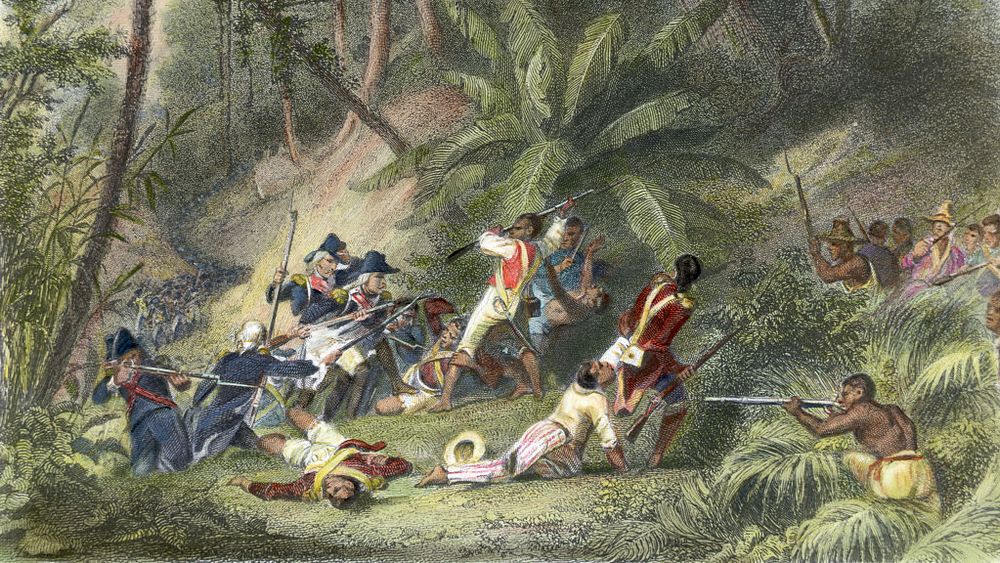
France deported approximately 1.4 million Africans to the Americas. The French Caribbean colonies, such as Saint-Domingue (present-day Haiti), were among the most profitable.
France, a major colonial power, greatly benefited from slavery, particularly in its Caribbean colonies. The exploitation of enslaved Africans on sugar, coffee, and indigo plantations not only contributed to the enrichment of the colonies but also had a significant impact on the metropolitan economy, fueling its growth and development.
The French Caribbean colonies, notably Saint-Domingue (present-day Haiti), Martinique, and Guadeloupe, were among the most prosperous of the French Empire thanks to slavery. Saint-Domingue, in particular, was considered the “pearl of the Antilles” and was the richest colony in the world in the 18th century. The intense exploitation of enslaved Africans on plantations enabled massive production of sugar, coffee, and other tropical goods highly demanded in Europe.
The wealth generated by slave colonies had a profound impact on metropolitan France’s economy. Revenues from the sale of colonial products stimulated trade, finance, and industry. French ports such as Nantes, Bordeaux, and Le Havre prospered through the triangular trade, becoming major economic centers. The enormous profits from slavery also financed infrastructure, public buildings, and works of art, shaping France’s cultural and urban landscape.
The history of slavery in the French Caribbean is also marked by slave revolts, the most notable being the Haitian Revolution (1791–1804), which led to the abolition of slavery and Haiti’s independence. This period deeply influenced debates and policies on slavery in France, ultimately leading to its definitive abolition in 1848.
Slavery undeniably played a key role in France’s enrichment and in the development of its metropolitan economy. Recognizing this dark aspect of French history is crucial for understanding the economic and social dynamics that shaped the country and for addressing the repercussions of this past that still resonate today.
Netherlands: slavery at the heart of 17th-century commercial supremacy
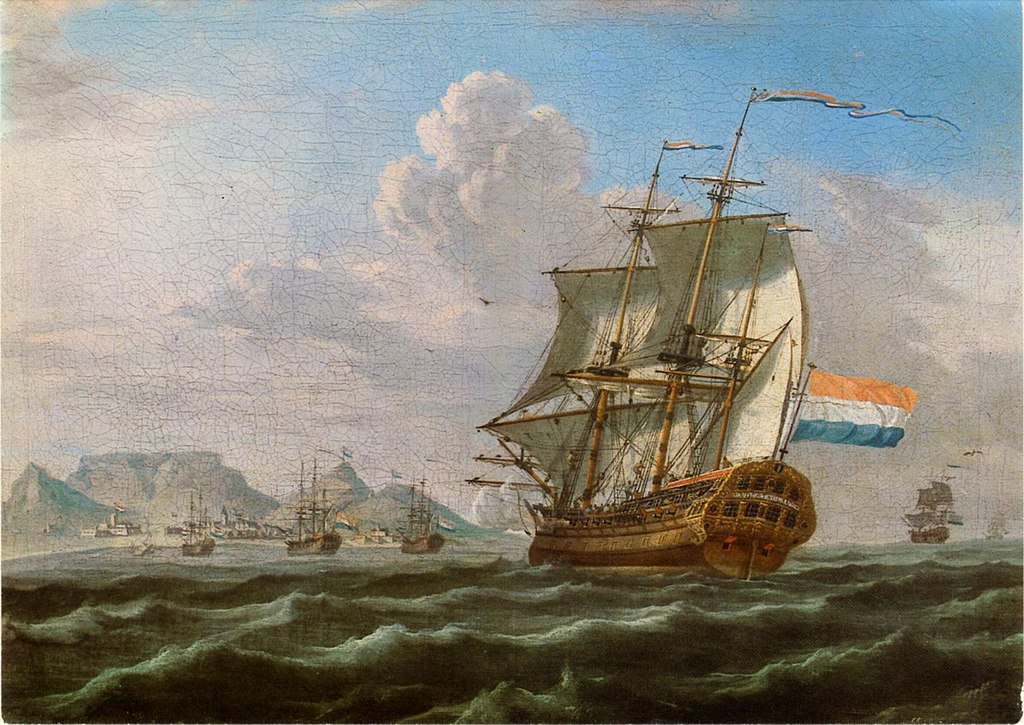
The Dutch transported approximately 550,000 Africans to the Americas. Although less involved than the Portuguese or the British, the Netherlands played a significant role.
In the 17th century, the Netherlands emerged as a dominant commercial power, largely due to its active involvement in the slave trade. The Dutch East India Company (VOC) and the Dutch West India Company (WIC) were key instruments of this expansion, exploiting slavery to maximize profits and establish an essential Dutch presence in global markets.
The VOC, founded in 1602, played a leading role in the trade of spices and other valuable goods in Asia. Although less directly involved in the slave trade than the WIC, the VOC nevertheless benefited indirectly from slavery through its commercial activities in Asia, where it often relied on enslaved labor to produce goods for the European market.
The WIC, established in 1621, was at the heart of Dutch involvement in the transatlantic slave trade. It organized and monopolized the transport of African captives to the Americas, where they were sold to work on sugar, tobacco, and cotton plantations. The profits generated by this trade were immense, significantly contributing to the Dutch economy of the time.
The Netherlands’ engagement in the slave trade was a decisive factor in its commercial success in the 17th century. The wealth accumulated through the slave trade enabled the Dutch to finance other commercial ventures and invest in the largest merchant fleet of the time, consolidating their position as leaders in global trade.
The history of slavery is a dark chapter in Dutch history, long minimized or ignored. However, growing awareness of its importance has led to more critical examination and recognition of the wrongs committed. Current debates on the legacy of slavery in the Netherlands reflect the complexity of confronting this part of national history.
In summary, slavery played a crucial role in establishing Dutch commercial supremacy in the 17th century through the activities of the VOC and WIC. The wealth and power acquired during this period left a lasting imprint on Dutch history and economy, whose effects are still visible today.
United States: slavery as the foundation of economic power
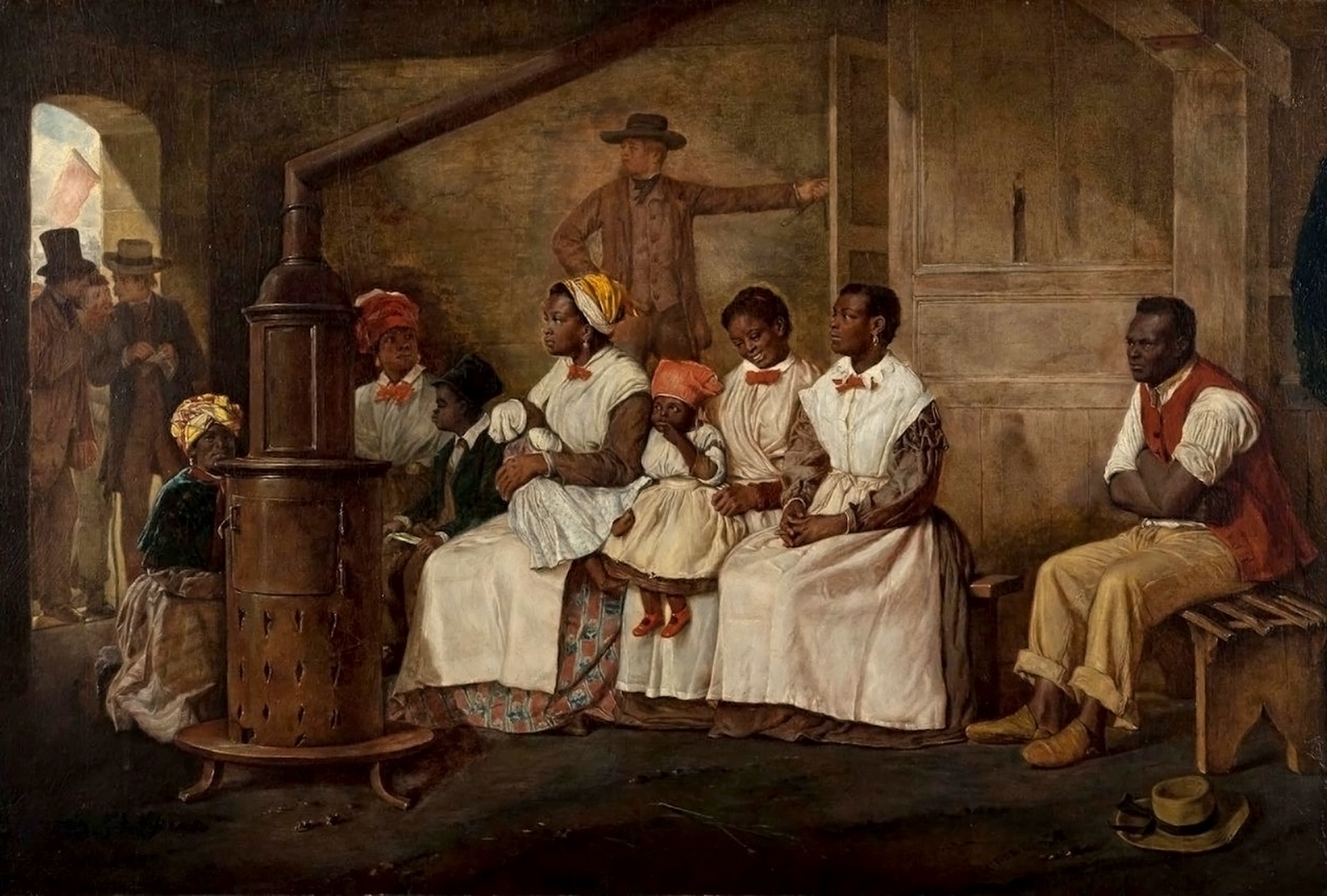
Although the United States as a nation was not directly involved in the transatlantic slave trade for as long as European powers, it is estimated that 305,000 Africans were deported directly to North America. However, the total number of enslaved Africans in the United States increased significantly.
Slavery played a decisive role in the economic development of the United States, particularly in the Southern states, where it served as a fundamental economic engine. This inhumane practice not only shaped the American socio-economic landscape but also laid the foundations for its future economic power.
In the American South, slavery was at the core of the agrarian economy. Cotton, tobacco, sugar, and rice plantations, which required large and inexpensive labor forces, thrived through the exploitation of enslaved Africans. Cotton, in particular, became the main export product of the United States in the 19th century, nicknamed “white gold.” The Southern economy, and by extension that of the United States, relied heavily on slave-based agricultural production, which fed textile industries in Europe and the Northern United States.
Slavery contributed significantly to the wealth and economic development of the United States. Profits generated by the cotton trade financed westward expansion, industrialization, and the construction of infrastructure such as railroads. Additionally, the slave trade itself became a substantial source of revenue, with slave markets flourishing in cities such as New Orleans.
Slavery not only enriched plantation owners and slave traders individually but also played a key role in establishing the United States as a global economic power. Capital accumulated through slavery was reinvested in other economic sectors, contributing to the diversification and growth of the American economy. This laid the foundation for American economic power, albeit on deeply unequal and exploitative grounds.
Slavery was undeniably a key economic driver for the United States, especially in the South, and played a crucial role in the development of American economic power. Recognizing this aspect of American history is essential for understanding persistent racial and economic inequalities and for moving toward a more equitable and inclusive society. The wealth and economic development of the United States are inextricably linked to the history of slavery, a legacy that continues to shape the country today.
Brazil: slavery at the heart of economic rise
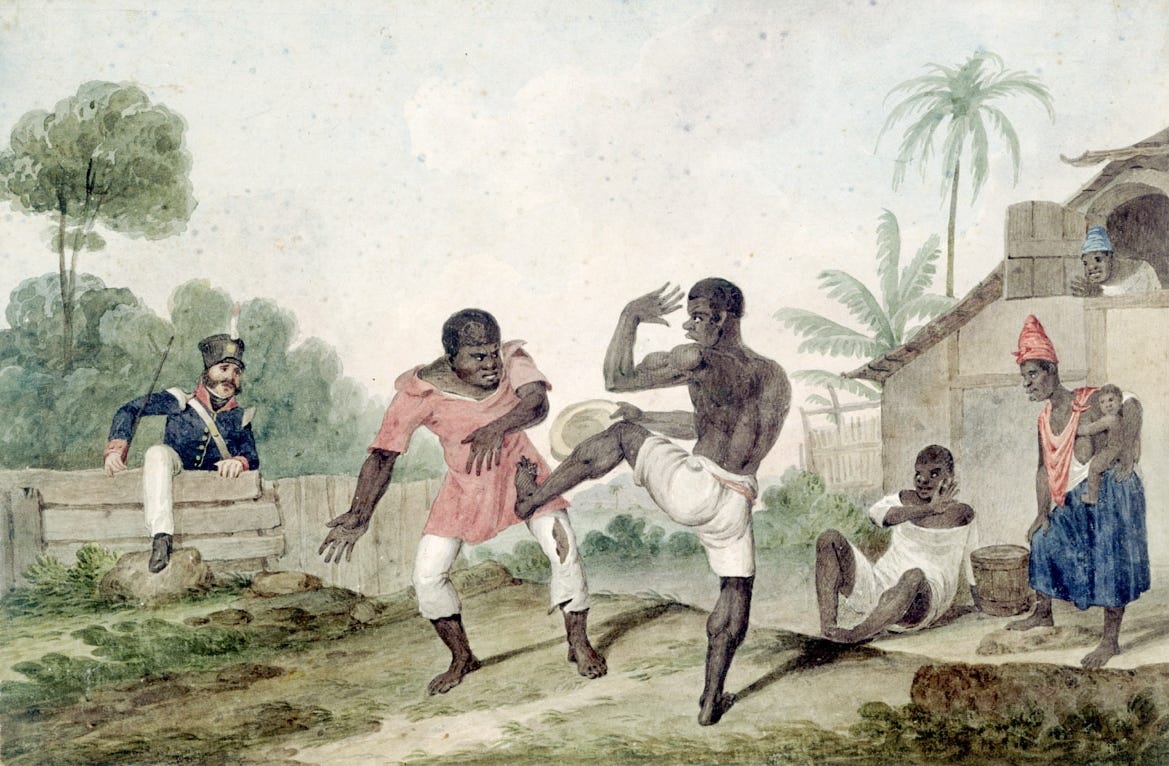
Brazil was the final destination of approximately 4 to 5 million deported Africans, making it the country that received the largest number of enslaved Africans. Brazil was the last country in the Americas to abolish slavery, in 1888.
Brazil, the last country in the Americas to abolish slavery in 1888, relied heavily on enslaved labor to establish itself as a global leader in sugar and coffee production. This exploitation not only shaped the Brazilian economy but also left deep scars on society.
From the 16th century onward, Brazil became the world’s largest producer of sugar, thanks to its vast plantations (engenhos) in the Northeast. This industry was entirely dependent on enslaved African labor, who worked under extremely harsh conditions to cultivate, harvest, and process sugarcane. The profits generated by sugar enriched plantation owners and played a crucial role in the Portuguese colonial economy, making Brazil a cornerstone of the empire.
In the 19th century, with the decline of the sugar industry, coffee became Brazil’s new economic engine. Coffee plantations, concentrated in southeastern regions such as São Paulo and Rio de Janeiro, quickly adopted a model similar to that of sugar plantations, heavily reliant on slavery. Brazil became the world’s leading coffee producer, and this industry contributed to the country’s modernization, financing infrastructure development such as railroads, ports, and cities.
The late abolition of slavery in Brazil had lasting repercussions on Brazilian society, deeply shaping racial and socio-economic relations. Despite abolition, formerly enslaved people and their descendants continued to face segregation and economic exclusion, issues that persist to this day.
The role of slavery in Brazil’s economic development is undeniable. It enabled the country to establish itself as a major player in global sugar and coffee markets, but this success was built on the suffering and exploitation of millions of individuals. Recognizing and understanding this part of Brazilian history is essential to addressing current inequalities and building a more just future for all Brazilians.
The enduring legacy of slavery in certain countries
Countries that economically benefited from slavery saw their national trajectories shaped by this inhumane practice, laying the foundations of their future prosperity at the cost of unspeakable suffering. However, the legacy of slavery extends beyond economic borders, deeply affecting the social and cultural fabric of these nations, leaving behind a trail of injustice and division that continues to impact generations.
We invite you to further explore the history of slavery on nofi.media and to support initiatives dedicated to repairing historical injustices.


