

Between April 6 and July 1994, Rwanda was the scene of a horrifying genocide in which 800,000 to 1 million Tutsi were killed, with the support of France. This act of extreme violence was made possible by collusion between the government, the media, and certain NGOs.
The outbreak of the Rwandan genocide: the tragic night of April 6, 1994
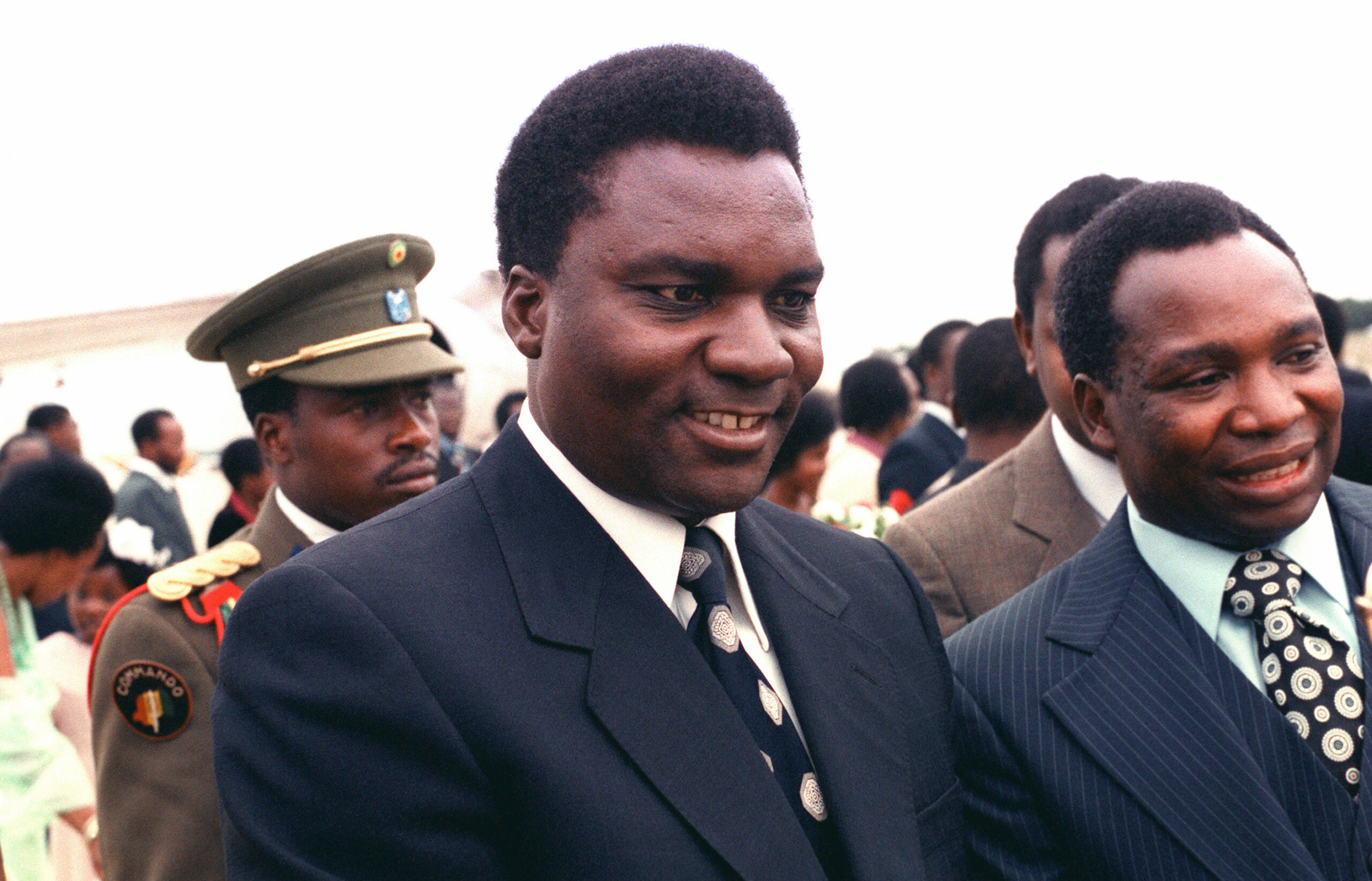
On April 6, 1994, a tragedy shook Rwanda and the Great Lakes region, marking the beginning of one of the most devastating genocides in modern history. Rwandan president Juvénal Habyarimana, returning from Tanzania after a crucial meeting with heads of state, was planning to announce a new transitional government. However, his plane, a Falcon offered by François Mitterrand, was shot down by two surface-to-air missiles near Kigali, killing him as well as Cyprien Ntaryamira, the president of Burundi, who was also on board.
This attack immediately plunged the country into chaos. Hutu authorities quickly spread rumors accusing the Rwandan Patriotic Front (RPF) and Belgian soldiers from UNAMIR of being behind the assassination, exacerbating pre-existing tensions. Shortly afterward, an orchestrated campaign of massacres began, initially targeting opposition figures, mostly Hutu, with unimaginable brutality. On the very first night, 30,000 people were killed.
This was only the beginning of a spiral of violence that spread across the country, specifically targeting the Tutsi population. This genocide, facilitated by deep collusion between political power, certain media outlets, and NGOs, led to the systematic extermination of 800,000 to 1 million Tutsi and moderate Hutu over a period of three months, under the helpless gaze of the international community.
The escalation of the Rwandan genocide: between horror and resistance
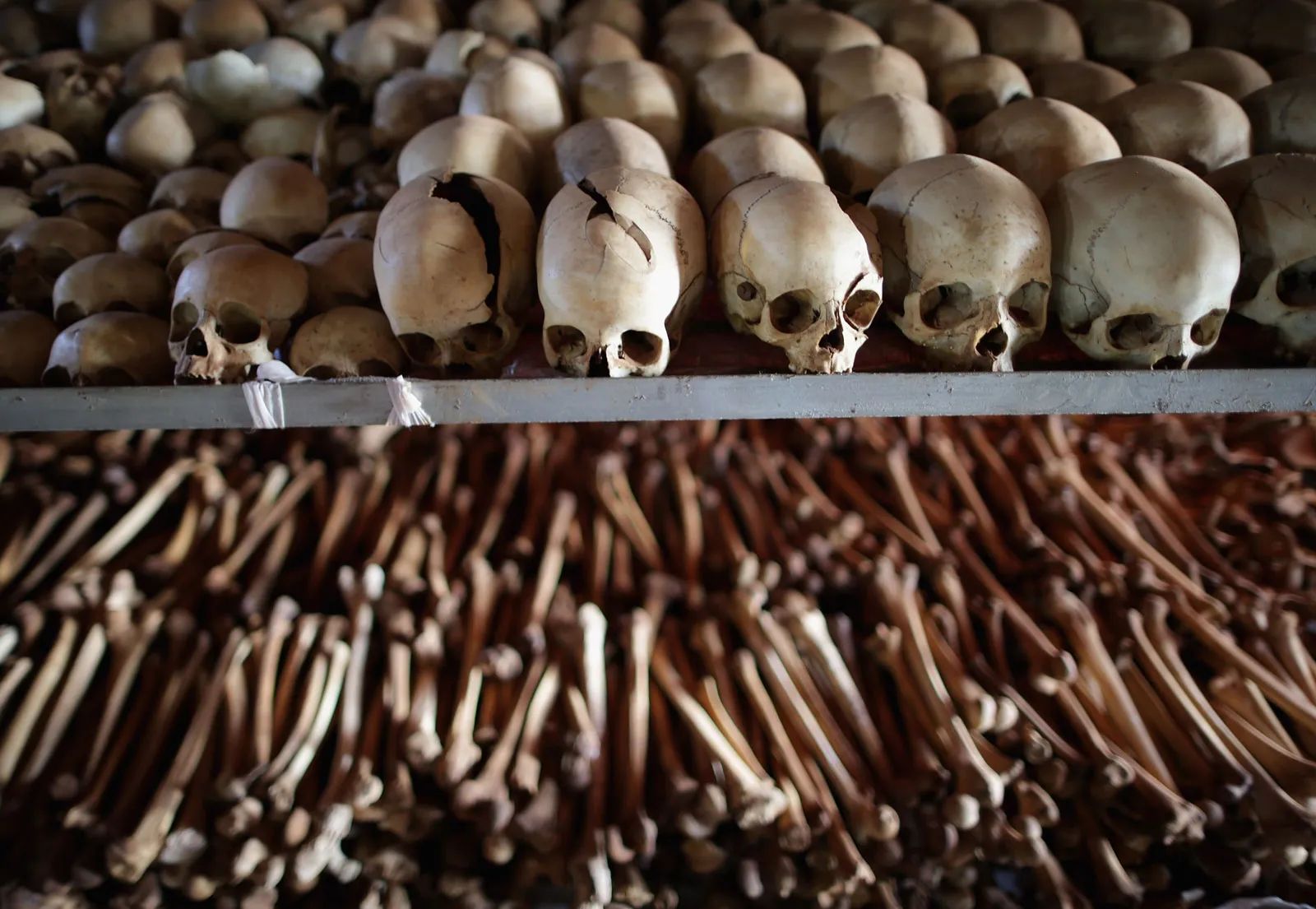
On April 8, 1994, the Rwandan Patriotic Front (RPF) launched a desperate struggle to regain control of Kigali, marking the beginning of a tragic confrontation with genocidal forces. Despite the unimaginable brutality of the massacres, the RPF remained determined to end the horror.
The atrocities committed during this period were of extreme violence. Under the influence of propaganda media such as Kangura and Radio Télévision Libre des Mille Collines, a segment of the Hutu population embarked on a systematic campaign of terror against the Tutsi. Calls for extermination echoed over the airwaves, inciting mass murder and glorifying these barbaric acts as a divine mission.
In remote regions far from the capital, local authorities and Hutu figures of authority encouraged the population to participate in the killings, turning ordinary citizens into executors of a planned genocide. Those who refused to comply with this murderous frenzy risked death themselves.
Armed mainly with machetes and grenades, the genocidaires managed to kill around 1 million people in just three months, an unprecedented act of cruelty carried out under the indifferent gaze of international forces present in the country.
Throughout this dark period, France’s unwavering support for the interim government, composed exclusively of genocide supporters, underscored the controversial involvement of foreign powers in the Rwandan conflict.
Historical roots of unity and division in Rwanda
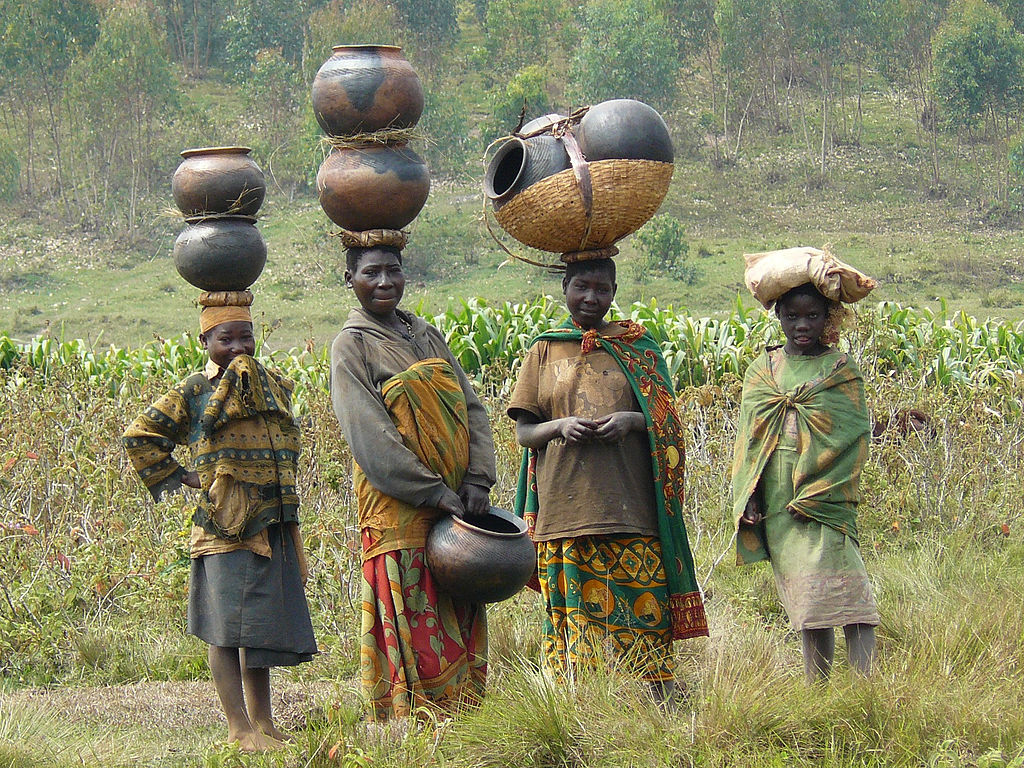
To fully grasp the origins of the Rwandan tragedy, it is necessary to look at pre-genocide history. Before the fateful year of 1994, Rwandan society was characterized by an ethnic composition largely made up of Hutu (85%), followed by Tutsi (14%) and a small minority of Twa (1%).
Despite these ethnic distinctions, Rwandans shared a common language, a homogeneous culture, and similar religious beliefs. This peaceful coexistence highlights that, until the early 20th century, ethnic differences in Rwanda were perceived more as variations within a single national community rather than deep divisions. Rwandan identity was shaped by multiple factors, including belonging to regions, social classes, or clans, reflecting a society where diversity existed within an overall framework of unity.
The colonial legacy and the roots of the Rwandan conflict
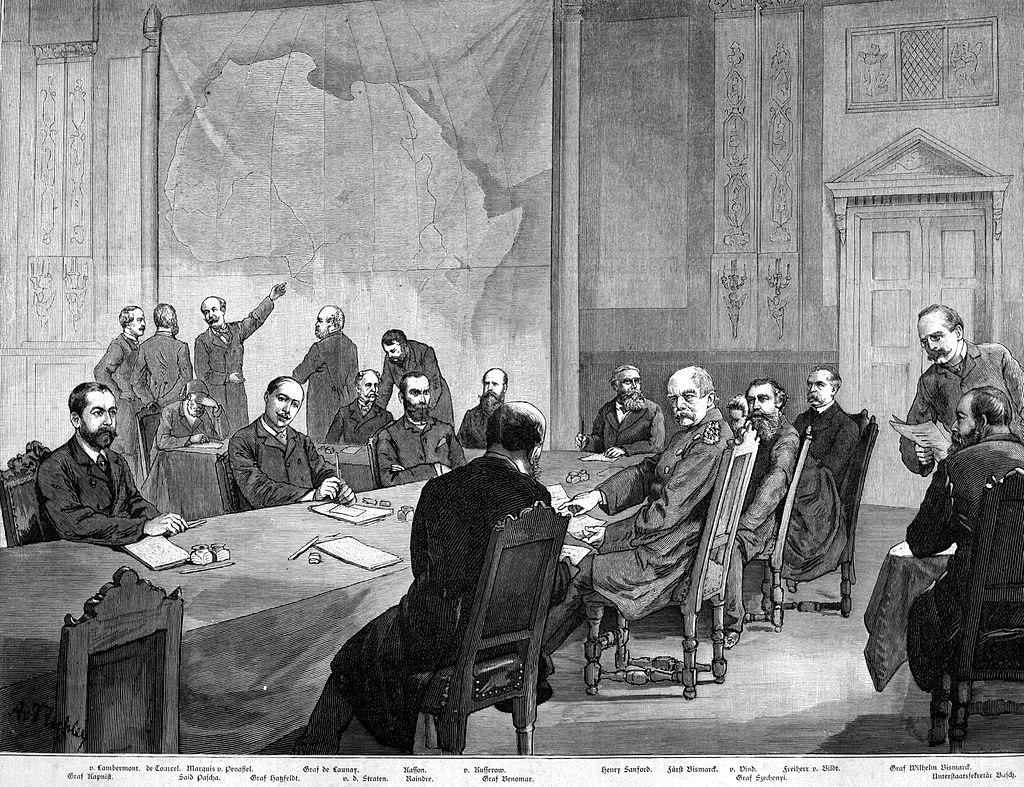
The Berlin Conference in 1885 marked the beginning of European colonization in Rwanda, initially under German rule, then placed under Belgian control in 1924 by decision of the League of Nations. This colonial period introduced a rigid system of ethnic classification, assigning racial stereotypes to Rwandan groups: the Twa were labeled as pygmies, the Tutsi as a Semitic-Hamitic elite, and the Hutu as inferior, thereby solidifying the foundations of deep division.
Under Belgian administration, a Tutsi elite was favored, reinforcing its role in colonial governance. However, with the rise of African independence movements, the Tutsi began to demand autonomy, not only from Belgium but also from the influence of the Catholic Church. In response, Belgium shifted its support toward the Hutu majority, implementing a policy of “majority democracy” that exacerbated ethnic tensions.
This reversal of alliances led to violent events, notably the “Rwandan Toussaint” of 1959, during which many Tutsi were forced into exile following pogroms. These violences persisted until Rwanda’s independence in 1962 and beyond, fueling a cycle of persecution against Tutsi. As a result, many Tutsi exiles in Uganda formed the Rwandan Patriotic Front (RPF), determined to fight for their right of return and for the establishment of a democratic regime in Kigali.
Additionally, a regional divide developed between Hutu from the Center-South and those from the North, the latter being associated with the regime of Juvénal Habyarimana, who seized power in a coup in 1973. This internal dynamic contributed to the complexity of ethnic and political tensions, laying the groundwork for the 1994 genocide, where the first victims were members of the Hutu opposition from the Center-South.
This historical retrospective reveals how colonial policies and post-colonial manipulations sowed the seeds of the Rwandan conflict, inevitably leading to one of the most devastating tragedies of the 20th century.
The Arusha Accords: hopes and betrayals preceding the genocide
As early as 1992, under international pressure from major donors including the World Bank and the European Union, Rwandan president Juvénal Habyarimana was pushed toward negotiations aimed at sharing power. This initiative sought to include not only Hutu from the Center and South but also Tutsi and members of the diaspora in Rwanda’s governance.
The rise of the Rwandan Patriotic Front (RPF), strengthened by its military support and base in Uganda, accelerated the process that led to the historic Arusha Accords in August 1993. These agreements promised the advent of multiparty politics and the integration of RPF forces into the national army, marking a potential turning point toward peace and reconciliation.
However, behind promises of unity, fierce resistance emerged from northern Hutu close to president Habyarimana. Fearing the loss of their privileges and the consequences of the accords—particularly the integration of RPF forces and redistribution of political positions—they adopted a strategy of double discourse. Publicly, they supported the agreements, while behind the scenes, they actively prepared the ground for violent confrontation.
The period preceding the genocide was marked by alarming signs of preparation for large-scale massacres, ignored or minimized by the international community, including France. Serious accusations were made against French officials, accused of training the Interahamwe militias and participating in planning the genocide.
Théoneste Bagosora, a central figure of the regime and future architect of the genocide, openly announced his intention to “prepare the apocalypse” upon returning from Arusha in January 1993. This ominous declaration foreshadowed the tragedy to come, despite the hopes for peace raised by the accords.
The massive importation of weapons during this period, in blatant contradiction with the peace objectives of the Arusha Accords, revealed the duplicity of the regime and its commitment to a path inevitably leading to genocide.
The arms suppliers of the Rwandan genocide: international complicity
From 1990 to 1994, an international network of arms suppliers, led by France and Egypt, played a crucial role in arming Juvénal Habyarimana’s regime in Rwanda. With a $6 million investment in Egyptian weapons in 1992, facilitated by Crédit Lyonnais, this collaboration significantly strengthened the military capacity of the Rwandan government.
During the period preceding the 1994 genocide, the arsenal available to the Rwandan army was diverse and sourced from multiple countries. It included Kalashnikovs made in Albania, Czech-designed grenades, Israeli Uzis, American M16 rifles, as well as Egyptian weapons and ammunition. More alarmingly, around 500,000 machetes imported from China between 1993 and 1994—officially to support agricultural work—were diverted to serve as tools of massacre during the genocide.
This large-scale distribution of weapons, under the guise of economic activity or agricultural support, reveals international complicity in the preparation of the Rwandan genocide. By fueling the conflict, arms suppliers indirectly facilitated the implementation of one of the greatest tragedies of the late 20th century.
France’s involvement in Rwanda: between support and controversy
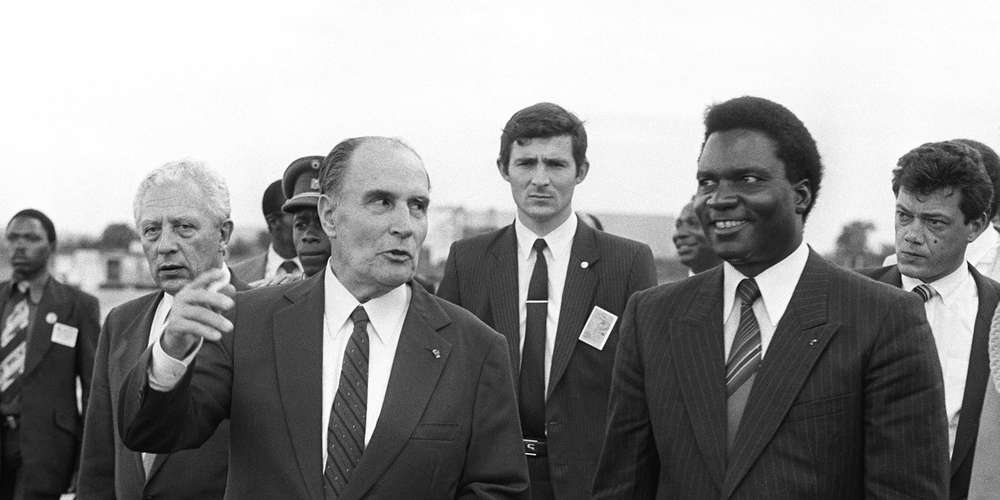
At the dawn of the 1990s, under the presidency of François Mitterrand, France played a significant role in supporting the Rwandan regime of Juvénal Habyarimana, then facing attacks from the Rwandan Patriotic Front (RPF). This period saw direct French intervention, marked by the deployment of military forces and substantial logistical support, which profoundly influenced the course of events in Rwanda.
In October 1990, a rapid intervention was launched following a request from Habyarimana to Jean-Christophe Mitterrand, head of the African cell at the Élysée, leading to the deployment of French paratroopers to counter the RPF advance. This operation, supported by members of the DGSE, marked the beginning of direct French military involvement, with Colonel Thibaut acting as an advisor to Habyarimana.
France’s engagement intensified in February 1993, when, under the pretext of protecting French nationals, elite troops were deployed to fight alongside the Rwandan Armed Forces (FAR), preventing the RPF from capturing Kigali. This action not only reinforced the Habyarimana regime but also helped maintain a power structure that would go on to carry out the genocide of the Tutsi.
France’s support was not limited to military assistance; it also included substantial logistical and financial backing, enabling the FAR to grow from 5,000 to 40,000 men. Although France officially withdrew its troops in December 1993, its influence and support for the Rwandan regime continued to spark controversy, particularly when, in May 1994, at the height of the genocidal crisis, key figures of the Rwandan government were received at the Élysée and Quai d’Orsay.
This period in Franco-Rwandan history raises complex questions about responsibility and the consequences of political and military engagement, highlighting the ethical and strategic dilemmas faced by international powers in their relations with authoritarian regimes.
The turning point of the conflict: the RPF advance and late French intervention
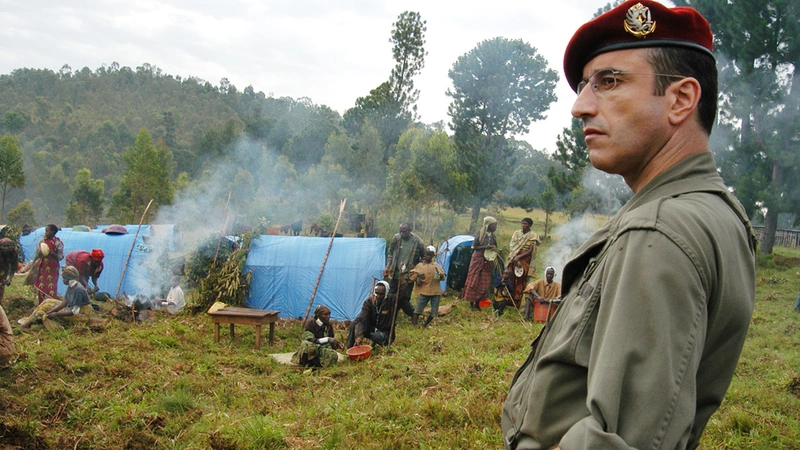
While France maintained a common position with the Rwandan interim government at the UN, resisting the use of the term “genocide” to describe the events in Rwanda despite a tragic toll of 500,000 deaths by mid-May, its direct influence on the ground was weakening compared to previous years. Paris’s inability to intervene openly, as it had done in the early 1990s, marked a significant shift in the dynamics of the conflict.
Despite considerable international support in arms for the Rwandan Armed Forces (FAR), the Rwandan Patriotic Front (RPF) continued to advance, regaining control of northern and eastern Rwanda. This progress revealed the extent of the atrocities committed, with the discovery of mass graves testifying to the brutality of the genocide.
By mid-June, the situation for the FAR had become desperate, leading to a massive flight of Hutu authorities and the army toward the Democratic Republic of Congo (DRC), then called Zaire. It was in this context that France decided to intervene again in Rwanda—a surprising decision given that the majority of Tutsi victims had already perished.
This late French intervention, under the pretext of humanitarian operations, raises questions about the real motivations and consequences of its actions in the post-genocide context. French involvement in the final phases of the Rwandan conflict illustrates the complexity of international interventions in humanitarian and political crises, often shaped by geopolitical interests and strategic calculations.
Operation Turquoise: controversies and consequences of a French intervention
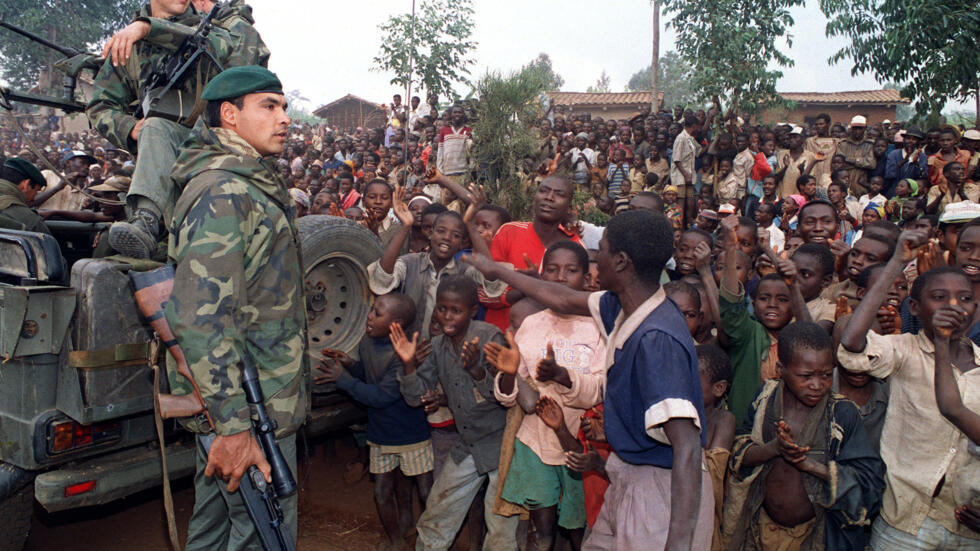
Operation Turquoise, officially launched by France under the mandate of a military-humanitarian mission, sparked intense controversy regarding its true intentions and impacts in Rwanda. Presented as an effort to establish a “safe humanitarian zone” for Hutu refugees fleeing the advance of the Rwandan Patriotic Front (RPF), the operation instead served as a cover for less altruistic objectives.
In reality, Operation Turquoise facilitated the escape of the Rwandan Armed Forces (FAR) and the exfiltration of senior Hutu officials involved in the genocide to Zaire (now the Democratic Republic of Congo), allowing them to avoid capture and prosecution for their crimes. This zone, far from being a haven of peace, became the final stage of massacres against the Tutsi, perpetuating genocidal violence under the guise of humanitarian action.
The impact of this operation extended far beyond Rwanda’s borders. The genocidaires, now holding refugee status in Zaire, benefited from substantial international aid without any disarmament conditions being imposed. This assistance enabled those responsible for the genocide to regroup, organize military training camps, and launch attacks against Rwanda, while spreading ethnic violence in eastern Zaire.
Operation Turquoise thus contributed to a rewriting of the narrative surrounding the Rwandan genocide, transforming perpetrators of massacres into victims of circumstance and obscuring the memory of the true Tutsi victims. This intervention exposed the limits and dangers of humanitarian action when manipulated by political interests, highlighting the need for greater vigilance and accountability in managing humanitarian crises.
The role of French media in covering the Rwandan genocide
In the aftermath of the attack on President Habyarimana, French media quickly adopted a reductive narrative of events in Rwanda, focusing on accounts of ancestral interethnic violence, thereby obscuring the underlying political dynamics. This approach contributed to oversimplifying the complexity of the Rwandan genocide, presenting it as an inevitable tribal conflict rather than an avoidable humanitarian catastrophe.
From the beginning of the genocide in April, editorial directives were issued to limit coverage to the repatriation of French citizens, minimizing the scale of the violence on the ground. This orientation reflected a disengaged and sometimes racist view of African crises, ignoring calls for deeper understanding and meaningful intervention.
As the genocide progressed, media coverage diversified slightly, addressing the humanitarian emergency linked to cholera without questioning international responsibilities, particularly those of France, in the escalation of the conflict. Operation Turquoise was presented by some commentators as a lifesaving intervention, concealing its controversial implications and its role in perpetuating the genocide.
The French media institution, by focusing on simplified narratives and neglecting criticism of France’s actions in Rwanda, missed a crucial opportunity to hold international actors accountable. Voices such as that of Stephen Smith from Libération relayed official French denials regarding arms deliveries without questioning them, despite overwhelming evidence to the contrary.
The media coverage of the Rwandan genocide in France thus revealed the limits of journalistic objectivity in the face of major political and ethical issues, underscoring the need for increased vigilance in reporting on humanitarian crises.
Questions about France’s engagement in Rwanda: arms and advisory roles
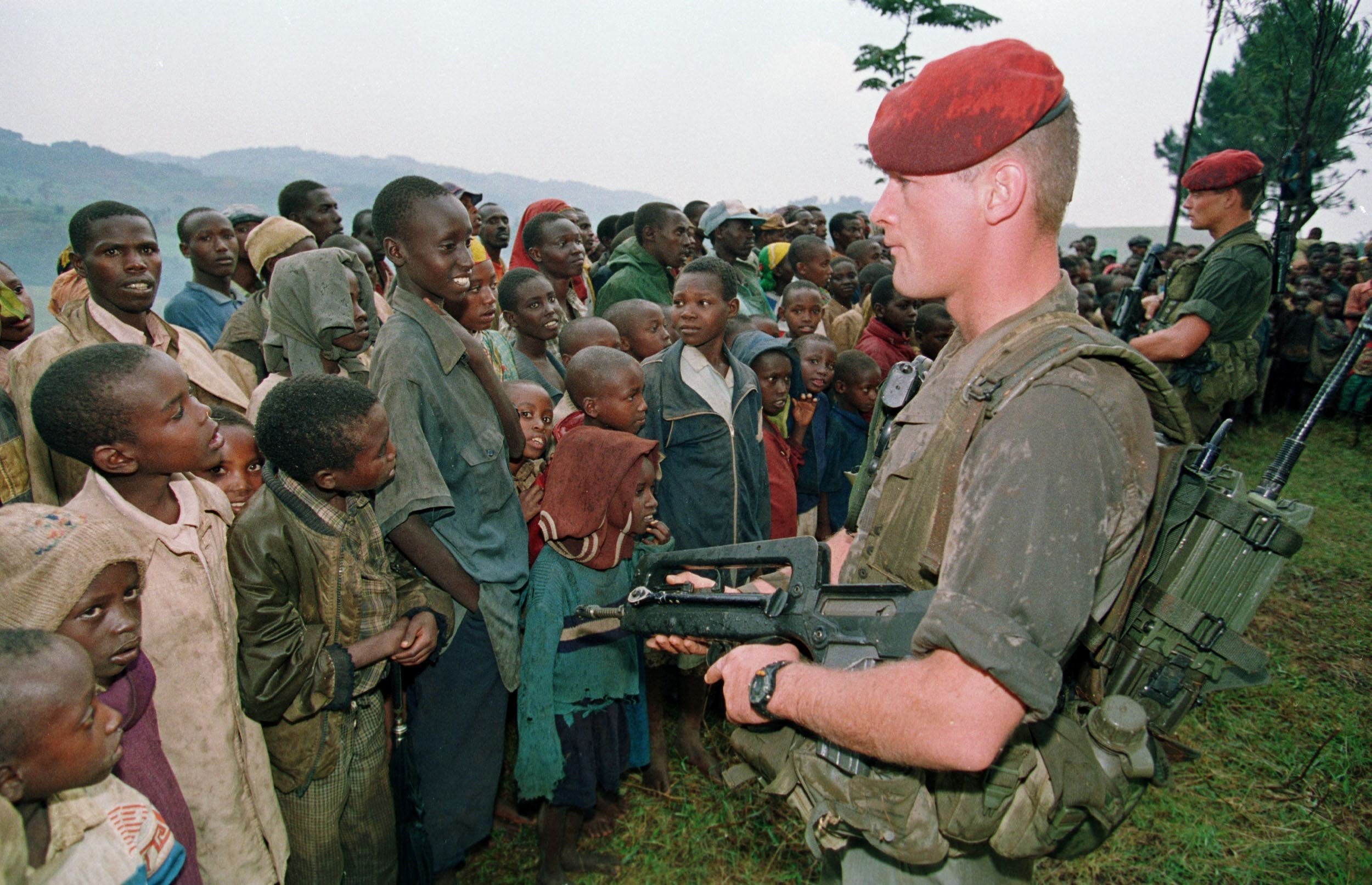
France’s actions in Rwanda, particularly regarding military support to Hutu forces, raise crucial questions about its role before and during the Rwandan genocide. Three major issues emerge, requiring in-depth analysis:
- Continuation of armed support after the Arusha Accords: Despite the signing of the Arusha Accords on August 4, 1993, which aimed to establish lasting peace and equitable power-sharing in Rwanda, evidence suggests that France continued to supply arms to Hutu factions. This assistance may have contradicted the spirit of reconciliation and disarmament promoted by the agreements.
- Assistance to Hutu Power after the start of the genocide: From April 6, 1994, the date marking the beginning of the genocide, indications suggest continued French support in terms of weapons and military advice to the Hutu regime and militias responsible for the massacres. This involvement raises ethical and legal questions about France’s responsibility in the escalation of violence.
- Cooperation despite the United Nations embargo: On May 17, 1994, the UN imposed an arms embargo on Rwanda to limit access to instruments of violence. However, reports indicate that France may have circumvented this embargo, continuing to provide material and strategic support to Hutu forces.
These questions highlight the complexity of French involvement in Rwanda, between declared intentions of supporting peace and actions that, according to some, may have fueled the conflict. They call for critical reflection on international involvement in national crises, emphasizing the importance of transparency and accountability in foreign interventions.
Revelations and denials: France facing accusations of assistance in the Rwandan genocide
Revelations regarding France’s involvement in supporting the Rwandan regime during the 1994 genocide sparked heated debate and official denials. A document discovered in Kigali, dating from May 1994, attests to the visit of Colonel Rwabalinda to Paris, where he met Jean-Pierre Huchon to discuss the urgent needs of the Rwandan army. This meeting, which took place in the midst of the genocide, raises questions about France’s role in providing logistical support to the forces responsible for the massacres.
Despite denials, evidence indicates that France continued to supply arms and communication equipment to the Rwandan army, even after the UN arms embargo in May 1994. These actions contradict French claims of neutrality or purely humanitarian engagement through Operation Turquoise.
French media, influenced by Françafrique perspectives, often presented a biased view of the Rwandan conflict, criticizing the RPF government and its president Paul Kagame while minimizing French responsibility. Stephen Smith of Libération is particularly cited for articles that appear to echo narratives from supporters of the genocidal regime.
This media coverage, by failing to seriously question France’s involvement, contributed to obscuring public understanding of events and delaying the pursuit of truth and justice for genocide victims. Despite the controversies, the decisive role of the Rwandan Patriotic Front in ending the genocide remains undeniable, bringing an end to one of the darkest periods in recent history.
To this day, calls for a thorough and transparent investigation into France’s support for the Rwandan genocidal regime remain largely unanswered, leaving an open chapter in the history of international relations and global justice.
The arms suppliers of the Rwandan genocide: revelations and denials
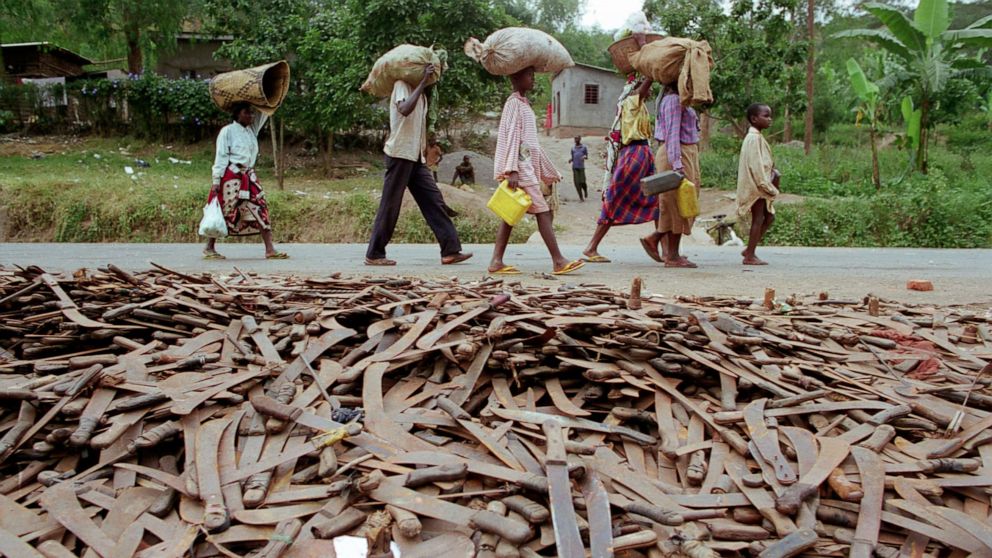
Investigations and reports have shed light on the role of certain companies in supplying arms and ammunition to the Rwandan regime before and during the 1994 genocide, despite systematic denials by these entities. Among them, Sofremas (French Company for the Operation of Armament Equipment and Systems) was identified by Channel 4, which exposed documents attesting to arms transactions with the Rwandan government.
Similarly, France Info, through journalist Nicolas Poincaré, revealed documents from Luchaire, a company under the control of GIAT Industries, detailing arms deliveries that contributed to fueling the Rwandan conflict. These revelations were complemented by information from the newspaper De Morgen, pointing to the German group Herstal, also linked to GIAT Industries, for supplying ammunition via Kenya to militias and Rwandan armed forces that had fled to Zaire.
These findings highlight the complexity of arms supply networks and the difficulty of traceability, emphasizing the challenges of international regulation in controlling arms sales. They also reveal the strategies of denial employed by the companies involved, despite evidence of their participation in a trade that facilitated one of the greatest tragedies of the late 20th century.
Key references on analyzing France’s role in the Rwandan genocide
To deepen understanding of the Rwandan genocide and specifically examine French involvement, two works stand out for their detailed analysis and revelations:
- “Rwanda un génocide français” by Mehdi Ba: This work offers a critical perspective on France’s support for the Rwandan regime before and during the 1994 genocide. Through rigorous documentation, Mehdi Ba explores the political, military, and diplomatic dimensions of French engagement in Rwanda, highlighting decisions and actions that contributed to the escalation of the conflict.
- “Silent Accomplice” by Andrew Wallis: In this book, Andrew Wallis examines the role of international actors, with a particular focus on France, in their response to the Rwandan genocide. The author details how inaction—or even active support for certain forces—served as a silent complicity in the perpetration of the genocide.
These works are essential resources for anyone seeking to understand the complexity of the events that led to the Rwandan genocide, as well as the impact of foreign interventions on the course and outcome of this tragedy. They invite reflection on international responsibilities in preventing genocides and protecting human rights.
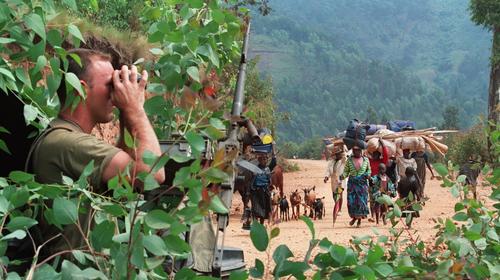
- RPF (Rwandan Patriotic Front): Liberation movement composed mainly of Tutsi in exile. The RPF launched a military offensive against the Rwandan government in 1990, culminating in its victory in July 1994, bringing the genocide to an end. ↩︎
- FAR (Rwandan Armed Forces): The government army of Rwanda before and during the 1994 genocide. The FAR played a central role in the planning and execution of the genocide against the Tutsi and moderate Hutu. ↩︎


