

Discover Mamari Biton Coulibaly, the visionary founder of the Bambara Kingdom of Ségou in the 18th century, and explore his lasting impact on the history and culture of Mali.
Mamari Biton Coulibaly, also known as Biton, is a historical figure of West Africa who founded the Bambara Kingdom of Ségou in the 18th century. His life and reign mark a significant turning point in the history of Mali, characterized by astute leadership and a profound social and political transformation of the Ségou region.
Origins and foundation of Ségou
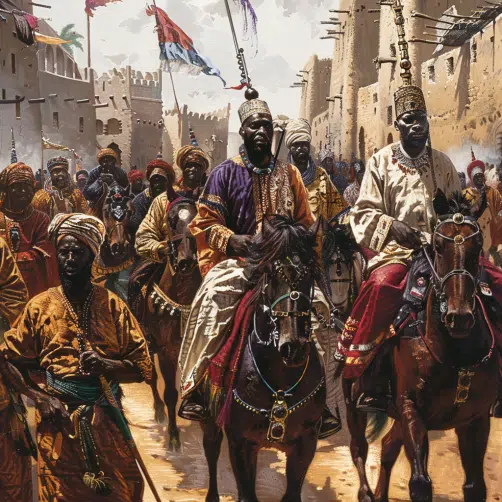
The Bambaras, or Bamana, descendants of the medieval Mali Empire, have a rich and complex history. According to accounts, Mamari Coulibaly was born during a period of great migrations and conflicts. The story goes that two brothers, Niangolo and Baramangolo, arriving from the mountainous region of Kong (present-day Côte d’Ivoire), settled near the Niger River. Their initiatory journey and the conflicts that followed are said to have given rise to several Bambara kingdoms, including that of Ségou.
Around 1689, Mamari, along with his mother, left the town of Bendougou for Ségou, where he would soon establish his authority. His legitimacy was reinforced by his association with Faro, a respected aquatic deity, and by his role within the Ton, an association of young men dedicated to the defense of local communities.
The reign of Biton
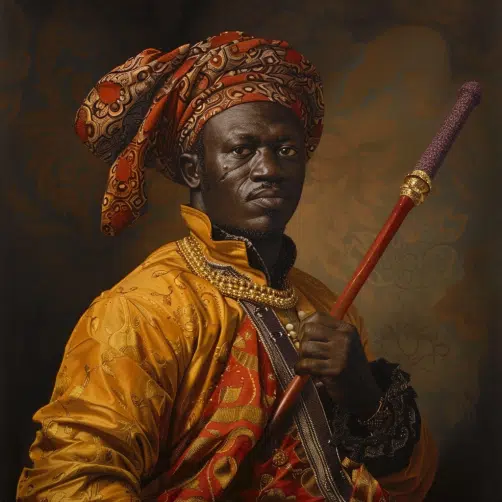
As leader of the Ton, Mamari Biton Coulibaly reorganized this militia into an effective military force. Through cunning and strength, he extended his authority over many villages, imposing taxes and thereby consolidating his power. This period saw the transformation of Ségou from a cluster of neighborhoods into a structured kingdom, equipped with a sophisticated military and social organization.
Under his reign, the Kingdom of Ségou prospered, notably thanks to an economy based on agriculture, fishing, and hunting, but also through trade and diplomacy. Biton managed to protect his kingdom from incursions by neighboring peoples while skillfully navigating a complex network of alliances and rivalries.
Legacy and end of the reign
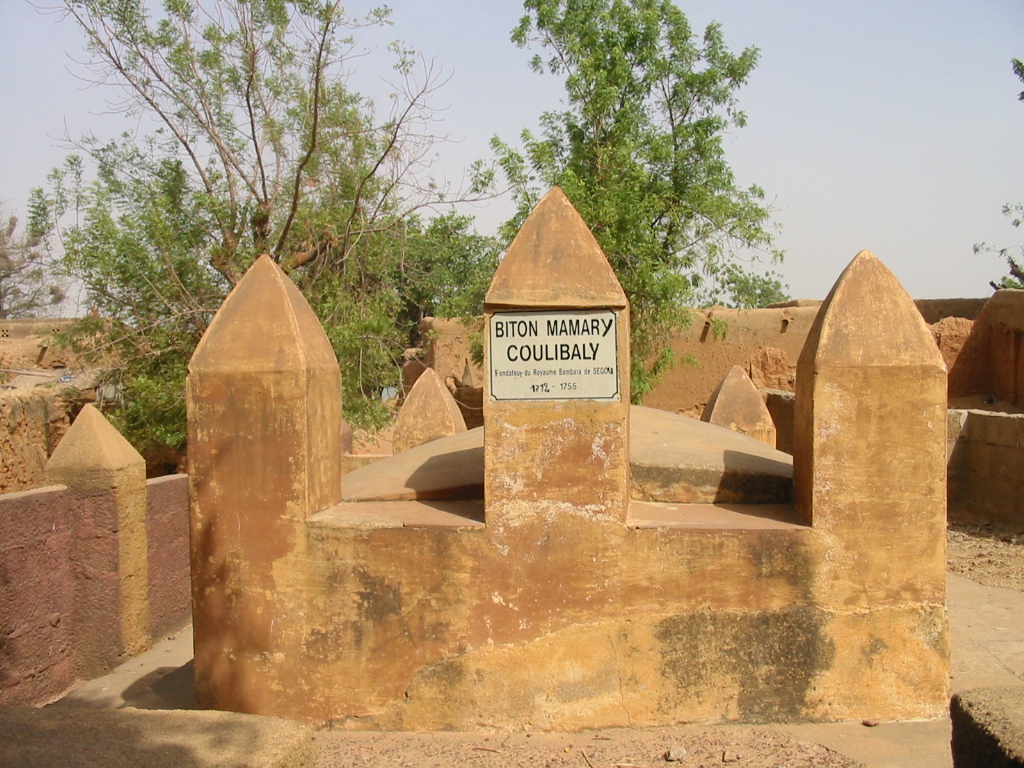
The Kingdom of Ségou lasted until the 1860s, when El Hadj Oumar Tall, a Toucouleur conqueror, brought an end to its independence. However, the impact of Mamari Biton Coulibaly on the history of the region remains significant. His leadership not only stabilized and enriched Ségou but also laid the foundations of Bambara resistance and identity in the face of future challenges.
Reflections on the figure of Mamari Biton Coulibaly
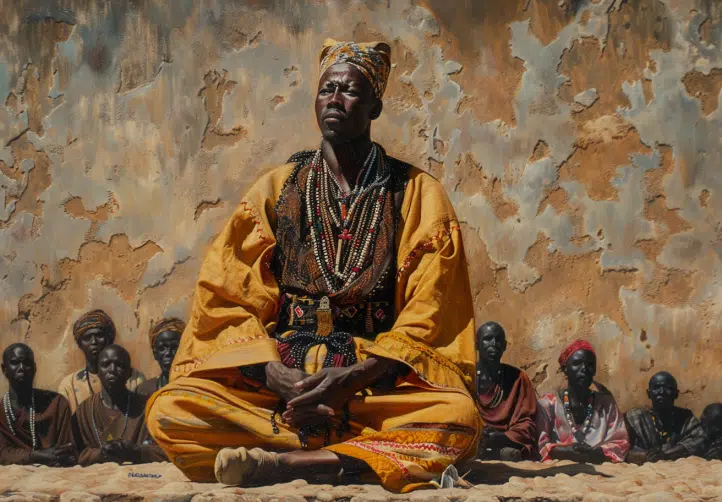
The figure of Mamari Biton Coulibaly is emblematic of the complexity of African history, where myths, political realities, and social dynamics intertwine. His story reminds us of the importance of leaders in the formation of nations and cultures. Today, his legacy can still be felt in Ségou and beyond, where he is celebrated as a national hero, a strategist, and a nation builder.
Bibliography:
Sundiata A. K. Djata, The Bamana Empire by the Niger: Kingdom, Jihad and Colonization 1712–1920


