
Nofi invites you to discover Leo Frobenius’s observations on the African civilizations encountered by European explorers, which stand in stark contrast to the negrophobic propaganda of the time.
When the first European explorers arrived in Africa, they did not encounter half-naked savages swinging from branch to branch with bones in their noses, but civilized men and women.
Leo Frobenius’s observations
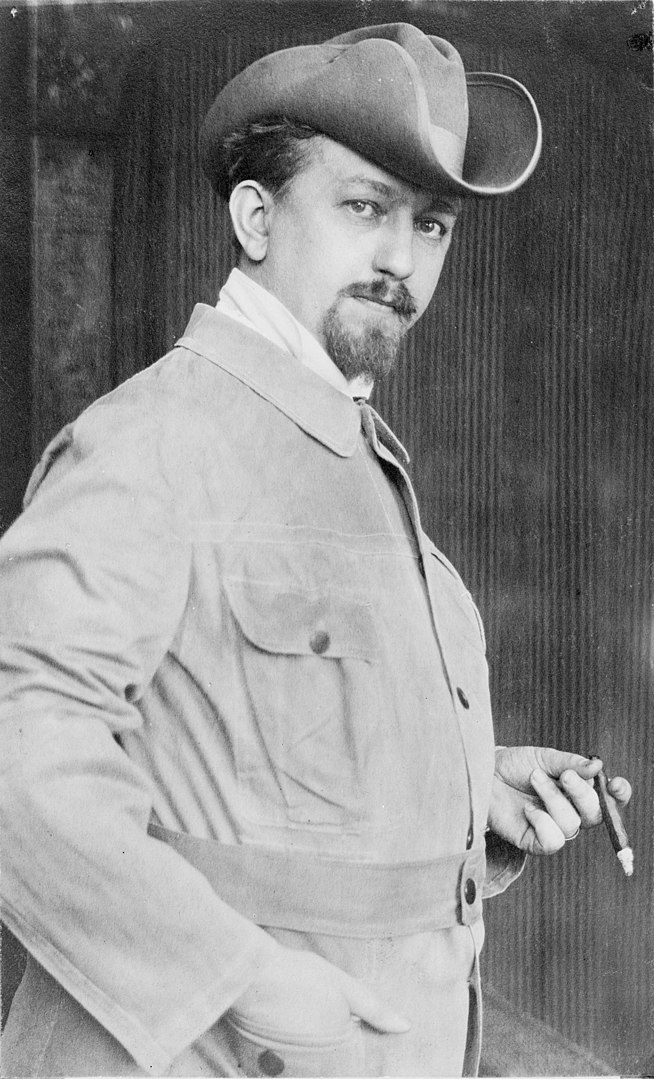
The German ethnologist and archaeologist Leo FrobeniusLeo Frobenius, who undertook nearly a dozen expeditions in sub-Saharan Africa between 1904 and 1935, provided an eloquent description of “Mother Earth” as the first Europeans arrived. He testified:
“When [the European navigators] arrived in the Gulf of Guinea and landed at Vaida, the captains were astonished to find well-laid-out streets lined for several miles by two rows of trees; they crossed for days the countryside covered with beautiful fields, inhabited by men dressed in dazzling costumes they had woven themselves!
Further south, in the Kingdom of Congo, a bustling crowd dressed in silk and velvet, well organized, displayed in detail powerful rulers and rich industries. Civilized to the marrow! And such was the state of the country on the east coast, in Mozambique, for example.”
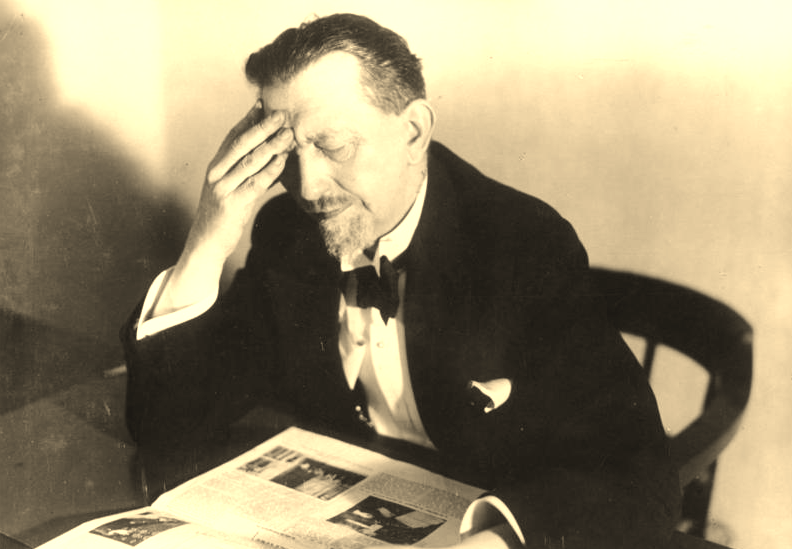
He thus emphasizes that the African populations discovered by Europeans had their own sophisticated civilizations. Moreover, accounts from foreign explorers provide an accurate depiction of the interior of the cradle of humanity, in sharp contrast to the negrophobic propaganda of pre-colonial European powers.
African Civilization According to Frobenius
Frobenius expresses his point of view:
“The accounts of Portuguese navigators from the 15th to the 18th centuries show that the Blacks of Africa, extending south of the Sahara Desert, were still flourishing, brilliant with well-organized cultures and civilizations.
As they advanced, the conquistadors (the Spanish and Portuguese conquerors) annihilated all signs of life and culture because the new countries in the Americas needed slaves, and Africa was the place from which they received slaves by the hundreds of thousands.
However, the slave trade was never a matter of justice; it had to be justified, so we made the Negro a half-animal, a product, and this is how we invented the concept of the fetish (a Portuguese word derived from feiticero) as a symbol of African religion.
A European trademark. As for me, I have never seen in any part of Africa indigenous Negroes worshiping fetishes (…) the idea of the ‘barbaric Negro’ is a European invention which, over time, dominated Europe until the beginning of this century.”
Frobenius explains how Europeans deliberately dehumanized Africans to justify slavery. Powerful African empires and kingdoms were thus plunged into an unjust cycle of attacks and destruction (slavery, colonization, etc.) that continues to this day.
It is crucial for people of African descent to know, master, and teach their history. This knowledge not only challenges erroneous narratives but also inspires and elevates future generations. Understanding this rich and complex history is a stepping stone for the advancement of Black men and women.
Negrophobic propaganda from European powers had profound and lasting consequences on the perception of Africans. By reducing Africans to the status of “half-animals,” Europeans not only justified slavery but also entrenched racist stereotypes that persist. These stereotypes fueled discriminatory policies and attitudes affecting subsequent generations.
Europeans manufactured and propagated images of Africa as a continent of savages and barbarians. This portrayal served to justify slavery and colonization. Europeans ignored clear evidence of advanced civilizations, preferring to promote the idea that Africans needed to be “civilized.”

