

Pierre de Coubertin is often celebrated as the father of the modern Olympic Games. His vision for international sport and his role in the revival of the Olympics are undeniable. However, a closer examination of his actions and beliefs reveals a complex figure, steeped in colonialism, antifeminism, and marked by controversial positions on racial relations. This article offers a critical analysis of his legacy, based on historical sources.
Pierre de Coubertin: colonial and imperialist vision
Pierre de Coubertin saw the Olympic Games as a means of extending the cultural and moral influence of the West. He firmly believed that sport could be used to “civilize” colonized peoples. In his writings, Coubertin expressed the idea that Western societies had a moral duty to spread their culture across the world—a perspective typically colonialist. Coubertin stated that sport was an effective tool to instill Western values in colonized populations, who were often perceived as inferior.
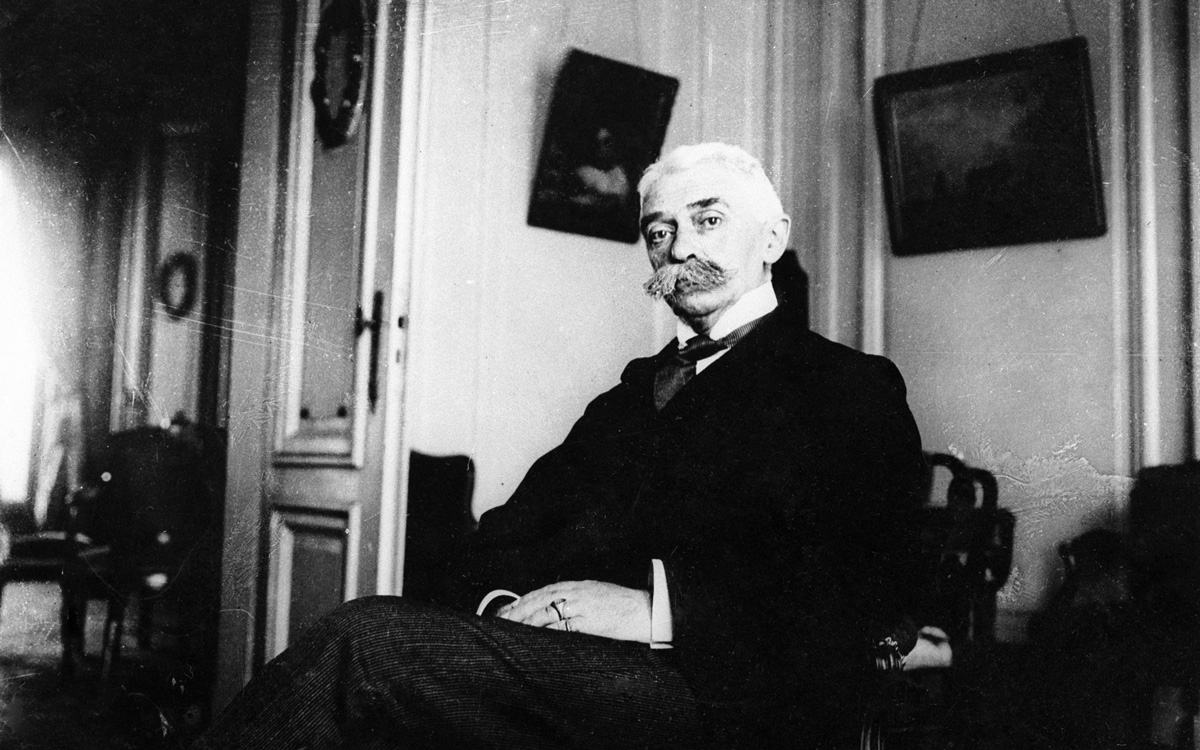
This vision is illustrated by his support for sporting events in the colonies, aimed at demonstrating the cultural and moral “superiority” of the West. For example, the 1919 Inter-Allied Games, held in Paris, reflected this colonial mentality by presenting athletes from the colonies as objects of exoticism and curiosity.
Coubertin’s influence on the Olympic movement also manifested in his support for organizing competitions in colonial territories. He believed these events could reinforce colonial control by creating cultural and social ties between colonizers and the colonized, while promoting Western values.
Although the “Anthropological Days” inflamed Saint Louis three years later, with unusual events designed for natives brought from distant lands, the baron sharply criticized “this outrageous masquerade.” He asserted that “this degrading spectacle will disappear when these blacks, these reds, these yellows master running, jumping, and throwing, and leave the whites behind.” This prediction was confirmed: even though the Saint Louis marathon was won by a white man (the American Thomas Hicks), it marked the first participation of two black African runners.
Since 1988, more than half of the medals in this discipline, both for men and women, have been won by African or African-descended athletes.
Exclusion of women
Coubertin’s antifeminism is another dark aspect of his legacy. He was firmly opposed to women’s participation in the Olympic Games, considering it contrary to the spirit of the competitions. Coubertin believed that sports were a demonstration of virility and male strength, and he thought women should not participate in these competitions.
In his writings, Coubertin often emphasized that the Olympic Games should remain a celebration of men, and he actively worked against the integration of women into Olympic competitions. It was reported that he considered women incapable of withstanding the rigors of athletic competition, an opinion reflecting the sexist attitudes of his era.
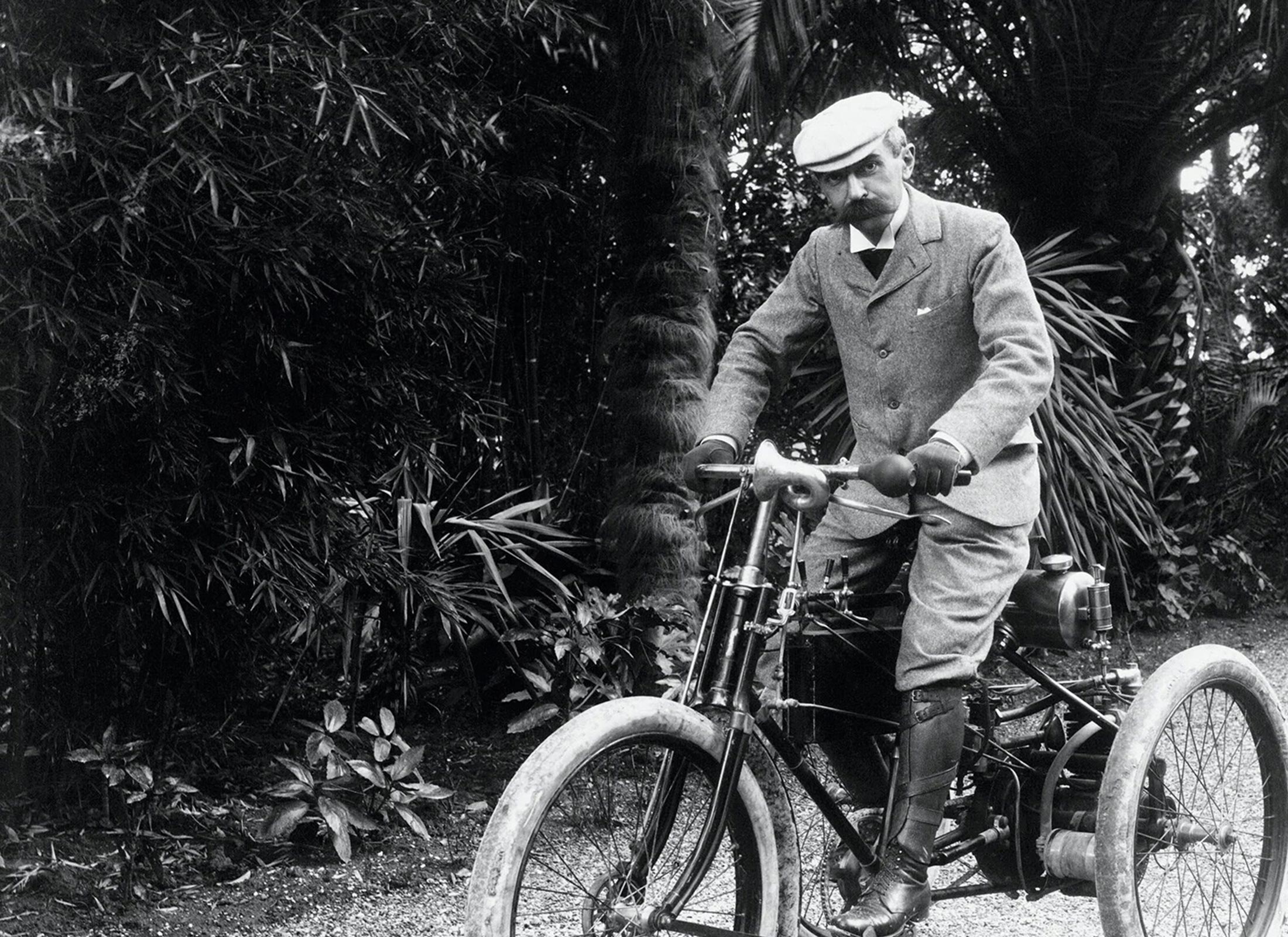
Coubertin’s attempts to exclude women from the Games were at odds with emerging movements for gender equality in sport. Despite growing pressure to allow women to participate, he remained inflexible, delaying the inclusion of female athletes in Olympic competitions until after his death. The first women’s competitions at the Olympic Games only took place in 1900, and it was in the following decades that women gradually gained broader participation.
Relations with the Nazi Regime
Coubertin’s relationship with the Nazi regime adds another dimension to the complexity of his legacy. The 1936 Berlin Olympic Games were used by Adolf Hitler as a propaganda tool to promote Nazi ideology. Coubertin, though weakened and aging, lent his support to these Games, raising questions about his political and moral positions.
His acceptance of the Berlin Games, even symbolically, shows a certain complacency toward a regime that exploited the Games for oppressive political ends. This complicity tarnished Coubertin’s image and contributed to a critical reassessment of his legacy. Understanding this dynamic is essential to fully grasp the contradictions of his role in Olympic history.
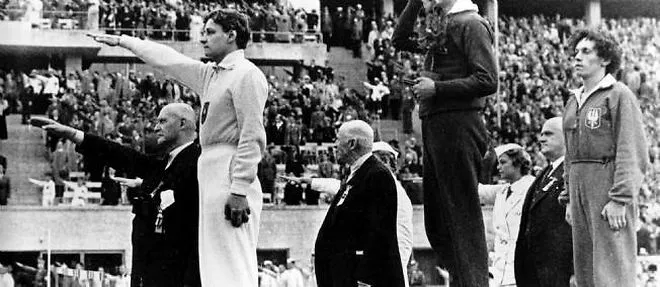
Moreover, Coubertin did not merely accept the Berlin Games; he was also influenced by the rise of nationalist and authoritarian ideologies of his time. This period of his life reveals a darker side of his engagement in the Olympic movement, where ideals of peace and unity were compromised by the political realities of the era.
A critical and nuanced assessment
Pierre de Coubertin’s legacy is undeniably complex. On one hand, he played a crucial role in the revival of the modern Olympic Games and promoted ideals of peace and international brotherhood through sport. On the other hand, his beliefs and actions reveal deeply problematic aspects, including his overt colonialism, antifeminism, and ambiguous relations with authoritarian regimes.
A fair and balanced evaluation requires acknowledging these negative aspects while appreciating his positive contributions. This critical perspective allows for a better understanding of the man behind the myth and provides important lessons on how Olympic ideals can sometimes be instrumentalized for political or ideological purposes.
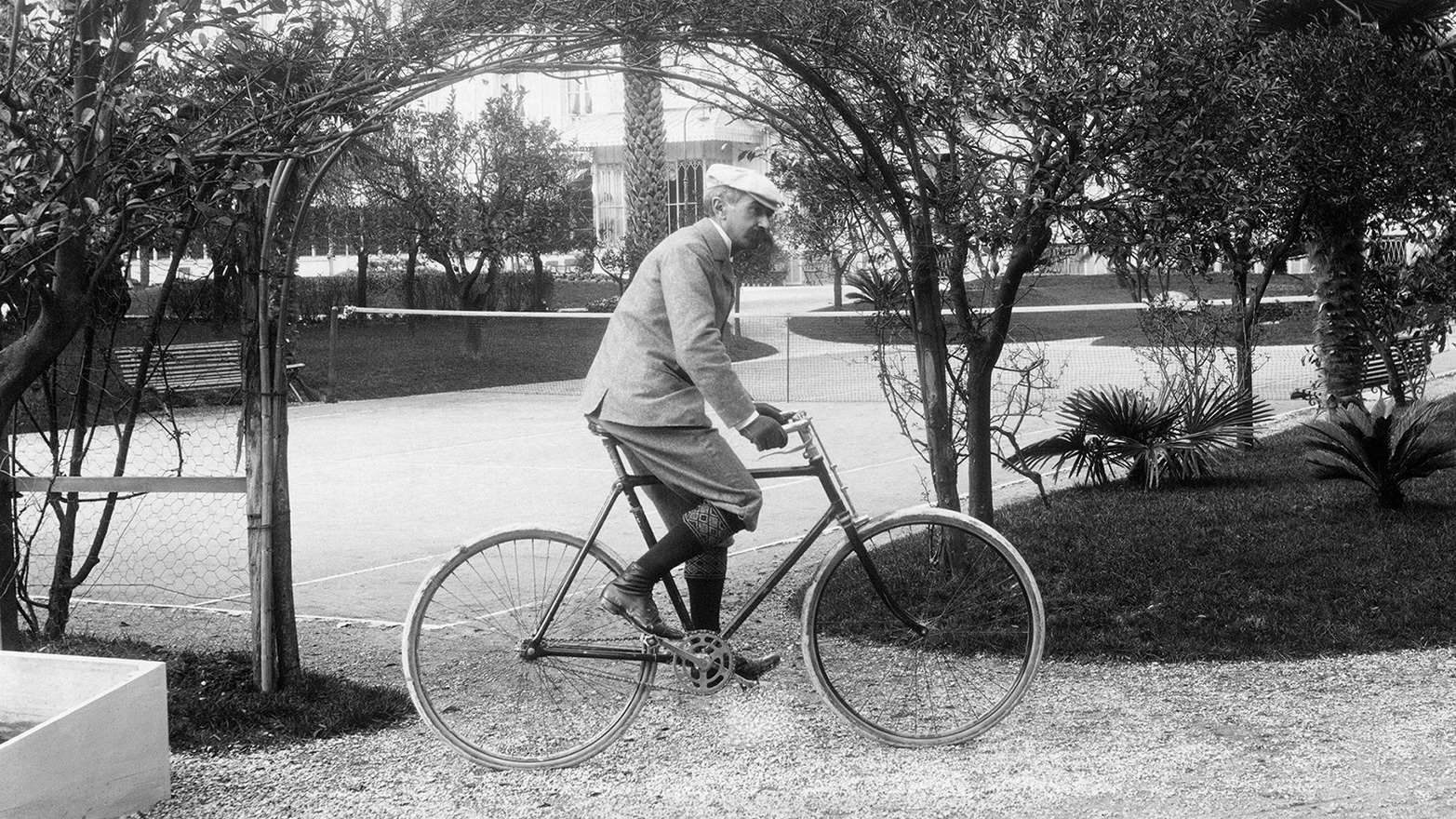
Recognizing the problematic aspects of Coubertin’s legacy does not diminish his achievements, but rather offers a complete and honest view of his impact. Historical figures, no matter how influential, must be examined in all their complexity, including both their contributions and their flaws, for a more nuanced and instructive understanding of their place in history.
References
- Pierre de Coubertin: Visionary and Founder of the Modern Olympics
(https://www.olympics.com/ioc/pierre-de-coubertin) - The Aesthetic Olympic Visions of Baron Pierre de Coubertin
(https://repository.canterbury.ac.uk/item/xxxx/the-aesthetic-olympic-visions-of-baron-pierre-de-coubertin) - Pierre de Coubertin’s IOC Presidency (1896-1925)
(https://www.coubertin.org/pierre-de-coubertin-ioc-presidency) - Pierre de Coubertin et les Jeux Olympiques: Un héritage contesté
(https://www.histoirecoloniale.net/pierre-de-coubertin-et-les-jeux-olympiques-un-heritage-conteste.html) - The 1936 Berlin Olympic Games: Nazi Propaganda?
(https://www.cairn.info/revue-xxi-siecle-2012-1-page-75.htm)
This article aims to present a balanced and documented view of Pierre de Coubertin, relying on verified historical facts and citing varied sources to illustrate the different facets of his legacy.
Contents
- Pierre de Coubertin: Colonial and Imperialist Vision
- Exclusion of Women
- Relations with the Nazi Regime
- A Critical and Nuanced Assessment
- References


