

Discover the fascinating history of Black Palestinians, a unique ethnic group facing distinct challenges and struggles. This article explores their heritage, contributions, and the obstacles they have had to overcome.
Discovering the afro-palestinians, a little-known minority
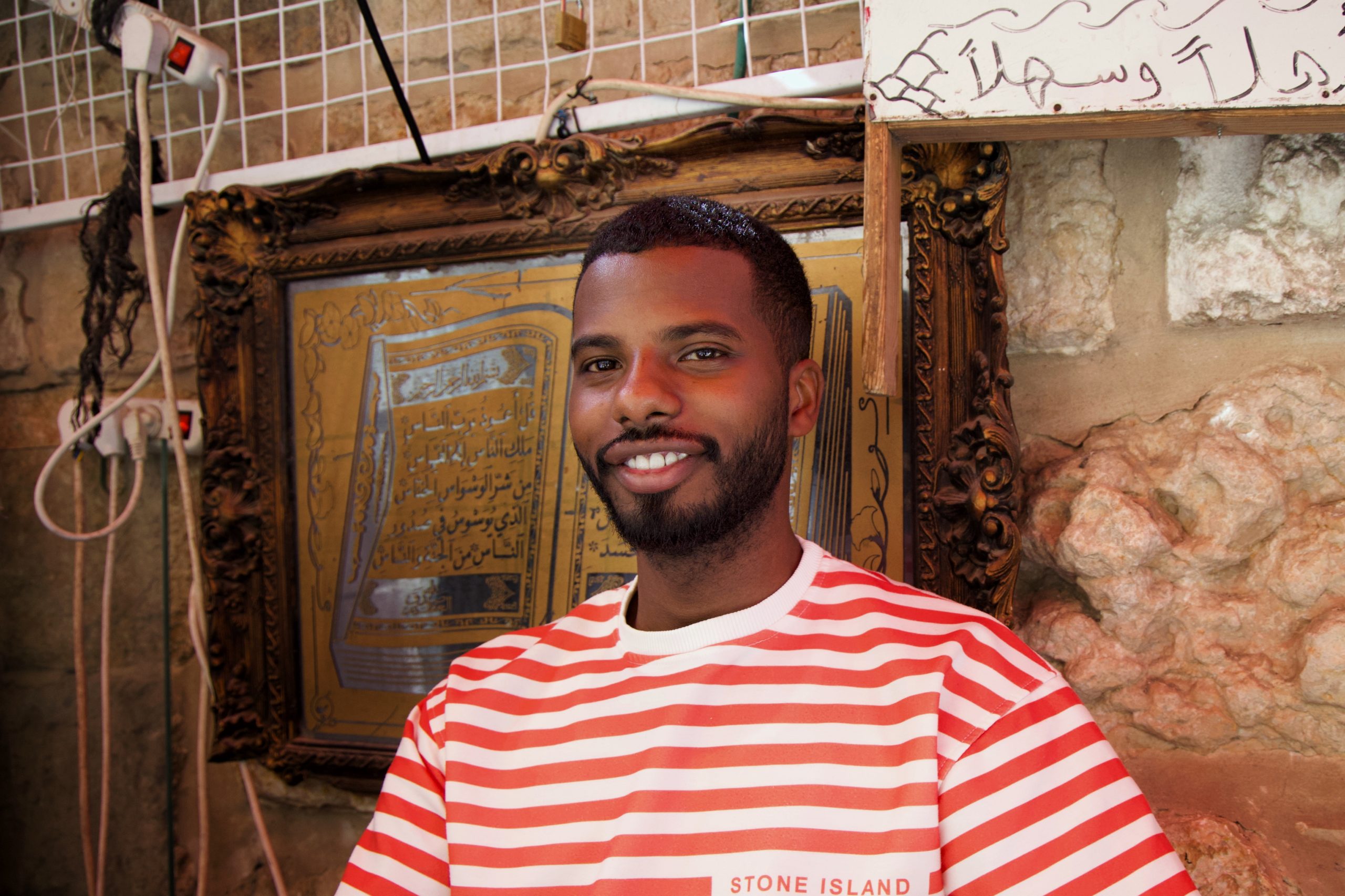
The general public is beginning to recognize the diversity within the Israeli Jewish community, particularly the Beta Israel or Falashas from Ethiopia. This awareness highlights Israel’s cultural richness, often perceived through the lens of regional conflicts. At the same time, the existence of Black Palestinians, or Afro-Palestinians, remains largely unknown.
These essential but often invisible members of Palestinian society provide a unique perspective on the region’s cultural and social complexity. This article aims to shed light on their history, identity, and the challenges they face, offering a fresh view of the multicultural fabric of Israel and Palestine.
Historical roots of the afro-palestinians: from slavery to cultural diversity in Israel and Palestine
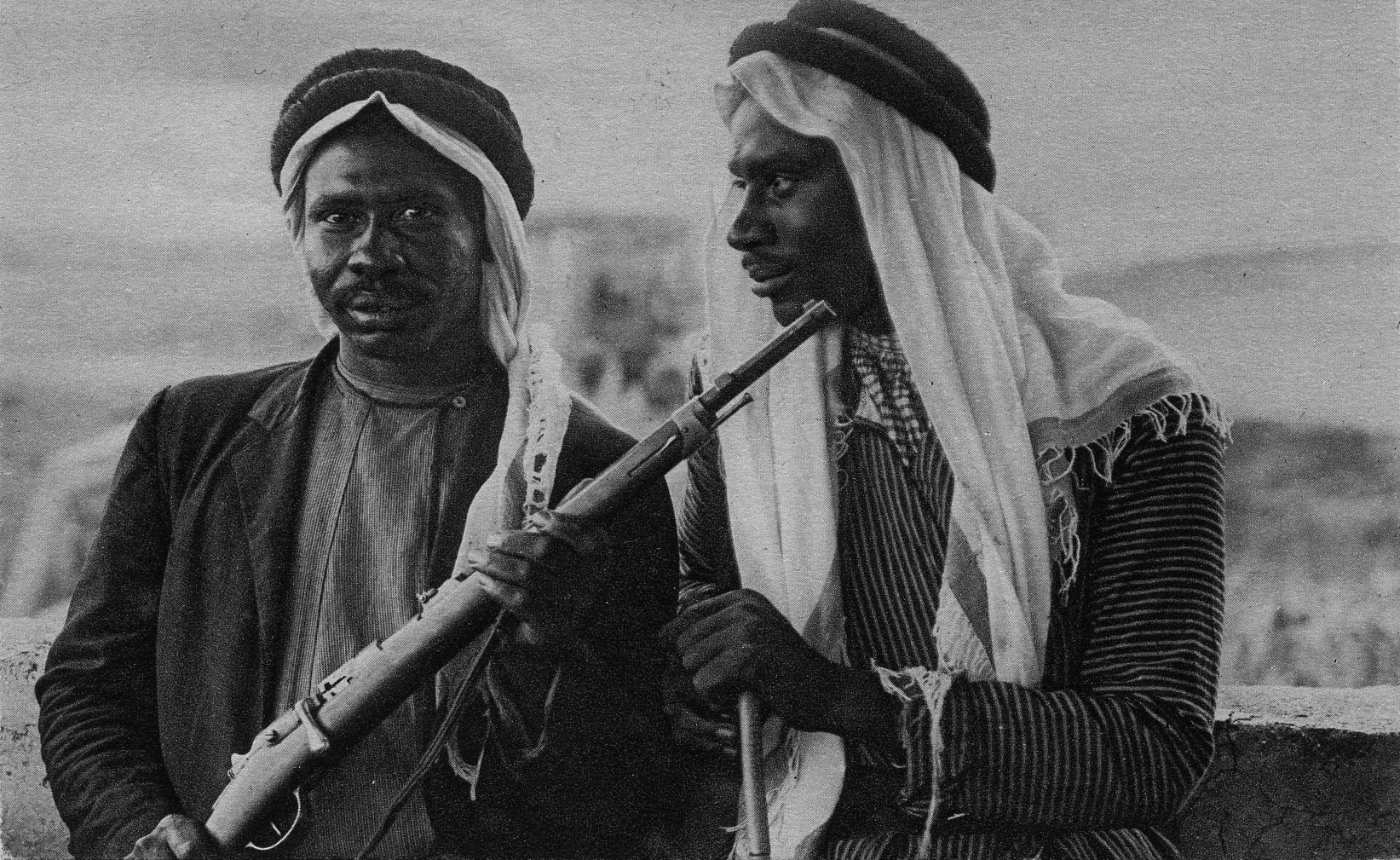
For millennia, the presence of Black people in Arabia and the Middle East, fueled by proximity and exchanges with East Africa, has been a historical fact. However, this ancient Black presence does not appear to be the direct origin of today’s Afro-Palestinian community. It is more clearly established that from the 13th century, under the Mamluk and Ottoman reigns, Black slaves were assigned to guard Islam’s holy sites, including the al-Aqsa Mosque in Jerusalem. These guards, respected despite their enslaved status, left descendants who mixed with later African migrants, forming the contemporary Afro-Palestinian community.
With the founding of the State of Israel in 1948 and the gradual dismantling of traditional Palestinian social structures, the institution of slavery began to erode. During the British Mandate, from the late 19th century until 1948, pilgrims from Africa—Senegal, Chad, Nigeria, and Sudan—settled in Jerusalem, mixing with the historical Black population.
Some Africans also arrived as volunteers in the Arab Liberation Army. Until the 1990s, the Gaza Strip and the Negev Desert were mainly home to descendants of African slaves among the Bedouins, largely from Sudan or the Horn of Africa, living in a highly stratified society. After 1948, these communities experienced a loosening of social barriers, encouraging mixed marriages and greater integration.
Identity and language: understanding how black palestinians define themselves
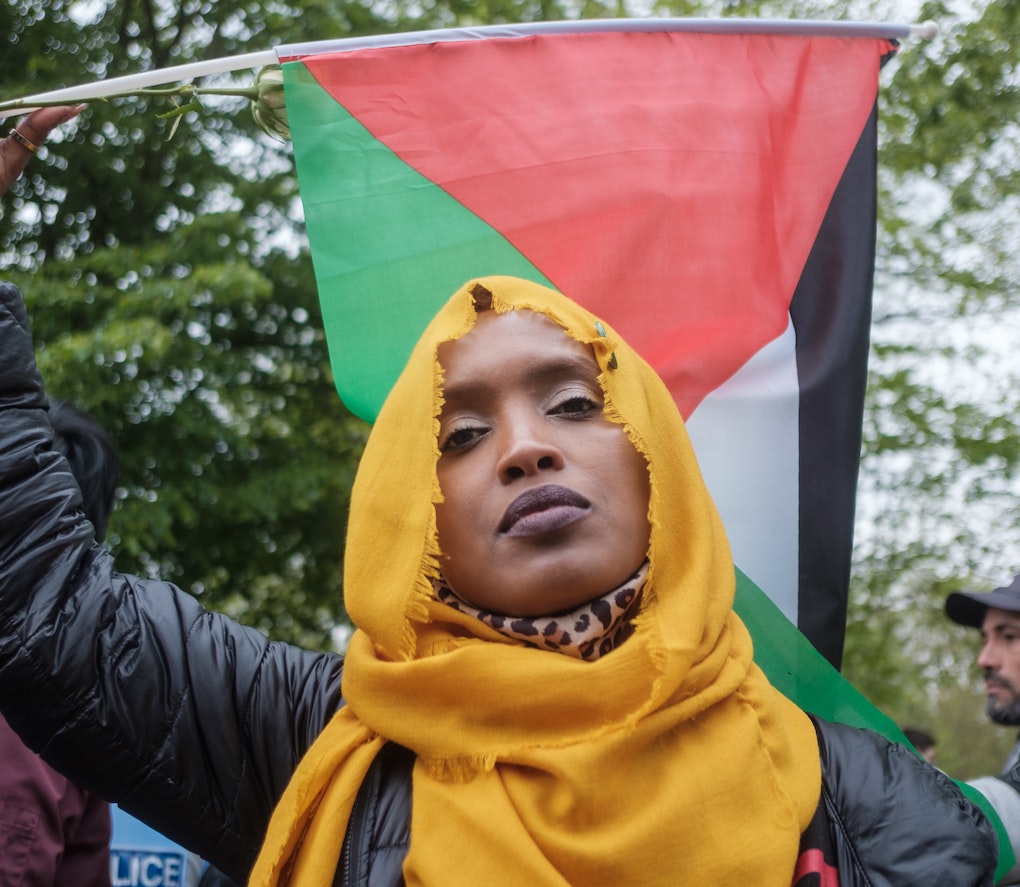
Most Black Palestinians feel a deep sense of belonging to the Palestinian nation, identifying more with it than with their African roots, especially when historical ties to Africa have faded. This identification is particularly strong among those whose ancestors arrived in Palestine more recently, including pilgrims from the Sahel or Sudan in the 20th century, who maintain a nominal connection to their homeland. In Gaza and the Negev, Black Palestinian men have until recently used the affectionate term “Khali” (literally “my brother”), similar to the African-American “brotha”, to refer to each other, encompassing all Black people except Beta Israel.
In their Arabic dialect, they prefer the term “sumr” (brown) to describe their skin color, avoiding “sawd” (black) and “abed” (slave), the latter carrying a pejorative connotation in the Arab world. This linguistic preference aligns with that of Sudanese Arabs, although motivations differ. Black Palestinians seem to use this terminology to counter discriminatory uses of the Arabic language, while Sudanese Arabs use it to distinguish themselves from Black African populations. The use of “Khali” by Black Palestinians reinforces this notion of a distinct identity within the global Black community.
Discrimination and resistance: the dual struggle of black palestinians
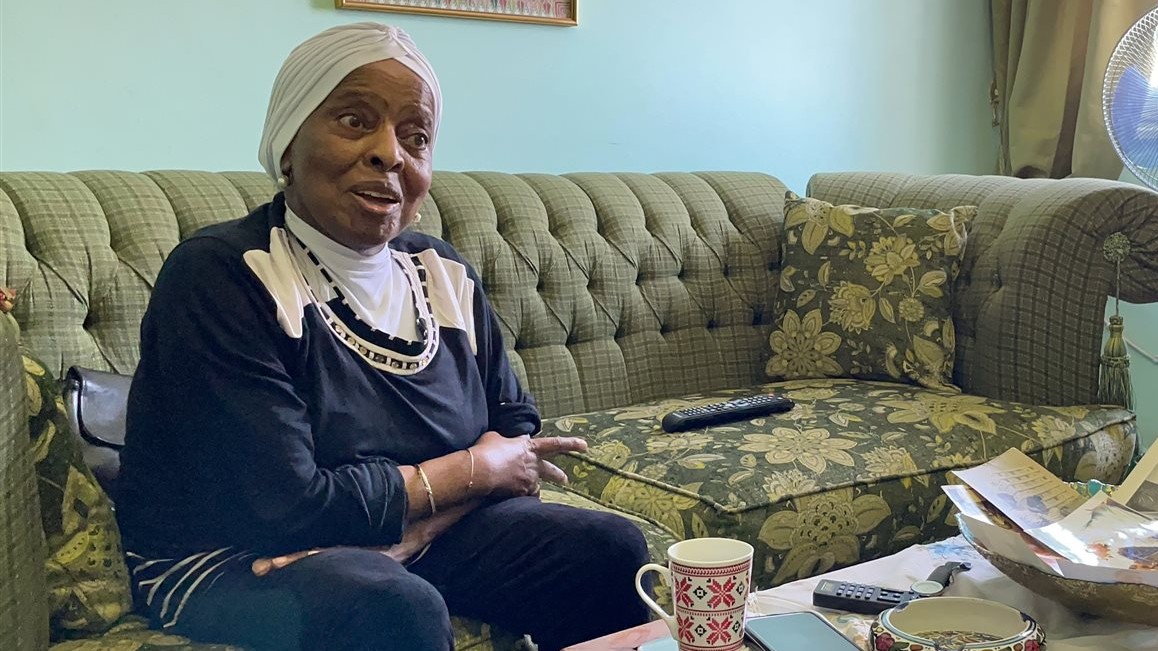
Black Palestinians face unique challenges, sometimes experiencing racism from the majority white Palestinian community. This discrimination manifests not only through the forced use of the derogatory term “abd”, but also through nicknames such as “chocolate” or “Africans”, and opposition to mixed marriages. However, the primary source of oppression comes from the Israeli occupier. During the Intifada, testimonies from Black Palestinians reveal incidents where Israeli forces targeted them due to their African appearance, questioning their belonging to Palestine.
Insults such as “kushi”, an Israeli derogatory term, are frequently used against them. Despite these obstacles, Black Palestinians remain key actors in the struggle for the liberation of Palestine. A notable example is Fatima Barnawi, the first Palestinian political prisoner of Nigerian origin, imprisoned for planning an attack in Jerusalem. Today, facing controls and provocations from Israeli patrols, the Black Palestinian youth of the holy city increasingly turn to education as a peaceful means of liberation and resistance.
Additional resources on afro-palestinians

To deepen your understanding of Afro-Palestinians, we recommend the following resources:
Susan Beckerleg in Kwesi Kwaa Prah’s work, Reflections on Arab-led Slavery of Africans. This detailed study offers a historical and contemporary overview of Black Palestinians (an abridged version is also available online).
The Daily Mail article titled Afro-Palestinians forge a unique identity in Israel provides a journalistic perspective on the experiences and identity of Black Palestinians within Israeli society. Available here: Daily Mail Article on Afro-Palestinians.
For a more in-depth perspective, read Al Jazeera’s report Afro-Palestinians talk heritage and resistance, which explores the heritage and resistance of Black Palestinians. Available here: Al Jazeera Feature on Afro-Palestinians.
YOU MAY ALSO LIKE
Akhdam: A Black minority in Yemen facing discrimination.
Beta Israel: The Beta Israel, also known as the Falashas, are a historic Ethiopian Jewish community. Their history dates back to antiquity, and they are often associated with the legends of the Lost Tribes of Israel. The Beta Israel have maintained distinct religious and cultural practices, and a large part of the community immigrated to Israel in the 1980s and 1990s through Operations Moses and Solomon.
Mamluks: The Mamluks were slave soldiers, primarily of Turkish and Caucasian origin, who formed a powerful military and political class in various parts of the medieval Islamic world. After taking control of Egypt in 1250, they established a sultanate that lasted until Egypt was conquered by the Ottoman Empire in 1517. The Mamluks were known for their military skill and played a crucial role in the region’s political and military affairs, notably in repelling Mongol invasions and fighting the Crusades.
Ottoman Empire: Founded at the end of the 13th century, the Ottoman Empire was an imperial state that lasted until the early 20th century. At its peak, it spanned three continents, encompassing parts of Eastern Europe, Anatolia, and the Middle East. The Ottomans were known for their sophisticated administration, distinctive architecture, and contributions to art, science, and culture. The empire played a major role in regional history, particularly regarding interactions between Europe and the Islamic world, leaving a lasting legacy in the territories it governed.
Al-Aqsa Mosque: Located in the Old City of Jerusalem, the Al-Aqsa Mosque is one of the holiest sites in Islam. It is part of the Temple Mount complex, also known as Haram al-Sharif, and is considered the third holiest mosque in Islam after Masjid al-Haram in Mecca and Masjid an-Nabawi in Medina. According to Islamic tradition, this is the site from which the Prophet Muhammad is said to have undertaken his night journey (Isra) to the heavens. Al-Aqsa Mosque is a significant focal point in the Israeli-Palestinian conflict and a symbol of Palestinian faith and identity.
Negev Desert: The Negev Desert is a vast arid region in southern Israel. Covering more than half of the country’s territory, it spans approximately 13,000 square kilometers. The Negev is characterized by its rock formations, craters, and desert landscapes. Despite its arid conditions, it is inhabited and has been the site of many innovations in desert agriculture and sustainable development. The Negev also holds historical and cultural significance, particularly regarding Bedouin communities and archaeological sites. It is also central to discussions on minority rights and land management in Israel.
Fatima Barnawi: Fatima Barnawi is a notable historical figure in Palestinian resistance. Born in Jerusalem, she is recognized as the first female Palestinian political prisoner. In 1967, Barnawi was imprisoned by Israeli authorities for allegedly planning a bombing at a Jerusalem cinema, a charge she denied. She was detained for 10 years. After her release, she became an icon of the Palestinian struggle and a symbol of women’s resistance in the Israeli-Palestinian conflict. Her story is often cited in discussions on the role of women in national liberation movements.


