

Discover the fascinating history of slave revolts aboard slave ships. Long before the abolition of slavery, many captives rose up to claim their freedom, leaving their mark on history through acts of courage.
Courage and resistance on the high seas
The abolition of slavery in France in 1848, thanks to the initiative of Victor Schoelcher, is often commemorated. However, it must not be forgotten that colonial slavery persisted long after this date. More importantly, it was the slaves themselves who revolted to obtain their freedom.
These revolts, marked by courage and determination, played a crucial role in the fight against oppression and were often catalysts for historical changes leading to the definitive abolition of slavery.
Examples of slave revolts in the colonies
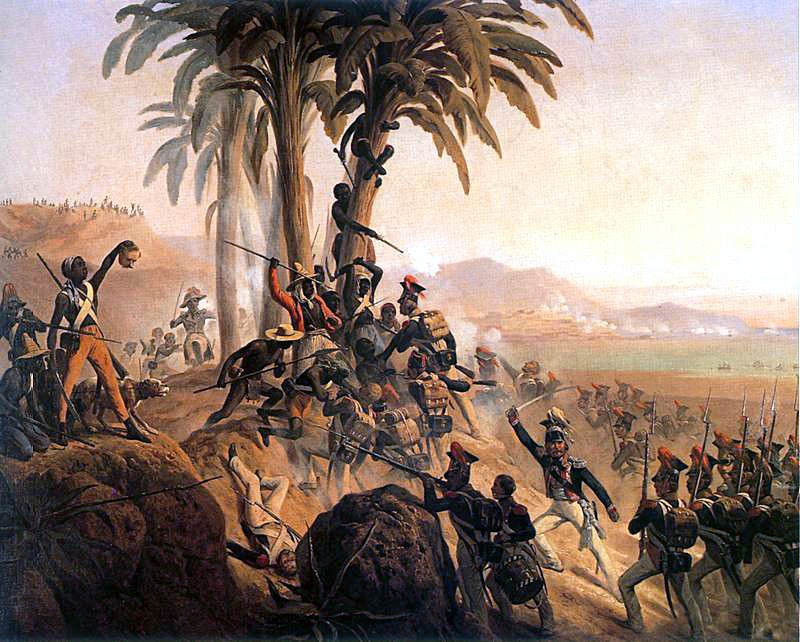
Revolts broke out in Guadeloupe (1656, 1710, 1730, 1752, 1802), Guyana (1733), Martinique (1678, 1699, 1748, 1752, 1822, 1833), Saint-Domingue (1791), and Cuba (1810). These uprisings shook the slaveholding colonies, forcing the metropolitan powers to consider abolishing slavery for fear of a repeat of the Saint-Domingue events, where the 1791 insurrection led to the proclamation of the first independent Black republic, Haiti, in 1804, after a prolonged war.
Inhumane conditions aboard slave ships
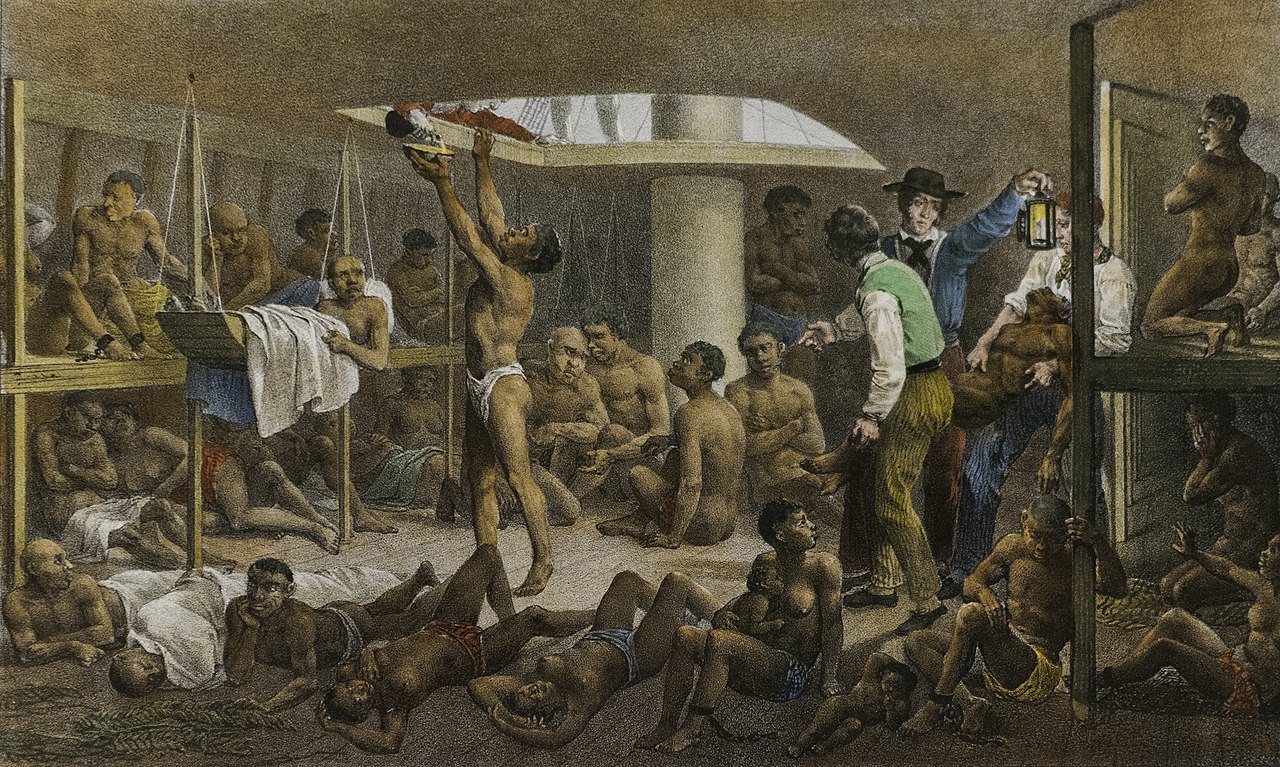
Captives were crammed into cramped holds, often chained, suffering from malnutrition and disease. Voyages were marked by high mortality due to unsanitary conditions and crew brutality.
Description of slave ships
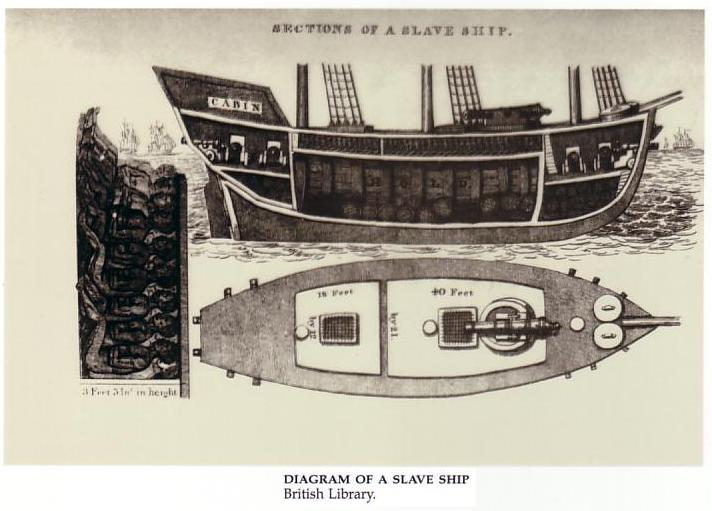
Diagram of a slave ship, the Veloz, capable of carrying 550 captives (1831).
Slave ships were designed to maximize the number of slaves transported, often at the expense of living conditions. The holds were arranged to pack as many people as possible into spaces so confined that they could neither stand nor lie down comfortably. Captives were chained in pairs, further restricting movement and exacerbating physical and psychological suffering.
Successful revolts
Some uprisings were successful, demonstrating the determination and courage of the slaves:
- The Misericordia (1532): In 1532, 109 slaves seized control of the Portuguese ship Misericordia. Only three crew members survived, managing to escape. The ship was never heard from again.
- Spanish Ship (1650): In 1650, a Spanish ship sank off Cape San Francisco. The surviving Spaniards were killed by the African captives.
- The Galley Mary (1742): In 1742, prisoners aboard the galley Mary revolted. Only the captain and his second survived.
- The Marlborough (1752): In 1752, the slaves aboard the Marlborough revolted. The ship and crew disappeared from records.
- The Willingmind (1751): In 1751, as it departed, the British-flagged Willingmind, anchored on a Sierra Leone river, was seized and set on fire by the captives, who returned to the coast.
- The Industry (1767): After four days at sea, the enslaved aboard the British ship The Industry, bound for sale in Carolina, killed the crew, took over the vessel, and steered it back to Africa. They ran the ship aground and reached the shore of Sierra Leone.
- The Nancy of Liverpool (1769): Hearing gunfire aboard the Nancy of Liverpool, signaling a revolt, Africans from New Calabar (Nigeria) set out by canoe to aid the captives. The struggle was victorious, and the captives returned to the continent.
- The Ave Maria (1770): Bound for Guadeloupe, the Ave Maria was seized by Africans from the coast, who freed the captives and spared the crew.
- The Nécessaire (1771): The Nécessaire of La Rochelle was taken over by the 52 captives on board. After defeating the crew, they freed themselves and steered toward the Bijagos archipelago, where they ran the ship aground at the mouth of the Rio Geba (Guinea-Bissau).
- The Vigilantie (1780): With the coast of Guyana in sight, 200 captives took control of the Dutch ship La Vigilantie, killed the sailors, and swam ashore, disappearing into the wilderness.
- The Amistad (1839): In 1839, the Spanish ship La Amistad, carrying African slaves from Sierra Leone, was caught in a violent storm off Cuba. About fifty prisoners freed themselves from their chains and turned on their captors, killing them. Cinqué, their 25-year-old leader, forced the captain they had spared to sail them back to Africa. But the captain, exploiting their ignorance, sailed toward the United States, reaching New York. Two months later, the ship arrived on American shores and was seized by the U.S. Navy. The Africans were imprisoned pending trial for murder. The case drew national attention, highlighting the divisions between anti-slavery states in the North and pro-slavery states in the South. While the Spanish shipowners filed a lawsuit to reclaim their “cargo,” an abolitionist lawyer argued that the survivors should be recognized as refugees and contested the notion that they were mere property. Ultimately, considering it illegal to transport slaves from Africa to the U.S. and recognizing that the Africans acted in self-defense, the judge declared them not guilty and allowed them to return to Africa. Thirty-five survivors eventually returned to Sierra Leone three years later.
Consequences and impact of the revolts
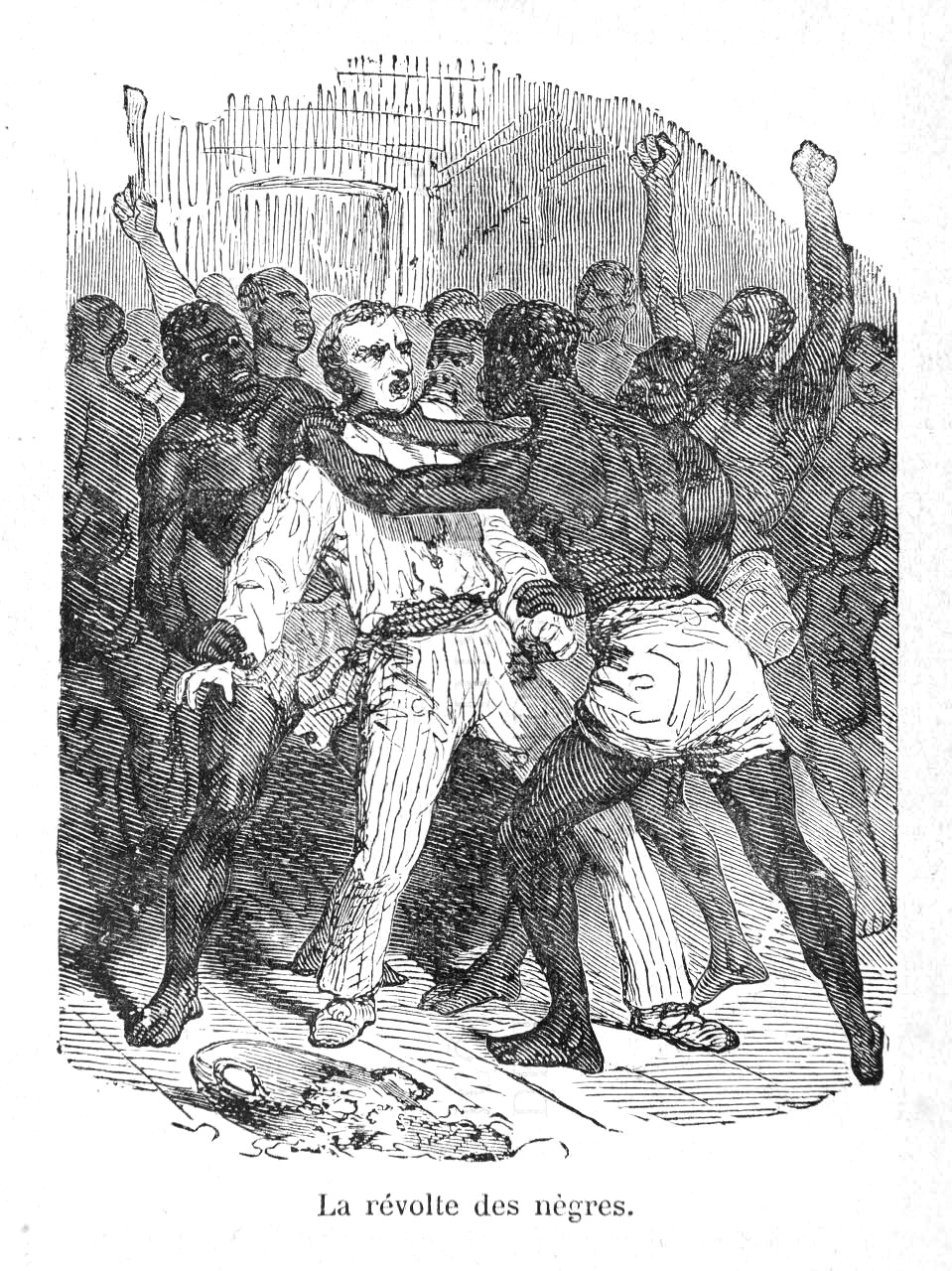
These uprisings inspired both fear and respect, demonstrating the slaves’ determination to fight for freedom. They increased pressure on metropolitan powers to abolish slavery, illustrating the inevitability of resistance. The fear of similar revolts and the success of uprisings strongly influenced colonial powers’ decisions to end slavery.
Although often brutally suppressed, slave revolts played a crucial role in raising awareness of the injustices of slavery. They showed that slaves were not passive victims but active agents in their own liberation. Their courage and struggle for freedom are powerful testimonies to human resilience in the face of oppression.
Conclusion
Slave revolts aboard slave ships are poignant examples of resistance and courage under inhumane conditions. These events not only marked history but also played a crucial role in the process of abolishing slavery. By understanding these revolts, we honor those who defied oppression to claim their freedom and recognize their essential contribution to the struggle for justice and equality.
This dark yet essential chapter of history underscores the importance of commemorating not only the legislative acts that abolished slavery but also the heroic acts of the slaves themselves, whose courage and determination paved the way to freedom.


