

The Women’s Liberation Movement achieved major victories. But in its dominant form, it was largely shaped around the priorities of white, educated, middle-class women. For many Black women, emancipation could not be separated from racism, class, and institutional violence.
5 reasons why the Women’s Liberation Movement mainly benefited white women
When the history of the Women’s Liberation Movement is told, its victories are usually highlighted: reproductive rights, the fight against workplace discrimination, and the transformation of public debate about women’s place in society. All of that is true. But the story remains incomplete unless one essential fact is acknowledged: in its dominant form, especially during the second wave of American feminism in the 1960s and 1970s, the movement was largely shaped around the priorities of white, educated, middle-class women. The second wave was “largely defined and led by white, middle-class, college-educated women” and built primarily around their concerns.
That does not mean Black women played no role in it, nor that none of its advances benefited them. It means that the dominant movement failed to sufficiently account for the ways sex, race, and class intersected in real life. It is precisely from this critique that much of modern Black feminism emerged, from bell hooks to the Combahee River Collective.
1. The movement was built around the priorities of middle-class white women
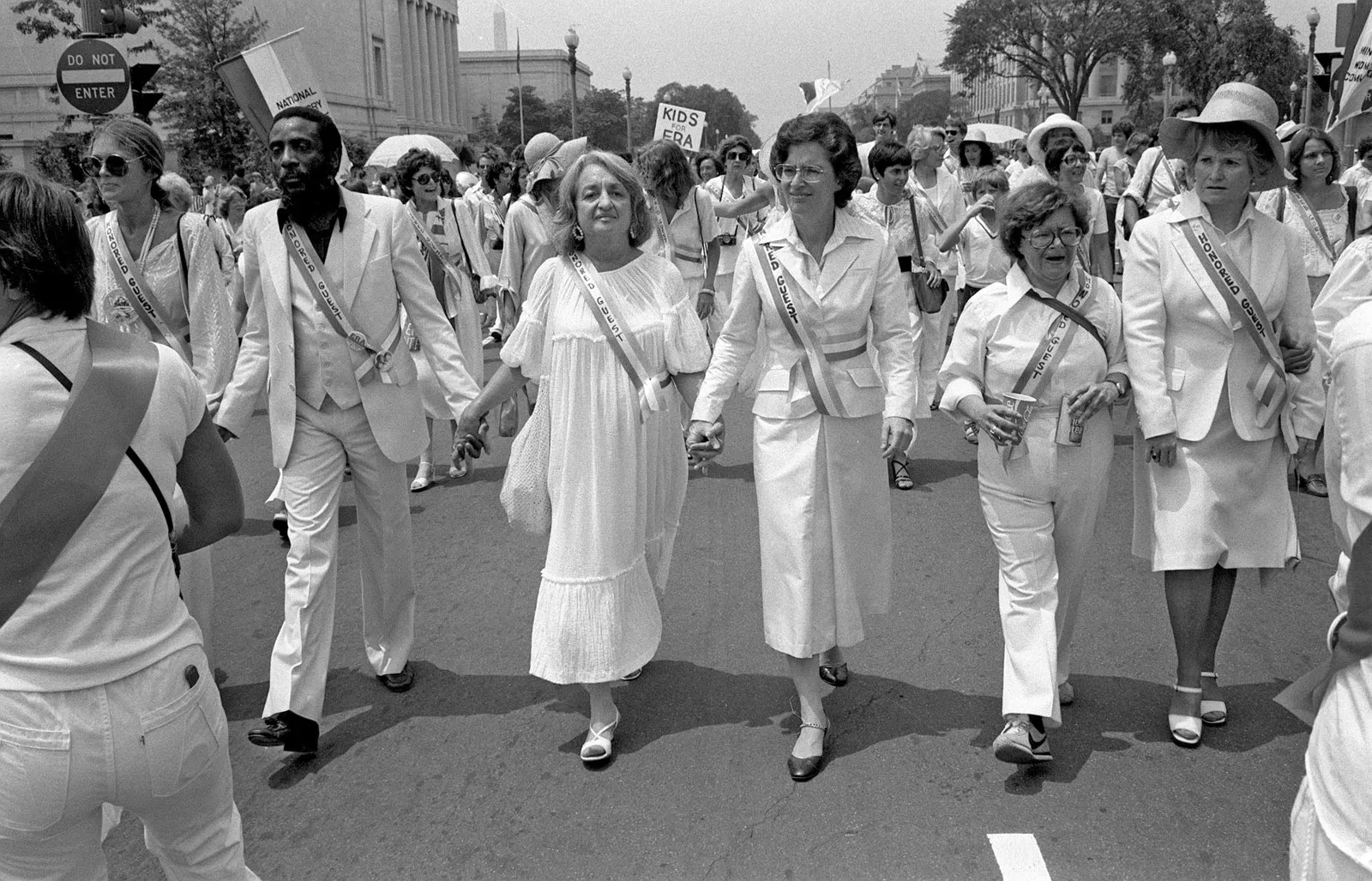
The most consistent criticism is also the most fundamental: second-wave feminism often presented the experiences of middle-class white women as the universal female experience. Yet what appeared central to them (domestic confinement, suburban housewife frustration, access to professional careers, individual autonomy within a framework of relative economic stability) did not encompass the reality of all women. Britannica notes that this framing produced “significant gaps” for women from other classes and racial groups.
In other words, the dominant movement spoke about “women” while in practice often speaking about a particular social group. This universalization made real progress possible, but it also rendered invisible those for whom oppression was not limited to sexism. For many Black women, the issue was not only escaping the home; it was also surviving racism, poverty, institutional violence, and labor exploitation. This is one of the reasons so many Black feminists had to develop their own political frameworks.
2. The victories won did not benefit all women in the same way
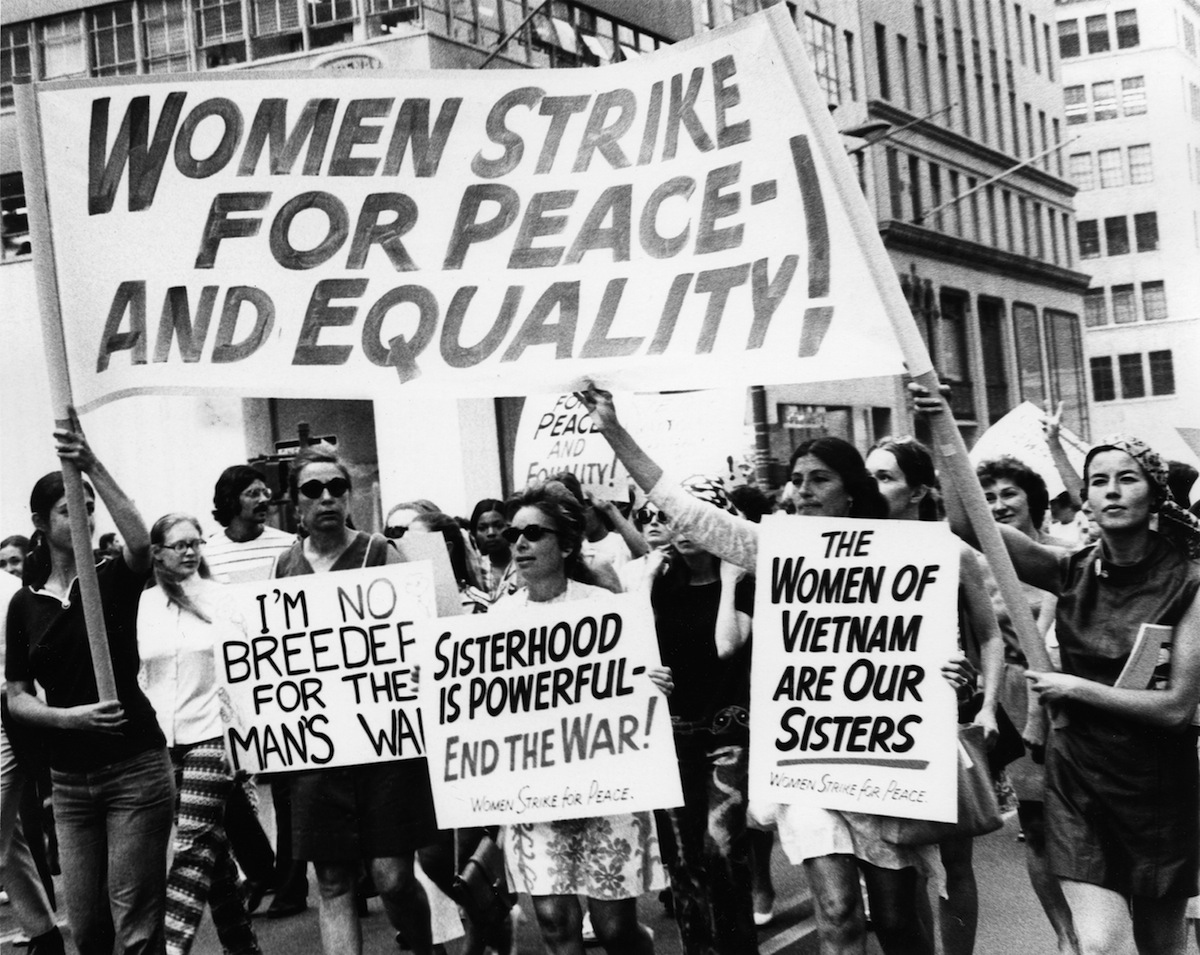
The National Women’s History Museum reminds us that the legal victories of the second wave gave “greater autonomy” to some women, while also noting that “many women from ethnic minorities were still denied their civil rights.” In other words, the movement’s successes were not false; they were unevenly distributed.
A reform can exist on paper without producing the same effects for everyone. The theoretical right to autonomy, employment, or protection does not transform the life of a college-educated white woman in the same way it transforms the life of a Black woman simultaneously facing racial discrimination, residential segregation, underpayment, or institutional violence. It is precisely this gap between formal victory and real benefit that fueled Black critiques of dominant feminism.
3. Race was not treated as structural, but often as secondary
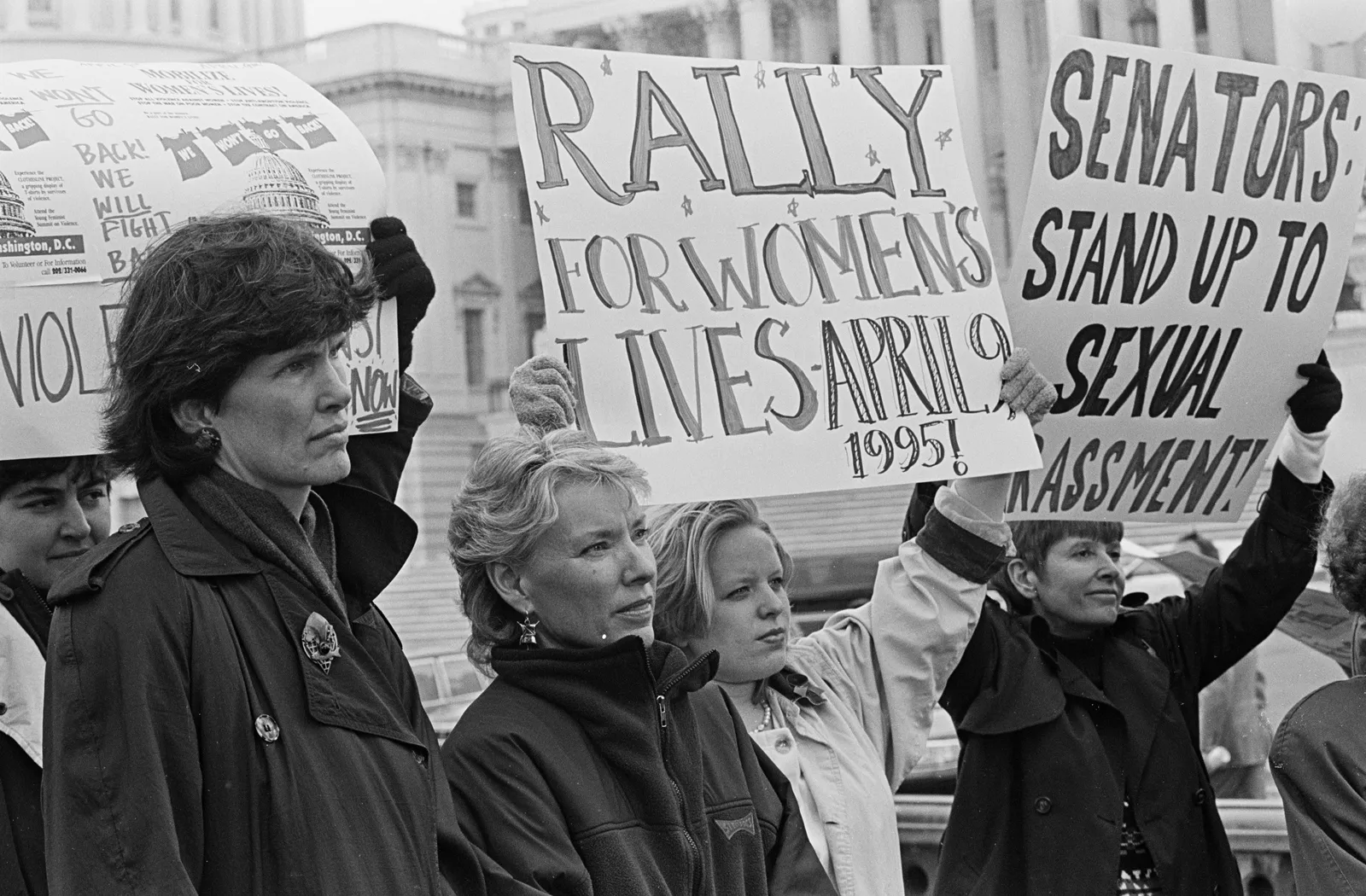
The core of Black criticism toward the movement was not merely the lack of visible diversity. It was the fact that racism was often treated as a problem external to mainstream feminism rather than as a constitutive dimension of many women’s lives. In its foundational 1977 statement, the Combahee River Collective explained precisely that Black women face simultaneous forms of oppression and that their liberation requires a political framework capable of fighting racism, sexism, and class oppression at the same time.
Later, Kimberlé Crenshaw would provide a decisive theoretical framework for this reality through the concept of intersectionality, coined in 1989 to show that certain forms of discrimination cannot be understood if race and gender are artificially separated. Britannica notes that Crenshaw formulated this critique precisely because certain lived experiences remained poorly understood by both dominant antiracist and feminist approaches.
4. The reproductive priorities of white feminists did not align with those of Black women
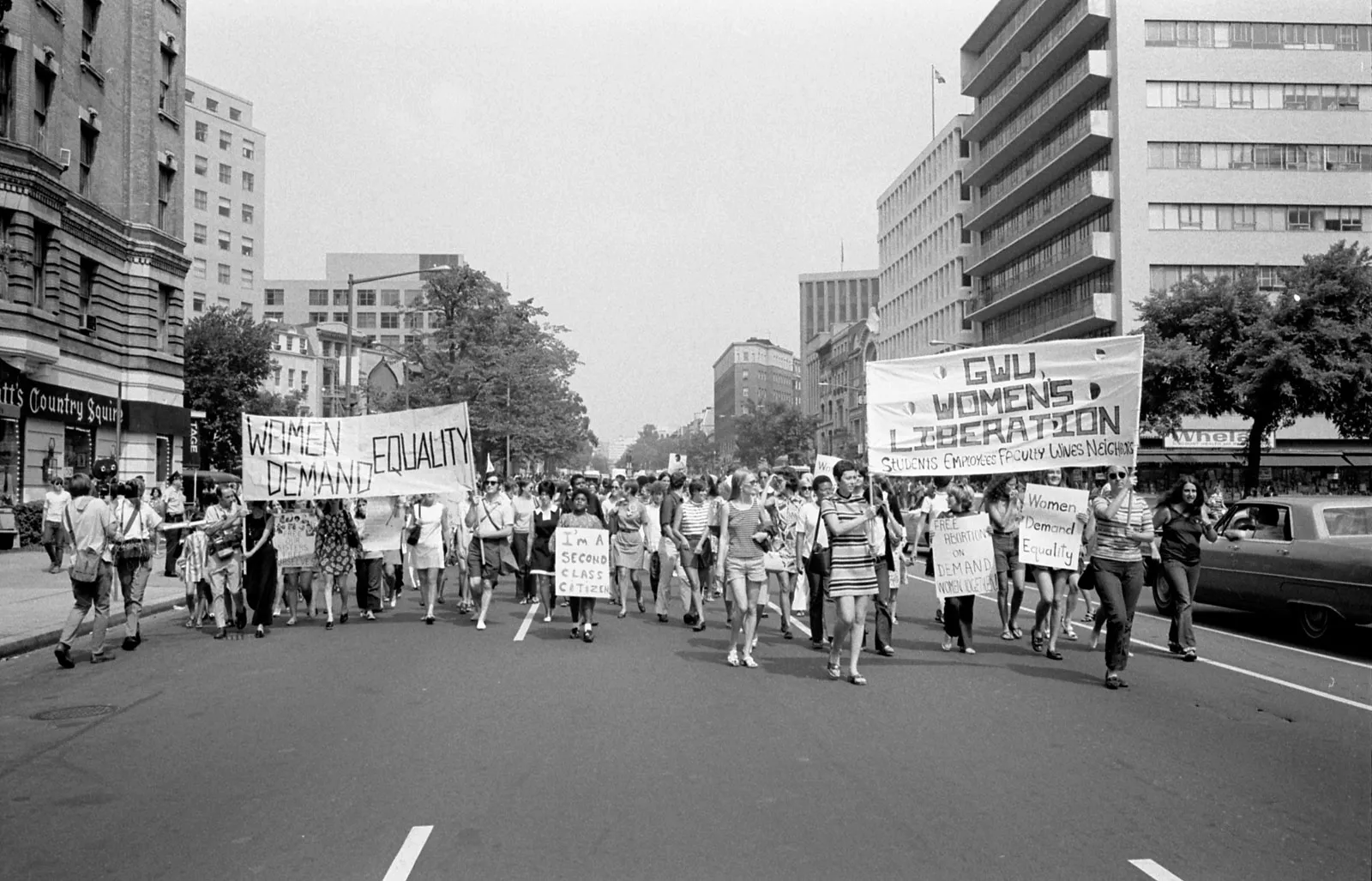
In the classic narrative of the second wave, reproductive rights are often reduced to contraception and abortion. These struggles were essential. But for many Black women, reproductive justice could not be limited to the sole right not to have children. Black feminist critics pointed out that the reproductive history of nonwhite women also includes forced sterilization, surveillance of motherhood, the social disqualification of certain mothers, and more broadly the denial of the right to have and raise children under dignified conditions.
A recent academic article on Black critiques of Western feminism notes precisely that for nonwhite women, reproductive injustice could take the form of the forced denial of motherhood just as much as forced motherhood.
This is one of the clearest examples of the blind spots within the dominant movement. What appeared to be “the” feminist priority was not necessarily the priority of all women. When a movement’s political agenda is defined from a particular social position, it can win real rights while still overlooking other equally fundamental forms of domination.
5. It was precisely this exclusion that pushed Black feminists to organize separately
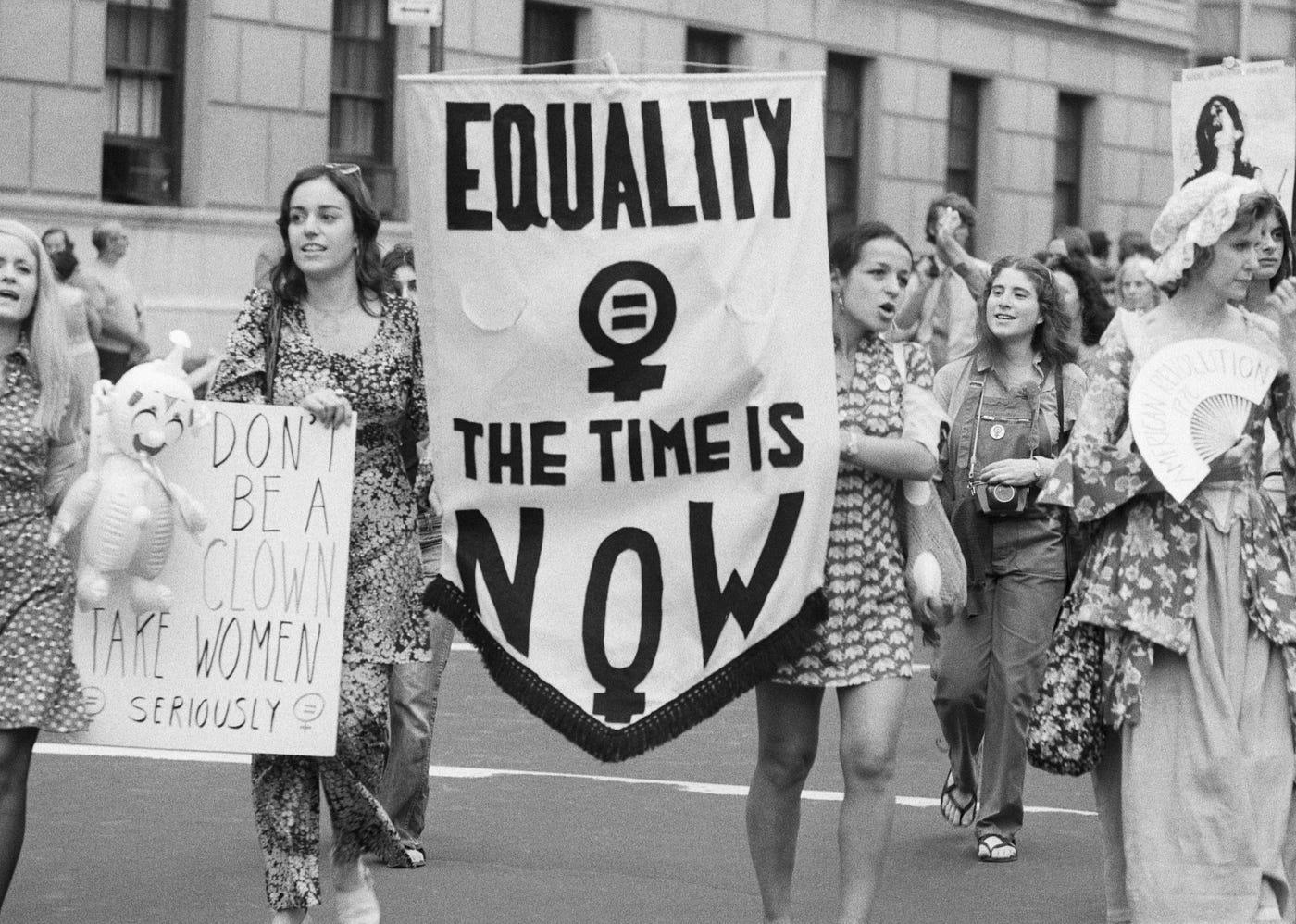
The fact that Black women had to develop their own organizations, texts, and political traditions is not some marginal accident in feminist history. It is one of the clearest indicators of the limits of the dominant Women’s Liberation Movement. The second wave was criticized for centering privileged white women, leading Black women to create their own feminist organizations, such as the National Black Feminist Organization.
Black feminism was therefore not born against women’s equality, but against an overly narrow definition of that equality. Bell hooks dedicated her work to thinking race, gender, and class together, while the Combahee River Collective formulated one of the most important critiques of dominant white feminism. The very fact that these voices had to reformulate the foundations of feminist analysis says something decisive: the mainstream movement did not speak for all women with equal accuracy.
In short…
Saying that the Women’s Liberation Movement mainly benefited white women does not mean denying its achievements. It means recognizing a historical hierarchy in both the distribution of its benefits and the definition of its priorities. The gains were real, but they were carried by a movement whose racial and social blind spots were denounced from the very beginning by Black women themselves.
The correct reading, then, is neither hagiography nor retrospective cancellation. It is a more rigorous reading: understanding that “women’s liberation” has never had a single meaning, and that those facing the combined weight of sexism, racism, and class oppression often had to fight for their place even within a movement supposedly speaking in their name.
Main sources
- Encyclopædia Britannica, “The second wave of feminism” and “Second-wave feminism”, updated 2026.
- National Women’s History Museum, “Feminism: The Second Wave”, June 18, 2020.
- BlackPast, “The Combahee River Collective Statement (1977)”.
- Encyclopædia Britannica, “Black feminism” and “Intersectionality”.
- History.com, “What Are the Four Waves of Feminism?”, 2021.
- National Women’s History Museum, bell hooks biography.

