

In the French Caribbean, the word chabin(e) can still circulate as a nickname, a compliment, or a marker of beauty. Yet its history reveals a heavier legacy: that of a colonial vocabulary that classified Black and mixed-race bodies through the language of breeding, color, and racial hierarchy.
Chabin(e): when a Caribbean word reveals the legacy of colonial classification
In the French Caribbean, certain words seem familiar because they live on the lips of families, in the streets, in songs, and in ordinary conversations. They circulate naturally, almost tenderly. Chabin(e) belongs to this category of words. It may refer to an Afro-Caribbean woman with light skin, kinky hair that is sometimes blond or red, and features associated with Black populations in the Caribbean imagination. Le Robert defines it as a Caribbean and Haitian term referring to a mixed-race person with African-type features, light skin, and blond or red kinky hair.
On the surface, the word may seem descriptive. It may even function as an aesthetic category. In certain popular usages, the golden chabine evokes a luminous, singular beauty that is immediately recognizable. But this apparent softness conceals a harsh history. The word comes from a world where human beings were observed, sorted, named, and ranked according to categories inherited from slavery and colonial society.
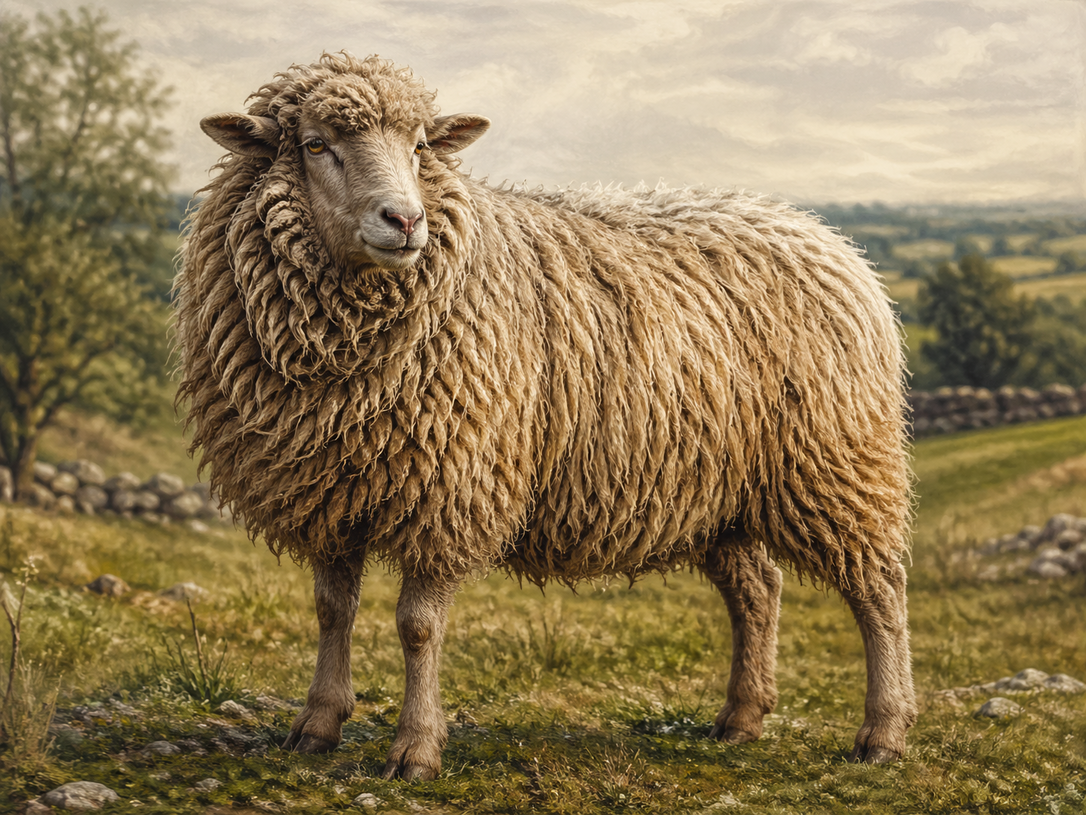
Larousse gives the word chabin two fields of meaning: a breed of sheep with long, coarse wool, and, in the Caribbean, a light-skinned person of Black or mixed-race parentage. This double definition says a great deal. The word moves between animal and human, between the vocabulary of livestock breeding and that of Creole societies.
The oldest documented meaning refers to the animal world. In zoological usage, chabin designates a hybrid born from the crossing of sheep and goats, generally described as the offspring of a buck and a ewe, or a ram and a goat. The frequently cited formula comes from Jean Louis Armand de Quatrefages de Bréau in The Human Species in 1877: he describes hybrids called chabins possessing “3/8 of the father’s blood and 5/8 of the mother’s blood.” This sentence belongs to an intellectual moment when European science claimed to classify living beings, measure origins, and organize differences in seemingly neutral language.
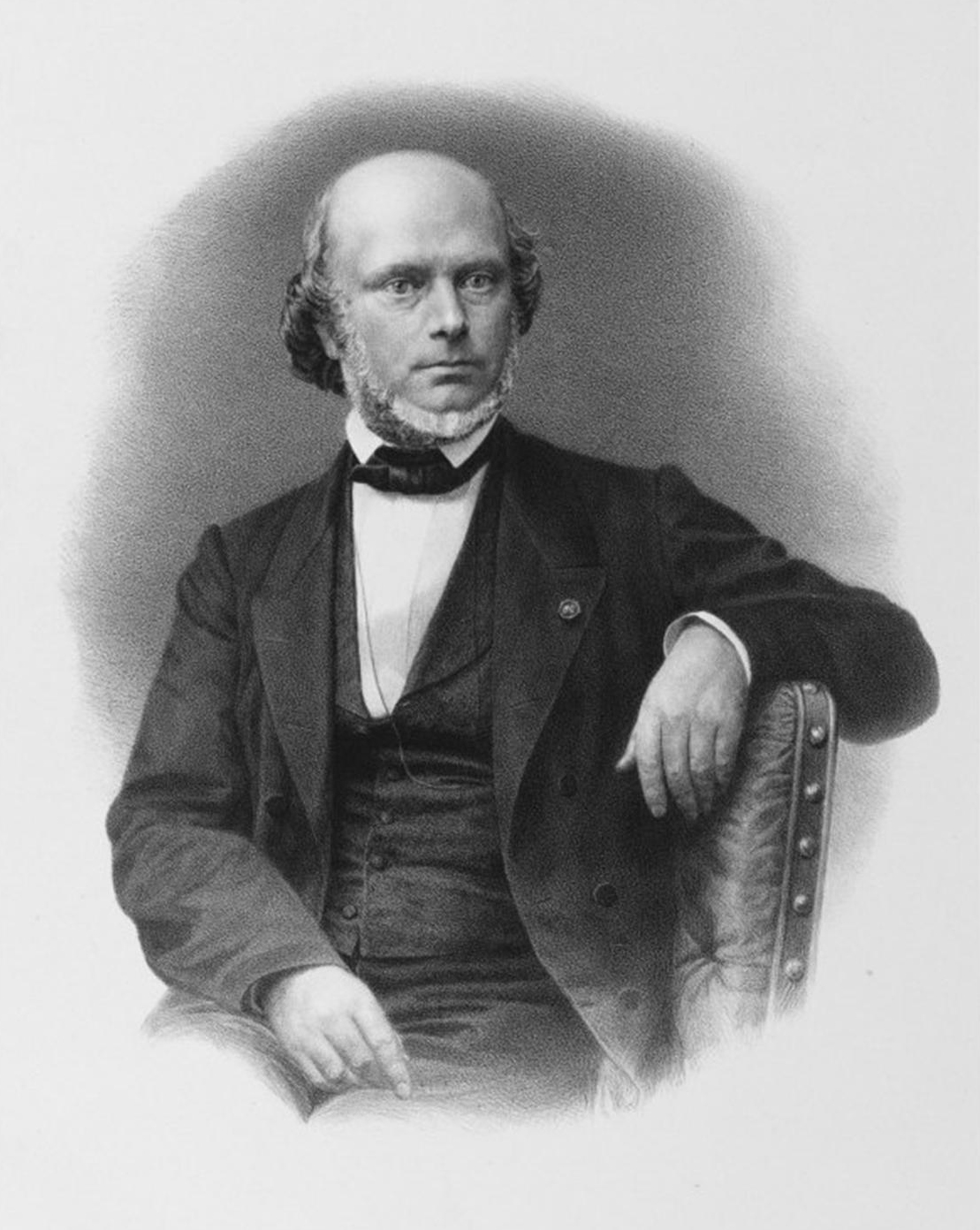
That is where the shock lies. A word once applied to hybrid animals was projected onto people. This projection bears the mark of a colonial society obsessed with color, lineage, status, and each person’s place within the racial order. In the slave societies of the Caribbean, and later in the post-slavery period, skin became a social sign. Hair, facial features, shades of color, and the presumed origins of one’s parents formed a grammar of classification.
Chabin(e) belongs to that grammar.
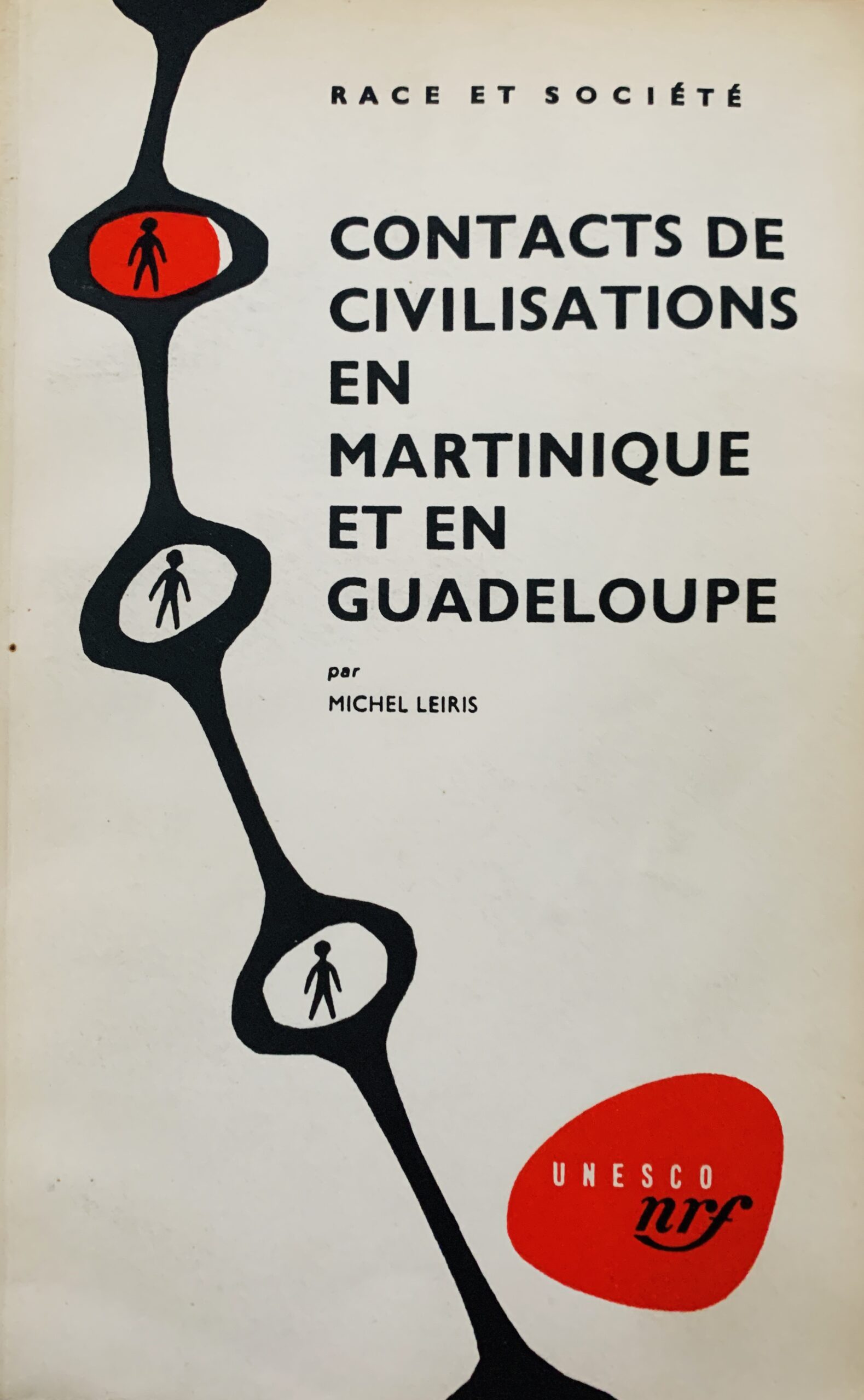
It names a body perceived as intermediate, but above all as paradoxical. Michel Leiris, in Contacts Between Civilizations in Martinique and Guadeloupe, published under UNESCO’s auspices in 1955, analyzed cultural and racial interactions in the French Caribbean. Studies citing his work recall his definition of the chabin as a figure presenting a “paradoxical combination of traits.”
This idea of paradox explains the enduring power of the word. The chabine draws attention because she disrupts categories. Light skin, kinky hair, blond or red hair, features associated with Africanity: her body contradicts simple classifications. In a society shaped by slavery, this contradiction becomes symbolically charged. It fascinates, unsettles, eroticizes, and marginalizes.
Colonial language thus manufactures social characters. It gives a name, then attaches to that name a series of supposed qualities. The chabine becomes beautiful, strange, nervous, dangerous, seductive, unpredictable. Popular culture sometimes repeats these traits through proverbs, stories, rumors, and folktale characters. Physical appearance becomes moral character. Skin tone becomes psychological destiny.
This process affects women in particular. The feminine form chabine concentrates a gendered gaze. The light-skinned woman with kinky, blond, or red hair becomes an object of both desire and suspicion. She embodies a beauty that is admired yet monitored. A singularity that is celebrated yet confined. A strong visibility constructed through an external gaze. In this way, the chabine enters the long history of Black and mixed-race women whose bodies have been read as public signs, spaces of projection, and supports for the social imagination.
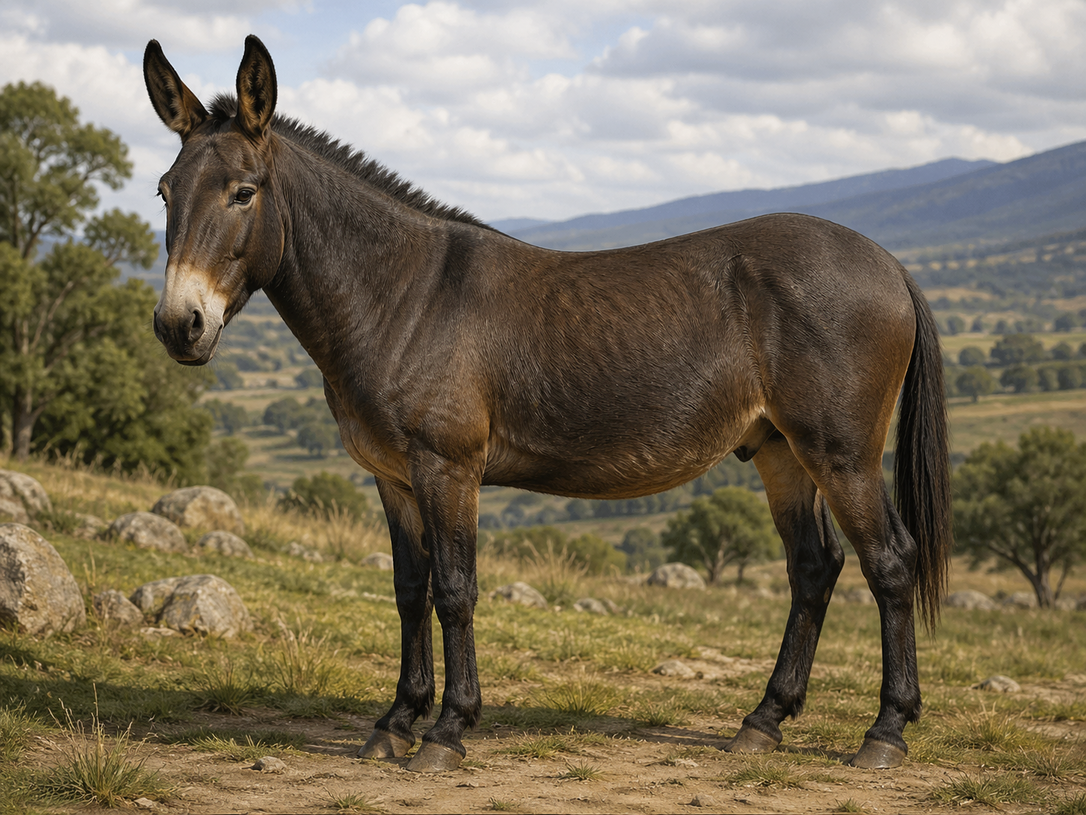
The term mulatto sheds light on the same logic. The CNRTL indicates that the French word comes from the Portuguese mulato, itself derived from the Castilian mulo, meaning “mule.” The entry specifies that the mulatto was conceived as a mixed-race person in the image of the mule. Once again, the animal serves as a lexical model for naming the human. Colonial vocabulary transformed human lineages into crossings. It borrowed from the categories of animal breeding to describe children born in slave societies.
This system of words belongs to a broader history: that of colonial racialization. Slave societies in the Americas invented categories to distinguish the free, the enslaved, the emancipated, so-called “people of color,” mixed-race people, Creole whites, deported Africans, and their descendants. Color functioned as a social language. It shaped rights, reputations, alliances, humiliations, marriages, and inheritances.
Words became instruments of governance. They classified the living. They organized distance. They inscribed the order of the plantation into language itself.
This is why the contemporary debate surrounding chabin(e) goes beyond vocabulary alone. It touches memory. Many people grew up with this word without knowing its historical depth. The term may have been used affectionately, without any intention to hurt. But a familiar usage can still carry a violent history. A compliment can prolong an imposed category. A linguistic habit can transport the old social order into the present.
The critical reclaiming of the word therefore marks an important step. Saying “pa krié mwen chabin” (“don’t call me chabin”) means rejecting a label inherited from a world that classified Black and mixed-race people from the outside. This phrase circulates within Caribbean activist and memorial spaces as a statement of identity: each person chooses the name they are willing to carry.
This claim expresses an intimate sovereignty. It places the named person at the center. It affirms that words transmitted by history can be questioned, refused, or replaced. It gives language a reparative function.
The question then becomes: how should we write and speak today?
The challenge lies in holding two truths together. First truth: chabin(e) is part of Caribbean linguistic heritage. The word belongs to Creole usages, family memories, popular narratives, and local imaginaries. Second truth: this heritage contains traces of colonial violence. The transmission of a word does not guarantee its innocence. The familiarity of a term does not erase its genealogy.
The history of chabin(e) reveals the political power of ordinary words. Post-slavery societies live with a language inherited from domination, but also with a permanent capacity for transformation. Words can wound, classify, and confine. They can also be overturned, criticized, re-signified, or abandoned.
Caribbean memory is also played out in this discreet battle. In the way bodies are named. In the way old nicknames are questioned. In the way a language more conscious of its history is passed on to new generations.
The word chabin(e) therefore tells a profound trajectory: that of an animal term that became a racial category, then a cultural figure, and finally an object of contestation. It reveals how slavery and colonization left traces even within everyday language. It reminds us that language preserves archives. Some archives sleep in libraries. Others survive in the sentences we speak without thinking.
Notes and references
- Le Robert, entry “chabin, chabine.” The dictionary defines the term, in Caribbean and Haitian usage, as a mixed-race person with African-type features, blond or red kinky hair, and light skin.
- Larousse, entry “chabin.” The dictionary gives two main meanings: a “breed of sheep with long, coarse wool” and, in the Caribbean, a light-skinned person of Black or mixed-race parentage.
- Marie-Christine Hazaël-Massieux, “Le chabin,” in Introduction to the Creole Language and Culture of the Lesser Antilles, chapter “Caribbean Realia,” European Research Group on Creole Languages.
- Michel Leiris, Contacts Between Civilizations in Martinique and Guadeloupe, Paris, UNESCO / Gallimard, 1955, p. 161.
- Stéphanie Mulot, “Chabines and Mixed-Race Women in the Caribbean World,” Clio. Women, Gender, History, no. 27, 2008.
- CNRTL / TLFi, entry “mulâtre, mulâtresse,” etymology. The CNRTL traces the word back to the Portuguese mulato, itself derived from the Castilian mulo, meaning “mule.”
- Jean Louis Armand de Quatrefages de Bréau, The Human Species, Paris, Germer Baillière, 1877.
- BiwOne / Madjah B, “Pa kriyé mwen chabin,” official music video.

