

Black superheroes now occupy a central place in pop culture, from Black Panther to Miles Morales. Their adversaries tell another story: one of Black figures placed on the side of crime, revenge, power, anger, and resistance. From Cottonmouth to Killmonger, Black supervillains reveal the deep tensions within American comics: representation, stereotypes, historical trauma, urban violence, and the desire for power.
When the Villain Becomes a Cultural Revelation
In comics, the hero embodies an ideal. The villain exposes the fracture. Villains concentrate the fears, contradictions, and anger that heroic narratives often prefer to contain. This rule applies especially to Black characters. For a long time, Black superheroes carried an overwhelming symbolic burden: respectability, sacrifice, exemplary conduct, education. Black supervillains, meanwhile, were often assigned the darkest corners of the American imagination: urban crime, political rage, social revenge, and violence born from exclusion.
This gallery of characters therefore tells a story far deeper than the simple opposition between good and evil. It tells how Marvel, DC, Milestone, and other publishers projected onto Black bodies their urban anxieties, fantasies of power, narratives of marginality, and sometimes even their most political intuitions.
The Black supervillain often appears at the crossroads of three worlds: the neighborhood, the state, and war. He rules a street, challenges a nation, threatens a kingdom, or attacks a metropolis. His body often bears a mark: armor, a bite, albino skin, mutation, technology, a family wound. His identity is almost always political.
10 Black Comic Book Supervillains (The Other Face of Representation)
Cottonmouth: Harlem, the Mob, and the Blaxploitation Legacy
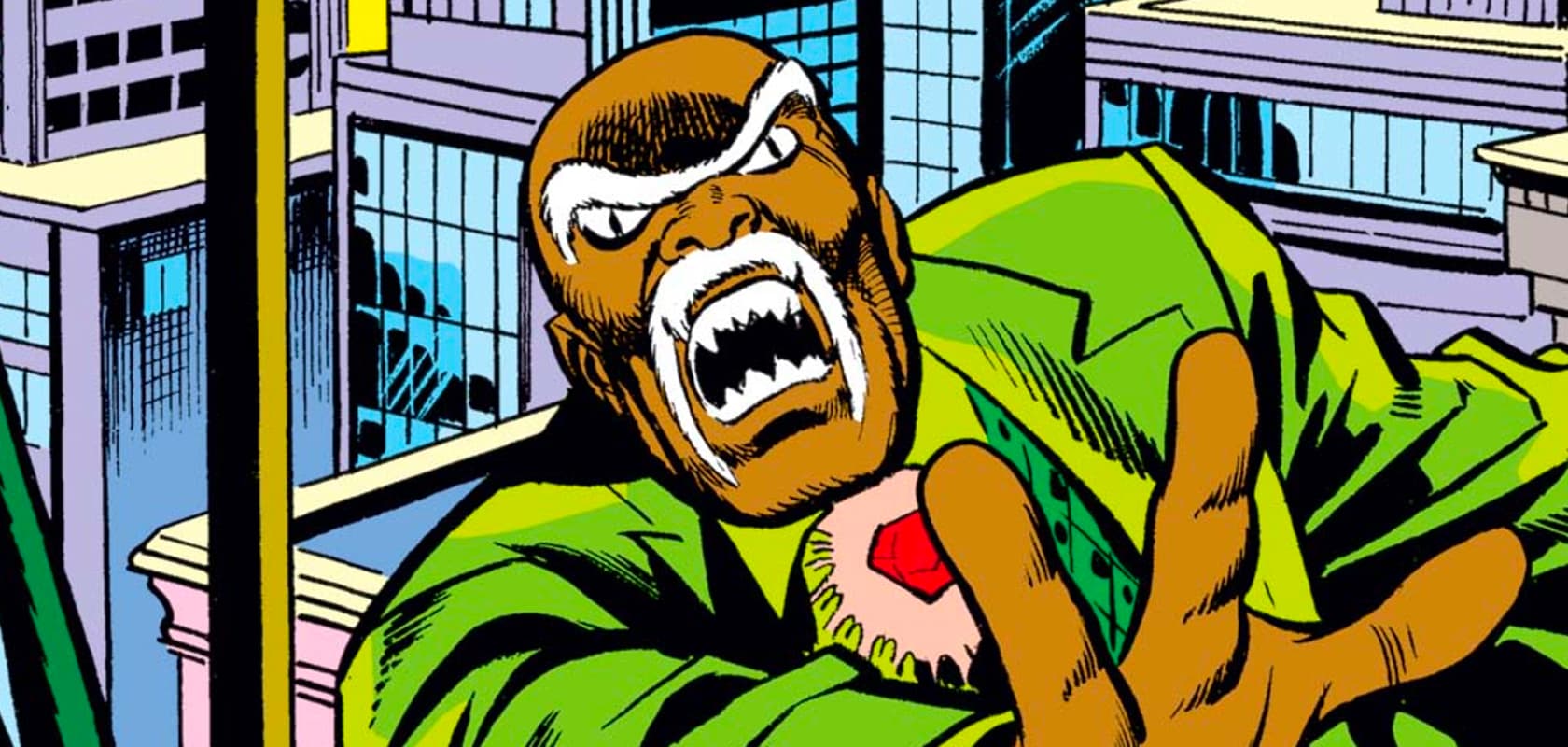
Cornell Stokes, alias Cottonmouth, belongs to the world of Luke Cage. Marvel introduced his first full appearance in Power Man #19 in 1974, complete with sharpened fangs and a criminal identity tied to heroin trafficking.
Cottonmouth was born within a precise cultural context: the 1970s, the explosion of blaxploitation, urban storytelling, Harlem, fears surrounding drugs, and the figure of the Black crime boss. In the comics, he possesses an almost animalistic brutality, reinforced by teeth shaped like fangs. His name places him within serpent imagery: rapid attack, social venom, danger lurking in the shadows.
Netflix’s Luke Cage series transformed his status. Mahershala Ali turned Cottonmouth into a tragic, elegant, calculating character rooted in a family and musical history. The character gained new depth: he became a Harlem kingpin, the heir to a criminal world he did not entirely choose, a man trapped between ambition, trauma, and pride.
Cottonmouth illustrates an important evolution: a character born from pulp imagination can become, in the right hands, a powerful dramatic figure. The villain retains his violence, but his intelligence, style, and presence give him cultural density.
Tempo: Time as a Political Weapon
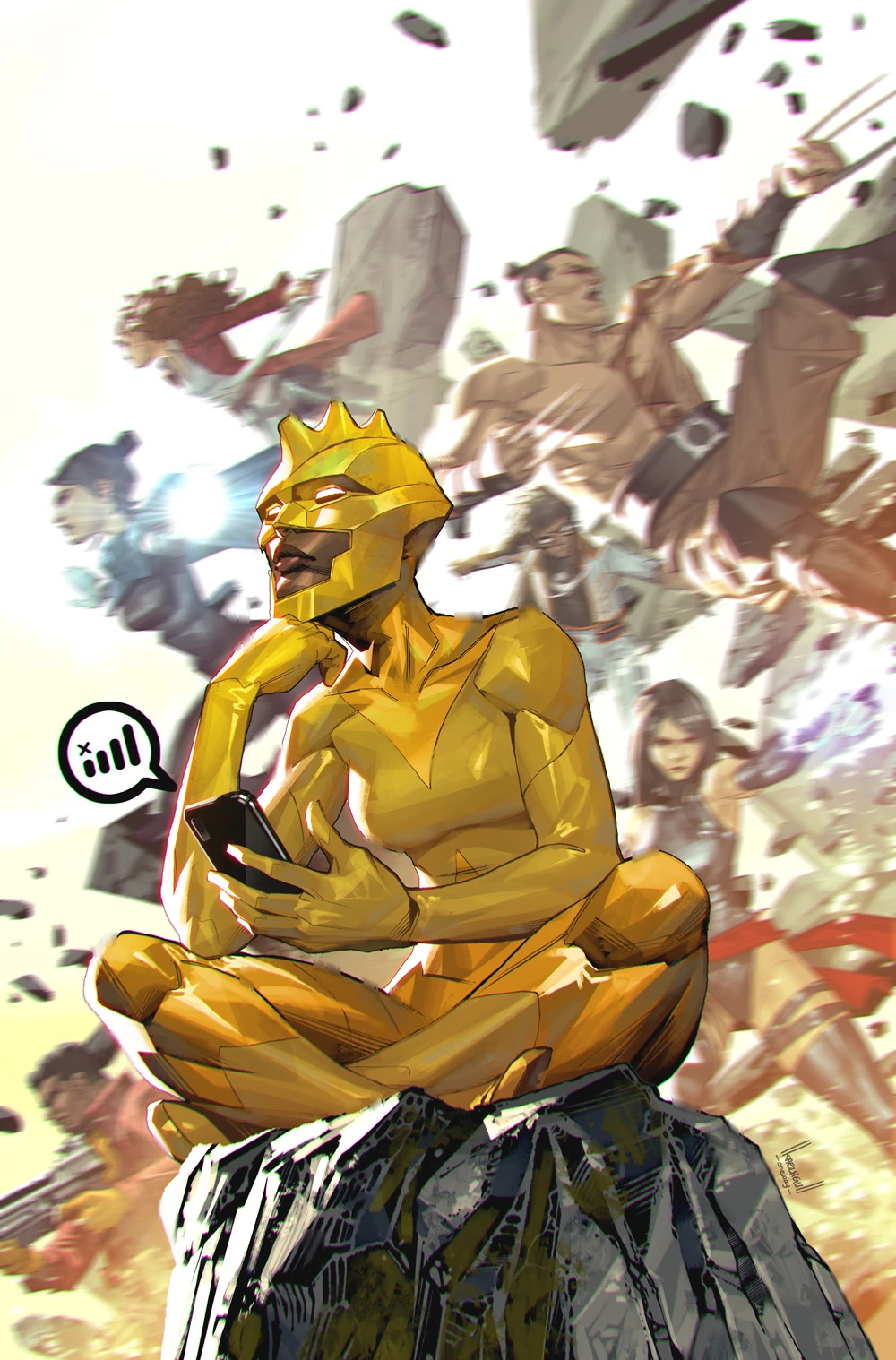
Heather Tucker, alias Tempo, first appeared in New Mutants #86 in 1990. The character is an African American mutant capable of manipulating time, associated with the Mutant Liberation Front before later joining groups such as the Acolytes and the Marauders during different editorial eras.
Tempo represents a fascinating case within the gallery of Black supervillains. Her power revolves around rhythm control. She slows, accelerates, or freezes action itself. In combat, this ability amounts to near-total domination: whoever controls time controls space, movement, and the enemy’s reaction.
Her time with the Mutant Liberation Front places her within one of the X-Men’s central political traditions: mutants radicalized by persecution. In this universe, the line between terrorism, resistance, and self-defense remains deliberately unstable. Tempo participates in violent acts, but her commitment is rooted in a collective struggle in which mutants see survival itself as war.
She therefore embodies a figure of minority radicalism. Her power offers a clear metaphor: a Black mutant woman refusing the tempo imposed by others and forcing the world to move to hers instead.
Bushmaster: Crime, Revenge, and Caribbean Memory
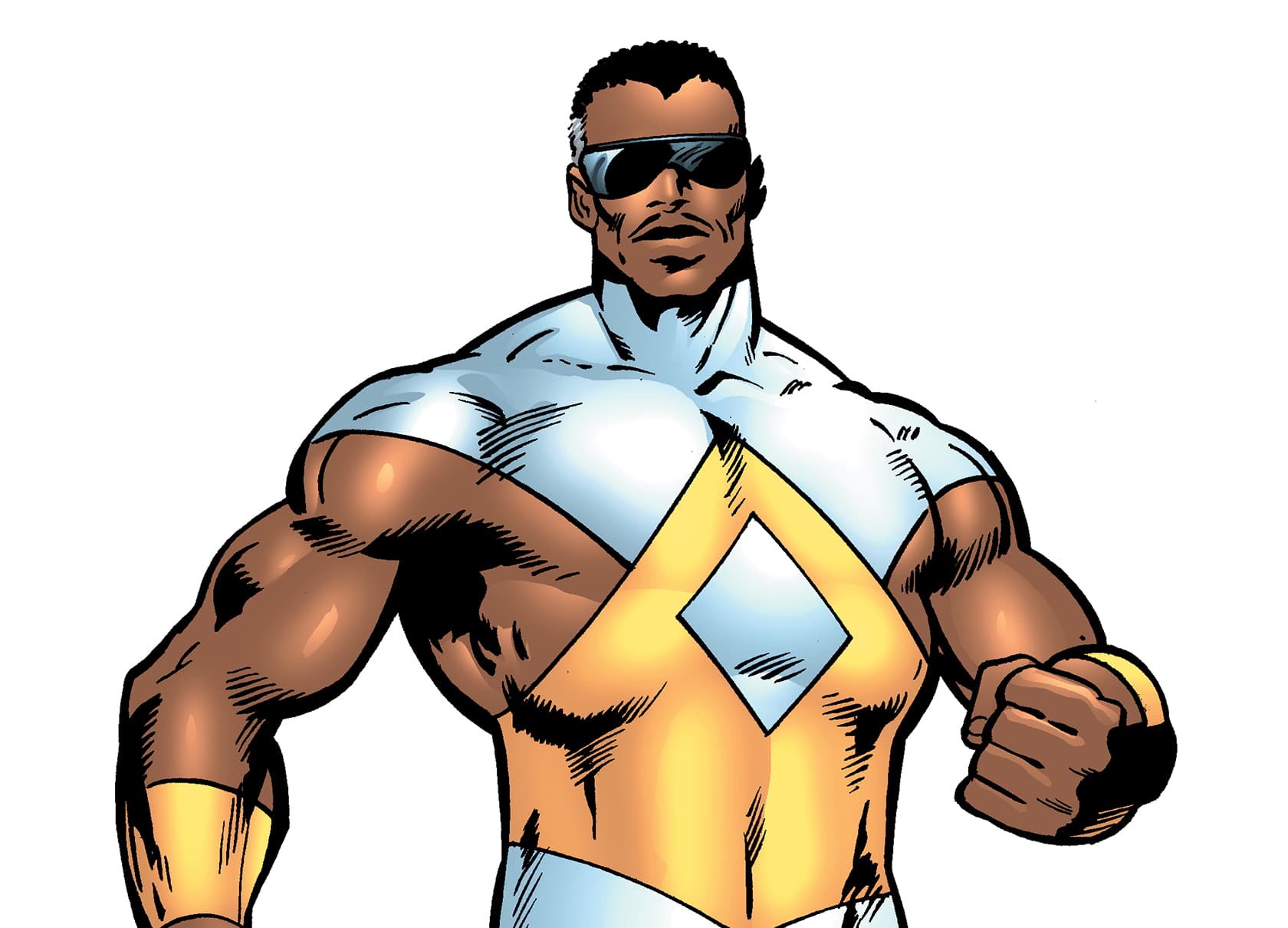
John McIver, alias Bushmaster, first appeared in Iron Fist #15 in 1977. Marvel introduced him as a major criminal tied to Luke Cage’s street-level universe, with a trajectory shaped by violence, ambition, and extreme physical transformations depending on the version.
Bushmaster occupies a singular place, especially after Luke Cage season 2, where Mustafa Shakir gave him a Caribbean, mystical, and vengeful presence. This version roots violence within a family history: Jamaican heritage, memories of humiliation, revenge against Harlem’s Paradise, and a spiritual connection to ancestral roots.
His conflict with Luke Cage functions as a duel between two forms of Black masculinity. Luke Cage represents community protection, restraint, strength used as a shield. Bushmaster embodies wounded memory, revenge, strength used as restitution. The battle becomes physical, moral, and historical.
Bushmaster belongs to the category of villains who gain power the moment the narrative fully embraces their cultural origins. His danger comes from his strength, his patience, and his roots in a transatlantic memory.
Madam Slay: Wakanda, Leopards, and 1970s Camp
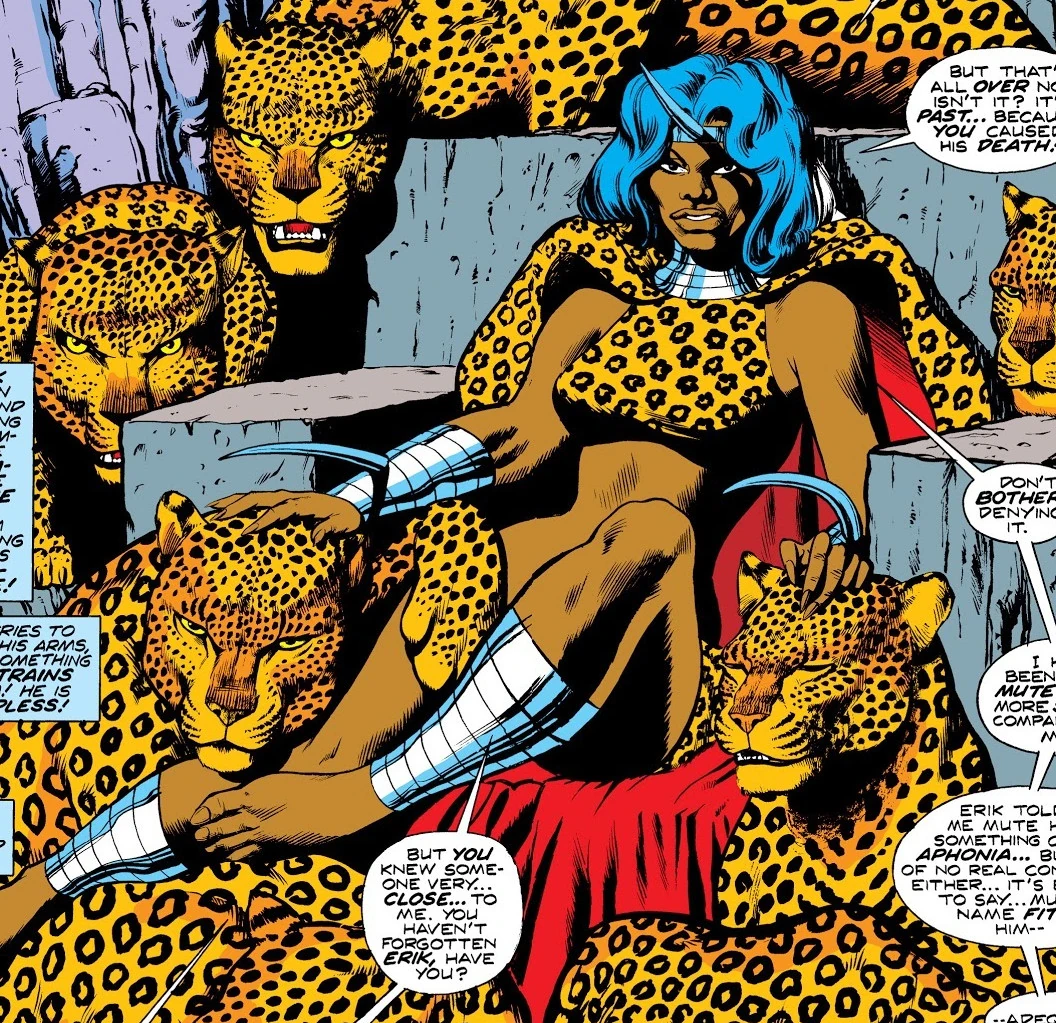
Madam Slay first appeared in Jungle Action #18 in 1975, within the Black Panther universe. The Marvel Database lists this issue as the character’s debut.
Her concept sounds extravagant: a woman capable of controlling leopards, dressed in feline imagery, associated with Killmonger and threats against Wakanda. That extravagance belongs to the style of the 1970s, an era when comics mixed pulp adventure, African fantasy, blaxploitation, and visual experimentation.
Yet Madam Slay possesses immense potential. Reimagined through an afrofuturist aesthetic, she could become a major Wakandan antagonist: guardian of a feline cult, war leader, ecological strategist, spiritual rival to the Black Panther. Her relationship to animals, territory, and power opens a path different from technological or military enemies.
Marvel has rarely used her. That rarity says something as well: many Black characters already exist within comic book archives, but they are still waiting for an ambitious reinterpretation.
Red Lion: The Controversial Mirror of Black Panther
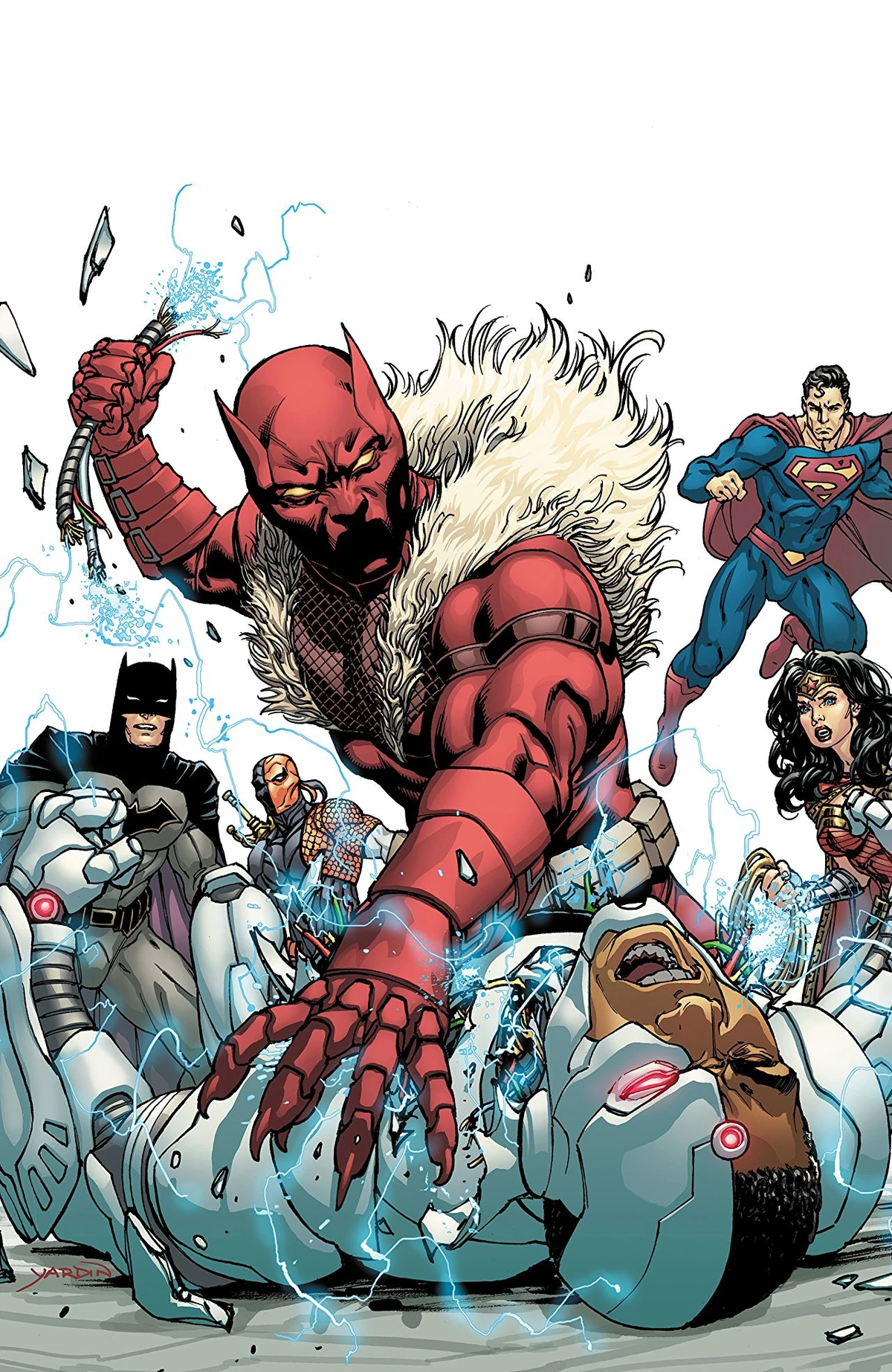
Matthew Bland, alias Red Lion, debuted at DC in Deathstroke: Rebirth #1 in 2016. The character was created by Christopher Priest and Carlo Pagulayan, according to specialized references.
Red Lion immediately invites comparison to Black Panther: fictional African ruler, feline armor, claws, strategy, imaginary nation, political power. The resemblance sparked controversy, especially because Christopher Priest played a major role in Black Panther’s modern history at Marvel, particularly in enriching the Wakandan mythos.
The character therefore functions as a troubling mirror. He raises an editorial question: at what point does influence become duplication? DC possesses a powerful concept here, but one weighed down by obvious visual and narrative proximity to T’Challa.
Yet Red Lion could support a compelling geopolitical narrative: an authoritarian, strategic, cynical African ruler caught in resource wars and superhero diplomacy. His value will always depend on the writing. Used as a copy, he will remain secondary. Developed as a complex head of state, he can become a genuine political figure within DC.
Frenzy: Brute Force, Ideological Loyalty, and Mutation
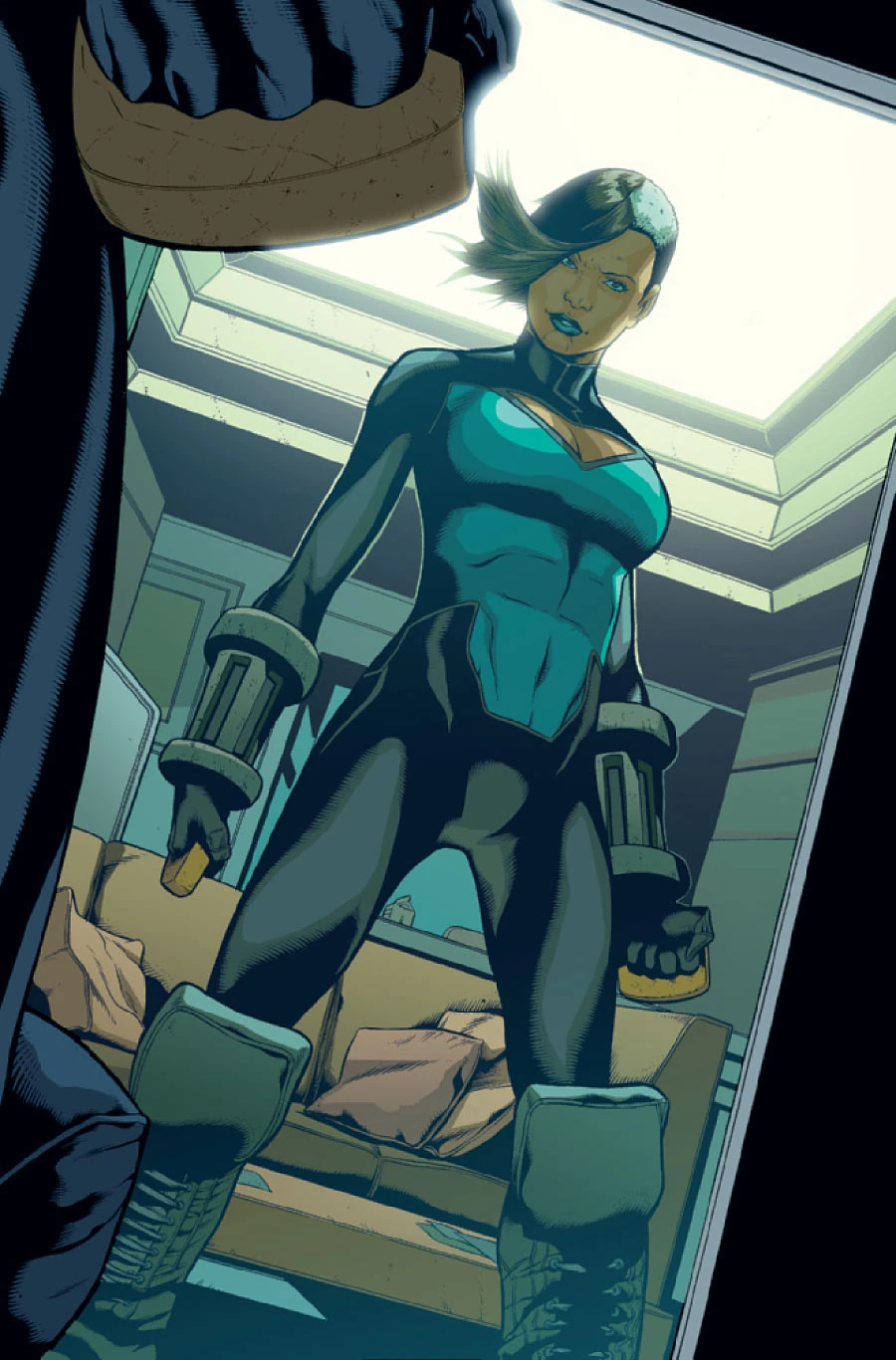
Joanna Cargill, alias Frenzy, first appeared in X-Factor #4 in 1986. She began as a member of the Alliance of Evil before passing through several affiliations, including the Acolytes, and eventually joining heroic teams during certain Marvel eras.
Frenzy possesses superhuman strength, immense durability, and direct aggression. In a universe saturated with telepaths, cosmic manipulators, and mutant strategists, she occupies a clear role: she hits hard, absorbs punishment, and imposes her presence.
Her importance goes beyond physical power. Frenzy embraces ideologies centered on survival, domination, and mutant liberation. She moves through the harshest margins of the mutant movement. She believes in strength because the Marvel universe has often portrayed mutants as a hunted, exploited, and manipulated minority.
Frenzy embodies disciplined anger. Her trajectory tells the story of a Black mutant woman long used as muscle gradually evolving into a more political and morally ambiguous figure.
Tobias Whale: The Albino, the Kingpin, and Invisible Power
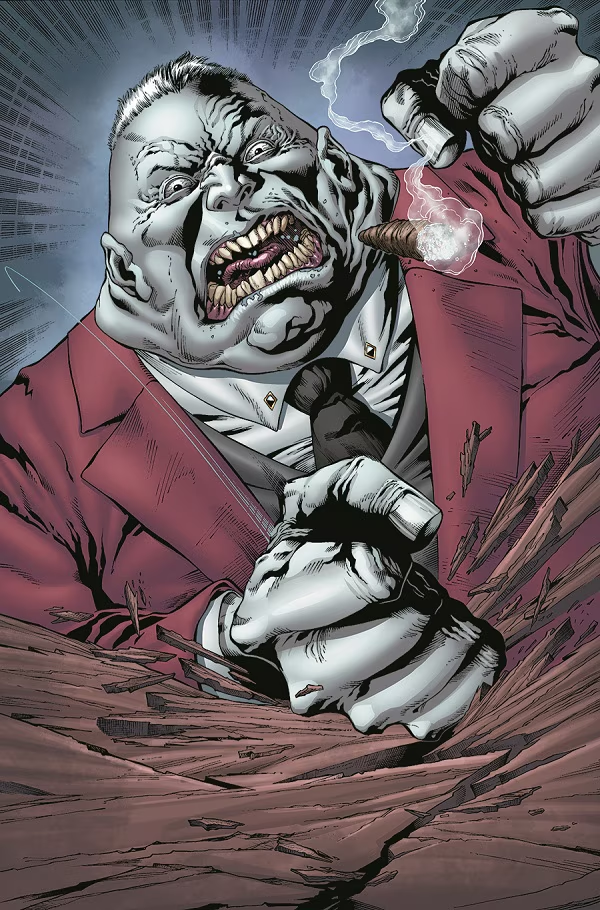
Tobias Whale first appeared in Black Lightning #1 in 1977, alongside the debut of Black Lightning himself. The DC Database lists Tobias Whale in that inaugural issue.
Tobias Whale belongs to the great tradition of the crime boss. He rules, finances, corrupts, manipulates. His visual specificity — a Black albino man — gives him an immediately recognizable presence. His body makes him seem spectral, almost unreal, while his power is extremely concrete: control of the streets, influence over criminal networks, political reach.
The CW series Black Lightning, which aired from 2018 to 2021, greatly strengthened his popularity. Marvin “Krondon” Jones III imposed a chilling version of the character: calm voice, cold authority, restrained violence, predator-like charisma. This portrayal transformed Tobias Whale into Black Lightning’s definitive television nemesis.
The character possesses greater potential than his usual role in comics suggests. Alongside Lex Luthor, Amanda Waller, and other DC power players, Tobias Whale could embody institutionalized Black criminality: ambitious, strategic, capable of rivaling the white elites of crime and politics.
Aaron Davis/Prowler: The Uncle, the Thief, and the Shadow of Miles Morales
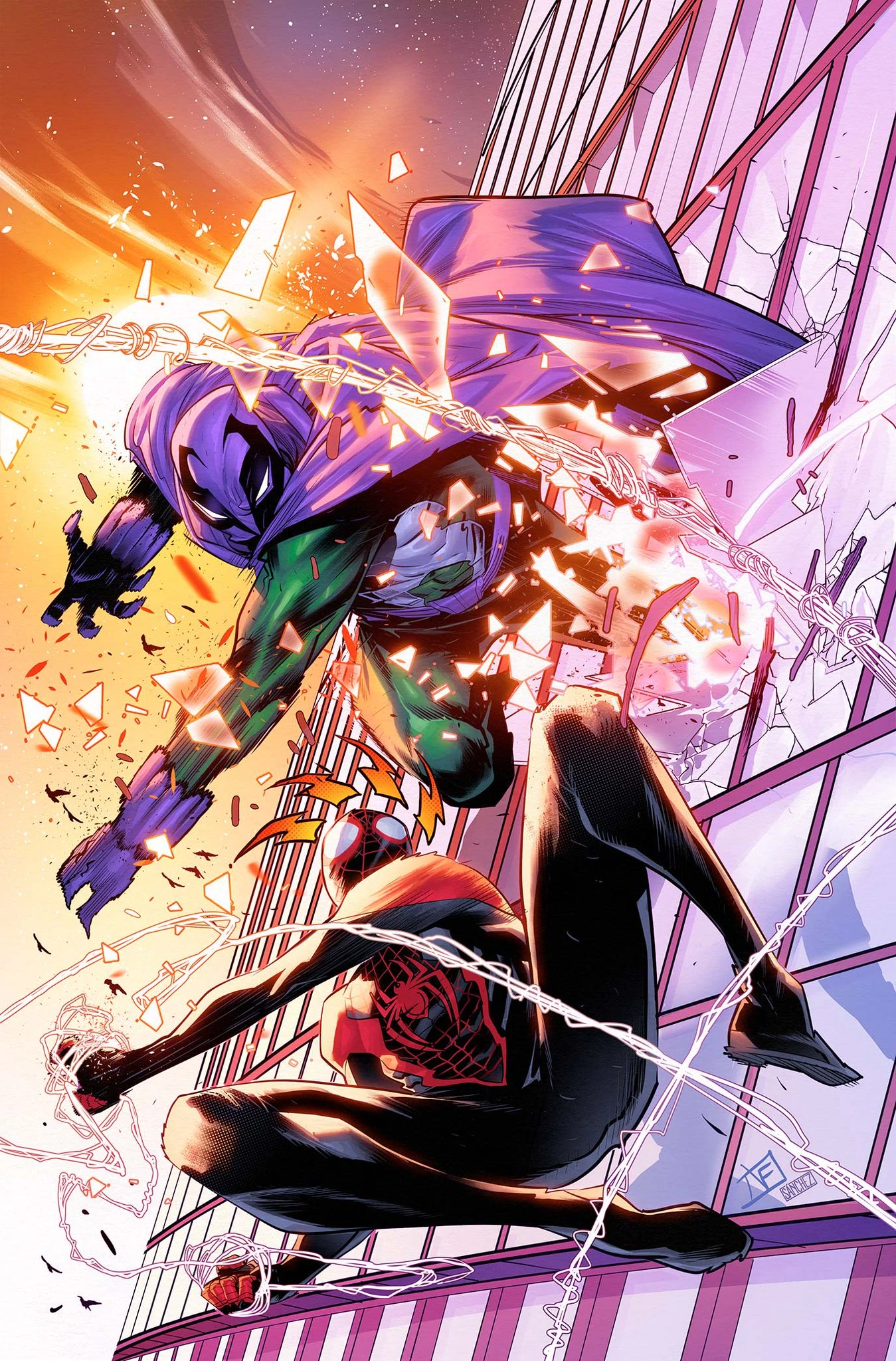
The name Prowler dates back to Hobie Brown, introduced in The Amazing Spider-Man #78 in 1969. Aaron Davis, the Ultimate version connected to Miles Morales, first appeared in Ultimate Comics: Spider-Man #1 in 2011. The Marvel Database lists this issue as the debut of Aaron Davis/Prowler alongside Rio Morales and Jefferson Davis.
Aaron Davis occupies an exceptionally strong narrative position: he is Miles Morales’s uncle. His criminal activities indirectly cause the bite from the genetically modified spider that grants Miles his powers. The villain therefore becomes the hero’s origin.
This relationship gives Prowler a rare emotional weight. He belongs to family, secrecy, temptation, easy money, and conflicted loyalty. He can love Miles while leading him toward danger. He can protect and corrupt. He becomes Spider-Man’s intimate shadow.
Spider-Man: Homecoming introduced Aaron Davis in live action through Donald Glover, a major nod to Miles Morales fans. The character later gained immense power in animation with Spider-Man: Into the Spider-Verse, where his dramatic role became central to Miles’s moral formation.
Prowler represents the ultimate familial villain: the one the hero understands, loves, and must ultimately surpass.
Black Manta: Revenge as Identity
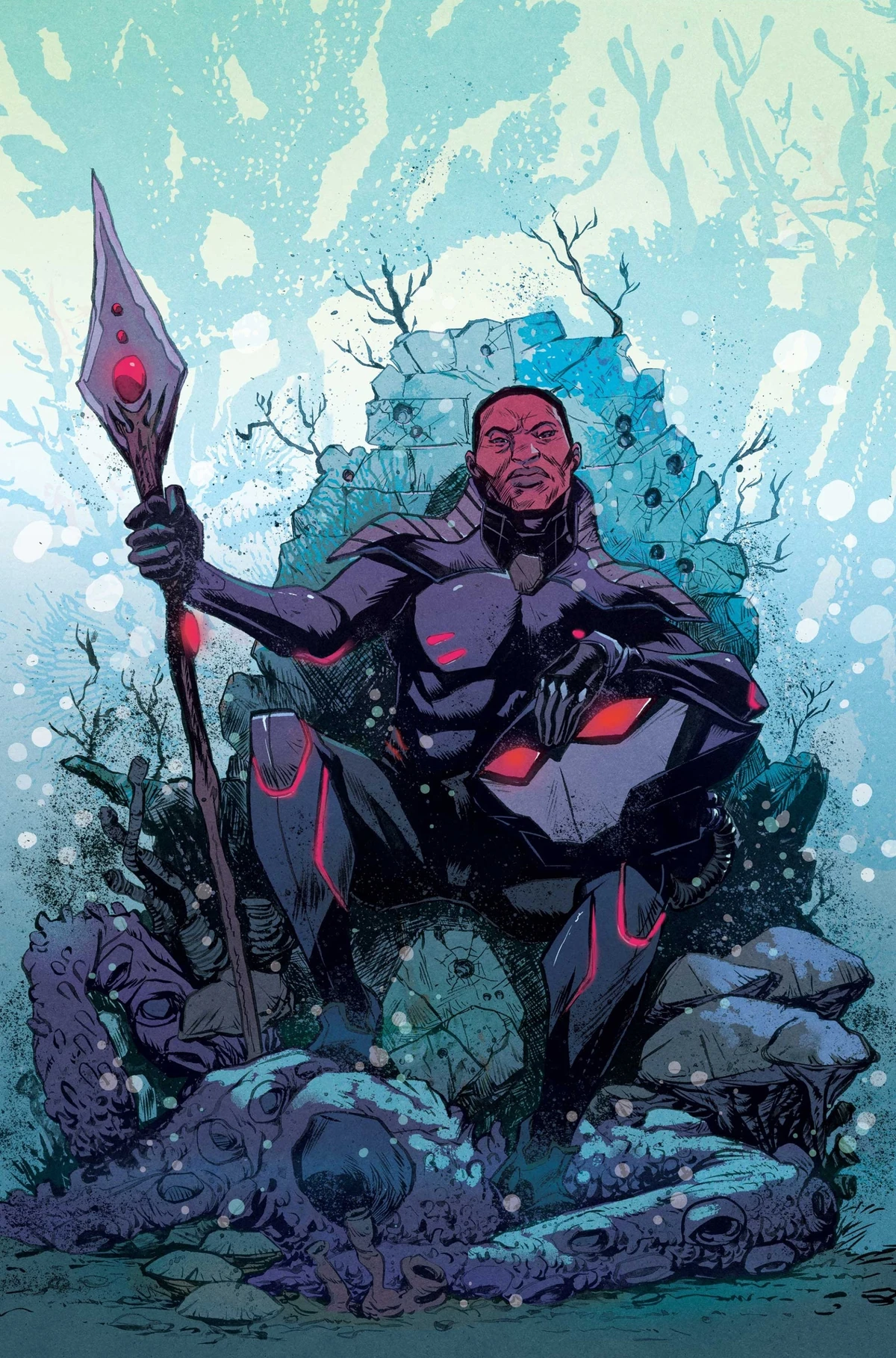
Black Manta first appeared in Aquaman #35 in 1967. DC officially presents him as one of Aquaman’s greatest enemies, driven by a deep hatred for the king of Atlantis and an identity long hidden behind his helmet.
Black Manta fascinates through his design: massive helmet, militarized diver silhouette, red eyes, underwater armor. For a long time, part of the public did not even realize he was Black, precisely because the masked appearance dominated the character’s imagery.
His defining motivation is revenge. David Hyde pursues Aquaman with total obsession. His suit grants him strength, underwater mobility, advanced weaponry, and optic blasts. But his true power lies in his tactical intelligence. He plans, hunts, returns, and begins again.
Yahya Abdul-Mateen II strengthened the character’s contemporary visibility in Aquaman in 2018. His portrayal gave Black Manta a readable family pain and an effective personal rage. The character thereby gained a form of tragic nobility, even when his methods remained destructive.
Black Manta possesses strong antihero potential. DC could easily place him within a moral territory closer to Venom: brutal, obsessive, violent, yet driven by a coherent internal logic.
Killmonger: The Villain Who Shifted the Political Debate
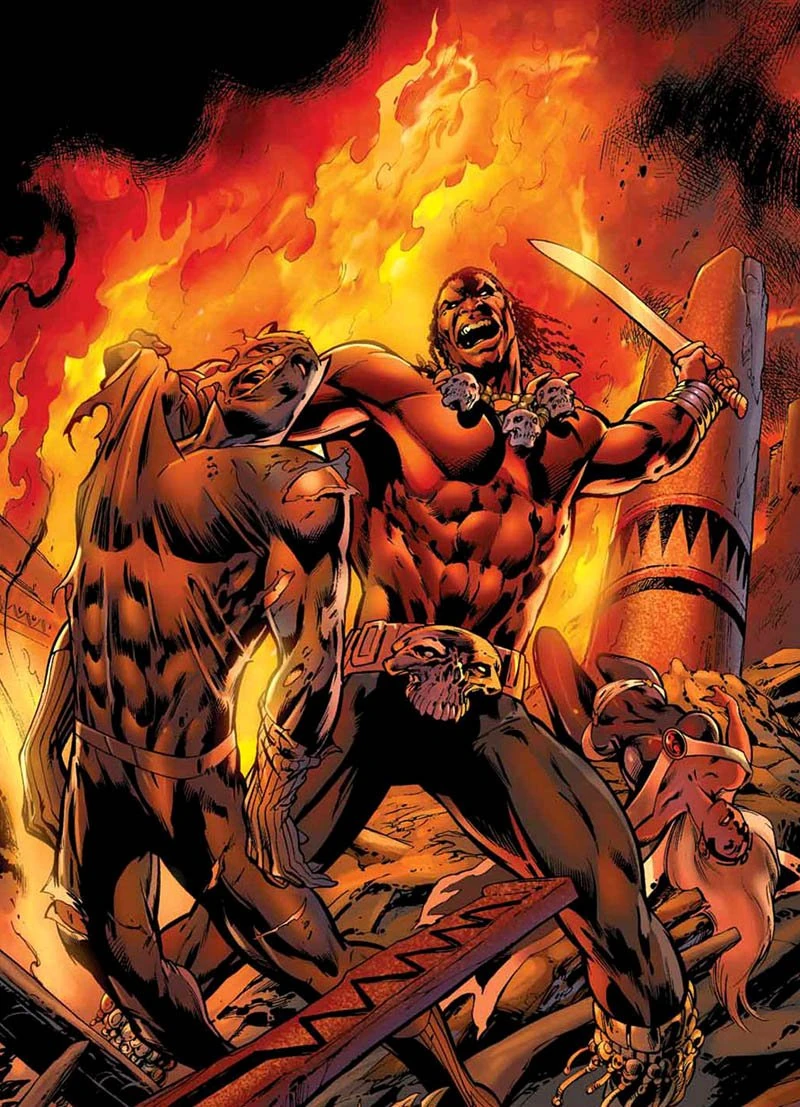
Erik Killmonger first appeared in Jungle Action #6 in 1973, during the “Panther’s Rage” storyline. Marvel presents this issue as Killmonger’s debut, written by Don McGregor and illustrated by Rich Buckler.
Killmonger now occupies a category of his own. Ryan Coogler’s 2018 film Black Panther, carried by Michael B. Jordan, transformed a relatively niche comic book adversary into a global pop culture figure. The character immediately became the subject of debate: his methods are violent, his project imperialistic, but his diagnosis regarding the abandonment of Black peoples across the world struck a sensitive nerve.
Michael B. Jordan later won the Academy Award for Best Actor in 2026 for his dual role in Sinners, according to Entertainment Weekly and People. That recognition retrospectively reinforces the importance of his Killmonger performance within the history of Black performances in mainstream cinema.
Killmonger’s power comes from his conflict with Wakanda. He accuses Africa’s most powerful nation of protecting its own prosperity while leaving the Black diaspora to face slavery, colonization, segregation, police violence, poverty, and humiliation alone. He transforms diasporic trauma into a military program.
His rise in the film tells the story of an internal war within the Black world: continental Africa, the diaspora, protected elites, abandoned communities, the memory of slavery, revenge against the West. Killmonger resonates because he formulates a question the film takes seriously: what is the value of Black power if it remains locked behind borders?
That is why he dominates this gallery. Killmonger goes beyond the role of adversary. He forces the hero to change. After him, T’Challa opens Wakanda to the world. The villain therefore produces a political transformation within the hero. In comics as in cinema, that function defines the greatest antagonists.
Honorable Mentions: An Underused Pantheon


Several other figures deserve a place in this history. Tombstone, Spider-Man’s adversary introduced in Web of Spider-Man #36 in 1988, embodies another version of the Black albino criminal figure, complete with superhuman strength and deep New York roots. M’Baku, introduced in Avengers #62 in 1969, spent years as a Black Panther antagonist before receiving a nobler reinterpretation in the MCU. Moses Magnum, Diamondback, Nightshade, Achebe, Holocaust from Milestone, Ebon from the Static universe: each opens the door to another kind of narrative.
This abundance reveals a simple reality: comics already possess a vast reservoir of complex Black characters. Many remain underdeveloped, rarely adapted, and seldom placed at the center of stories. Black supervillains often suffer from a lack of sustained writing. They exist as powerful concepts, then disappear for years.
Their potential, however, is immense. They can carry stories about the city, Africa, the diaspora, prison, war, capitalism, technology, revenge, religion, ecology, and sovereignty.
The Dark Side of Representation
Black comic book supervillains tell an essential story within popular culture. They concentrate fears, anger, wounds, and ambitions that Black heroes were long expected to contain. Cottonmouth tells the story of Harlem and organized crime. Tempo tells the story of minority radicalism. Bushmaster tells the story of Caribbean revenge. Madam Slay tells the story of Wakanda through the forgotten lens of camp and ritual. Red Lion tells the story of symbolic competition surrounding fictional Africa. Frenzy tells the story of mutant Black strength. Tobias Whale tells the story of criminal influence and visible difference. Prowler tells the story of family as a gray zone. Black Manta tells the story of absolute revenge. Killmonger tells the story of the fracture between Africa and its diaspora.
These characters deserve more than decorative roles. They give superhero universes their political depth. They remind us that Black representation in comics becomes more powerful when it also embraces contradiction, ambiguity, anger, and danger.
A great hero reveals what a society hopes for. A great villain reveals what it fears.

