

There is something deeply unsettling about the consistency of it. No matter the continent, no matter the decade, no matter the sport: the moment a Black athlete or celebrity speaks up on a political issue, the same machine kicks into gear. Their arguments go unanswered. Their right to have arguments is denied.
Two stories. Two countries. Eight years apart. The same playbook.
Mbappé, Le Pen, and the Champions League
On May 12, 2026, Vanity Fair published a long interview with Kylian Mbappé. The captain of the French national team spoke as a citizen: he said he understood what the rise of the Rassemblement National represents, what it could mean for his country, for people who look like him. “You can be a footballer, an international star, but first and foremost, you are a citizen,” he said. “We are not disconnected from the world, or from what our country is going through.”
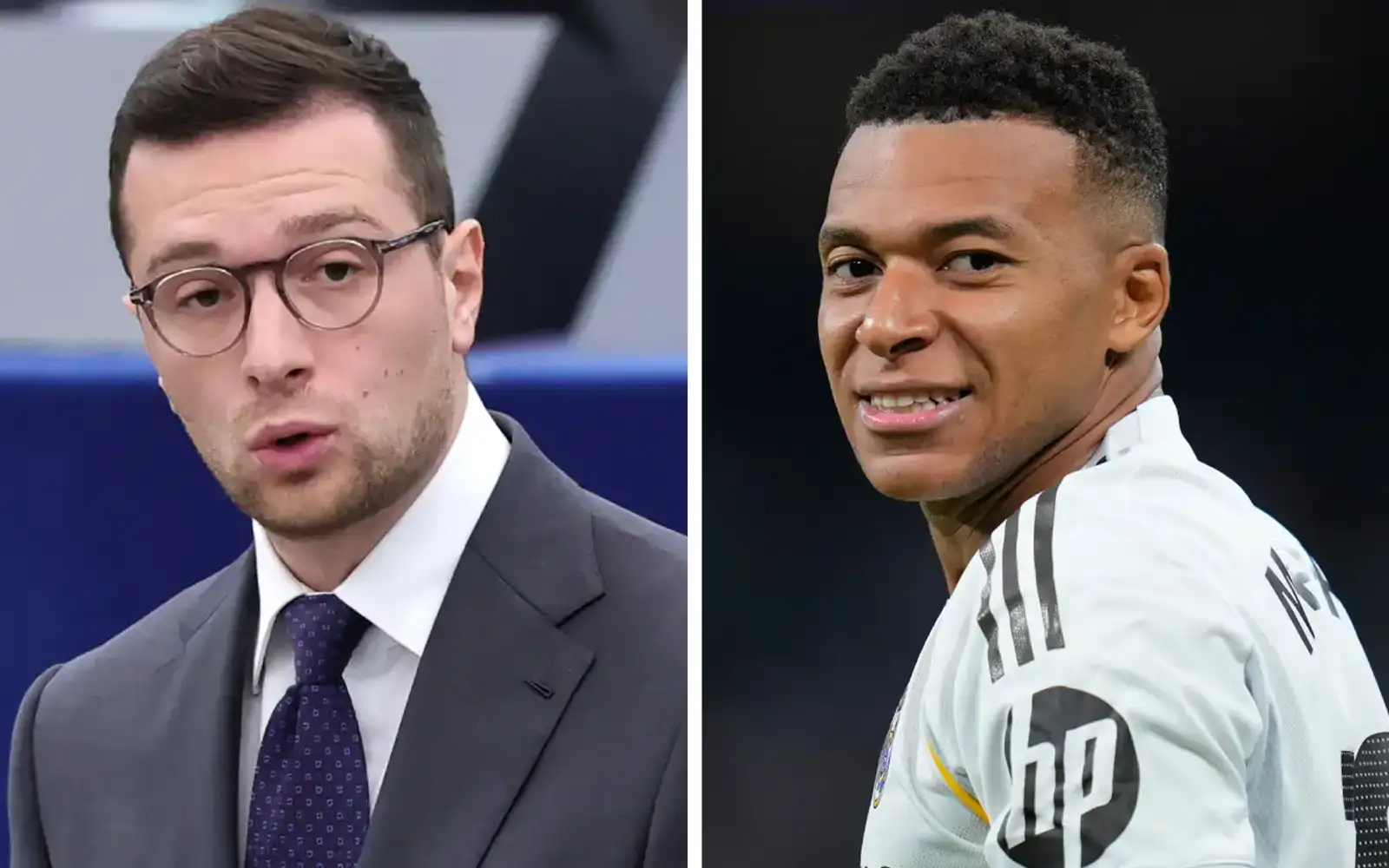
The RN’s response was swift. Jordan Bardella first, on X, with a dig about the player’s departure from PSG. Then Marine Le Pen, on RTL: “When he says we won’t win the elections, it reassures me. He left PSG for Real Madrid saying it was to win the Champions League. In the meantime, PSG also won the Champions League.”
A joke, on the surface. But look at what it actually does: it doesn’t engage with Mbappé’s point. It invalidates his voice through his sporting record. It reduces the captain of the French national team to what he is supposedly for: goals, assists, trophies. Not politics. Not citizenship. Not history.
RN official Julien Odoul went further, arguing that Mbappé, as captain, “owes a minimum of discretion.” Sébastien Chenu concluded by advising the player to “stick to the field he knows.”
The message is clear, even if it is never stated so bluntly: know your place.
LeBron, Ingraham, and “Shut Up and Dribble”
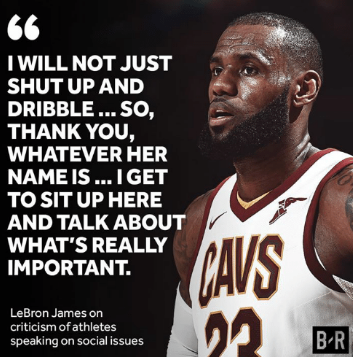
Let’s go back. February 2018. LeBron James, then playing for Cleveland, speaks out on a podcast on his own media platform, Uninterrupted. He criticizes Donald Trump, talks about the social climate in the United States, says he cannot recognize himself in a president he sees as disconnected from the people.
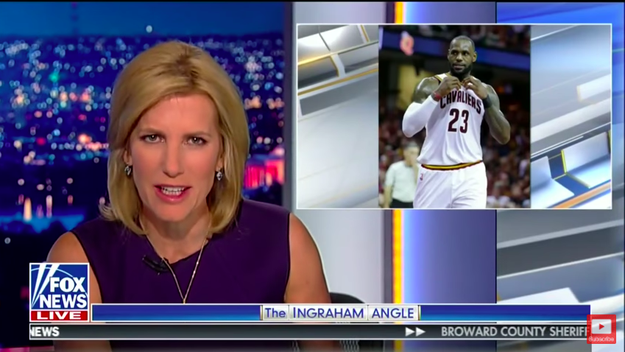
Laura Ingraham, a star host on Fox News, responds on air. She calls his remarks “barely intelligible” and “ungrammatical.” She mocks the fact that he never got a college degree. And then she delivers the line that would make history: “Shut up and dribble.”
“We don’t want to hear your political commentary,” she told him. “You’re paid a hundred million dollars a year to bounce a ball.”
The symmetry with Le Pen’s response is striking. In both cases, the athlete’s political voice is emptied of its content and redirected to their professional activity as the only acceptable arena. In both cases, mockery replaces debate. In both cases, it is the voice of a Black man that is targeted.
A Machine Built to Disqualify
What is at stake here is not a simple debate about whether athletes should get involved in politics. It is something more structural. Something older.
For decades, Black athletes have existed in the public sphere under a regime of exception: their bodies were welcomed, admired, celebrated, even exploited — but their words remained conditional. Tolerated only on subjects deemed neutral or harmless. The moment they spoke politically, the moment they named power dynamics or took a stance on social issues, the same reflex activated: you don’t belong here.
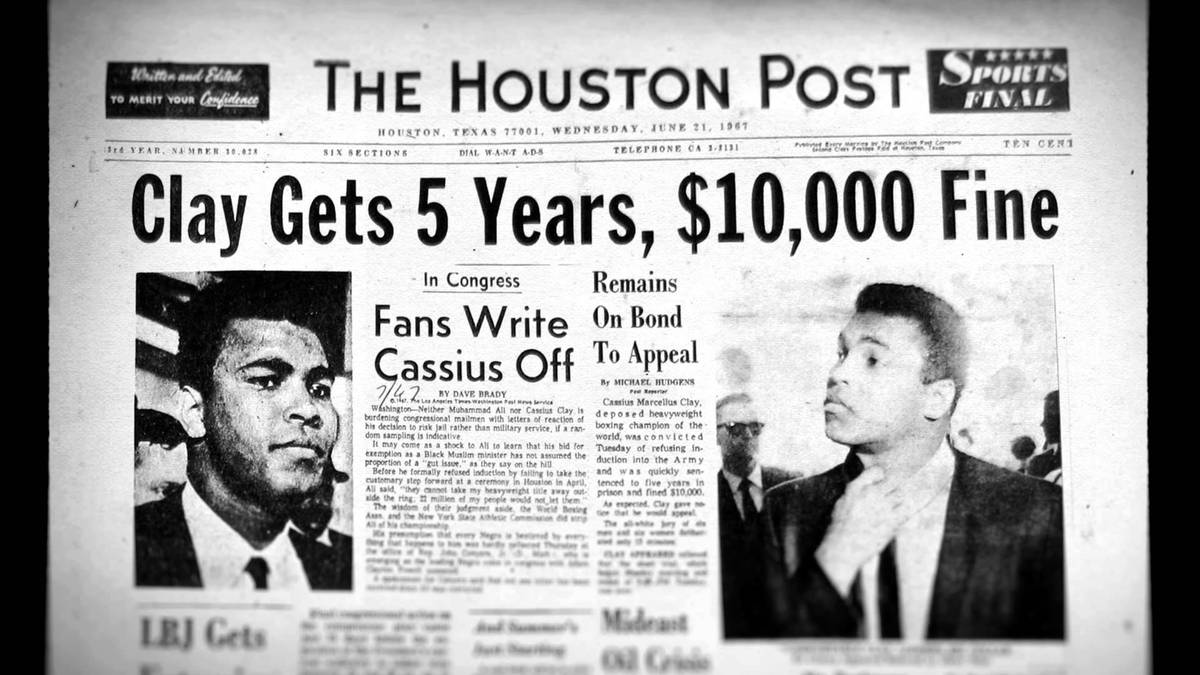
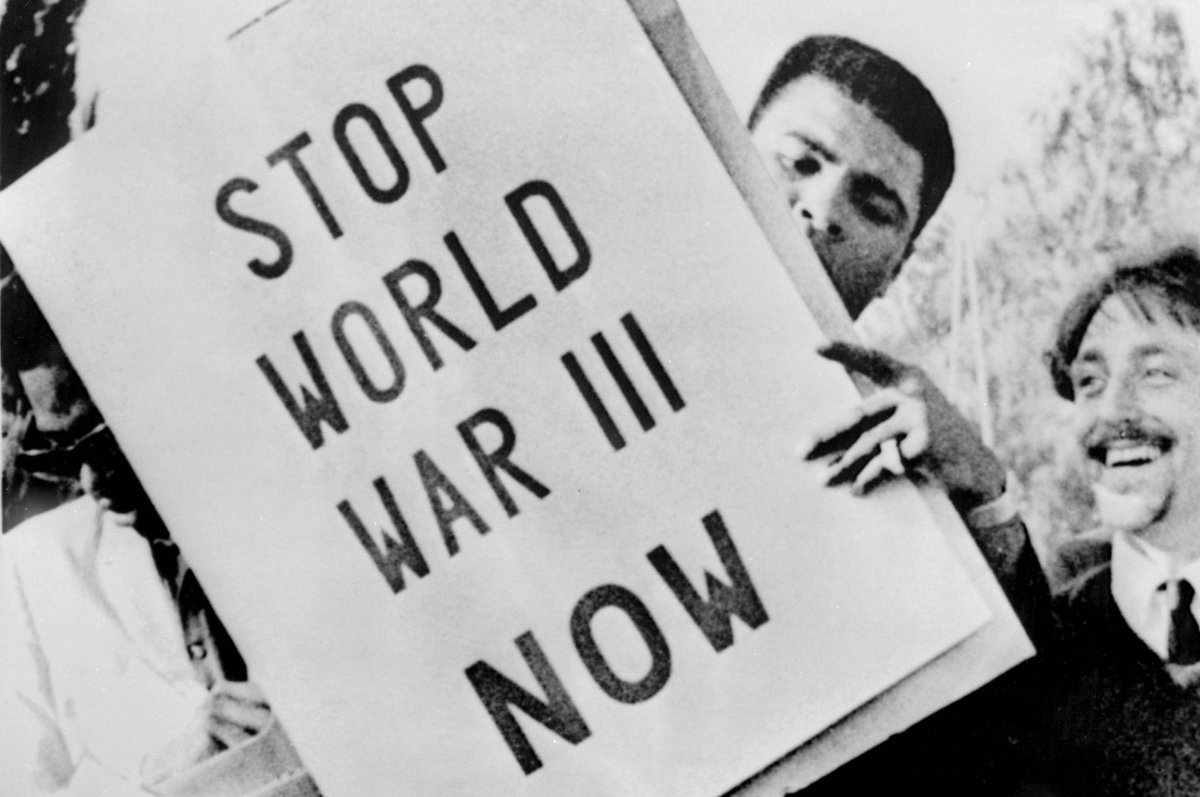
Muhammad Ali was banned from boxing for refusing to serve in Vietnam. Tommie Smith and John Carlos were expelled from the 1968 Olympics for raising their fists. Colin Kaepernick‘s career was destroyed for taking a knee. LeBron was told to shut up and dribble. Mbappé is mocked on the basis of his on-field results.
The form changes. The logic stays the same.
A Double Standard With No Apology
Yet what makes this mechanism particularly insidious is that it is not applied universally.
In France, at the very moment Mbappé is told to “show restraint,” figures like TiboInshape — a fitness YouTuber followed by millions of young people — publicly voice their support for the RN without a single word about their “duty of discretion.” Because their positions align with the prevailing political winds in those circles, their speech is legitimate. Normal. Even praised.
It is not celebrity that is the problem. It is what the celebrity says — and who they are.
In the United States, the same dynamic played out: white athletes supporting Trump in 2016 and 2020 were welcomed to the White House, celebrated and praised. Their political engagement was framed as admirable, as patriotism. LeBron’s political engagement was an intrusion.
Black Voice in Democracy
What these two stories reveal is a fundamental question: in our democracies, is the Black voice a voice like any other?
The answer, based on the RN’s response to Mbappé and Fox News’s response to LeBron, seems to be: not quite. Not without conditions. Not without someone, somewhere, deciding whether it is appropriate for that voice to speak on this or that subject.
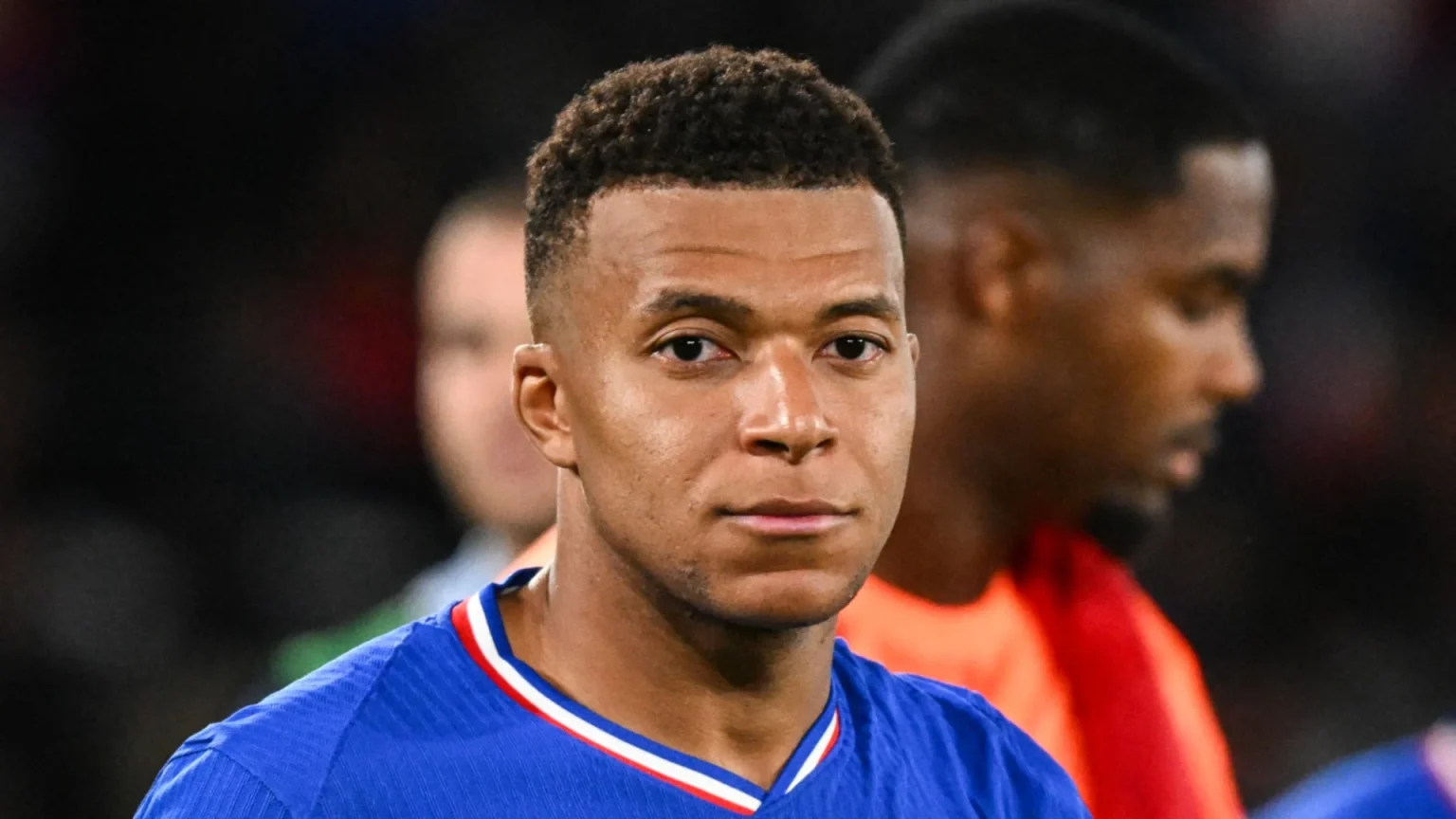
Mbappé put it with disarming clarity: “People sometimes think that because you have money, because you’re famous, these problems don’t affect you.” But they do affect you. Because you are Black in a country where being Black is not politically neutral. Because you grew up in neighborhoods these very policies directly threaten. Because your family, your community, your history are all at stake.
Telling him to be quiet is precisely telling him to forget all of that.
Kylian Is Not Alone
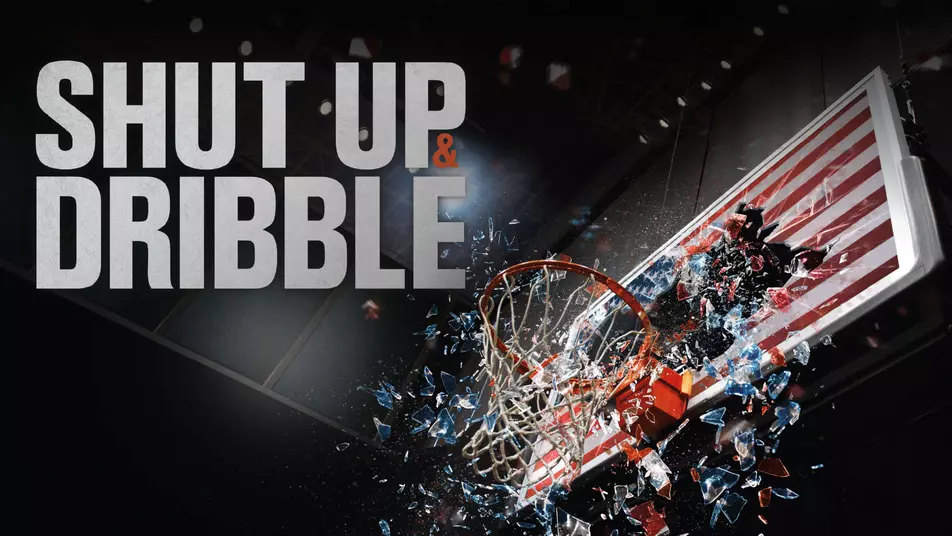
LeBron James did not comply. He took Ingraham’s phrase and made it a banner, produced a documentary series titled Shut Up and Dribble tracing the history of politically engaged Black athletes, and filed to trademark the phrase. He turned an attempt at silencing into a manifesto.
Mbappé answered simply, in the pages of Vanity Fair: “We need to fight the idea that a footballer should just play and stay quiet.”
Eight years apart. Two continents. Two different sports. The same refusal to fall in line.
They will keep speaking. Get used to it.

