

Explore the concept of “Black globality” and discover how Koujichagoulism can unite Afro-diasporic communities to build a prosperous and respected future.
Definitions and dimensions of globalism
The term globalism is complex, and it must be acknowledged that although it can be criticized, it remains an ambiguous term that should not be confused with “globality” (in its geopolitical sense). Globalism derives from the term globe and leads us to the concept of the universe, the world, and space, establishing a relationship between these and peoples. It is a geopolitical-social concept. Its economic aspect is globalization.
We can differentiate globalism into three main categories:
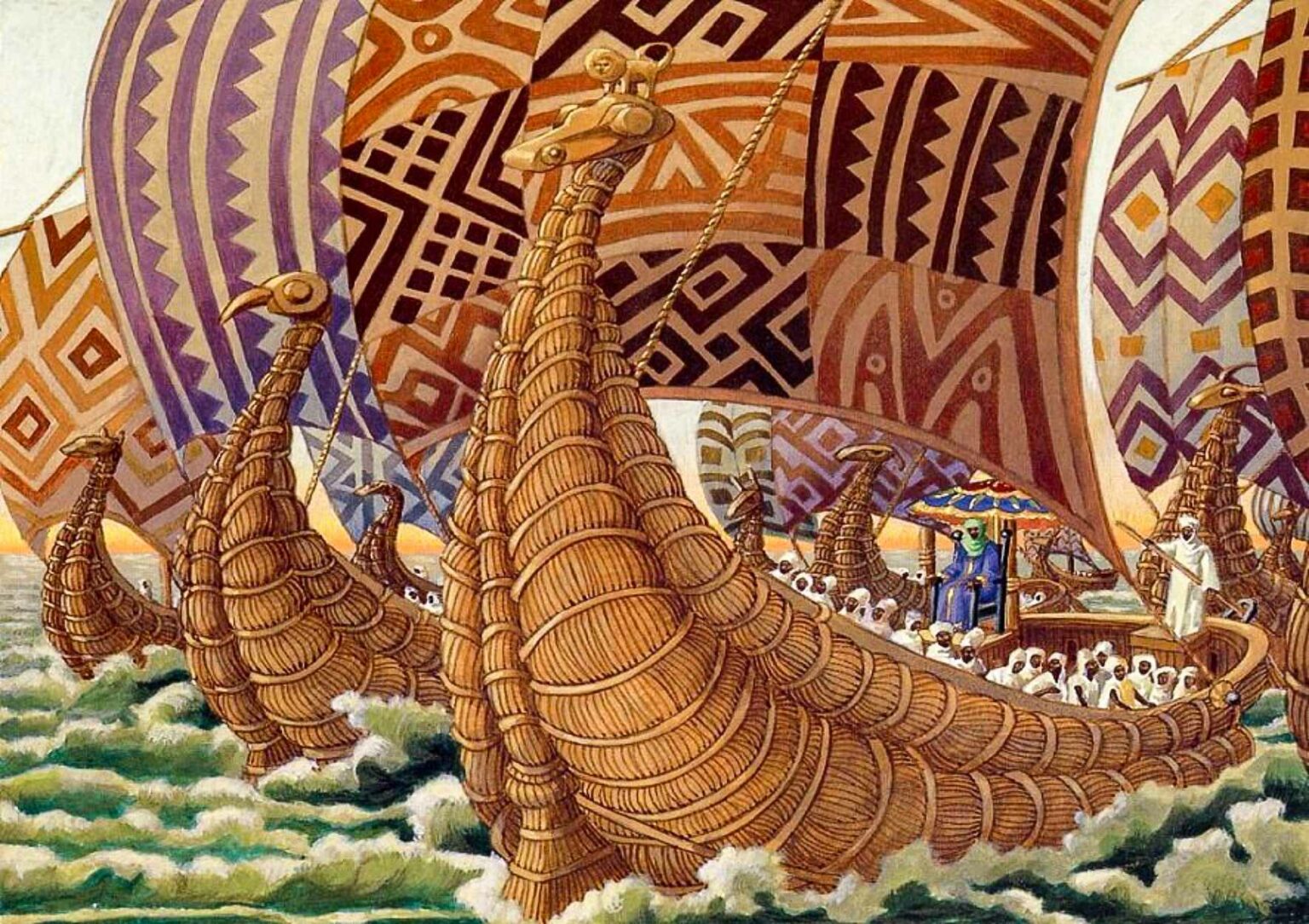
- There exists a form of globalism that recognizes the existence of multiple peoples and human families, but aims to ensure that, while respecting their essence, they can collaborate and learn to know one another. To converge toward the same destiny.
- Different forms of globalism have existed at various stages of history, since Antiquity. Dialogue between the Ancient Egyptians, Ancient Greeks, and Ancient Romans was a form of pluralistic globalism, as was the interaction between the Manden people and the original populations of the Americas (called Native Americans).
- Empires of classical history considered themselves universal (Ancient Imperial Black Egypt / Ancient Imperial Rome), but recognized difference within this universality. There was no desire to erase the ethnocultural fabric of the other. This is a constant of Empire, which differs from destructive, imposing, and plundering imperialism (the supreme stage of capitalism, to use Marxist language).
GLOBALIST GLOBALISM
This form of globalism is based on mondialism (mondialism and globalism are not synonymous in geopolitical vocabulary, although they may seem similar; one can be based on the other).
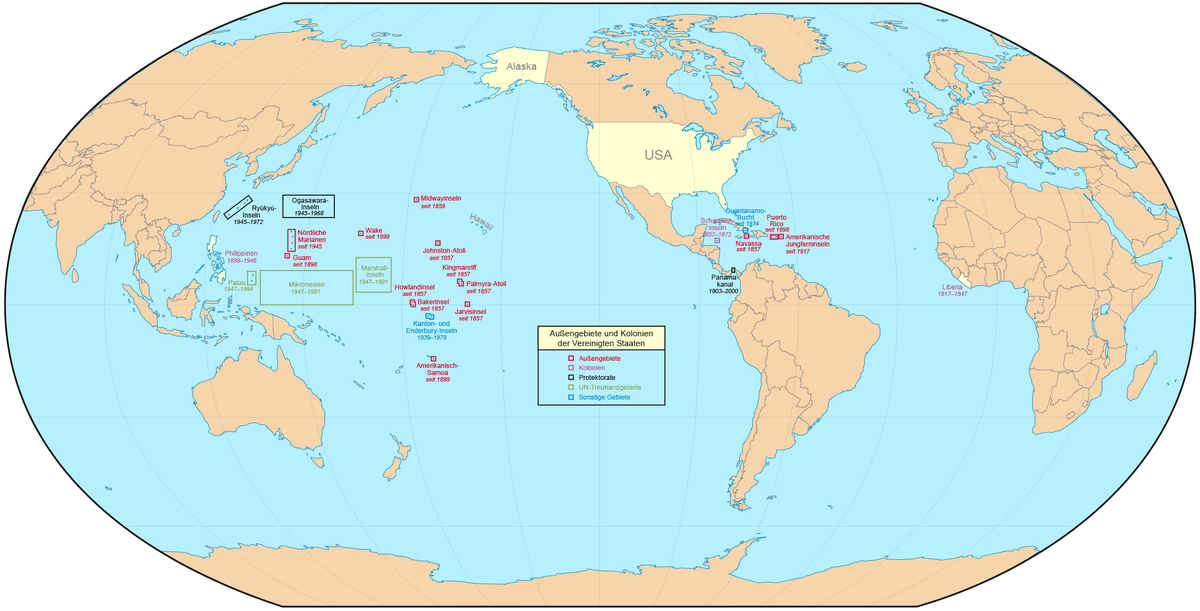
What is mondialism exactly? Mondialism is the American-centered (if not outright Westernist) vision of the globe—the climax of globalization. Mondialism mutated from capitalism; after the defeat of communism and the liberal-Western victory, it imposes itself and forcefully attacks different communities and peoples in the name of neoliberal democracy.
For globalist globalism (or simply “neoliberal mondialism”), the objective is the creation of a New World Order, led by an oligarchy that defines itself as Western, but in reality has no homeland and worships money.
Globalist globalism is based on monopolarity, meaning the idea that there must be a single pole (the Western one) guaranteeing global balance, as predicted by Francis Fukuyama through the concept of the “end of History.”
This concept of monopolarity opposes multipolarity, which would establish a world based on Civilizations and Imperial States.
Within this monopolarity, which characterizes neoliberal globalist globalism, there exists another branch developed by the United States under Barack Obama, called “multilateralism.” This should not be confused with multipolarity. Multilateralism does not recognize decision-making centers; it does not view the world in blocs or Civilizations. It rejects that idea.
For multilateralism, there would be nation-states free to act on the geopolitical stage, as long as they remain within the neoliberal and American-centered paradigm defined by the monopolar order. Multilateralism is therefore “American supremacy” (in Kissinger’s sense) disguised as multipolarity.
NATIONAL-IMPERIALIST GLOBALISM
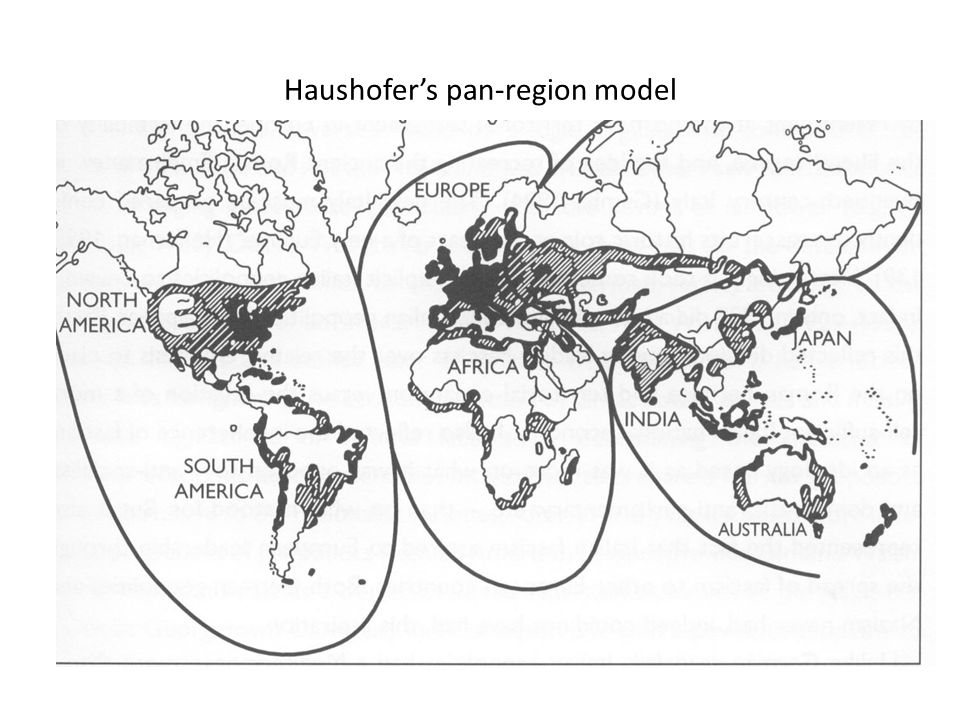
This is a form of globalism that recognizes multiple human families and civilizations but claims that one Civilization must prevail over another (for example, Hitler and his ideas of racial superiority).
This form recognizes ethno-pluralism but hierarchizes who should dominate or be dominated, under an imperialist vision.
Black globality: melanodermic communitarianism
Globality is a whole—something that contains, a kind of world, a continent.
When I speak of “Black globality,” I refer to the Black African diasporic world and the continental African world. Blacks in Western Europe, Asia, Oceania, and the Americas must think in terms of closed Black communitarianism, with the ultimate goal of Black globality (the global Black Empire).
The Black Man must unite wherever he is, forming a union based on communitarianism and his own universality.
To achieve this, Afro-diasporic communities must organize on all continents: there must be a base council that elects a general representative of the community, and a coordinator of the intra-solidarity economic system (the Benda, my concept based on mutual aid, meaning “harmony” / “union” in the Kissi language). This will also apply to nations.
Then there must be a higher representative at the continental level (Europe, Asia, Oceania, Americas), in direct synergy with national representatives.
This continental representative will be elected by a higher continental base council. They will communicate directly with national representatives and with the African continent.
Through this discipline and rigorous organization, it will be possible to build a healthy Afro-diasporic communitarianism aimed at a Black globality that does not fall into the magma of globalist mondialism.
Black globality: the neter Farafina Himaya
If Black diasporas organize themselves, continental Africa—serving as the base and supreme coordinator—will constitute itself as a “Powerful Black Empire” (Neter Farafina Himaya). In the logic of linguistic Pan-Africanism, I would name it this way, as it combines three African languages: Neter (Powerful/Sacred, in Ancient Egyptian), Farafina (Land of the Blacks, in Manding languages spoken in West Africa), and Himaya (Empire in Swahili, spoken in Central and East Africa). The Neter Farafina Himaya must therefore unite Black states (Sub-Saharan Africa) to form a powerful civilization within the framework of multipolarism in the face of globalist globalization.
There should be a council of elders governing the Empire, and an appointed Guide as an extension of this council. However, power must be distributed and not concentrated in the hands of a single individual. The Guide will appoint institutional figures who will work in synergy with representatives of the diaspora. Black globality must also apply on the African continent: dark-skinned and light-skinned Black populations in North Africa should organize themselves according to the same model as Black diasporas worldwide, with a foundational council endorsed by the community, which will in turn appoint a general Black representative for the Maghreb and a coordinator of the Black community’s economy.
I would define the council–representative–economic coordinator model as “Koujichagoulism,” derived from kujichagulia, which means “self-determination” in Swahili.
Koujichagoulism is part of the logic of Black globality and must be linked to the fate of the NFH (Neter Farafina Himaya). Only by unifying Koujichagoulist Black communities worldwide with the NFH into a single entity (Black globality) will we be able to effectively resist neoliberal globalism. The NFH will replace African micronationalism (of Western form) with a higher union—Black globality (Sub-Saharan Africa and Black components in North Africa, along with Koujichagoulist Black communities across the world).
This Black globality should be a blend of Black nationalism, Black progress, radical Black revolutionary thought, a balanced synthesis between sankofa and evolution/innovation, a balance between modern technology and African techniques, industrialization in an African sense, Pan-Africanism, multipolarity, Black solidarity, scientific progress in an African sense, a continental language (which could be Swahili) with a continental alphabet (which could be N’ko), a Pan-African military corps, a new form of state with African Black characteristics, religious harmony, and social harmony (fighting tribalism, xenophobia, ethnocentrism, homophobia, religious supremacism, etc.). I am referring to an NFH open to all Black people worldwide.
Contrary to what I may have stated in the past, I do not believe in an “identity front between Africans and Europeans,” except for highly respectable popular movements such as the Yellow Vests, to whom I express my solidarity ad vitam aeternam. Africans, who have endured 500 years of slavery, half a century of colonialism, and contemporary neocolonialism, cannot help but view with disdain and skepticism the so-called “identity” forces in Europe that never criticize the root causes of social dumping.
This makes them unconscious tools of globalists (at the same level as the paternalistic European left), those “migrants of finance, media, and politics” who are never challenged. Koujichagoulist Black diasporic communities can collaborate with all revolutionary and anti-imperialist nationalisms that fight for social justice and oppose the stateless financial elite. However, among them, European nationalism differs from the others. Fighting for one’s people does not mean being hostile to others.
In summary, the Neter Farafina Himaya and its Koujichagoulist Black communities would reject neoliberal globalism and would not impose any wrongdoing on others. The NFH and Koujichagoulist Black communities would consider themselves their own universe. They would not be hostile to interaction with others, as long as there is respect for their Black essence. But for the creation of Koujichagoulist Black communities around the world, linked to a hypothetical Black pole, it is important that these communities know who they are, in order to escape the tentacles of both old and new forms of Caucasian oppression.
Black people are the aborigines of humanity.
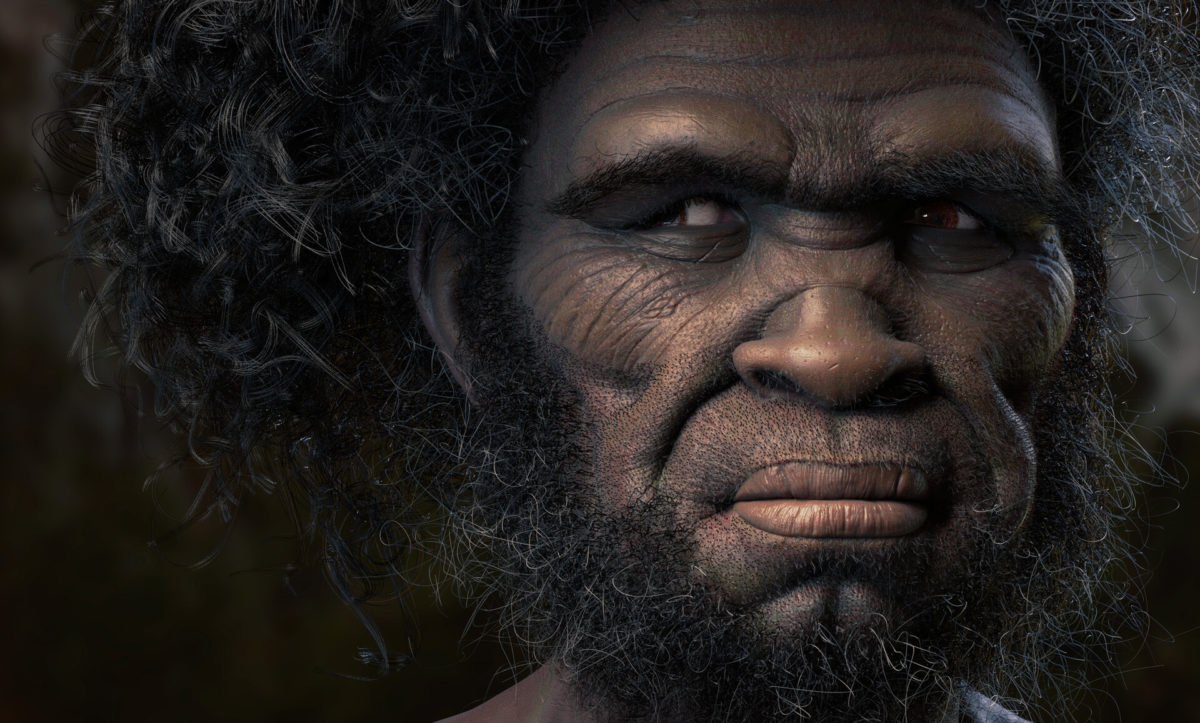
Today, the majority of researchers—anthropologists, paleontologists, and historians—agree on the assertion that Africa is the cradle of Humanity. This makes Black people the Aborigines of Humanity, that is, the Original People of the world. The Black matrix, as demonstrated by Cheikh Anta Diop and many of his disciples, lies in the civilization of KMT (Kemet). KMT is the name given to Egypt by its indigenous people, meaning “Land belonging to the Blacks.”
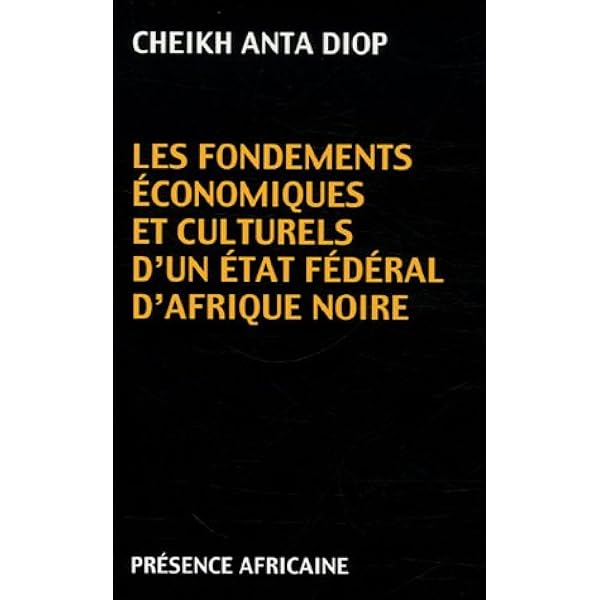
Cheikh Anta Diop thoroughly addresses the question of Black Egypt, providing scientific, historiographical, linguistic, and cultural evidence in his books Nations Nègres et Culture, The Origin of African Civilization, Precolonial Black Africa, Civilization or Barbarism, The African Origin of Civilization: Myth or Historical Reality?, and many others. Based on his theory of a common matrix for Black people identified in KMT, he asserts in his book The Economic and Cultural Foundations of a Federal State of Black Africa the necessity for Africans to build a Black federal state—one that could represent a balanced synthesis between the glory of KMT and the contemporary era.
The Original Man is History itself; he is present everywhere and has left traces everywhere. Today, there are attempts to oppose Black Africans to the Aboriginal peoples of Australia, the Dravidians of India, the Negritos of the Philippines, Black populations of the Americas, and other melanodermic populations. In reality, all are descendants of the Original Man from Black Africa. What Black diasporas around the world must understand today is that, at a time when melanodermophobic nationalisms are increasingly emerging, we must remember that melanodermic peoples constitute the aboriginal foundation of the world.
This legitimizes the need to build a Black globality—a melanodermism—founded on the global solidarity of Black and melanodermic peoples in general. These are peoples who once lived in solidarism (Ubuntu), in royalty and majesty everywhere, even before the emergence of what can be called the leucodermic man (a scientific term frequently used by Cheikh Anta Diop to refer to white populations). Africa is the foundation of all knowledge we benefit from today (science, mathematics, physics, chemistry, religion, philosophy, astronomy, etc.), and it is precisely for this reason that, in Antiquity, it was not uncommon for leucodermic thinkers to go to Africa for education (for example: Thales, Pythagoras, Plato, Archimedes).
Black people are the foundation of everything, and it is necessary for Black people themselves, as well as the various Koujichagoulist communities that will emerge, to become aware of this.
Encounter/clash between the original peoples and leucodermic populations.
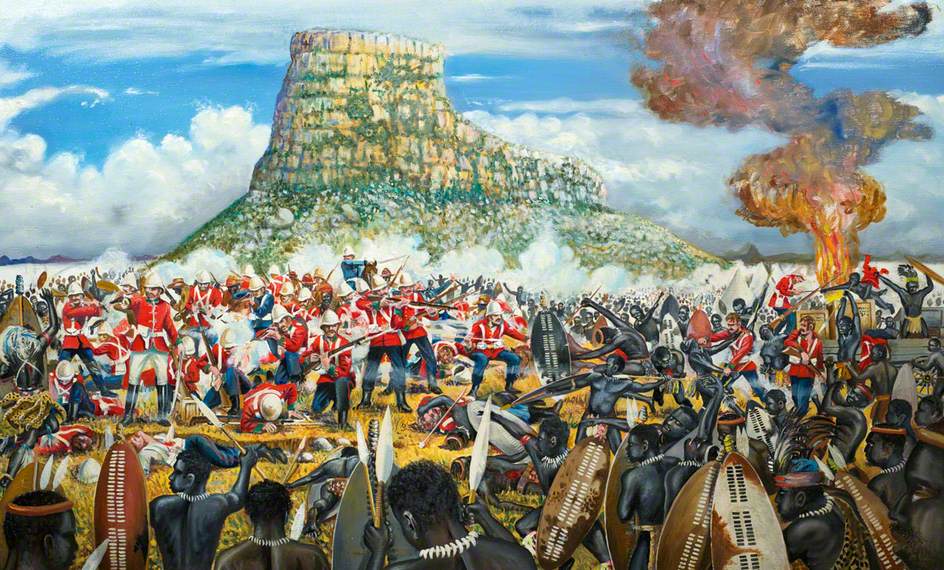
At a certain moment in the history of Black people, the political elite of the relatively recent population on a global scale—namely the leucoderm population—believed that what was new to them was also new to others. They then began to wage a crusade against the Originals. Everything they found in original melanodermic societies was defined as “savage” and “primitive,” while everything that the elite of this leucoderm civilization discovered as new (for themselves alone) was forcefully imposed on others, in the name of a supposed civilizing mission.
This leucoderm elite (through its missionaries) is the same one that, upon arriving in the Americas, had the presumption and arrogance to claim it had discovered a “New” World, ignoring the fact that original populations had existed in that part of the world for centuries and millennia. One can also take the example of the concept of the “New World Order.” It is true that we all use this terminology to describe a project consistent with the end of the racist civilizing mission—this time extended to humanity as a whole—but it should be emphasized that the New World Order for Caucasians is not necessarily new for darker populations across the four corners of the world who have endured centuries of oppression (the Old World Order): Australia, the Americas, Africa, Asia, etc.
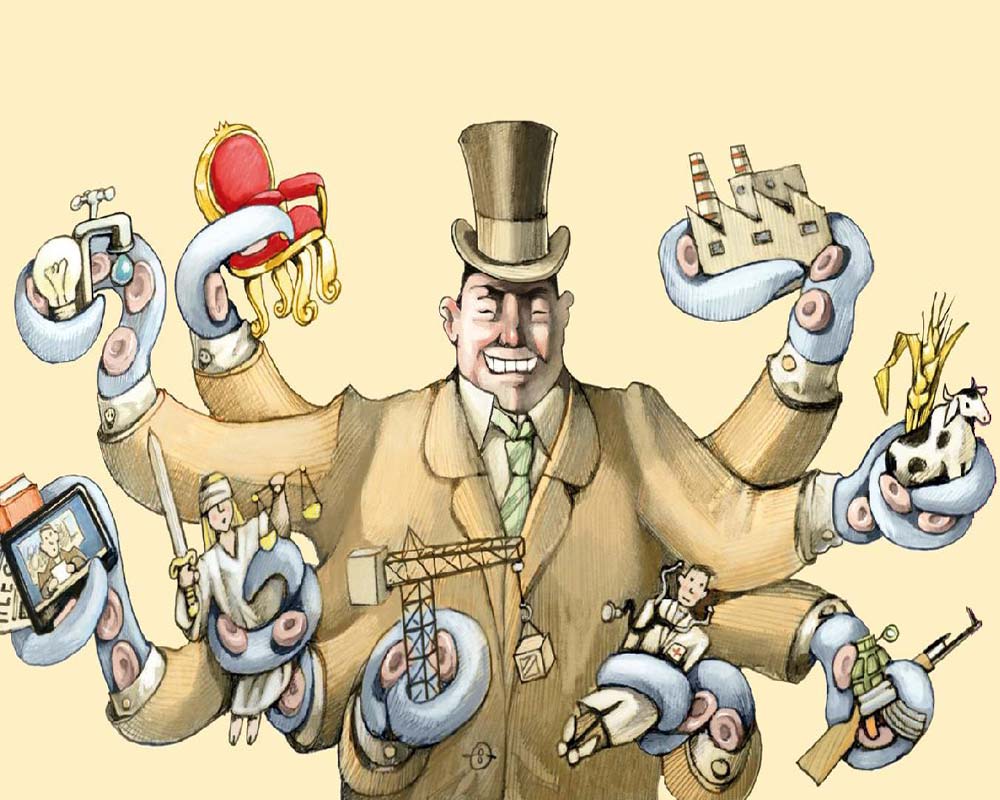
All of this must be understood within a system that characterizes what can be called leucodermic globality—that is, the plundering and accumulation of material wealth at the cost of oppression (capitalism). This harmful worldview is at the root of slavery, colonialism, and neocolonialism. Over time, Black people have moved away from their African matrix, seeking integration into a “burning house,” into a civilizational system built on bloodshed, militarism, and the ostracism of Black people and darker populations in general.
Faced with this reality, Black people find themselves confronted with two antagonistic dichotomies, both nevertheless linked to the capitalist system and white supremacism: the right/far-right and the liberal left. These are all categories that operate against Black people, and thus against the aboriginal peoples of humanity. Both are products of white supremacism. Black people (as well as all darker-skinned peoples around the world) must remain vigilant. Hence the need to apply the model of Koujichagoulism that I have outlined.
Union of the Global Black Family around Koujichagoulism: struggle against neocolonialism, against racism, against homophobia, against colorism, and against internal divisions such as jealousy within Black communities.
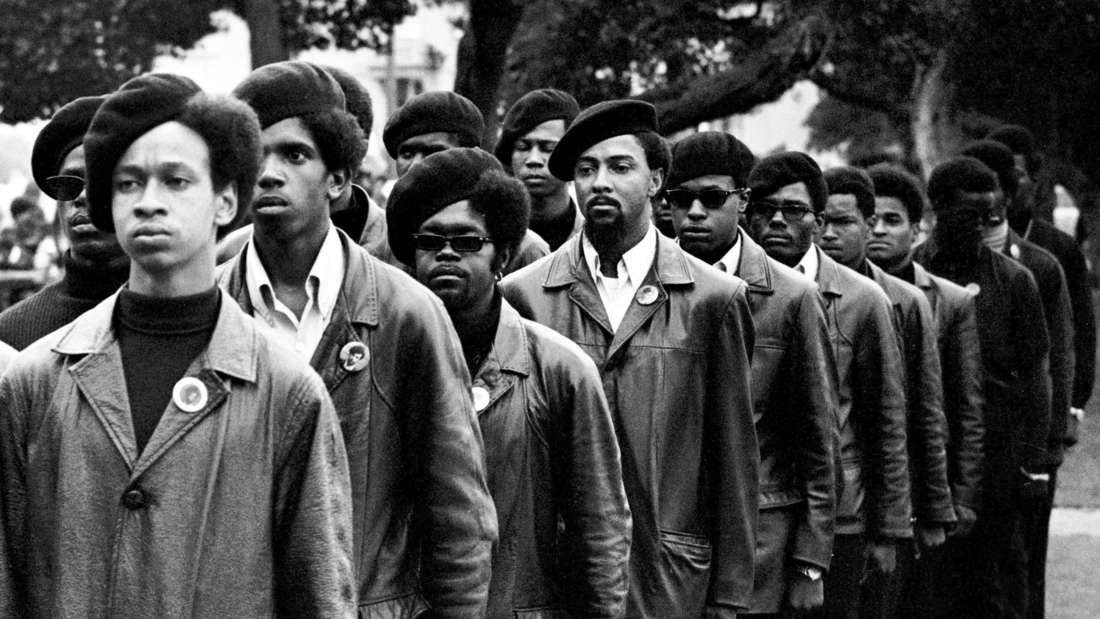
What is needed is a radical Koujichagoulism—a break from the toubab capitalist system (with its white privilege and its heteronormative, sexist, racist, colorist, and homophobic structures). This should not be a rupture rooted in hostility (even the white proletariat, to varying degrees, is impacted by the capitalist elite), but rather a struggle for self-determination—communities of destiny that define themselves.
Koujichagoulism responds to this need for self-determination and must lead to the organization of our communities around collective principles inspired by Black Power. This will ensure the development of Black diasporas and the African continent, while enabling greater synchronization between Africa and its diasporas worldwide.
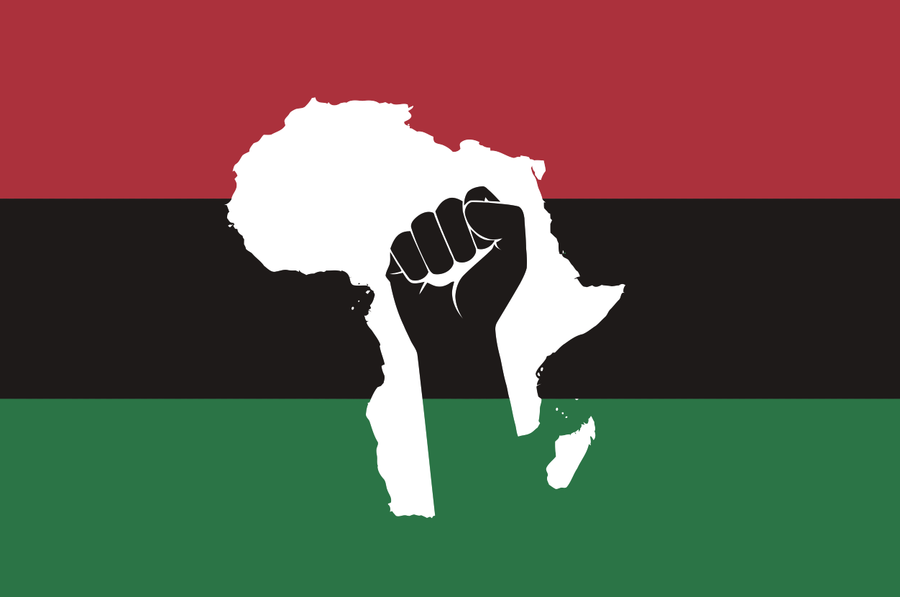
–Fight against neocolonialism: Africa must rid itself of neocolonial chains and achieve its self-determination. Only by moving beyond the concept of the nation-state and structuring itself into a Black Pole (NFH), connected to its diaspora across the world (CNK), will it be able to accelerate its resistance to contemporary colonialism.
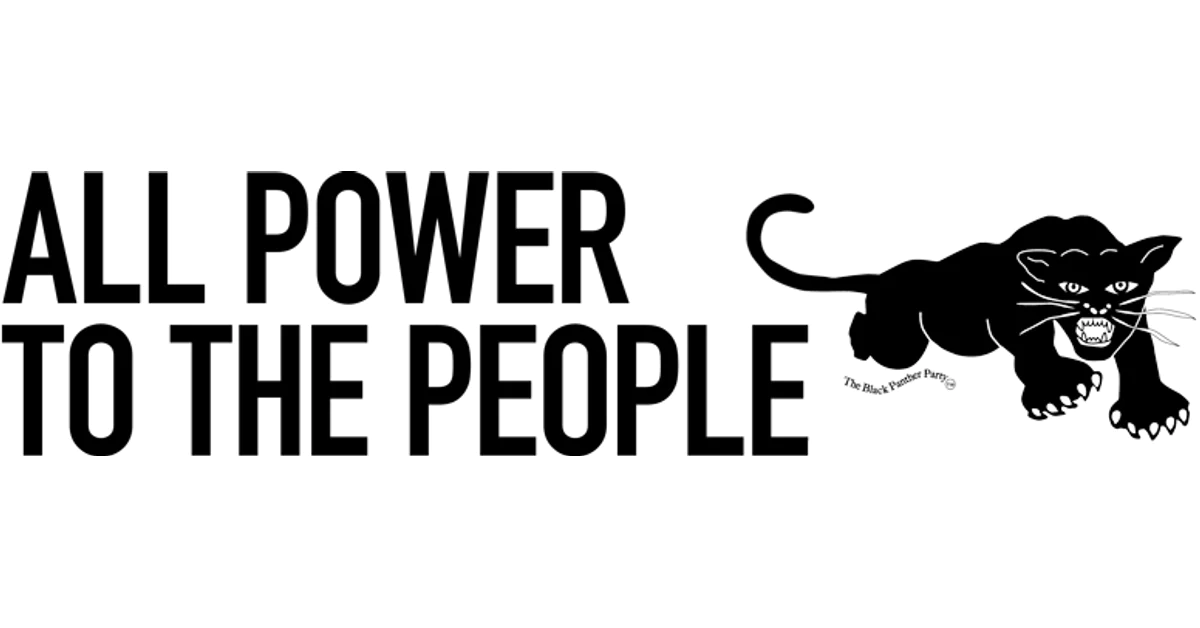
Struggle against racism: The fight against racism will be intrinsic to the creation of Koujichagoulist Black Communities (KBCs), since an organized, strong, and disciplined community can respond to the pressures of white economic supremacism, which suffocates the Global Black Family through anti-Ubuntu models. The struggle against racism must be grounded in this: a radical resistance to the white capitalist system, both in the diaspora and in Africa, because white supremacism and capitalism go hand in hand.
“There can be no capitalism without racism.” — Malcolm X
“If a white man wants to lynch me, that’s his problem. If he has the power to lynch me, that’s my problem. Racism is not a question of attitude; it is a question of power.” — Stokely Carmichael (Kwame Ture)
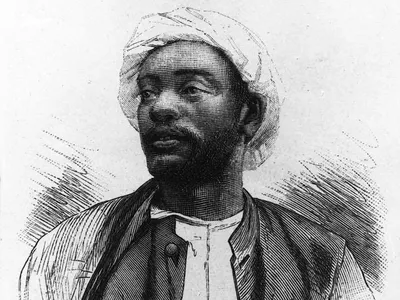
Struggle against homophobia: Homophobia is presented here as a harmful product of the white capitalist system. It is important to remind those who believe that homosexuality is a “white invention” that it was in fact present in many precolonial African societies (in regions corresponding today to Angola, Cameroon, Sudan, Namibia, Burkina Faso, Nigeria, Côte d’Ivoire, Ghana, and Kenya). Khnumhotep and Niankhkhnum are often cited as one of the earliest known same-sex couples in history, living in ancient Egypt. One may also mention King Mwanga II of Buganda (in present-day Uganda), who was known to have same-sex relationships prior to the spread of Western Christianity. Within the Black diaspora, there have also been many prominent Black figures who were homosexual and actively engaged in the struggle for Black liberation, such as James Baldwin, among others.
Homophobia spread more widely in Africa through colonial influence and its associated conservative norms. It is therefore contradictory to speak of a “Black Renaissance” or “Black Unity” while excluding, persecuting, or oppressing part of the Global Black Family. Any approach based on repression stands in opposition to Pan-African ideals. For Koujichagoulism to be healthy and coherent, it must involve a strong commitment to opposing homophobia and all forms of discrimination that marginalize segments of the Global Black Family and reinforce systems of oppression. One of the Pan-African leaders who has publicly spoken against homophobia is Julius Malema in South Africa.
“Homosexuals are not enemies of the people. (…) A homosexual could be the most revolutionary.” — Huey P. Newton
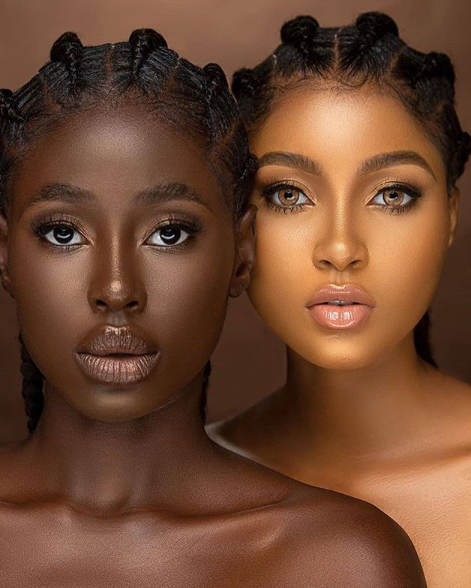
–Struggle against colorism: Another toxic byproduct of white supremacist thinking and colonial ideology is colorism. Colorism is a racist mindset that seeks to divide darker-skinned Black people from lighter-skinned Black people. Due to an inferiority complex instilled by colonial domination in the minds of original peoples, there are cases in which those I define as light-skinned Black people (whom white supremacist ideology and one-dimensional racial thinking label as “mixed-race” or “mulatto”) reject their Black identity and essence, while stigmatizing those who are darker than themselves.
There are also frequent reverse cases, in which darker-skinned Black individuals may view lighter-skinned Black people as not fully part of the community. These horizontal divisions—rooted in colonial and racist reflexes—will never allow for genuine unity. A light-skinned Black person born of a mixed couple is, and will always remain, Black. One of the regions where colorism is particularly pronounced is Brazil. In an article on Nofi Media titled “How to Define a Black Person of Mixed Ancestry: Mulatto and/or Mixed?”, the author Amadu Kunta Akil Bumbesia writes:
“One example of a country where racism and colorism are prevalent is Brazil, where people of mixed ancestry are referred to as ‘Pardo.’ According to the Brazilian Institute of Geography and Statistics, this is a term commonly used to describe light-skinned Black Brazilians. Darker-skinned Black people are referred to as ‘Preto’ (…) Colonialism has unfortunately had a significant influence on how Afro-descendants perceive darker-skinned Black people. The desire to have mixed children is one of the most common practices that shows how Blackness is still perceived today as something to be diminished (…)”
I believe that the degree of melanodermy matters little; we are all integral parts of the Global Black Family, and we all carry within us the heritage of aboriginality as one indivisible Original People.
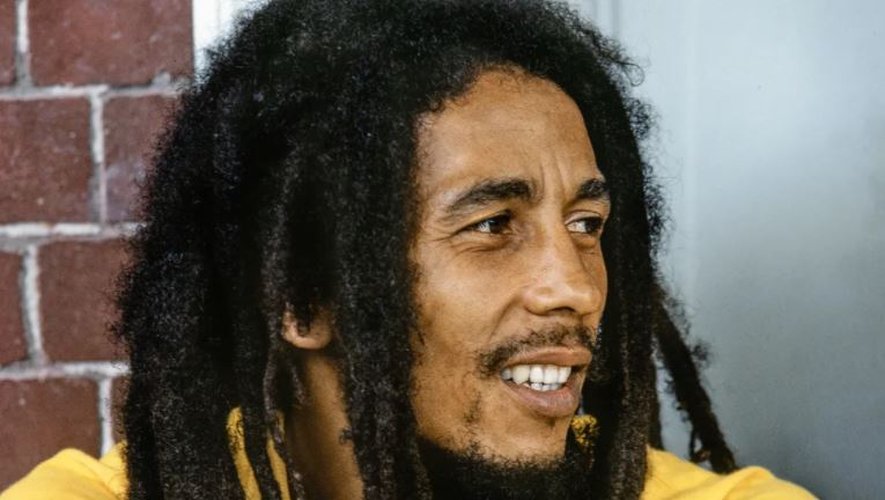
“Africa is everything to me. I must show the world how important the African part of me is. Even if, in your eyes, I am half White and half Black, I know that I am Black. My heritage comes from Africa.” — Bob Marley
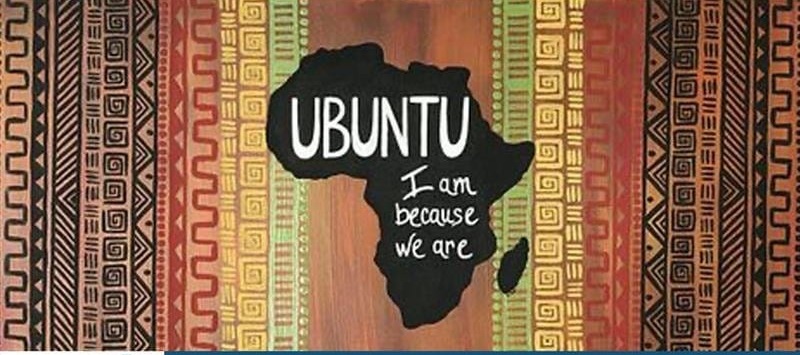
Struggle against self-hatred, jealousy, and competition among some Black people: Hatred toward oneself and toward one’s own people is the greatest fuel for external forces. Likewise, jealousy, envy, competition, and individualism (infantile diseases of capitalism) within Black communities contribute to reinforcing white supremacism. What should be the role of Black people everywhere in the world? To unite. To love one another. To support each other. To help one another. To go beyond differences and focus on community and collective well-being. This is the role that Koujichagoulism must fulfill. If one Black person rises, the entire community rises. Our role must be to encourage that.
Koujichagoulism in Italy
There are figures and voices in Italy who, in their own ways, are striving to make Black voices heard: the Afropolar Observatory led by Farafin Sâa François Sandouno, Kwanza Musi Dos Santos, Oumar Barry, Abdul Karim Assahly; the association StraVox; Africa1; Codai; Isak Nokho; Selena Peroly; Francesca Hadija Sanneh; Afrobrix; as well as others involved in Afrodiasporic activism. In music, the group Blaqkash; in cinema, Fred Kudjo Kuworno; and Antonio Dikele Distefano through Black Event (as well as in film), among many other individuals and platforms.
There are diverse realities and figures—Black women and Black men committed to their communities. What is now more necessary than ever is to build connections among all Black forces (differences matter little) in order to construct something horizontal, guided by a mindset of vertical growth and elevation. Black communities in Italy must apply and organize themselves under Koujichagoulism, creating Black networks oriented toward the African base, which itself must be structured into a Black civilizational pole—the only path toward prosperity, dignity, and respect for the community. One God, One Goal, One Destiny.
Join the conversation and share the vision of Black globality.

Your reading of “For a Black Globality” is only the beginning of a fascinating journey toward understanding and appreciating the richness of Afro-diasporic culture and history. Nofi invites you to become an active participant in this important and ever-evolving exploration.
Engage and discuss: It is only through meaningful conversations that we can grow and learn together. Share your thoughts, questions, and perspectives in the comments. Your voice is essential to enrich the discussion and promote a deeper understanding of Black globality.
Share your discovery: When you come across an article or concept that resonates with you, share it. Every share is a step toward greater awareness and a stronger appreciation of Black globality and the Koujichagoulism movement.
Explore further: The pursuit of knowledge never ends. Visit nofi.media to discover more articles, stories, and enriching perspectives. Each article is a window into new insights and inspiration.
Stay connected: Download the Nofi app on the Apple Store or Google Play to stay connected anytime. Enjoy exclusive content, regular updates, and an engaged community.
By actively engaging with Nofi, you contribute to building a global community that is informed, connected, and inspired. Together, we can celebrate, preserve, and promote Black globality—enriching our present and shaping our future.


