

Explore the cultural richness of the Ashanti matriarchal and matrilineal society, where women, embodied by the figure of the Queen Mother, play pivotal roles in politics, spirituality, and justice. Dive into the heart of West Africa and discover the unique social structure of the Ashanti, where maternal lineage shapes the destiny of kings and communities. This article reveals the cultural importance, historical legacy, and deep significance of matrilineal society among the Ashanti, a model of resilience and social harmony.
Discover the Ashanti, a remarkable African civilization, where women, honored as Queen Mothers, play a predominant role in the social order, even though it is a man who reigns. Enter a time where harmony between the sexes formed the foundation of society, where the distinct yet complementary roles of men and women were recognized and celebrated as the key to collective well-being.
The Ashanti civilization, renowned for its matriarchy, stands out as one of the most influential and prosperous peoples, where women are not merely present, but central to political, spiritual, and legal administration.
The matrilineal organization of the Ashanti
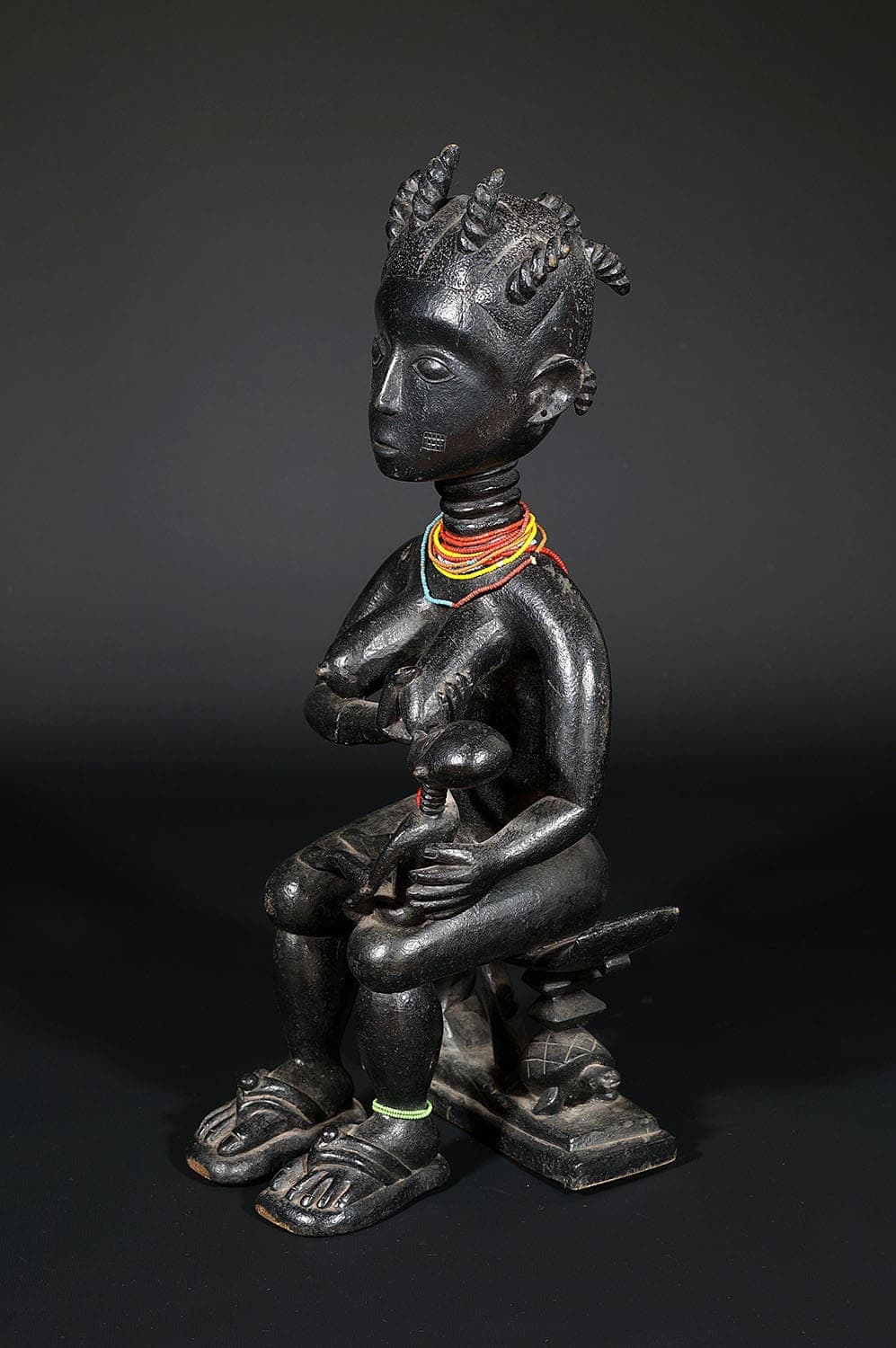
Definition and meaning: matriarchy and matrilineality among the Ashanti
Matriarchy:
“Noun (Latin mater, -tris, mother, influenced by patriarchy): A system of social organization in which women play a predominant political role.”
Source: Larousse
Matrilineal:
“Adjective: Refers to a mode of descent and social organization in which only maternal ancestry is taken into account for the transmission of name, privileges, or belonging to a clan or class.”
Source: Larousse
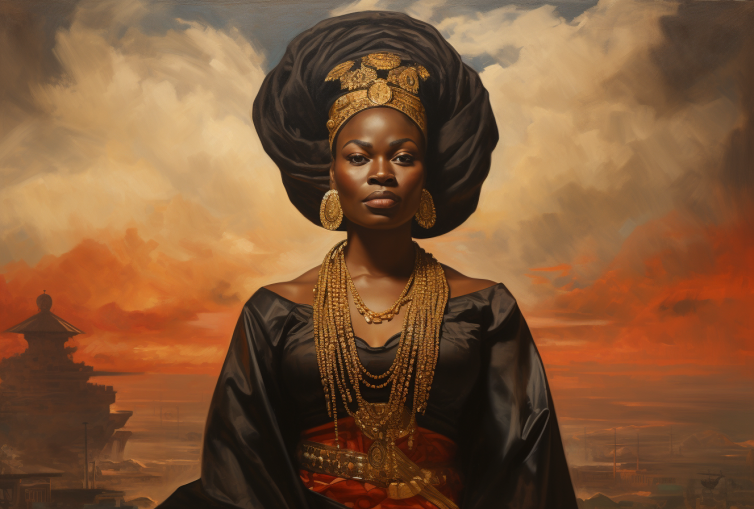
In essence, a matriarchal society elevates women to positions of responsibility within a community or nation, recognizing their crucial influence in political and social spheres. On the other hand, the concept of matrilineality refers to a system of descent and social organization where maternal ancestry is paramount, particularly for the transmission of name, privileges, or clan affiliation.
Thus, a society may exhibit a matrilineal structure even within a patriarchal context, provided that the inheritance of power or title follows the maternal line. This paradigm highlights the fundamental importance of women in the social fabric and the continuity of traditions within Ashanti societies.
The Ashanti confederation, under the visionary leadership of its founder Osei Tutu, rose to become the most influential state in West Africa in the 19th century. Occupying a vast territory that today covers nearly 70% of Ghana as well as a significant portion of Côte d’Ivoire, the confederation saw the Oyoko clan dominate and assert itself among the various Ashanti factions.
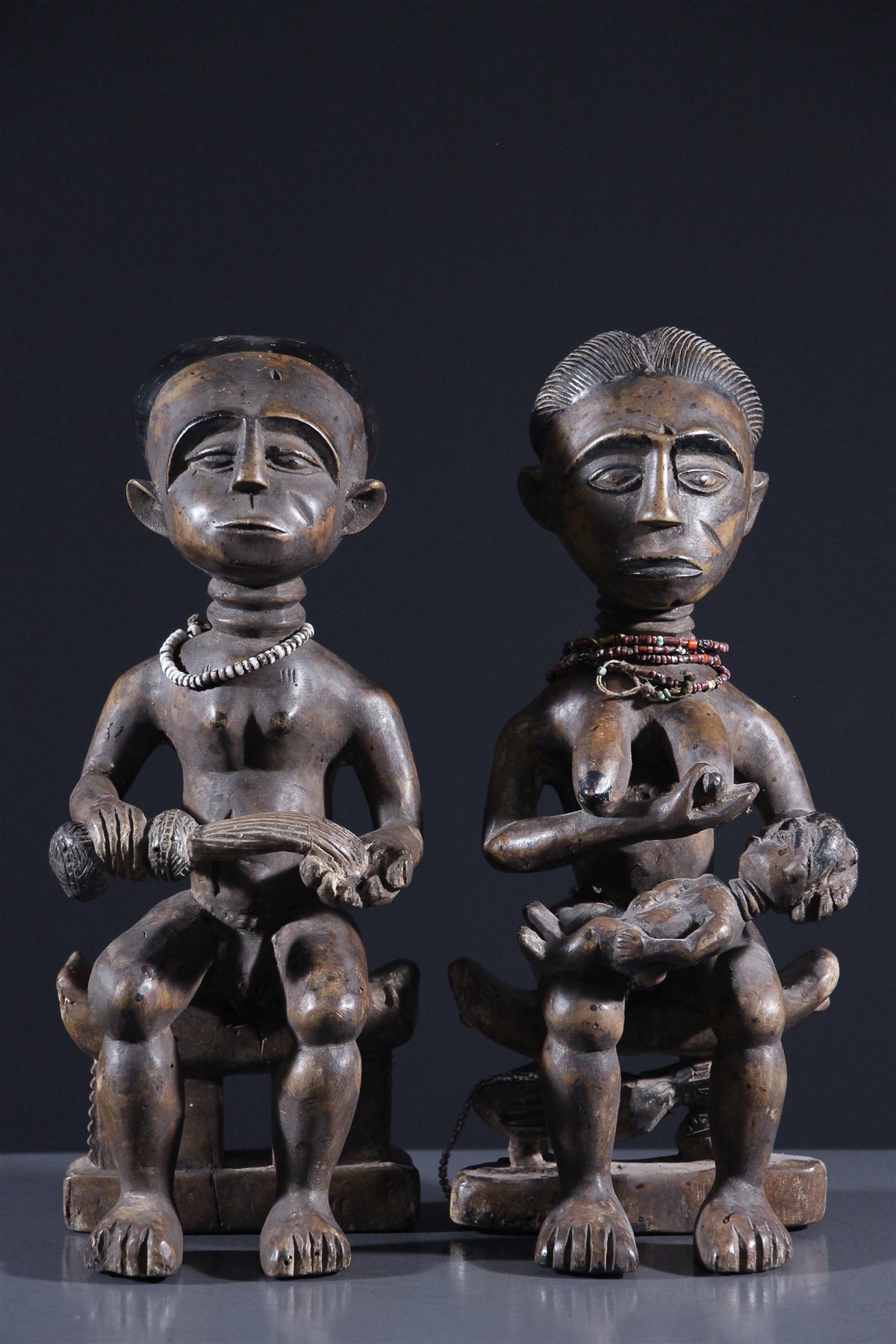
Although less frequently highlighted, the matrilineal social organization of Ashanti civilization deserves particular attention. The role of women is fundamental, significantly influencing political, spiritual, and legal spheres. The emblematic example of this structure is embodied by Osei Tutu, the first ruler to unify the Ashanti clans.
His rise to power, orchestrated through the appointment by his grandmother, underscores the importance of maternal lineage and the centrality of women in decision-making processes and governance of the kingdom.
Within Ashanti society, the king, known by the title “Asantehene,” governs in a traditional manner, but the transmission of royal power follows a unique matrilineal path. According to this custom, the king is designated based on the recommendations of the Queen Mother, thus highlighting the authority and significant influence of women in royal succession.
Intriguing and distinctive, this tradition excludes the king’s direct son from the line of succession, instead favoring the son of the king’s sister, a choice that demonstrates the deep matrilineal imprint within the royal lineage.
A society based on matriarchy
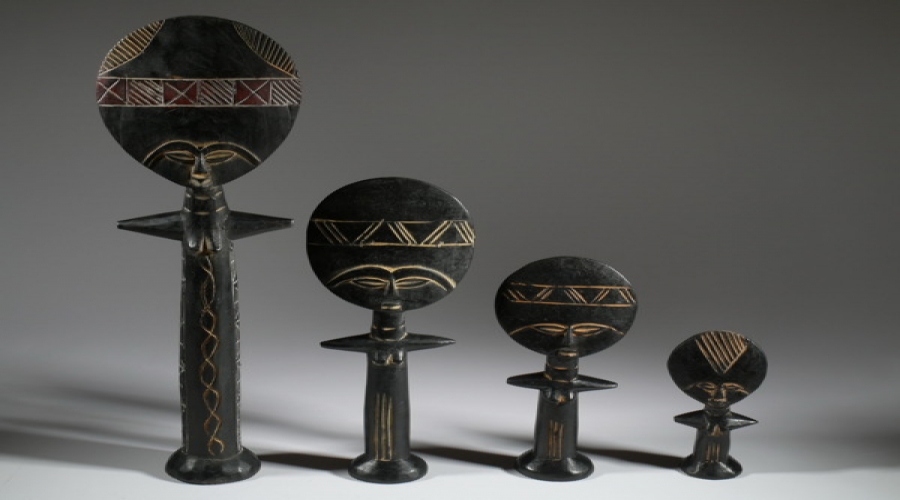
In Ashanti society, the figure of the Royal Mother, known as “Asantehemaa” or Queen Mother “Ohemma,” holds a position of great prestige and power. Represented either by the king’s mother or sister, the Queen Mother is revered, and her authority is unanimously respected among the Ashanti. With considerable influence, she is the only woman granted the privilege of issuing commands and offering counsel to the king, thus underscoring the scope and value of her role in preserving balance and wisdom within the royalty and the people.
The Ashanti Queen Mother, enjoying exceptional freedom and high status, holds rights and responsibilities that transcend conventional norms. She has the privilege of maintaining extramarital relationships, even within marriage, illustrating her autonomy and distinguished rank. As the ultimate arbiter in matters of justice, the Queen Mother presides over her own court, composed exclusively of men, where she settles disputes with authority and discernment.
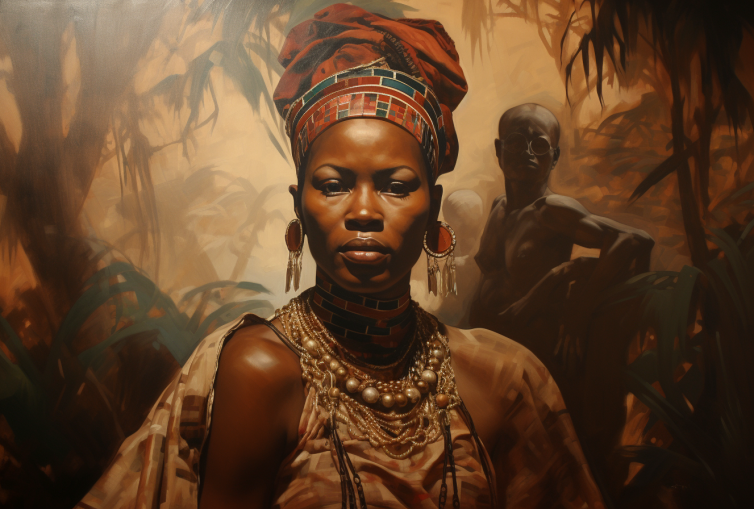
Her deep knowledge of genealogy designates her as the guardian of royal lineage, and it is she who orchestrates the annual purification rituals in honor of the ancestors, thus reinforcing her central role in preserving harmony and cultural continuity within the community.
The Queen Mother in Ashanti society symbolizes the very essence of motherhood, embodying the archetype of the mother par excellence. She represents not only the vital connection to the past, but also the sacred link with female ancestors, weaving an unbroken thread between generations. Her figure illustrates nurturing strength and timeless wisdom, serving as a source of inspiration and guidance, reflecting the deep reverence for the feminine principle and the importance of maternal lineage in Ashanti culture and identity.
Valuing and preserving Ashanti social heritage: a legacy of wisdom and harmony
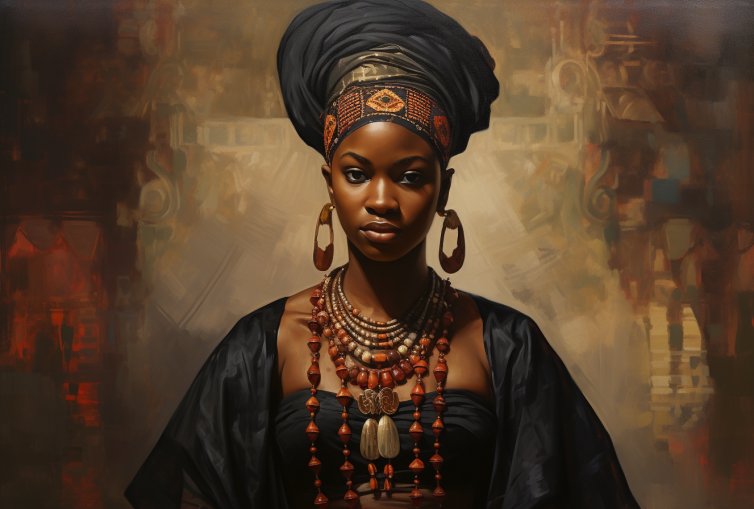
The matriarchal and matrilineal society of the Ashanti offers a fascinating glimpse into a social structure where balance, respect, and reverence for women are fundamental pillars. The preservation and understanding of such traditional structures are crucial, as they enrich our perception of cultural diversity and highlight the importance of valuing every facet of our heritage. Recognizing and celebrating Ashanti society means embracing a precious legacy, marked by wisdom, resilience, and social harmony, which continues to resonate across time and borders.
Take part in discovering and celebrating the Ashanti

We invite you to share this enriching article and to add your own perspectives or knowledge about the fascinating matriarchal and matrilineal society of the Ashanti. Your voice matters and can enlighten other readers. Feel free to explore more captivating content on nofi.media for a deeper immersion into African cultural heritage. Additionally, for instant and convenient access to a wealth of articles and resources, download the nofi app on the Apple Store or Google Play. Join our dynamic community and contribute to celebrating the richness of African cultural diversity.


