

Marcus Garvey gave Black peoples scattered by slavery, colonization, and migration a simple yet explosive idea: they formed one single political world. Born in Jamaica in 1887, trained in printing, and shaped by Central America, London, Harlem, and Kingston, he founded the UNIA, created a global newspaper, launched a Black-owned shipping company, and imagined a unified Africa. His project partly collapsed under the weight of financial failures, repression, internal conflicts, and his own contradictions. Yet his legacy would flow through Pan-Africanism, Rastafarianism, the Nation of Islam, Black Power, and every modern politics of Black pride.
Marcus Garvey: Black Pride as a Global Program
Harlem, 1920. In the streets, Black parades advance with uniforms, flags, marching bands, titles, dignitaries, and slogans. At Liberty Hall, Marcus Garvey speaks like the head of a state without a state. He promises workers, domestic servants, Caribbean migrants, drivers, vendors, mothers, small shopkeepers, and the humiliated of the colonial world a greatness that white America denies them.
Garvey understood something before many others: Black emancipation required global organization. Black people in Africa, the Caribbean, the United States, Central America, Europe, and South America lived in different societies, but they confronted the same imperial system: colonization, segregation, exploitation, lynchings, social contempt, economic domination, and cultural dispossession.
That was the core of his political genius. He transformed a scattered condition into an imagined people. He gave this borderless nation a press, a flag, ceremonies, a shipping company, speeches, an aesthetic, a mythology, and an African horizon. With the Universal Negro Improvement Association and African Communities League, founded in Jamaica in 1914, Garvey built the first great global mass Black movement of the twentieth century. Let us recall the major stages of this trajectory: his birth in Saint Ann’s Bay, the founding of the UNIA, its expansion in Harlem, the creation of the Negro World, the launch of the Black Star Line, the conflict with W. E. B. Du Bois, his conviction, deportation, and later recognition of his influence on Rastafari, the Nation of Islam, and Black Power.
Garvey belongs to those figures diminished when simplified. He was both visionary and demagogue, mass organizer and authoritarian leader, apostle of Black dignity and a man capable of violent remarks against mixed-race people or Jews, builder of institutions and poor administrator, Pan-African prophet who imagined Africa from the diaspora. His greatness lies in his historical impact. His darker sides belong to that same history.
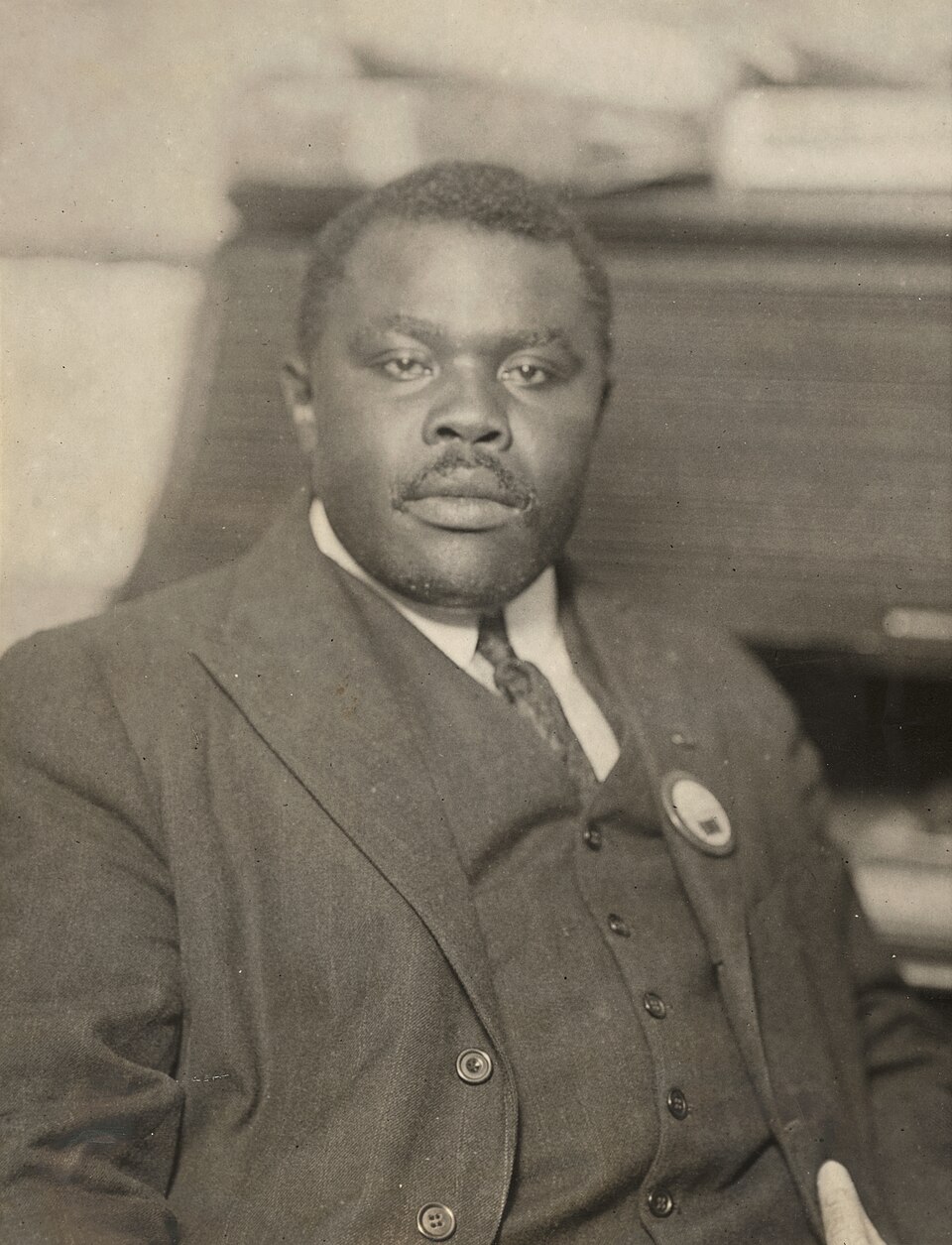
Marcus Mosiah Garvey was born on August 17, 1887, in Saint Ann’s Bay, Jamaica, then a British colony. He grew up in a society structured by color, class, education, and proximity to colonial power. Jamaica’s social order placed whites at the top, mixed-race people in intermediary positions, and dark-skinned Blacks at the bottom of the symbolic hierarchy. Garvey learned very early that color determined which doors opened, which friendships endured, and which humiliations one suffered.
His father, Malchus Garvey, was a mason, self-taught reader, and owner of a small family library. Young Marcus encountered books before he encountered politics. At fourteen, he left school and entered a printing apprenticeship. This detail explains his entire life. Garvey trained in the trade that produced newspapers, pamphlets, manifestos, posters, programs, certificates, and slogans.
Printing gave him both a technique and a vision. In a colonial world, controlling words meant controlling a weapon. Garvey understood that the press could organize crowds before they ever met. A newspaper could connect Kingston to Harlem, Harlem to Colón, Colón to London, London to Lagos or Monrovia. Print became his first political infrastructure.
In Kingston, he worked in the printing industry, became involved in trade unionism, and took part in the 1908 printers’ strike. The repression of that movement marked him deeply. He discovered the social cost of protest: unemployment, the reputation of being a troublemaker, exclusion. This moment anchored his anger in class experience. Garvey came from labor, from newspapers, workshops, and colonial streets.
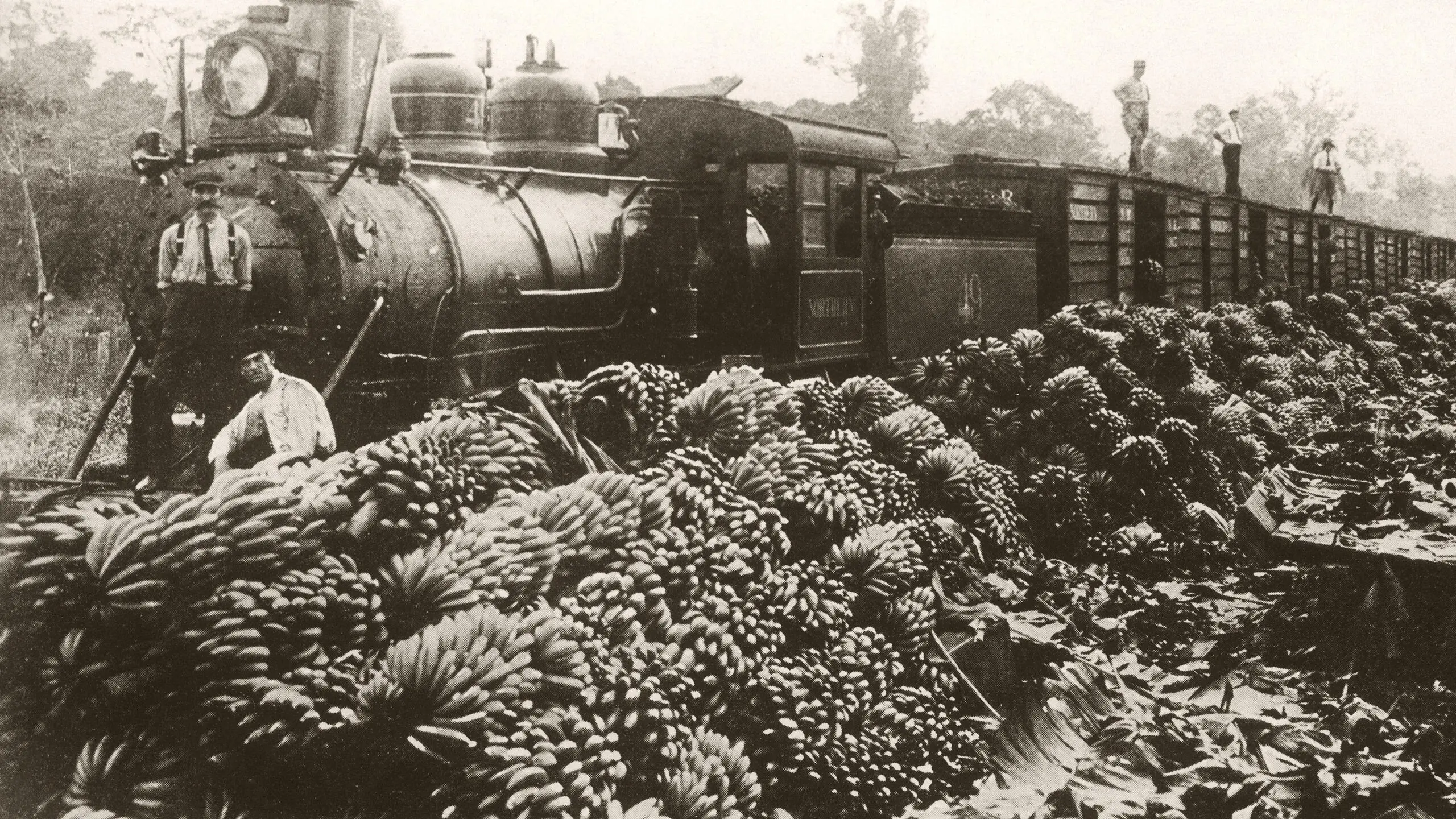
Between 1910 and 1914, Garvey left Jamaica and crossed several spaces of the Black Atlantic. In Costa Rica, Panama, and other parts of Central America, he observed the exploitation of Black migrant workers in plantations, ports, and economies controlled by large corporations. Let us mention in particular his time in Costa Rica, his work around the United Fruit Company, and his first experiences in activist journalism with Nation/La Nación.
These travels changed his scale of thinking. The Black condition went beyond Jamaica. It repeated itself in ports, construction sites, banana plantations, migrant neighborhoods, colonial hierarchies, crushed wages, and daily humiliations. Garvey saw a transnational Black working class before he even possessed the theoretical language to name it.
In London, he discovered the heart of the British Empire. He frequented debate circles, read at the British Museum, worked around Dusé Mohamed Ali’s journal African Times and Orient Review, encountered Pan-African ideas, and observed imperial arrogance from its center. He also read Booker T. Washington, whose Up from Slavery profoundly shaped him. Washington’s influence would reappear in Garvey’s insistence on self-improvement, industrial education, Black enterprise, and economic construction.
Garvey thus became a man of synthesis. From Jamaica he took racial consciousness, from printing the power of words, from Central America the vision of an exploited migrant Black class, from London the perception of Empire, and from Booker T. Washington the idea of economic autonomy.
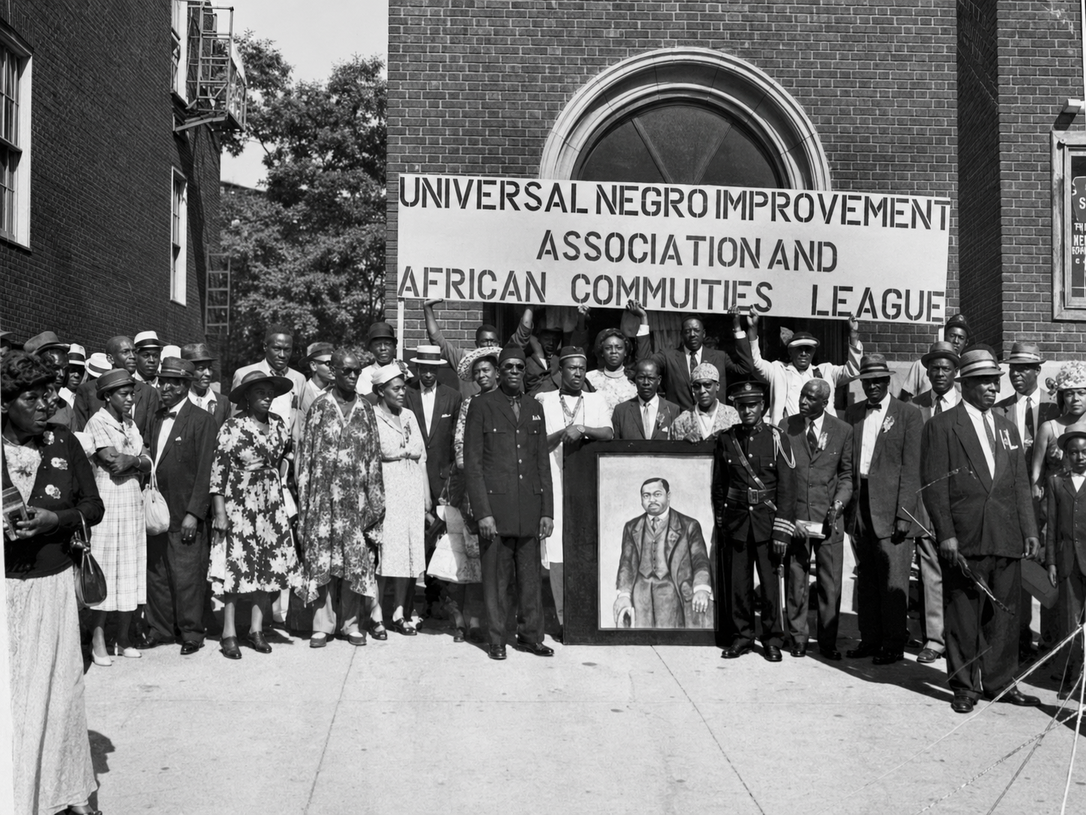
In July 1914, back in Jamaica, Garvey founded the Universal Negro Improvement Association and African Communities League. Its motto (“One God! One Aim! One Destiny!”) expressed the ambition: to produce global Black unity out of a scattered people. The movement sought to promote racial pride, education, moral uplift, economic organization, and solidarity among Africans and people of African descent.
The use of the word “Negro” was deliberate. In a society where the term could function as an insult, Garvey turned it into a political category. He wanted to tear Blackness away from colonial shame. He wanted descendants of Africa to stop fleeing their own name. The revolution began in vocabulary.
The Jamaican beginnings remained limited. Garvey often spoke from the position of a “cultivated class,” with at times a harsh contempt for the poor Black masses of his island. This tension runs through all his work: he wanted to uplift Black people, yet judged them severely; he spoke in the name of the humiliated, yet sometimes adopted the tone of an authoritarian moralist. From the outset, Garveyism combined popular pride with vertical discipline. In 1916, Garvey left for the United States. Harlem became his laboratory.
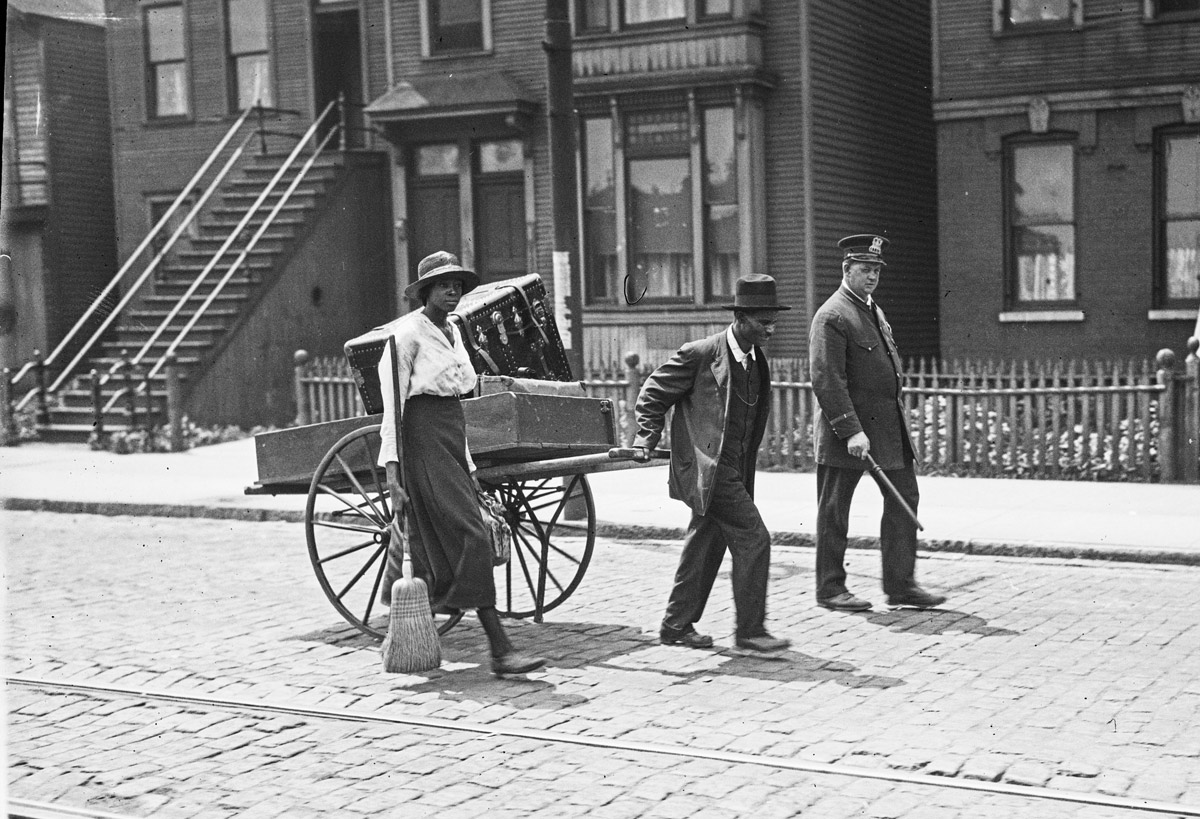
The America Garvey discovered was a country of segregation, Black migration, racial violence, and political ferment. The years 1917–1919 were marked by race riots, lynchings, the “Red Summer,” the return of Black soldiers from the First World War, and white fears of Black radicalization. In this context, the UNIA took on a new dimension.
Garvey opened a branch in Harlem, multiplied speeches, and recruited in streets, churches, associations, Caribbean networks, and African American communities. His movement attracted the poor, workers, migrants, women, small entrepreneurs, and people kept at a distance from elitist circles. There lay his difference from the NAACP of W. E. B. Du Bois, which was more focused on civil rights, the courts, integration, and the leadership of the educated Black elite.
Du Bois and Garvey embodied two responses to the same problem: how could Black people be liberated in a world dominated by white empires? Du Bois believed in the struggle for civic equality and full integration into American democracy. Garvey bet on separation, self-organization, Africa, enterprise, the masses, spectacle, and racial pride. Their conflict would become violent, personal, and at times unworthy. Du Bois viewed him as a demagogue, while Garvey attacked him with a brutality also tied to color and mixed ancestry.
The UNIA grew rapidly. Garvey used parades, uniforms, titles, and ceremonies. He understood the political power of imagery. Poor Black people, often confined to the bottom of the social order, suddenly saw themselves represented as a sovereign people: officers, dignitaries, queens, presidents, soldiers, diplomats, ships, and flags.
In 1920, the UNIA organized the First International Convention of the Negro Peoples in Harlem. Thousands attended the gatherings. Garvey was proclaimed “Provisional President of Africa,” and a “Declaration of the Rights of the Negro Peoples of the World” condemned European colonialism in Africa. Let us emphasize the scale of this moment, with massive crowds at Madison Square Garden, but also African criticisms of the fact that an Afro-Jamaican was presenting himself as the symbolic leader of the continent. Garvey succeeded in making a Black state emotionally real before it existed. That was his strength.

