

In 1865, in the aftermath of the Civil War, thousands of formerly enslaved African Americans hoped to receive land: forty acres, sometimes accompanied by a mule. The promise was quickly broken. More than a century later, Spike Lee revived the phrase to name his production company: 40 Acres and a Mule Filmworks. The gesture goes beyond historical homage. It transforms a political debt into a cinematic program. Where America refused the land, Spike Lee built a territory of images. The lesson now speaks to Black diasporas everywhere: owning our narratives requires tools, studios, archives, and screens.
From land promised to former slaves to the cinema of Spike Lee, “40 Acres and a Mule” tells the same struggle

The expression “40 acres and a mule” was born from a suspended promise at the most fragile moment in American history. In January 1865, the Civil War was nearing its end. The Union army was advancing through the South. Slave plantations were collapsing. Thousands of Black men, women, and children, freed by the war, sought a concrete path toward freedom: a place to live, work, protect their families, and produce without a master.
On January 16, 1865, General William Tecumseh Sherman issued the Special Field Orders No. 15 from Savannah, Georgia. The order reserved coastal lands (from the islands of Charleston to northern Florida, as well as certain abandoned rice plantations) for the settlement of Black people freed by the war. The text provided plots of up to forty acres of cultivable land per family. These settlements were placed under Union military authority, while their day-to-day management was left to the freed people themselves.
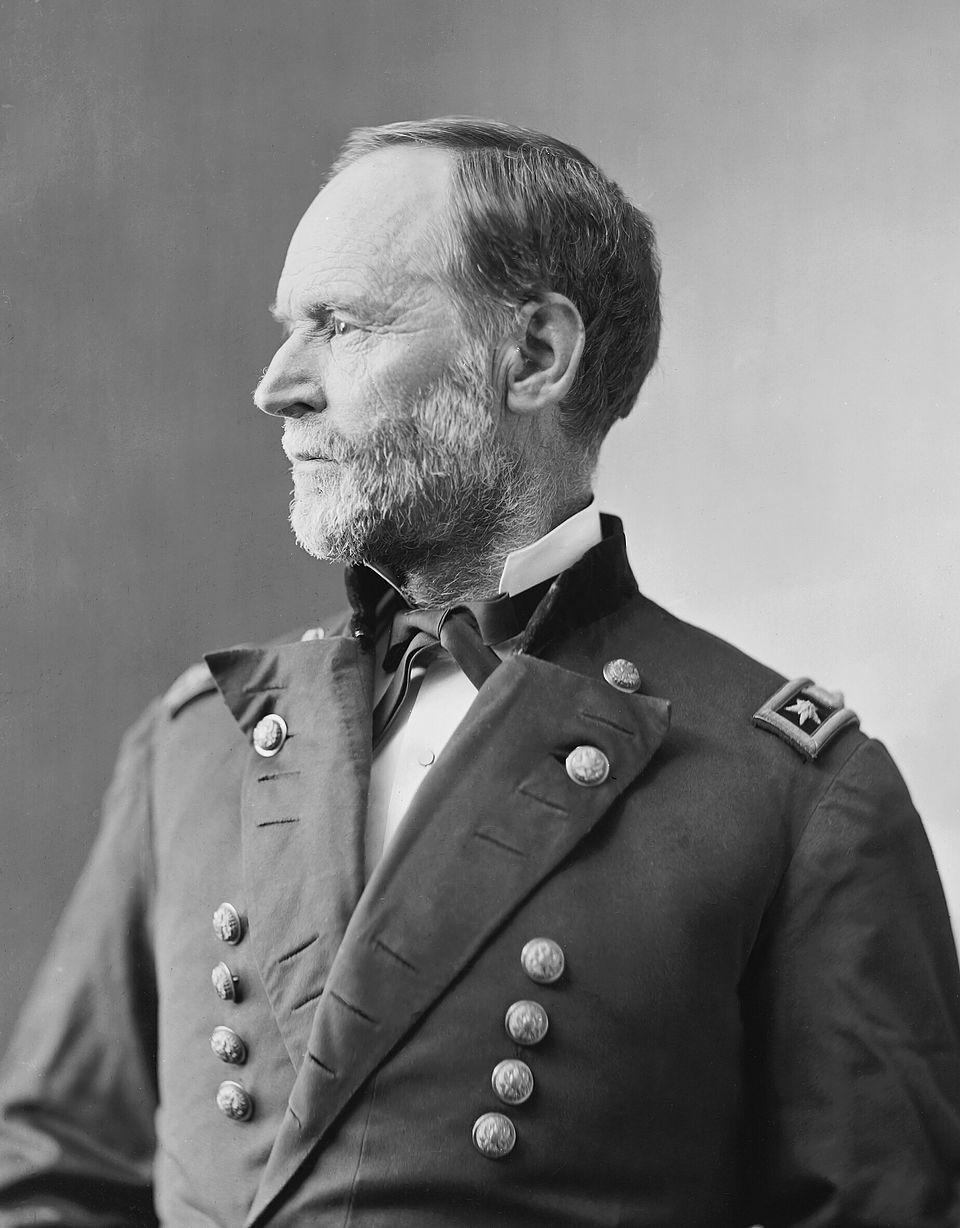
In the Black American imagination, the measure quickly became greater than a military order. It condensed a simple truth: emancipation without land condemns former slaves to precarious freedom. A liberated body remains vulnerable without property, capital, tools, or protection against former masters. The forty acres therefore represented material reparations: land for those who had cultivated it for free for generations.
The mule, added through popular memory after the redistribution of surplus army animals, completed the symbol. The land provided space. The mule provided the tool. Together, they embodied a founding promise: rebuilding Black life outside the plantation, outside the direct control of former owners, outside the economic dependency capable of transforming freedom into another form of servitude. The promise would not last long.
After the assassination of Abraham Lincoln, Andrew Johnson became president. A former Tennessee Democrat hostile to radical transformation in the South, Johnson implemented a policy restoring confiscated land to former Confederate owners. Black families settled on those lands saw their hopes of land ownership collapse. Historian Henry Louis Gates Jr. recalls that Johnson overturned the spirit of Sherman’s order in the autumn of 1865 and returned the lands to their former white owners.
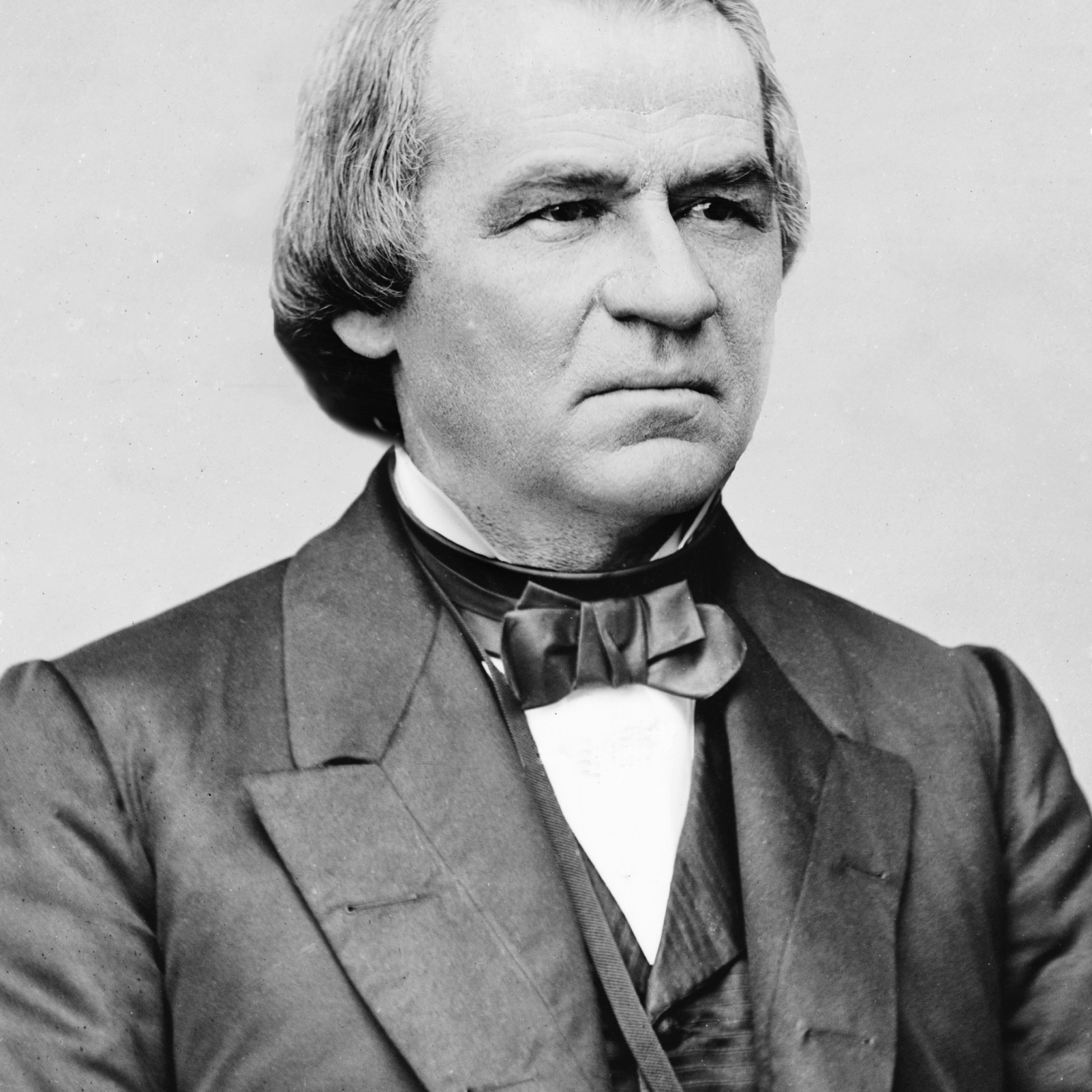
American history then shifted toward a freedom without reparations. Former slaves theoretically gained ownership of their bodies, yet lost large-scale access to land. They exited the status of property only to enter an economy where former masters retained the soil, the capital, the tools, the courts, the militias, the contracts, and most local power.
The phrase “40 acres and a mule” thus became one of the great symbols of America’s debt. It tells the story of a precise promise, followed by a foundational betrayal: America proclaimed emancipation while refusing former slaves the material basis of autonomy. Black freedom was conceived without redistribution. That fracture runs through all the history that followed: sharecropping, segregation, racist violence, exclusion from credit, land dispossession, wealth gaps, housing discrimination, and unequal transmission of wealth.
The expression endured across generations because it summarizes an American contradiction: a country can abolish slavery while preserving the economic conditions of racial domination. The plantation disappears as a legal institution, yet survives through land relations, debt, and labor.
In 1979, Spike Lee founded 40 Acres and a Mule Filmworks. The name is a manifesto. The company’s official website presents it as Spike Lee’s production company, founded in 1979 and based in Fort Greene, Brooklyn. The choice was not an intellectual wink. It inscribed every film within a long history: that of denied reparations and a territory to reclaim. Spike Lee never received the forty acres. He reinvented them through cinema.
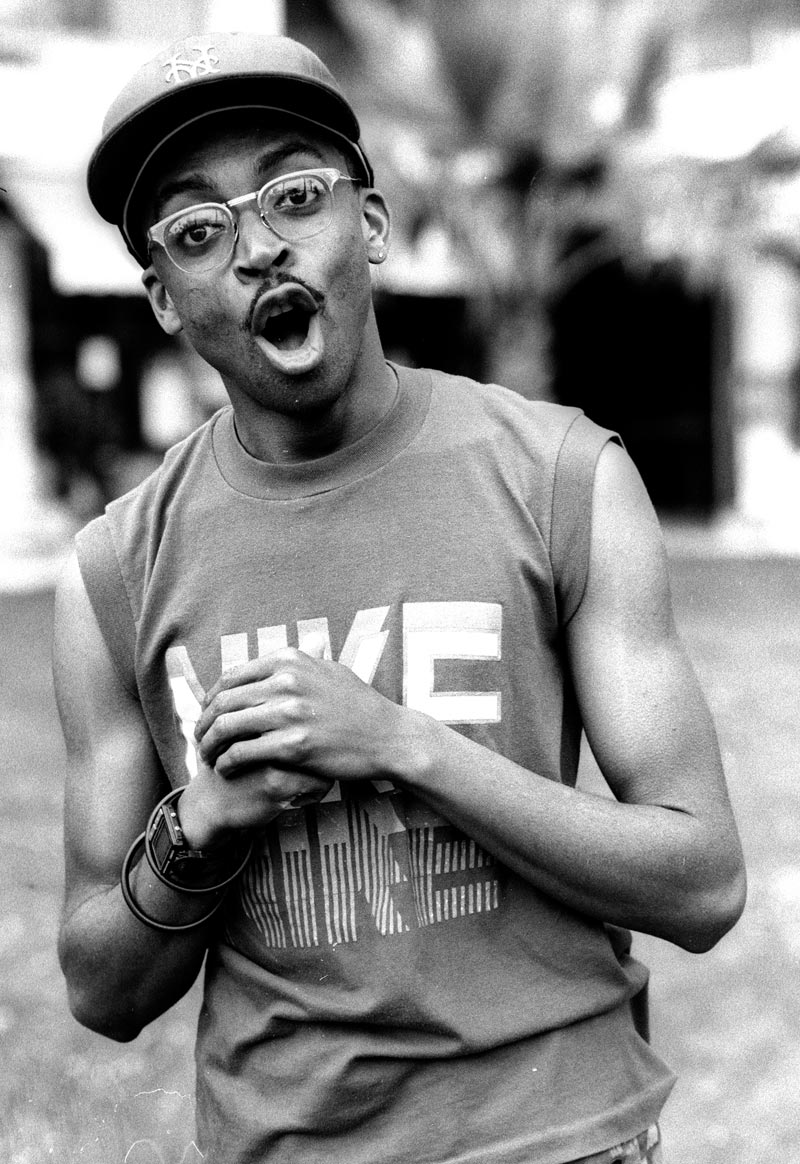
The production company became a symbolic parcel within America’s image industry. A Black territory at the heart of a Hollywood that had long looked at Black people from the outside: caricatures, servants, criminals, victims, comic bodies, threatening bodies, supporting roles, lives filtered through white producers, Black stories dependent on external validation.
To name his studio 40 Acres and a Mule was to remind the world that the absence of land produced another strategy: building a cultural territory. Where land ownership had been taken away, Spike Lee claimed narrative ownership. Where America had denied freed people a material foundation, he built an industrial foundation for his images.
The gesture is political because a studio changes an artist’s place. An isolated director searches for funding, negotiates a gaze, defends a script, waits for approval. A studio organizes a world: development, production, casting, music, archives, advertising, rights, transmission, memory. It transforms an idea into a work, then the work into a catalogue.
Spike Lee entered American cinema with this intuition: Black storytelling needed a home. Not merely a role. Not merely an actor. Not merely a film miraculously accepted. A home. An office. A team. An address. A logo. A name heavy with history. A structure capable of producing and signing its work.
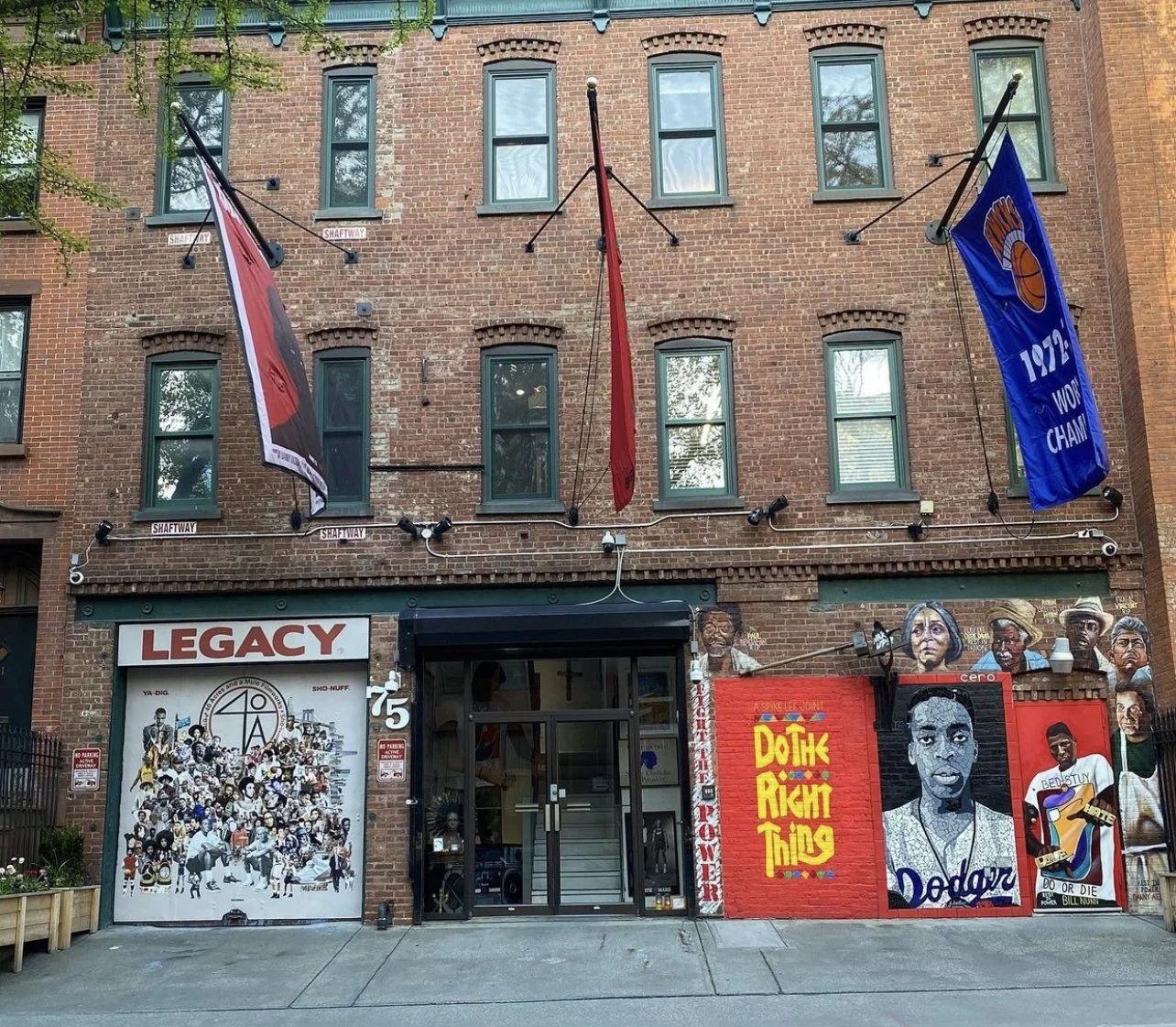
Fort Greene thus became more than a Brooklyn neighborhood. It became an outpost. From this urban territory, Lee filmed Black America as a complete world: its streets, languages, music, anger, contradictions, families, debates, bodies, obsessions, and wounds. He did not ask the dominant audience to validate this existence. He imposed it.
Spike Lee’s cinema rejects neutrality. It speaks loudly, frames directly, fuses music with the body, transforms the street into a courtroom, the neighborhood into a political stage, conversation into ideological battle. His films move like “joints,” according to the term he favors: recognizable objects, signed works driven by both auteur energy and collective force. The promised land becomes a screen.
American cinema long functioned as a machine for producing the white gaze. That machine decided who deserved complexity, who embodied universality, who represented beauty, who incarnated threat, who died to advance the plot, who spoke for others, who remained scenery.
Within this system, Black people were visible in controlled ways. Present, but often assigned. Filmed, but rarely masters of the frame. Narrated, but filtered. Loved when reassuring, tolerated when entertaining, honored when their pain served moral reconciliation.
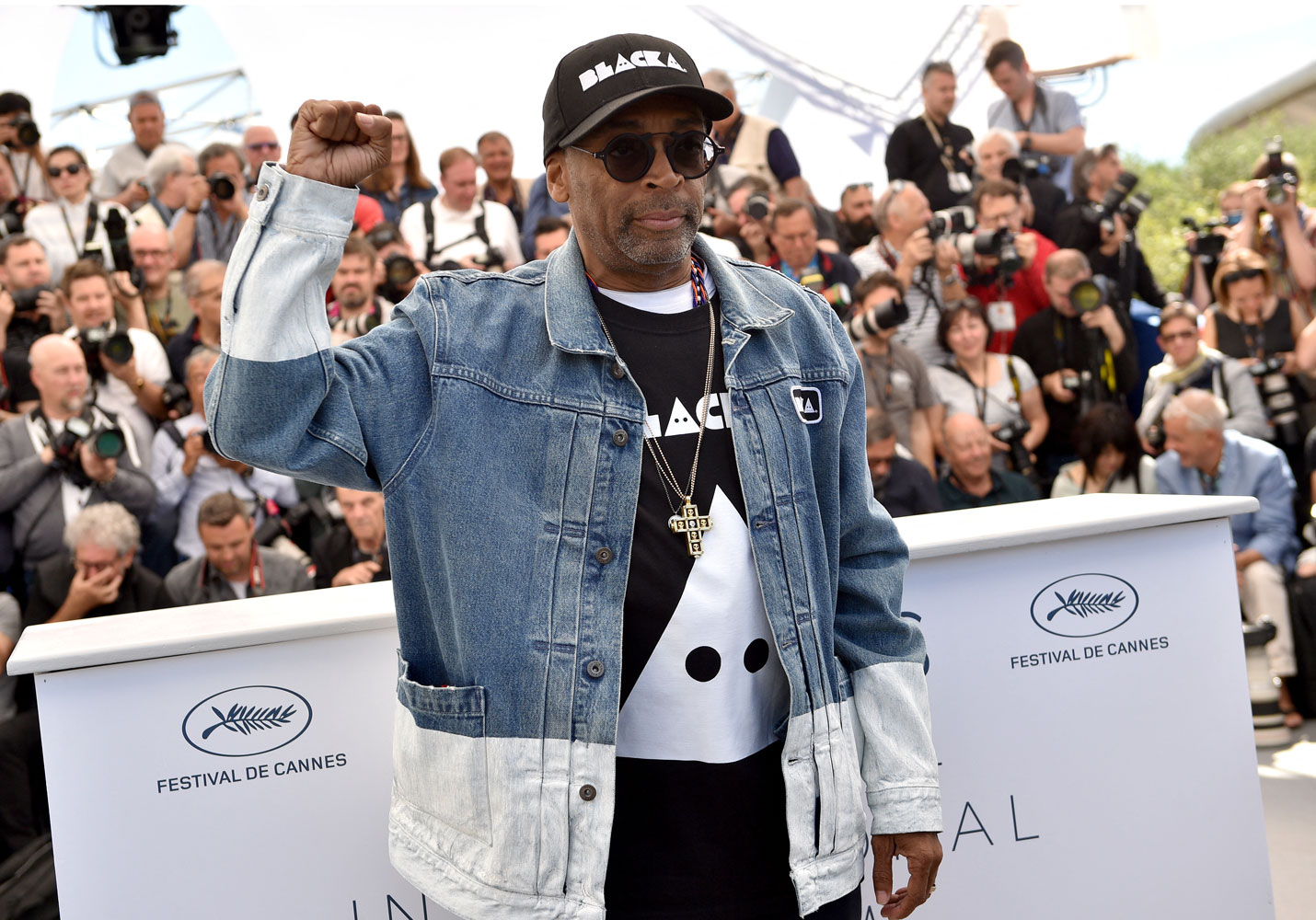
Spike Lee understood very early that the central battle was fought through the gaze. Who watches? Who frames? Who writes? Who edits? Who owns the negative? Who chooses the music? Who decides the ending? Who controls the poster? Who transforms a community into the main character?
40 Acres and a Mule Filmworks answers those questions through production. Lee’s studio carries a simple idea: Black imagery gains power when it owns the means of its creation. Representation shows faces. Production builds a language.
That distinction remains decisive. A Black appearance in a dominant film may leave an impression on audiences. A Black structure capable of producing its own works builds heritage. The actor enters the frame; the producer decides the frame. One obtains a place; the other draws the map. Hollywood long distributed places. Spike Lee wanted the blueprint of the house.
This is where the name of his studio acquires its full force. The forty acres represented a material foundation: land to become economically free. The studio represents a symbolic and industrial foundation: a tool to become narratively free. The same principle moves from one century to another. Freedom without ownership remains fragile. In Reconstruction-era America, that ownership was called land. In the cultural industries, it is called rights, studios, catalogues, funding, archives, and distribution networks. Spike Lee transformed this continuity into a method.
She’s Gotta Have It opened the path in 1986. Spike Lee’s first feature film introduced Nola Darling, a free, desiring, contradictory Black woman filmed outside the usual frameworks of respectability or sacrifice. The film did not look like a request for admission into Hollywood. It looked like an act of occupation: Brooklyn, Black bodies, jazz, humor, direct address, black-and-white cinematography, limited resources transformed into style.
Three years later, Do the Right Thing changed the scale. Released in 1989, the film entered the National Film Registry of the Library of Congress in 1999, during its first year of eligibility; the Library of Congress continues to regard it as one of the major landmarks of contemporary American cinema. A single hot day in Brooklyn becomes a condensed portrait of racial America: shopkeepers, neighbors, insults, police, music, violence, rage, exhaustion, love for the neighborhood, and the impossibility of maintaining peace atop permanent injustice.
Spike Lee films the Black community without postcards. He gives every character a temperature, a voice, a contradiction. The film does not moralize; it heats up. It places the viewer in the street, amid the noise, the bodies, Public Enemy, pizzas, gazes, and tension. Then it leaves America facing the corpse of Radio Raheem.
With Malcolm X in 1992, Lee confronted another form of dispossession: the confiscation of Black political memory. The film transformed Malcolm’s autobiography into an epic, spiritual, carceral, international fresco. It restored the trajectory of a man America had often reduced to a caricature of anger. Cinema here becomes tomb, school, rally, archive, prayer. Denzel Washington embodies Malcolm X as a force in constant transformation: hustler, prisoner, reader, preacher, militant, dissident, martyr.
Crooklyn shifts the terrain once again. The film looks toward childhood, family, small domestic economies, arguments, music, neighborhood life, emotional memory. Spike Lee demonstrates that narrative sovereignty also passes through tenderness. Telling Black stories does not only mean filming open struggle. It also means filming kitchens, mothers, games, bedrooms, illnesses, summers, and the sounds of home.
Clockers returns to urban violence and the drug economy. Yet Lee refuses simplification. The dealer is not a silhouette. The neighborhood is not criminal scenery. Police, streets, illness, debt, fear, children, and illegal capitalism produce an ecosystem. The film observes a society abandoned to its survival circuits.
With Bamboozled in 2000, Spike Lee delivered one of his fiercest works. The satire attacks the history of minstrel shows, television, racist entertainment, and the industry’s ability to transform Black humiliation into profitable product. The film is uncomfortable, excessive, frontal. It indicts spectacle America: yesterday blackface, today formats, networks, producers, audiences, and the ironic consumption of racism.
25th Hour, released after 9/11, broadened Lee’s grammar. He filmed a wounded New York, white masculinity, prison, guilt, the end of a world. His camera retained its identity: the city as moral organism, the face as territory, music as memory.
Inside Man later proved that Spike Lee could enter the Hollywood thriller without losing his eye. Heist film, genre film, system film: beneath the entertainment, Lee inserts the memory of dirty fortunes, compromises, and secrets hidden inside vaults.
With BlacKkKlansman, presented in competition at Cannes in 2018, Spike Lee returned to the center of the international stage. The Cannes Film Festival recalls that the film won the Grand Prix and later earned Lee his first Oscar for one of his films. The true story of Ron Stallworth, a Black police officer infiltrating the Ku Klux Klan, becomes in Lee’s hands a bridge between the 1970s, Donald Trump, Charlottesville, and the persistence of white supremacy. The past does not pass. It returns masked, televised, electoral, viral.
Finally, Da 5 Bloods addresses another blind spot: Black American soldiers in Vietnam, sent to fight for a country that still despised them. The external war becomes the mirror of an internal one. America’s debt expands: debt toward the enslaved, debt toward soldiers, debt toward the dead, debt toward the living.
This filmography does not form a simple sequence of titles. It forms a territory. Each film adds a parcel to the symbolic forty acres: Black desire, urban anger, political memory, childhood, media satire, war, crime, the city, family, police, music, martyrs, contradictions. Spike Lee did not merely direct films. He built a map.
A Black studio does not replace material reparations. It does not restore lost land. It does not erase the wealth gap born from slavery, land racism, banking discrimination, housing exclusion, and unequal public policies. But it produces something else: an infrastructure of memory, imagination, and power.
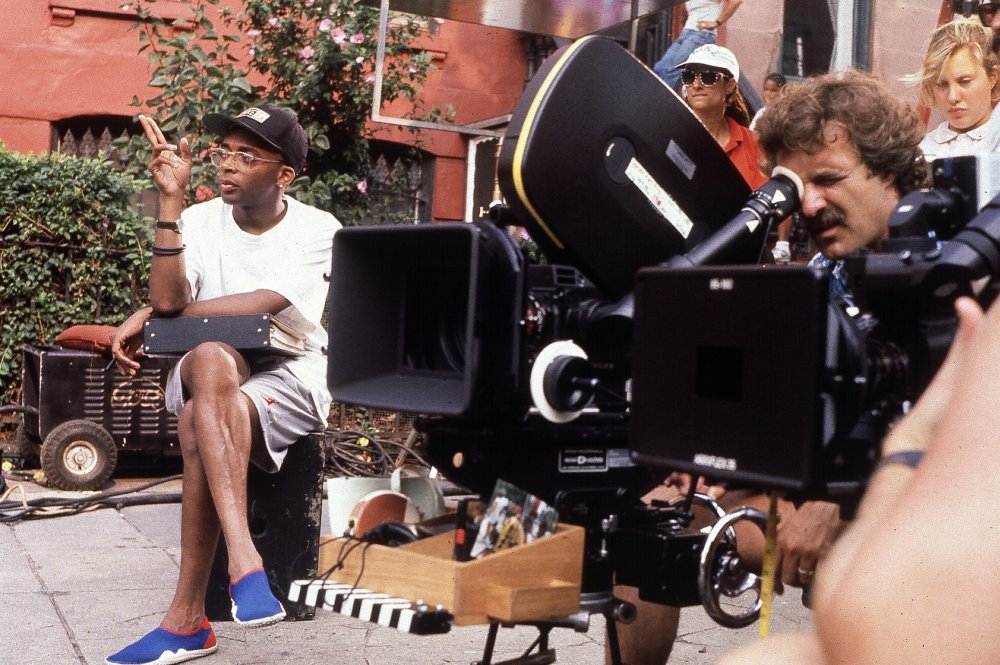
This infrastructure matters because images govern societies. They manufacture heroes, fears, desires, models, enemies, gestures, accents, and landscapes of childhood. A people deprived of its images depends on the gaze of others to recognize itself. A people that produces its own images builds a transmissible memory.
40 Acres and a Mule Filmworks demonstrates that cultural sovereignty requires concrete structures. Outrage without a studio remains a cry. Memory without funding remains a fragile manuscript. History without distribution remains a sleeping archive. A screenplay without a producer remains a promise.
The studio gives memory an industrial form. It transforms a subject into development, development into production, production into a work, a work into a catalogue, a catalogue into heritage.
This is where Spike Lee’s lesson becomes global. It surpasses the United States. It speaks to Black diasporas in Europe, the Caribbean, Africa, the Indian Ocean, and Latin America. Everywhere, the same question returns: who tells our stories? Who finances them? Who distributes them? Who owns the rights? Who decides the heroes, the accents, the faces, the settings, the endings?
In the French-speaking world, this question remains immense. Black stories exist: African empires, maroon resistance, slave revolts, revolutionary figures, working-class neighborhoods, migrations, colonial archives, diasporic families, spiritualities, urban cultures, mythologies, folktales, music, athletes, intellectuals, filmmakers, workers, mothers, children, the disappeared. The missing link lies in scaling up: screenplays, financing, studios, production chains, platforms, distribution, training, catalogues. The great lesson of 40 Acres and a Mule Filmworks lies here: memory gains power when it equips itself.
From Spike Lee to NOFI STUDIO: building our own tools
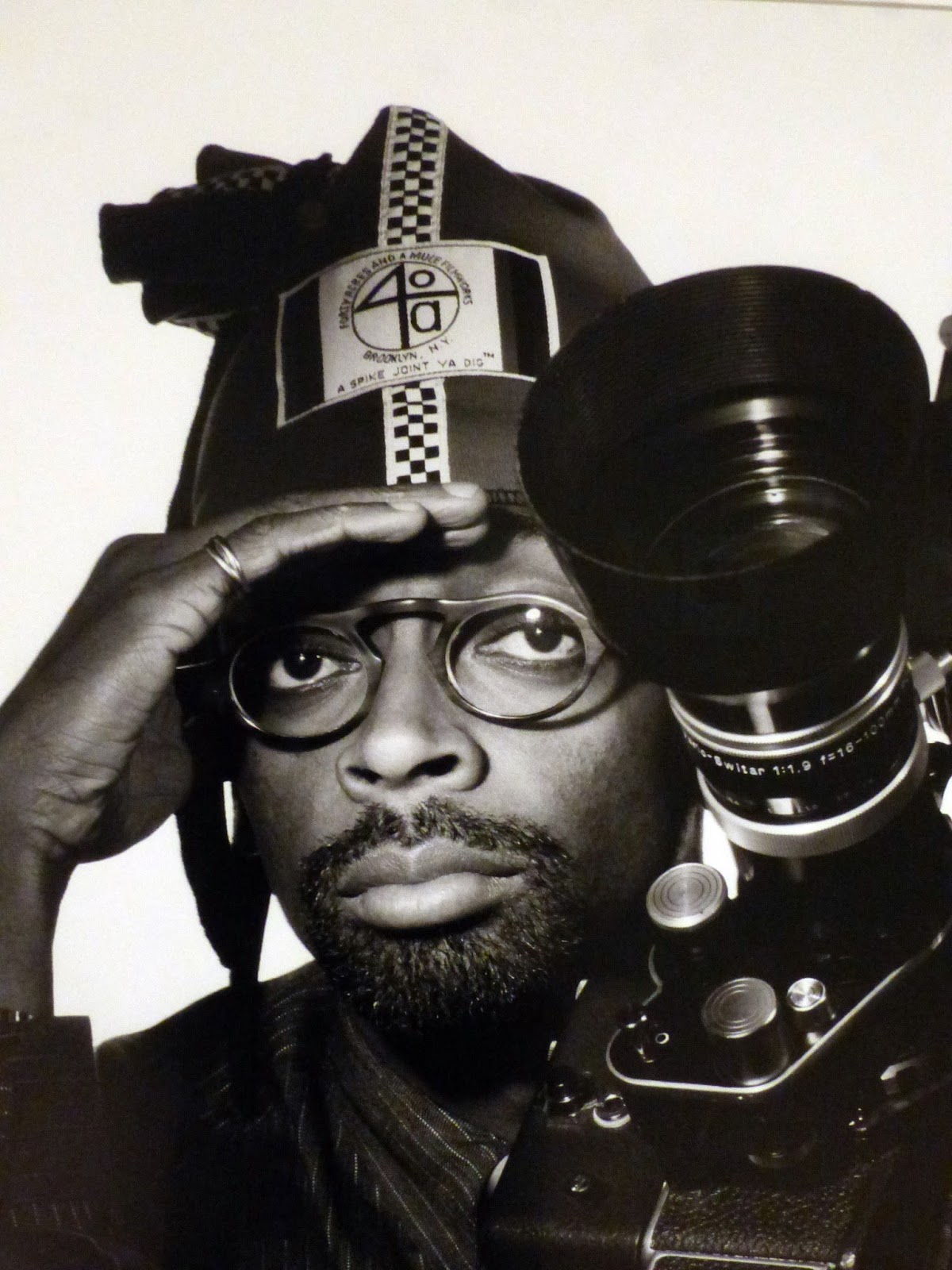
NOFI STUDIO naturally belongs within this history. Not through imitation. Through necessity.
For years, NOFI has narrated Black worlds: history, politics, cinema, popular culture, memory, forgotten figures, contemporary controversies, and debates around representation. The transition toward a studio extends this editorial work. It transforms the article into image, the dossier into documentary, the folktale into animation, the archive into series, memory into work.
Spike Lee took a betrayed land promise and transformed it into cinematic territory. NOFI can take a scattered memory and transform it into a production tool. The challenge can be summed up in a simple formula: By us, for us.
This formula does not signify withdrawal. It signifies responsibility. Producing for ourselves allows us to speak to the world from our own center. It allows ambitious works to emerge without waiting for others to judge our stories “universal.” It allows us to escape the logic of permission: permission to exist, permission to be funded, permission to be complex, permission to be profitable, permission to tell our heroes outside the prism of suffering or exoticism.
NOFI STUDIO can become that parcel: a place where Francophone Black history finds its images, formats, voices, archives, and characters. A tool capable of creating dialogue between documentary, fiction, animation, filmed podcast, short film, series, historical narrative, and popular cinema.
The reference to Spike Lee is not meant to sanctify an American model. It serves to understand a strategy. A name can contain memory. A studio can extend a political struggle. A structure can transform a community of viewers into a force of production.
The story of 40 Acres and a Mule tells of denied reparations. The story of 40 Acres and a Mule Filmworks tells of cultural response. The story of NOFI STUDIO can tell the next chapter: building Black tools within the Francophone world so that our narratives no longer depend solely on the gaze, budgets, and priorities of others.
In 1865, the forty acres represented a promise of material freedom. Land to live on. Land to produce on. Land to escape dependency. Land to transmit. That promise was broken, and its fracture crossed American history.
In 1979, Spike Lee revived the formula and displaced it. The land became a studio. The mule became a camera. The parcel became a catalogue. Denied reparations became a production method. The shift does not erase the debt. It points toward a path.
Black peoples have never lacked stories. They have lacked the tools to impose them at scale. They have lacked land, studios, capital, networks, theaters, platforms, rights, and archives controlled by themselves. The cultural battle begins when memory finds infrastructure.
Spike Lee understood this. 40 Acres and a Mule Filmworks transformed a historical wound into cinematic territory. NOFI STUDIO can transform Francophone Black memory into audiovisual power.
The promised land becomes a screen.
The screen becomes a territory.
The territory becomes a future.

