

In the annals of Afro-Colombian history, few figures shine as brightly as Benkos Biohó, a Mandingue leader whose courage and determination shaped the first free village in the Americas. His life, marked by resistance and the struggle for freedom, offers a profound source of inspiration and a glimpse into the often-overlooked history of African resistance in the New World. This article explores the extraordinary life of Benkos Biohó and his enduring legacy.
Captivity and escape: the first steps toward freedom
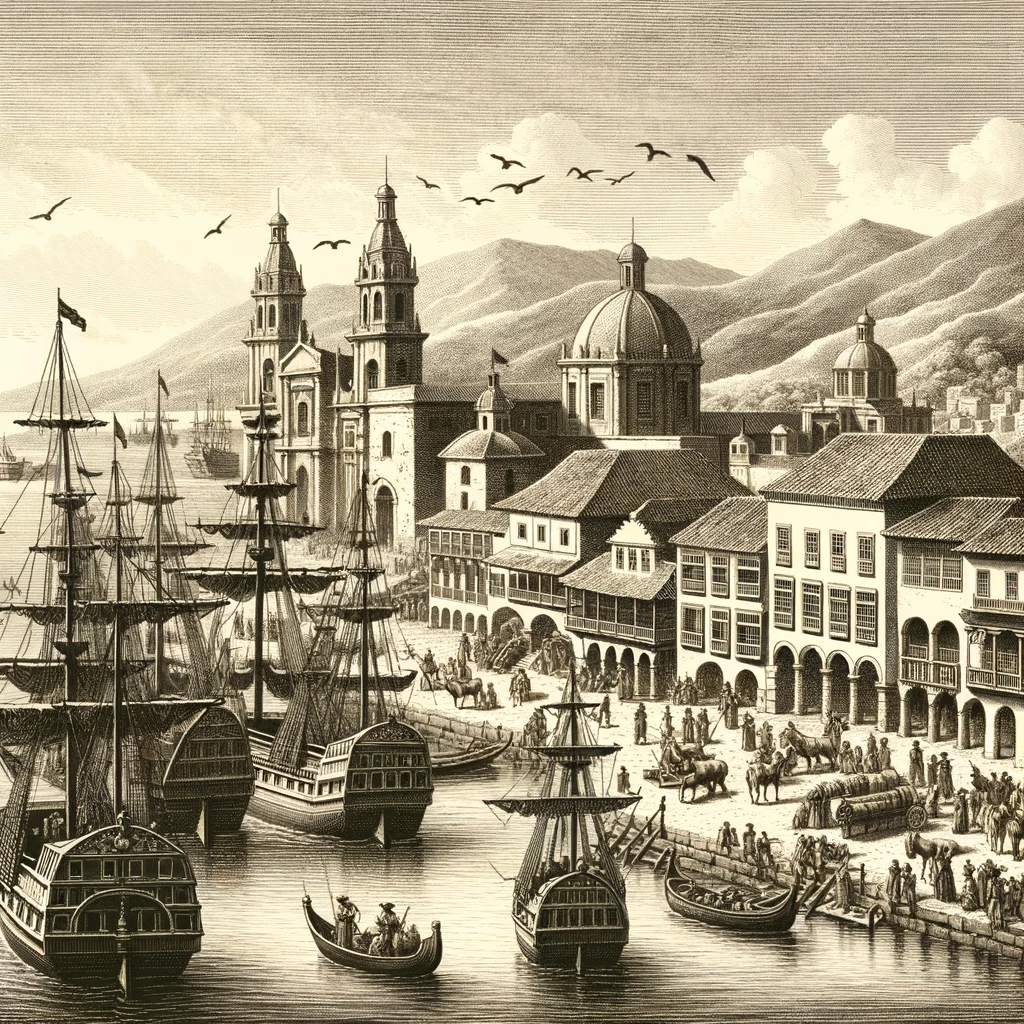
Born in the Bissagos archipelago in Guinea-Bissau, Benkos Biohó, also known as Domingo Biohó, was captured at a young age by Portuguese slave traders. Sold multiple times, he eventually ended up in Cartagena de Indias, in present-day Colombia. It is there that his legend begins. In 1599, Biohó orchestrated a daring escape, fleeing into the lush marshlands southeast of Cartagena. This escape was not only an act of personal bravery, but the beginning of a liberation movement that would change the course of history.
San Basilio de Palenque: a refuge for free souls
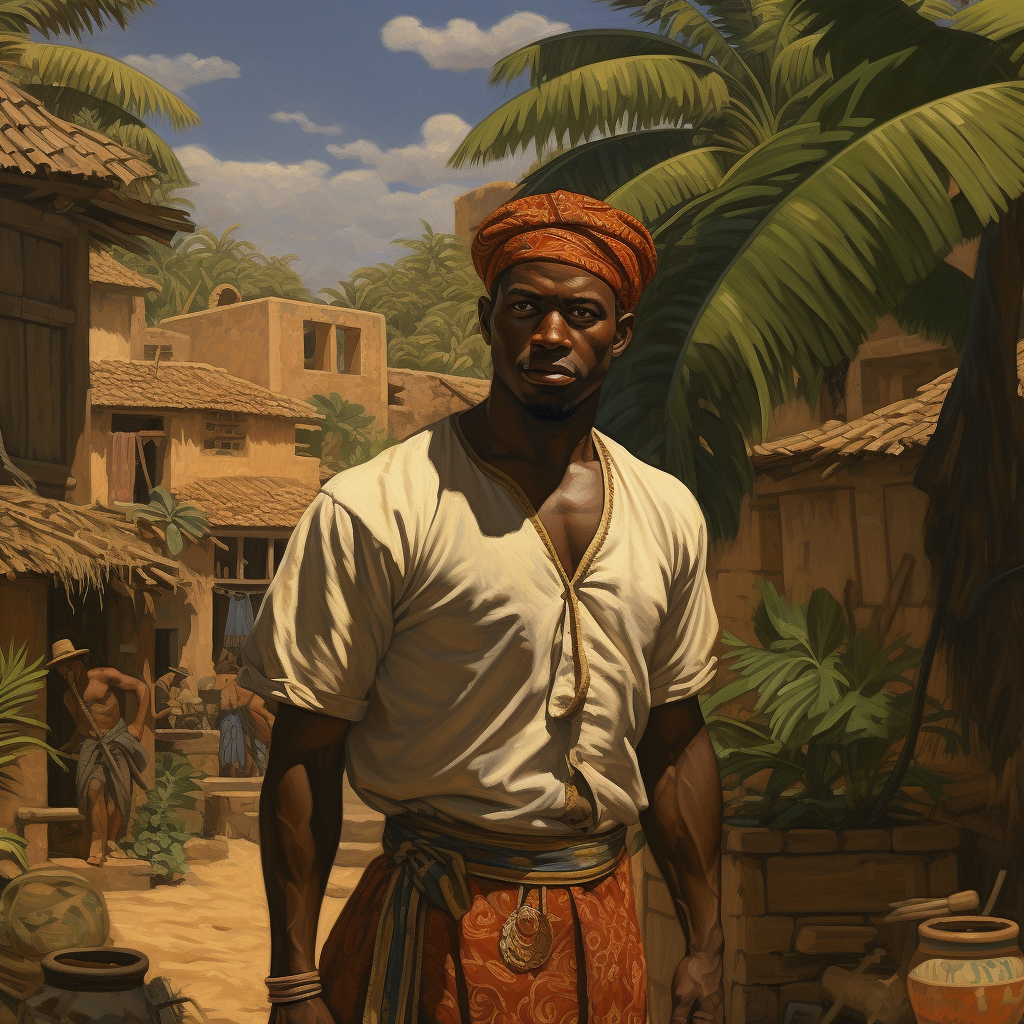
After his escape, Biohó did not settle for seeking his own freedom. He became a beacon of hope for many other runaway slaves. Under the leadership of the man who would be nicknamed the “King of Arcabuco,” they founded San Basilio de Palenque, a village that would become the first free African territory in the Americas. This village was not just a refuge; it was a symbol of resistance and autonomy, an open challenge to the Spanish colonial order.
The struggle for recognition and betrayal
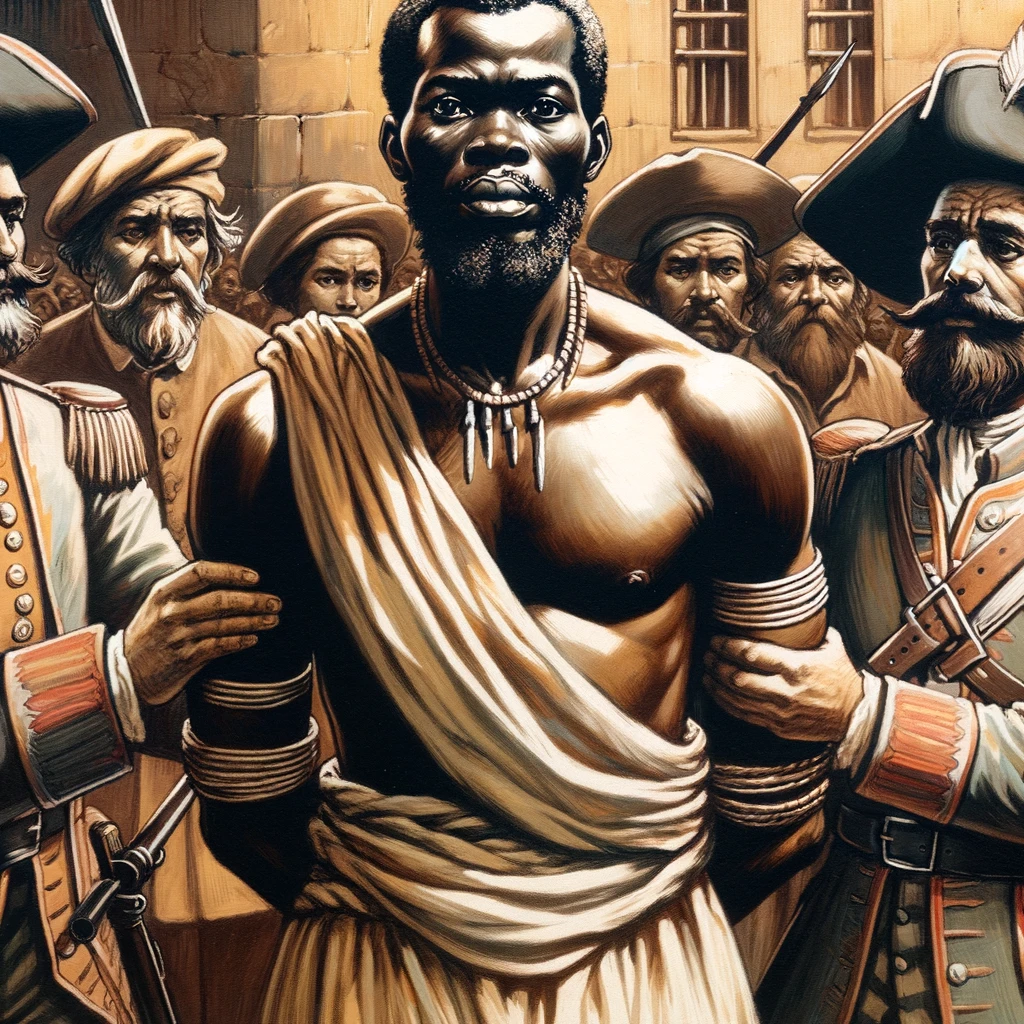
The growth of San Basilio de Palenque and its success as a free community attracted the attention of colonial authorities. In 1605, the governor of Cartagena, Gerónimo de Suazo y Casasola, unable to defeat the Maroons, proposed a peace treaty to Biohó. This treaty recognized the autonomy of Matuna Bioho Palenque, an unprecedented gesture at the time. However, the peace was short-lived. In 1619, Biohó was betrayed and captured by the Spanish, who sentenced him to death two years later. His tragic death is a stark reminder of the relentless struggles for freedom and justice.
The legacy of Benkos Biohó: beyond death
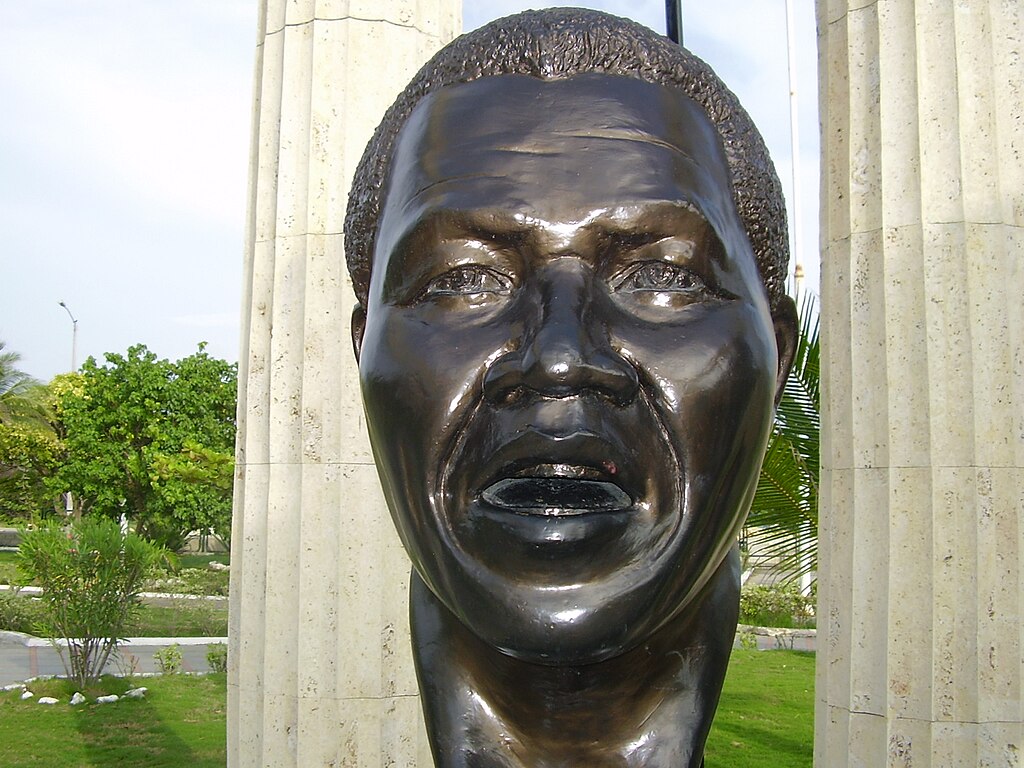
The death of Benkos Biohó did not mark the end of his legacy. On the contrary, it strengthened the determination of the Maroons and solidified San Basilio de Palenque as a symbol of unbreakable resistance. Today, the village is recognized by UNESCO as a masterpiece of the oral and intangible heritage of humanity. Biohó’s spirit continues to inspire struggles for freedom and equality around the world.
Benkos Biohó in collective memory: a rediscovered hero
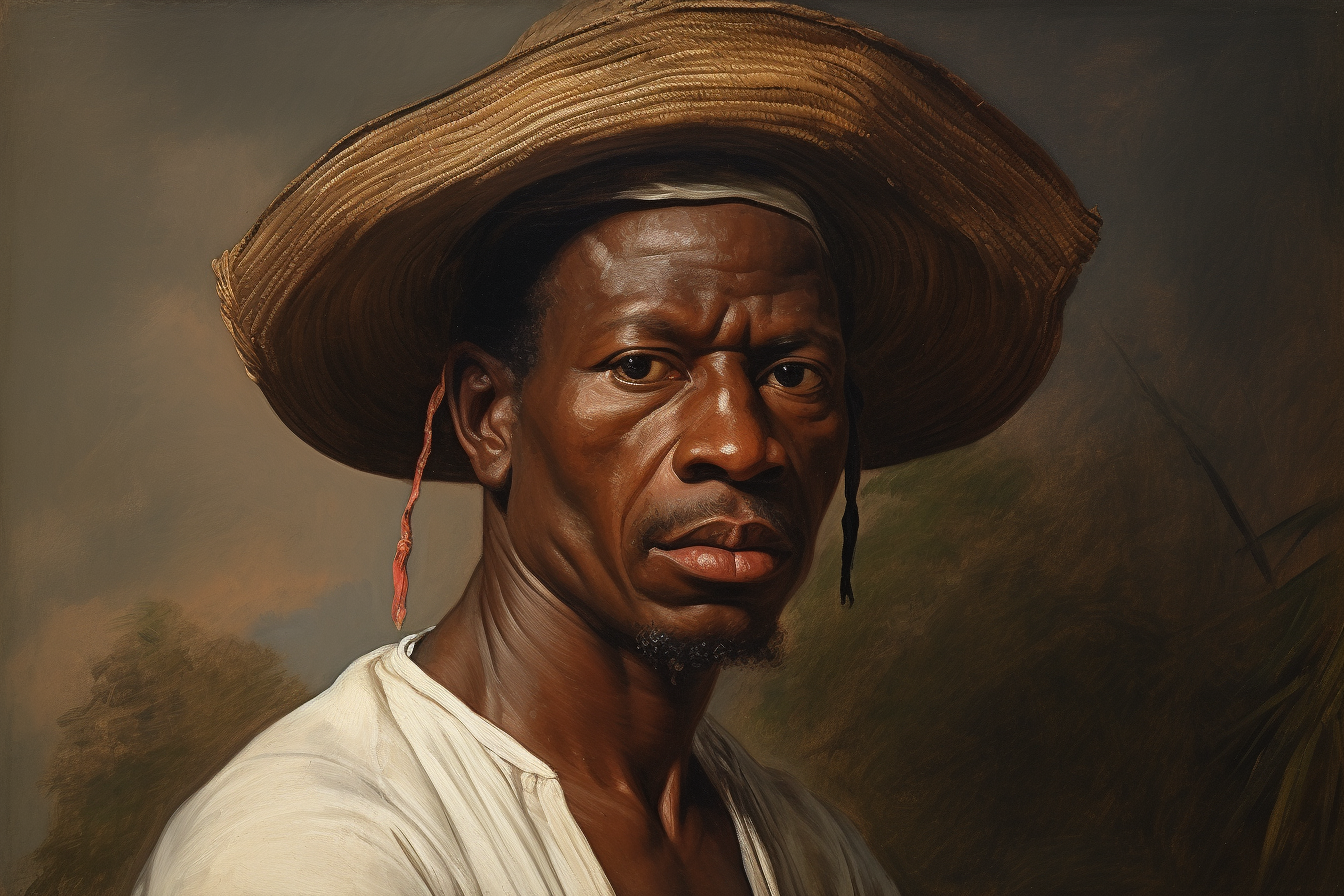
The figure of Benkos Biohó has often been relegated to the margins of official history. However, thanks to the efforts of historians and activists, his story is increasingly recognized and celebrated. In a world where stories of resistance and liberation are more relevant than ever, Biohó’s life offers a powerful reminder of the resilience and strength of the human spirit in the face of oppression.
He was not only a man seeking personal freedom; he was a visionary who saw beyond the chains of slavery to create a haven of freedom and hope. His story, rich with lessons of courage, leadership, and perseverance, continues to resonate today. By remembering Benkos Biohó, we celebrate not only a hero of Afro-Colombian history, but also a universal symbol of the struggle for freedom and human dignity.
Notes and references
The Mandingues or Malinkés are an ethnic group of West Africa found mainly in southern Mali, in Gambia, and in eastern Guinea.
The Bissagos Islands are a group of about 88 islands and islets located in the Atlantic Ocean off the coast of Guinea-Bissau.
Cartagena de Indias is a city and one of the main ports on the northern coast of Colombia. A former Spanish colony, it was a key port for exporting Bolivian silver to Spain and for importing enslaved Africans.
Arcabuco is a municipality located in the department of Boyacá, Colombia.
Palenque de San Basilio or San Basilio de Palenque is a village located in the foothills of the Montes de María in northern Colombia.


