

This article offers an in-depth look at their enduring legacy and their contribution to the fight for social justice and equality. An essential chapter of African American history that still inspires today
Ellen and William Craft: symbols of cunning and courage in the fight for freedom
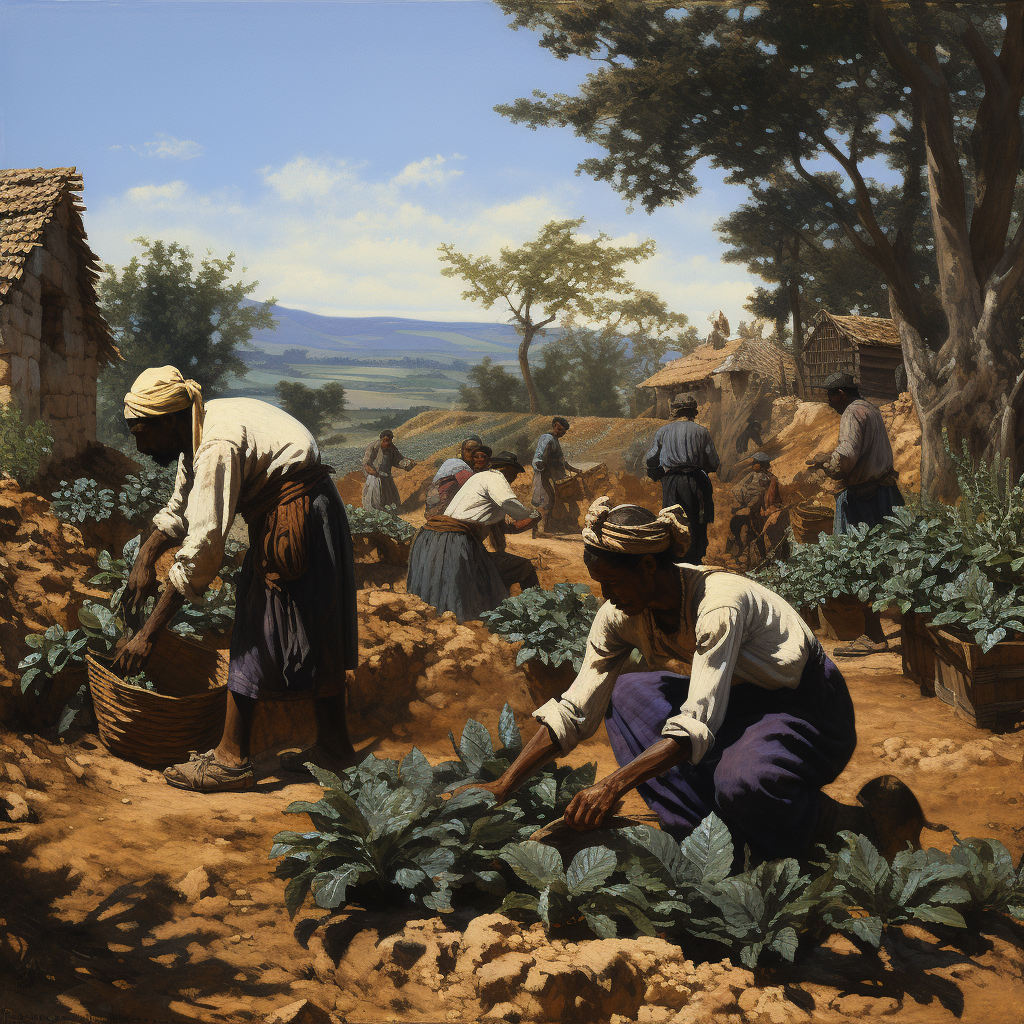
The story of Ellen and William Craft embodies a remarkable and often little-known chapter in the struggle against slavery in the United States. Their escape, far from being a simple flight, represents an act of courage, ingenuity, and cunning in the face of an oppressive and inhumane system. By outwitting the codes and constraints of their time, Ellen and William Craft not only gained their freedom but also left a lasting legacy, symbolizing African American resistance. Their journey from the slaveholding South to freedom in the North is not only a physical escape, but also a powerful act of defiance against oppression, thus marking a significant moment in the history of the struggle for civil rights and human dignity.
Divisions and challenges: slaveholding America in the 19th century
In the mid-19th century, the United States was a nation deeply marked by divisions and contradictions. Slavery, this inhumane practice, lay at the heart of these divisions, creating an ideological and economic gap between the North and the South. In the Southern states, slavery was not only a daily reality but a foundation of the economy and social structure. Plantations, fueled by the forced labor of African and African American slaves, were the pillars of the Southern economy, producing cotton, tobacco, and other agricultural goods for the global market.
It is in this America, where freedom and oppression coexisted, that the story of Ellen and William Craft takes root. Enslaved in Macon, Georgia, they lived under the yoke of a system that denied their humanity and their freedom. However, within this darkness, a hope for freedom persisted. Stories of enslaved people escaping to the free states of the North circulated, sparking a flame of rebellion and hope among the enslaved. It is in this context, where every act of resistance had a price, that the Craft couple devised their bold plan to escape the grip of slavery—a plan that required not only courage but also exceptional ingenuity.
Ellen Craft: a woman ahead of her time

Ellen Craft, an emblematic figure of resistance against slavery, possessed remarkable ingenuity and boldness. Born from the union of a mixed-race enslaved woman and a white man, Ellen had skin light enough to pass as white, a characteristic she brilliantly exploited to orchestrate her escape. In a society where skin color determined a person’s status and rights, this physical trait played a crucial role in their plan.
To carry out their escape, Ellen assumed the identity of a white man, disguising herself as a slave owner. This transformation was no small feat. She had to cut her hair—a significant change at a time when hairstyle was a strong marker of gender. Moreover, she had to conceal her feminine features and adopt the manners and appearance of a man, thus defying the norms of the time.
The boldest aspect of their plan was the need for Ellen to feign literacy. At that time, literacy was a privilege largely reserved for white people, especially white men. Ellen, posing as a literate white man, had to navigate situations where her ability to read and write could have been tested. To avoid this, she pretended to have an injured hand, thus avoiding the need to write.
William, for his part, played the role of Ellen’s personal slave. This reversal of the usual roles between master and slave was itself a bold act of subversion of the slave system.
From slavery to freedom: the Crafts’ daring journey
The journey of Ellen and William Craft toward freedom is a story worthy of the greatest epics. Leaving the deeply slaveholding South, their trip took them across several states, by train and ferry, to Philadelphia, a haven of freedom in the North. This journey was filled with risk and boldness, each step presenting both physical and psychological challenges.
Their success depended on their ability to deceive those around them. By passing as a white man and his slave, Ellen and William exploited the racist prejudices of the time to their advantage. This strategy required constant vigilance and great self-control, as the slightest mistake could have exposed them and ended their quest for freedom.
Their journey was marked by obstacles and dangers. They had to navigate public spaces such as train stations and ports, where fugitive slaves were often sought. Every interaction with other passengers or transport staff was a moment of tension, where a single misstep could have revealed their true identity.
Despite these challenges, Ellen and William reached Philadelphia on Christmas Day in 1848. Their arrival in this city symbolized far more than the end of a journey; it represented the fulfillment of their dream of freedom. That Christmas Day became for them a symbol of rebirth and hope, marking the end of their lives as slaves and the beginning of a new existence as free individuals.
Beyond freedom: the Crafts, pillars of abolitionism
The success of their escape was only the beginning of a new chapter in the lives of Ellen and William Craft. Once safe, far from being content with their newly acquired freedom, they embraced a leading role in the abolitionist movement in Boston. Their story, a symbol of determination and ingenuity, quickly became a source of inspiration and a powerful tool for raising awareness about the horrors of slavery.
In Boston, a city known for its strong support of the abolitionist cause, the Crafts used their personal experience to enlighten and influence public debate on slavery. They shared their story in lectures, meetings, and gatherings, becoming influential and respected voices in the fight for abolition. Their living testimony offered a unique and personal perspective on the realities of slavery, strengthening the moral and ethical argument against this inhumane practice.
Their most enduring contribution to the abolitionist cause was the publication of their book, Running a Thousand Miles for Freedom. This detailed account of their escape from slavery became an important historical document, offering an intimate and moving insight into their journey toward freedom. The book does more than recount their escape; it highlights the complexities and contradictions of American society at the time, while serving as a powerful testimony to the strength of the human spirit in the face of adversity.
Between threat and exile: the Crafts facing the Fugitive Slave Act
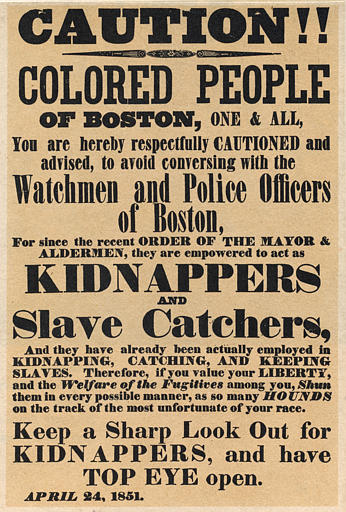
The adoption of the Fugitive Slave Act in 1850 marked a dark turning point for those who had escaped slavery in the United States. This draconian law allowed the capture and return of fugitive slaves even in states where slavery was prohibited, thus endangering the safety of many former slaves, including Ellen and William Craft. Faced with this new threat, their hard-won freedom was once again at risk.
The Fugitive Slave Act not only strengthened the power of slaveholders but also compromised the safety of free African American communities in the North. For the Crafts, as for many others, this meant that the freedom they had found in the North was no longer secure. Confronted with this frightening reality, they made the difficult decision to leave the United States and seek refuge elsewhere.
Their choice fell on England, a country where slavery had been abolished in 1833. In England, Ellen and William found not only safety but also an environment where they could continue their activism for the abolitionist cause. Far from their homeland, they continued their commitment by sharing their story and actively participating in the international movement against slavery.
In addition to their activism, the Crafts also built a family life in England. They raised their children in an environment where they could enjoy freedoms and rights that would have been denied to them in the United States. This period of their lives was marked by a continued commitment to justice and equality, while providing their family with long-sought stability and security.
Triumphant return and enduring legacy of the Crafts
The abolition of slavery in 1865, marked by the 13th Amendment to the United States Constitution, opened a new era for African Americans. This historic event also allowed Ellen and William Craft to return to their country of origin, thus ending their exile in England. Their return to the United States was not only a geographical return but also a renewal of their commitment to their community.
Aware of the challenges African Americans still faced even after the abolition of slavery, the Crafts dedicated themselves to education and to improving the living conditions of their people. They understood that freedom without education and economic resources was incomplete. In this spirit, they opened an agricultural school for Black children. This school was not only a place of academic learning but also a space where young African Americans could acquire practical and vital skills for their autonomy and future.
The agricultural school founded by the Crafts was a direct response to the needs of the Black community at the time. It offered an education adapted to economic and social realities, thus preparing a new generation to contribute meaningfully to society. The Crafts’ initiative reflected their vision of emancipation—one that encompassed not only freedom but also education and economic empowerment.
Ellen and William Craft: a legacy of inspiration and struggle for justice

The story of Ellen and William Craft is far more than a simple anecdote in the annals of African American history; it is a powerful symbol of the relentless struggle for freedom and equality. Their journey, marked by exceptional ingenuity, indomitable courage, and unwavering determination, offers a compelling example of resistance in the face of oppression. Their story, though often overlooked in traditional historical narratives, deserves to be recognized and celebrated as a crucial and inspiring chapter of history.
Their daring escape, their abolitionist activism, and their ongoing commitment to education and the improvement of African American living conditions stand as testimony to their invaluable contribution to the cause of social justice. Their lives and legacy remain a profound source of inspiration, reminding us that the fight against oppression and for equality often requires cunning, courage, and unshakable will.


