

Dive into the history of the Cuban Mastiff, an extinct dog from Cuba, renowned for its ability to track runaway slaves. A dark chapter that reveals the links between dog breeding and slavery.
The dog at the heart of slave hunting
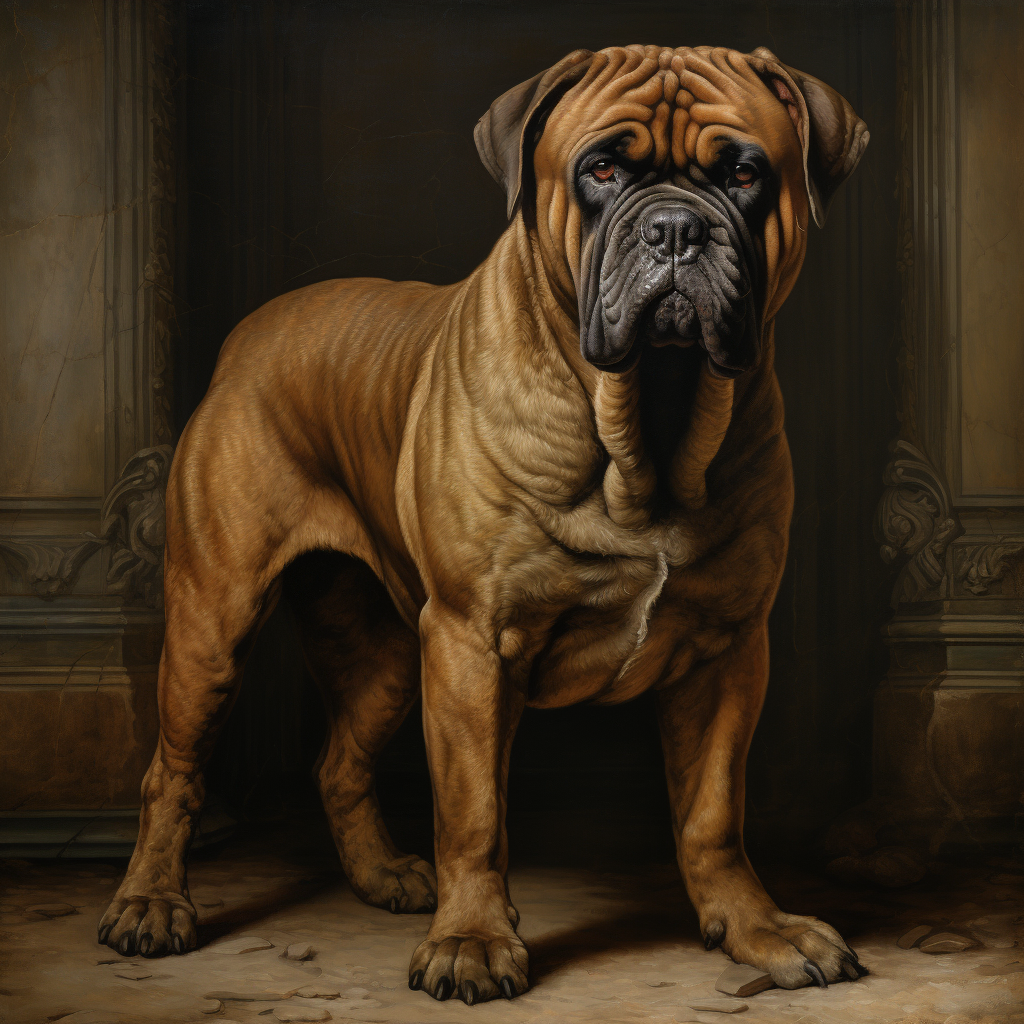
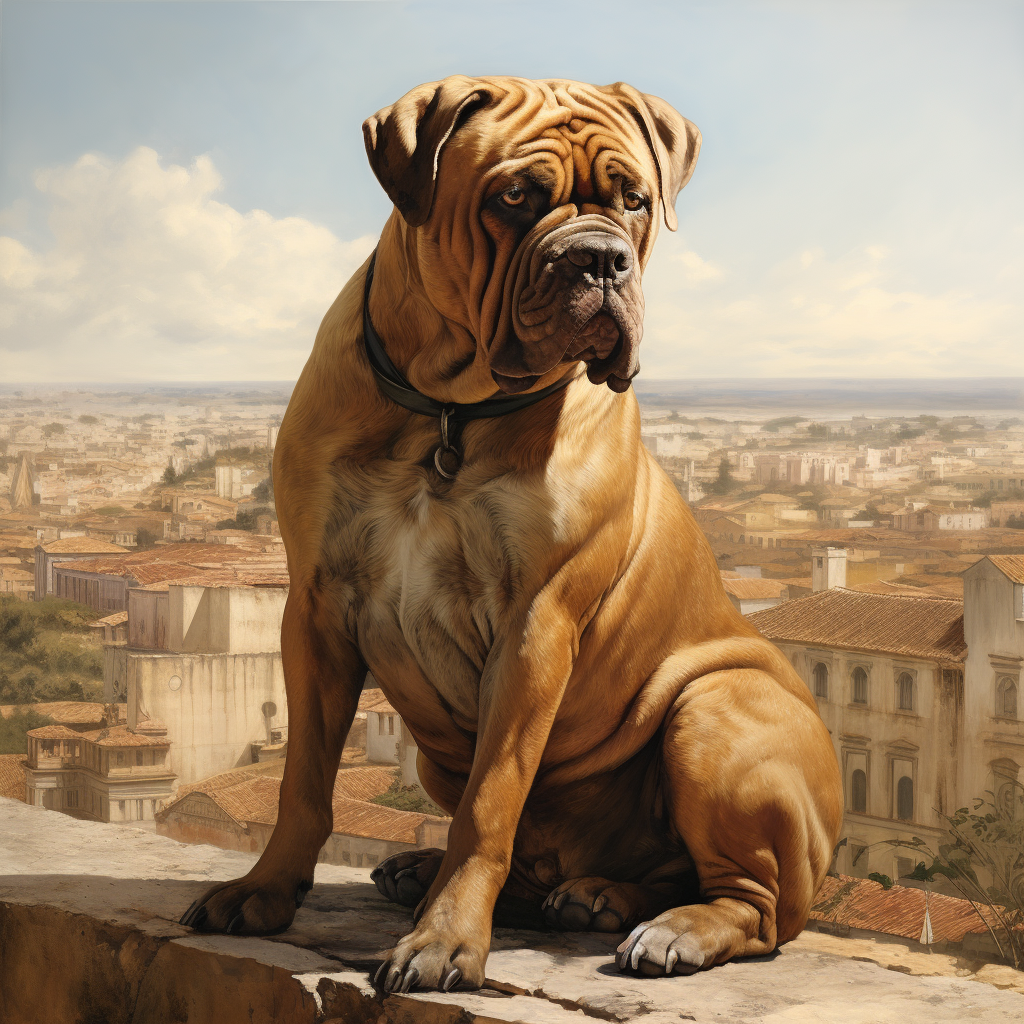
At the heart of Cuban history, the Dogue de Cuba, or Cuban Mastiff¹, embodies a painful past. This dog, now extinct, was once a living instrument of the repression of runaway slaves. Its imposing stature and intimidating appearance made it a feared hunter, a tool serving a slave-based economy.
A crossbreed for domination
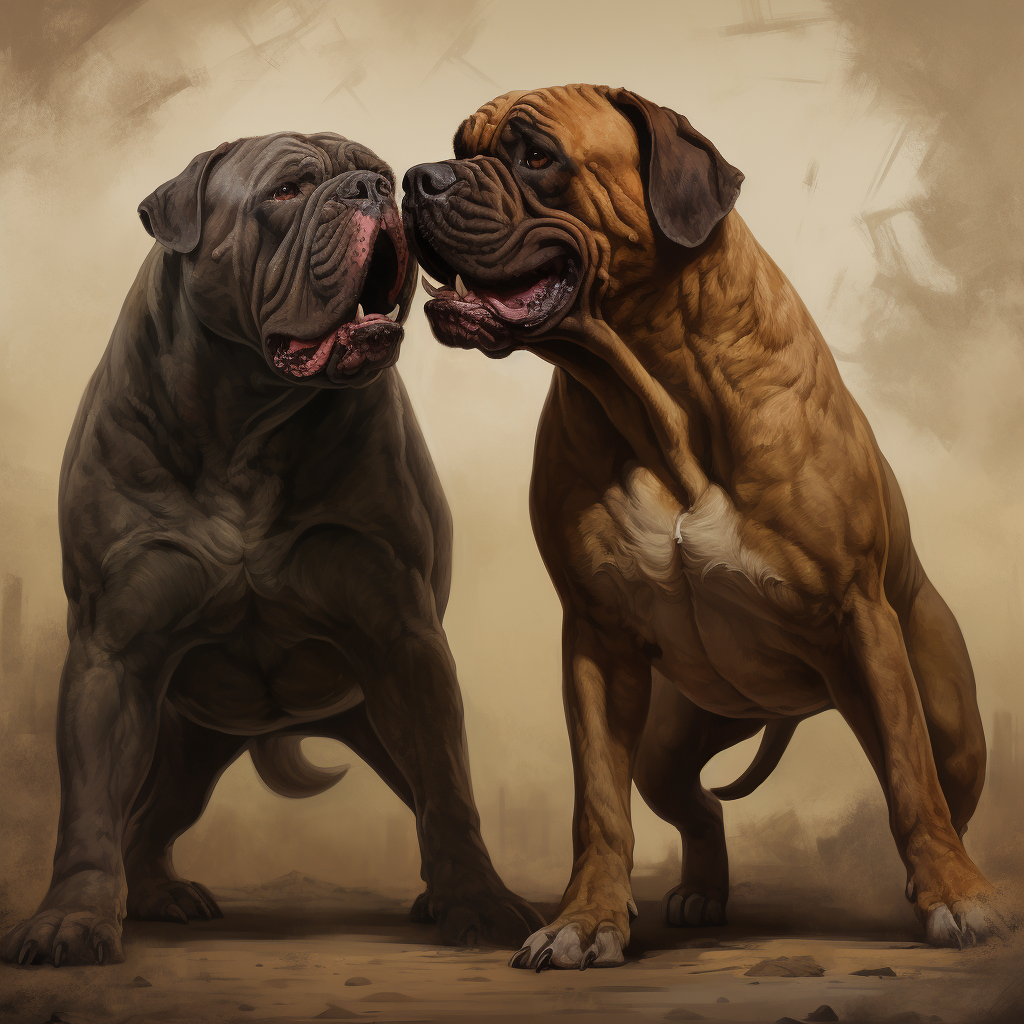
The Cuban Mastiff was the result of a cross between bulldogs and mastiffs², breeds selected for their strength and aggressiveness. With a wide jaw and drooping lips, it had a fierce appearance. Its color, described as a “rusty wolf,” along with its black face and paws, clearly set it apart. These dogs were trained for hunting slaves, known as cimarrones³, who attempted to escape from plantations. Their effectiveness was such that they became a symbol of terror among slaves and a valuable tool for plantation owners.
A breed shaped by history
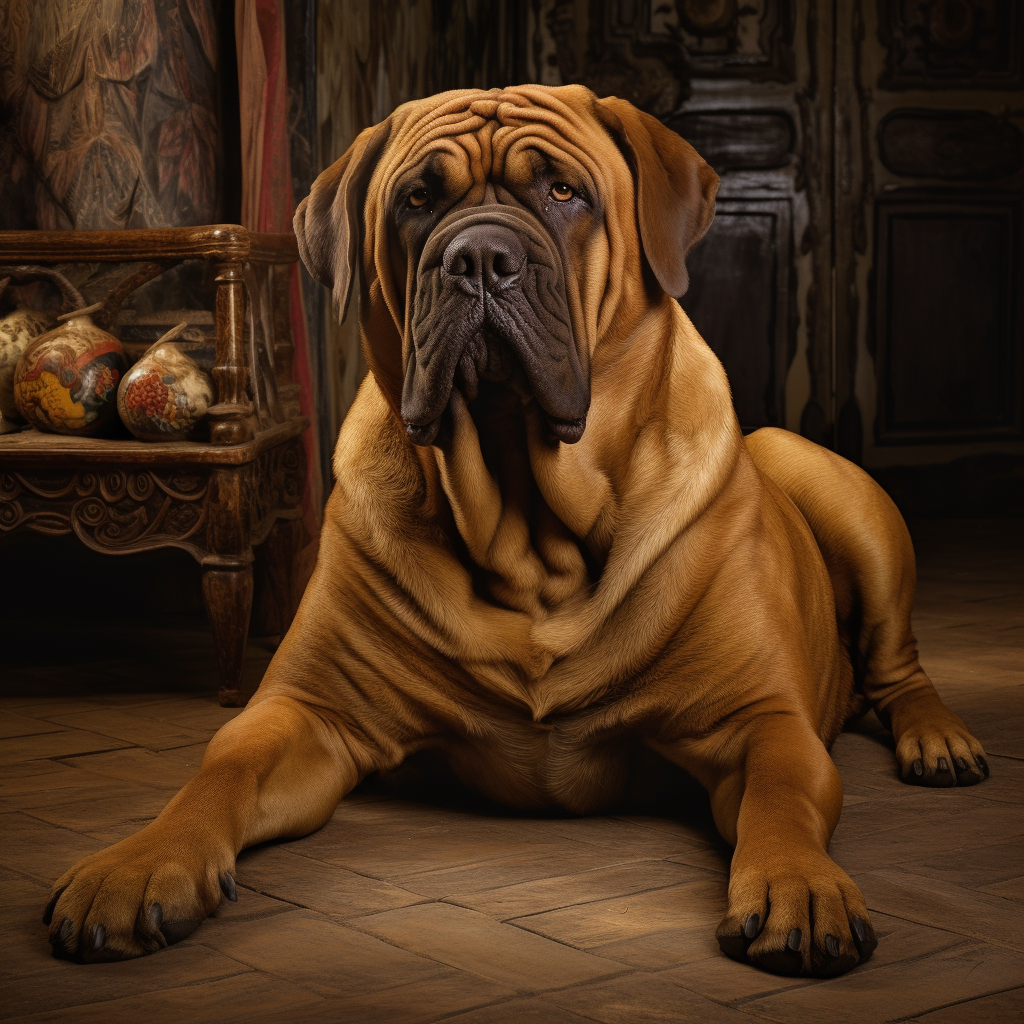
The history of the Cuban Mastiff is inseparable from that of slavery in Cuba. After the abolition of slavery, the demand for these dogs declined, leading to their gradual disappearance. They played a role in suppressing slave uprisings, notably during the Haitian Revolution⁴ and the Second Maroon War⁵. Their presence in Cuba stands as a testament to the colonial period and the exploitation of human beings. Their disappearance marks the end of an era, but also the persistence of their image as a symbol of oppression.
The controversial legacy of the Cuban Mastiff
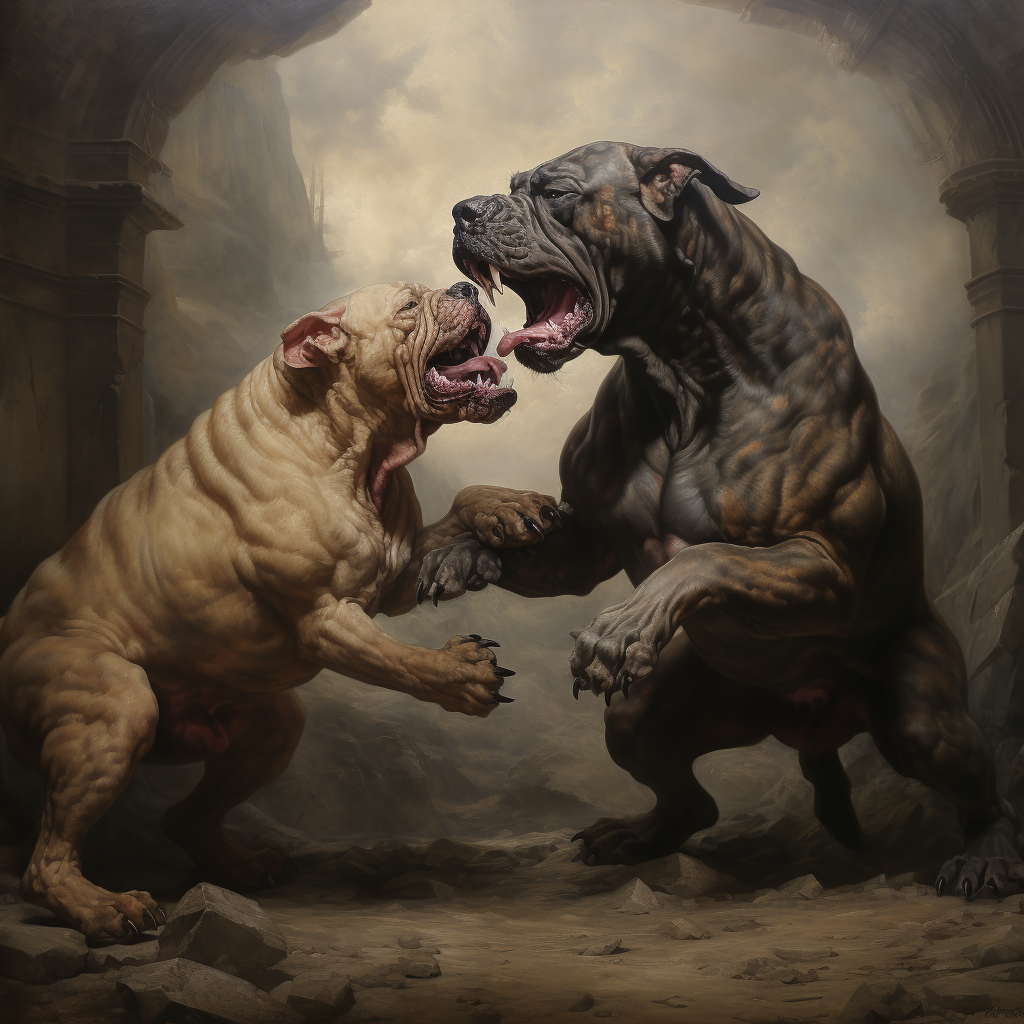
Although the Cuban Mastiff has disappeared, its image survives in artworks and historical writings. These representations are often emotionally charged, recalling a time when dogs were used as instruments of terror. The study of this breed provides insight into the cruel practices of the time and raises questions about the relationship between humans and animals, as well as the use of animals in systems of domination.
Conclusion
The Cuban Mastiff remains a subject of study for historians and dog enthusiasts, a specter of Cuban history that continues to haunt our collective consciousness. While the breed itself has vanished, the lessons drawn from its existence still resonate today, reminding us of the dark chapters of our past and the importance of recognizing and understanding these periods so as not to repeat the mistakes of the past.
Notes and references
Cuban Mastiff (Dogue de Cuba): An extinct dog breed originating from Cuba, known for its imposing size and its use in tracking runaway slaves. ↩︎
Bulldogs and Mastiffs: Dog breeds known for their strength and robustness. The bulldog was often used for activities such as dog fighting and bull-baiting, while the mastiff was recognized for its size and power. ↩︎
Cimarrones: A term used to designate African slaves who escaped from plantations in the Americas, particularly in the Caribbean. These fugitive slaves often formed free communities called “palenques” or “maroons” in English. ↩︎
Haitian Revolution (1791–1804): A major slave uprising that led to the independence of Haiti, the first autonomous Black republic and the first nation to abolish slavery. ↩︎
Second Maroon War: A conflict that took place in Jamaica between 1795 and 1796, involving runaway slaves known as Maroons, who fought for their freedom against British colonial forces. ↩︎


