

The Freedom Rides of May 4, 1961 marked a crucial milestone in the struggle for civil rights in the United States. These bus journeys, organized by a group of Black and white activists, aimed to protest racial segregation in public transportation across the Southern states. Their courage and determination helped raise public awareness about racial discrimination and strengthened the civil rights movement.
Segregation
The context of the time was marked by racial segregation, which still prevailed in many Southern states of the United States. Despite the 1954 Supreme Court ruling, Brown v. Board of Education, which declared segregation in public schools unconstitutional, and laws banning segregation in public transportation, these discriminatory practices persisted.
The Freedom Rides were organized by the Congress of Racial Equality (CORE), a non-governmental organization founded in 1942 with the goal of fighting racial segregation and promoting equal rights. On May 4, 1961, a group of 13 civil rights activists—seven Black and six white—set out on a bus journey across the American South. They departed from Washington, D.C., heading to New Orleans, traveling through several Southern states.
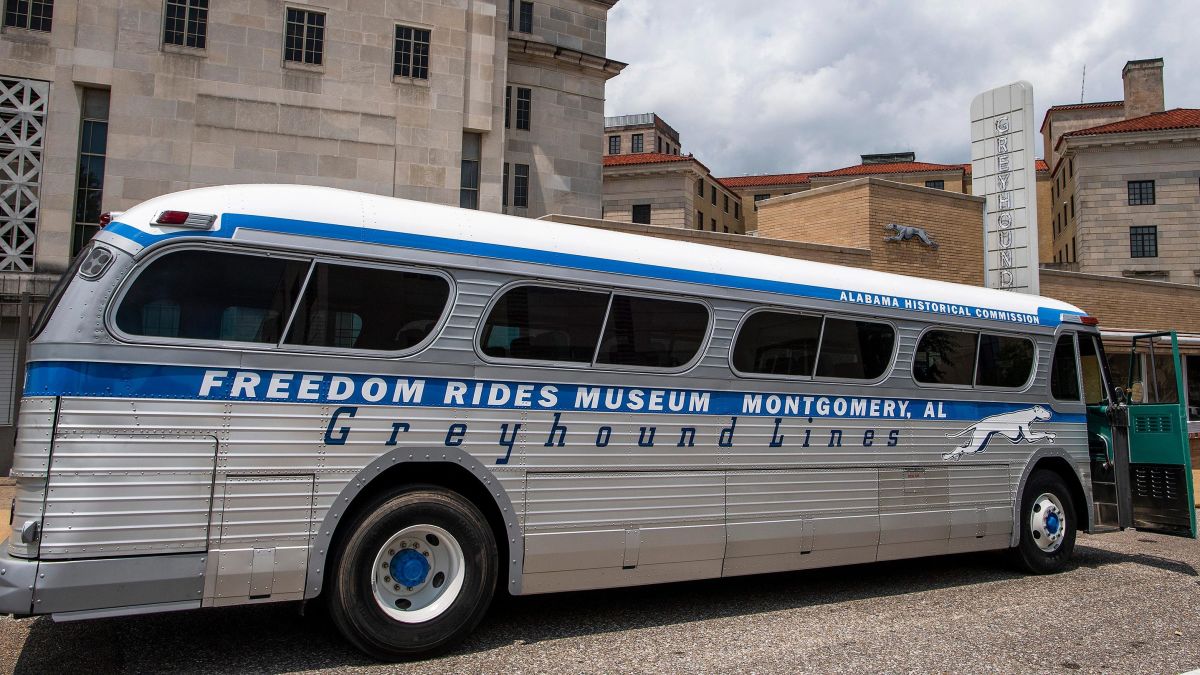
Their objective was simple: to challenge segregation laws in public transportation and facilities. By using nonviolent strategies, the Freedom Riders exposed the injustice and racial discrimination that persisted in the country. Their courage and determination inspired admiration and support from many people, both in the United States and abroad.
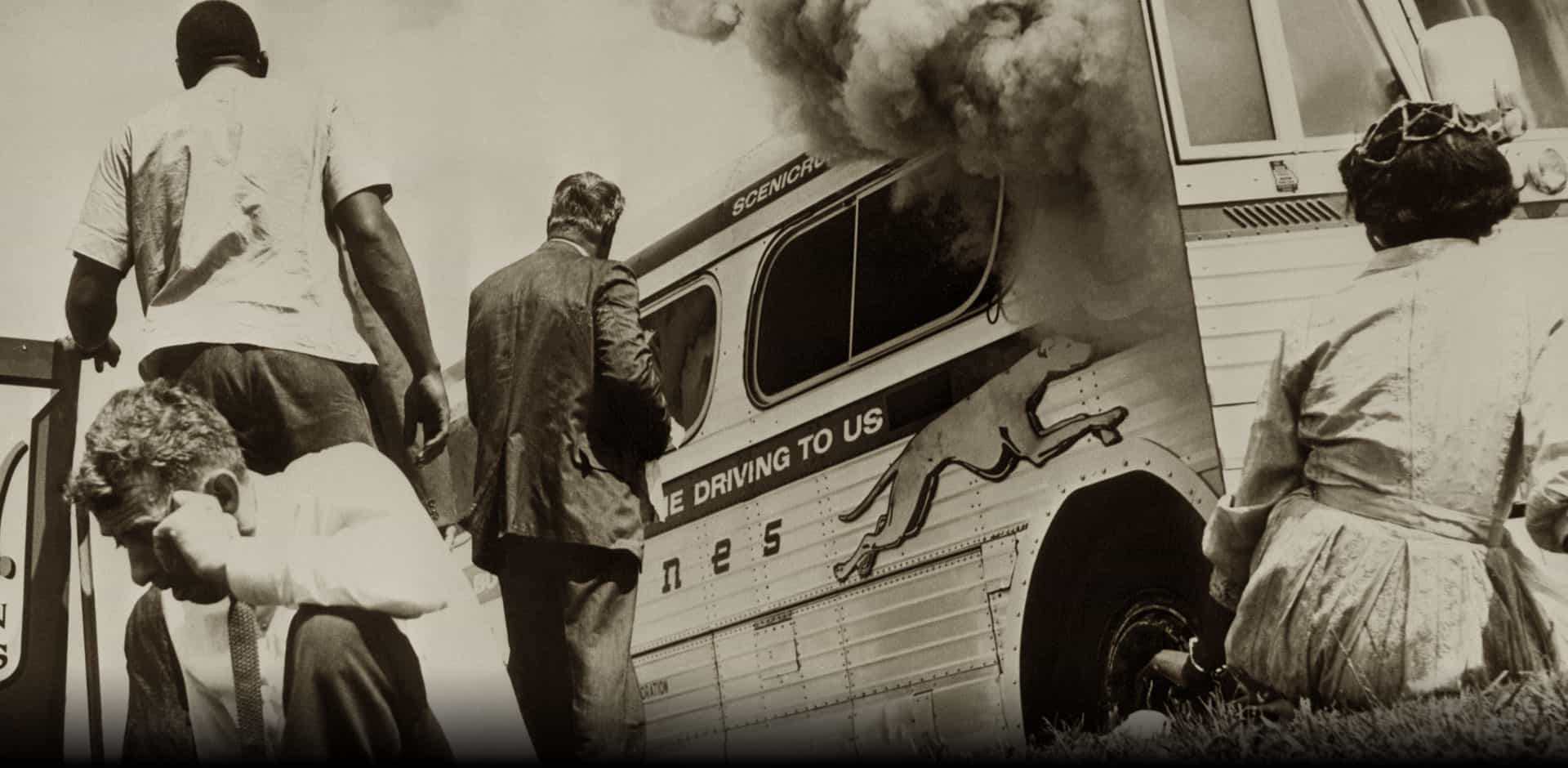
However, the Freedom Rides were met with strong opposition and violent reactions from segregationists. In Anniston, Alabama, the Freedom Riders’ bus was set on fire, and the passengers were brutally attacked by an angry mob. Despite this violence, the Freedom Riders did not abandon their cause and continued their journey.
Media Attention
Their determination ultimately paid off. The Freedom Rides drew worldwide media attention, highlighting the racial discrimination and segregation that plagued the Southern United States. As a result, the U.S. government was compelled to take action to end these discriminatory practices.
In September 1961, the Interstate Commerce Commission (ICC) issued new regulations banning segregation in public transportation and related facilities. The Freedom Rides thus played a crucial role in the fight for equal rights and the end of racial segregation in the United States. They also inspired many other civil rights activists to engage in nonviolent actions against injustice and discrimination.
The Freedom Rides
The Freedom Rides had a lasting impact on the civil rights movement and helped shape the history of the United States. Their legacy continues to inspire future generations to fight for equality and social justice. The Freedom Riders demonstrated that courage and solidarity can dismantle the barriers of hatred and discrimination. Although this also led to the emergence of the Reverse Freedom Rides.
By commemorating the Freedom Rides, we pay tribute to these courageous and determined activists who risked their lives for a more just and equitable world. Their story reminds us of the importance of remaining engaged and vigilant in the face of the injustices that persist in our society.
Summary
Segregation
Media Attention
Freedom Rides


