

The article offers a fresh and enriching perspective on the legacy of African knights, highlighting their lasting influence on European history and culture.
Black Knights in European History: A Journey Through Time and Legend
In the annals of European history, tales of knights evoke images of bravery, nobility, and epic battles. However, one chapter often omitted from this rich history is that of African knights, whose influence and presence in medieval Europe are undeniable yet largely overlooked. These heroic figures, from various African and Caribbean origins, played a crucial role in shaping European history and culture.
Medieval Europe, a period roughly spanning from the 5th to the 15th century, was a melting pot of cultures and exchanges. Despite the common perception of a homogeneous Europe, this era was marked by significant cultural and ethnic diversity. Among this diversity, Africans—whether arriving as merchants, diplomats, explorers, or warriors—left an indelible mark. Their roles as knights, military leaders, and influential figures demonstrate active integration and participation in the political and military affairs of medieval Europe.
Saint Maurice: a symbol of bravery and faith
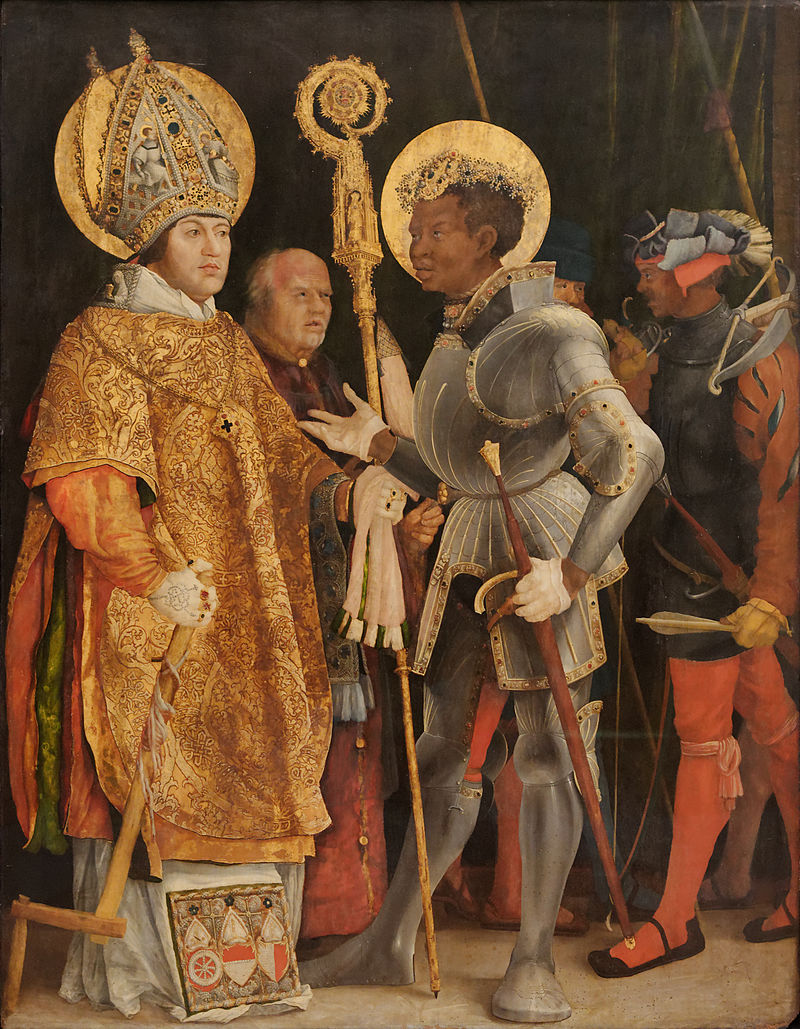
Saint Maurice, an emblematic and revered figure, embodies a fascinating chapter in the history of African knights in Europe. Born in Egypt, he became a prominent officer in the Roman Empire, leading the Theban Legion¹, a group of Christian soldiers renowned for their bravery and devotion.
His life, marked by courage and unwavering faith, took a decisive turn when he refused, along with his legion, to persecute Christians in accordance with the orders of Emperor Maximian. This refusal, grounded in moral and religious principles, led to his martyrdom and that of his companions—an act that profoundly impacted Christian history.
Saint Maurice is often depicted in medieval European art as an African knight, symbolizing not only military bravery but also the strength of faith. His legacy endures through his status as the patron saint of knights, reflecting his lasting impact on chivalry and Christian values. His life and martyrdom illustrate the significant presence and influence of Africans in medieval Europe, challenging traditional perceptions of European history and highlighting the cultural and ethnic diversity of the time.
Sources:
Dijkstra, Roelof. “Saint Maurice: African Saint in Early Europe.” Journal of Black Studies, vol. 43, no. 2, 2012, pp. 127–150.
Hahn, Cynthia. “The Voices of the Saints: Speaking Reliquaries.” Gesta, vol. 36, no. 1, 1997, pp. 20–31.
Jean de Saint-Omer: wealth and influence in medieval Greecemédiévale
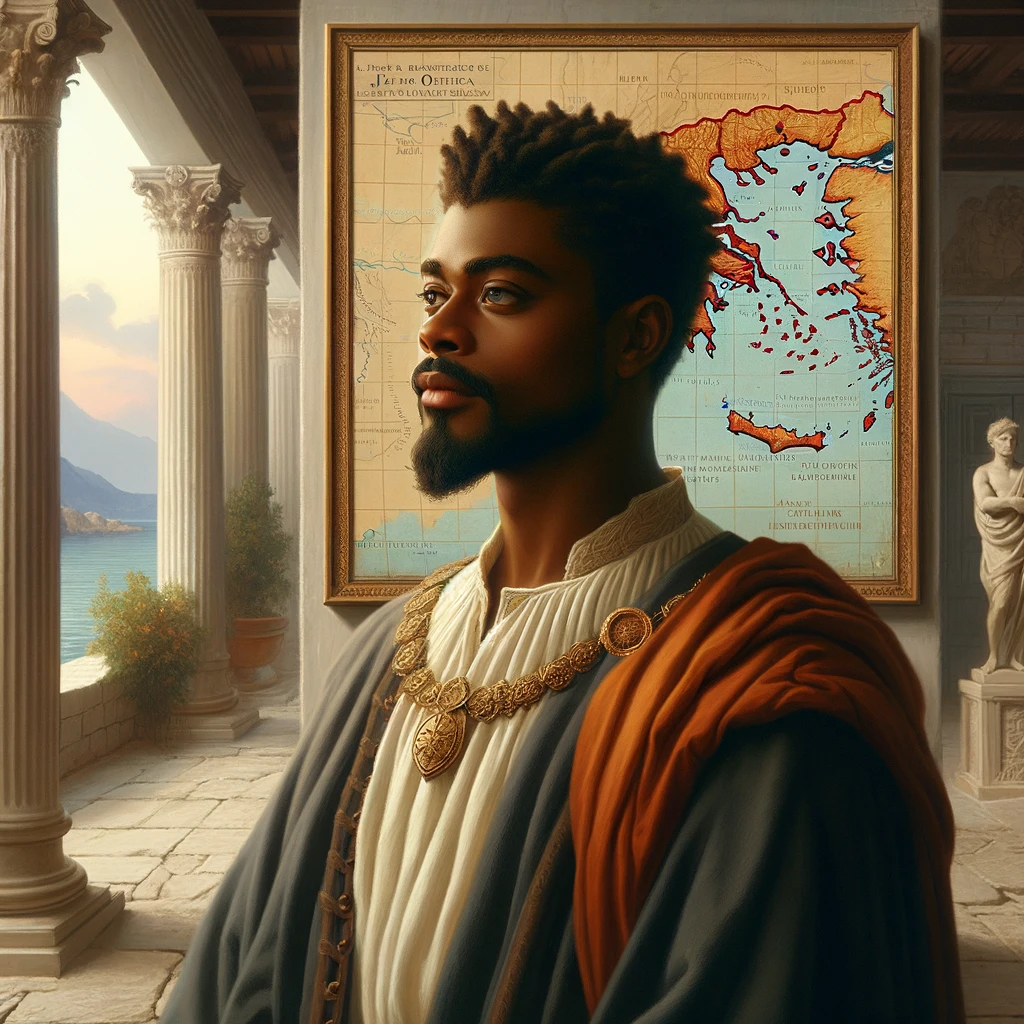
Jean de Saint-Omer, a remarkable figure in medieval history, embodies the wealth and influence of Africans in 14th-century Europe. The son of a French nobleman and a woman of Ethiopian origin, Jean transcended cultural and ethnic boundaries to establish himself as an influential figure in Greece.
His life in Greece began with a strategic marriage to the daughter of a local lord—an act that not only strengthened his social position but also marked the beginning of his rise. He became one of the founders of the Principality of Mytilene on the island of Lesbos², a testament to his political skill and insight.
Jean de Saint-Omer’s wealth and high status in Greece are striking examples of how individuals of African descent could rise within medieval European society. His success challenges preconceived notions about the limitations imposed on people of color in European history and highlights the diversity and complexity of medieval societies.
His legacy lies in his role as a pioneer—a nobleman of African descent who successfully navigated and thrived within the social and political context of medieval Greece. His story enriches our understanding of European history, demonstrating that the contributions of Africans and their descendants were not only present but also significant within the fabric of medieval Europe.
Sources:
Savvides, Alexios G. C. “Jean de Saint-Omer: A Noble of Mixed French and Ethiopian Descent in Fourteenth-Century Lesvos.” Byzantine and Modern Greek Studies, vol. 31, no. 1, 2007, pp. 76–89.
The hospitallers: diversity and valor at the heart of the crusades
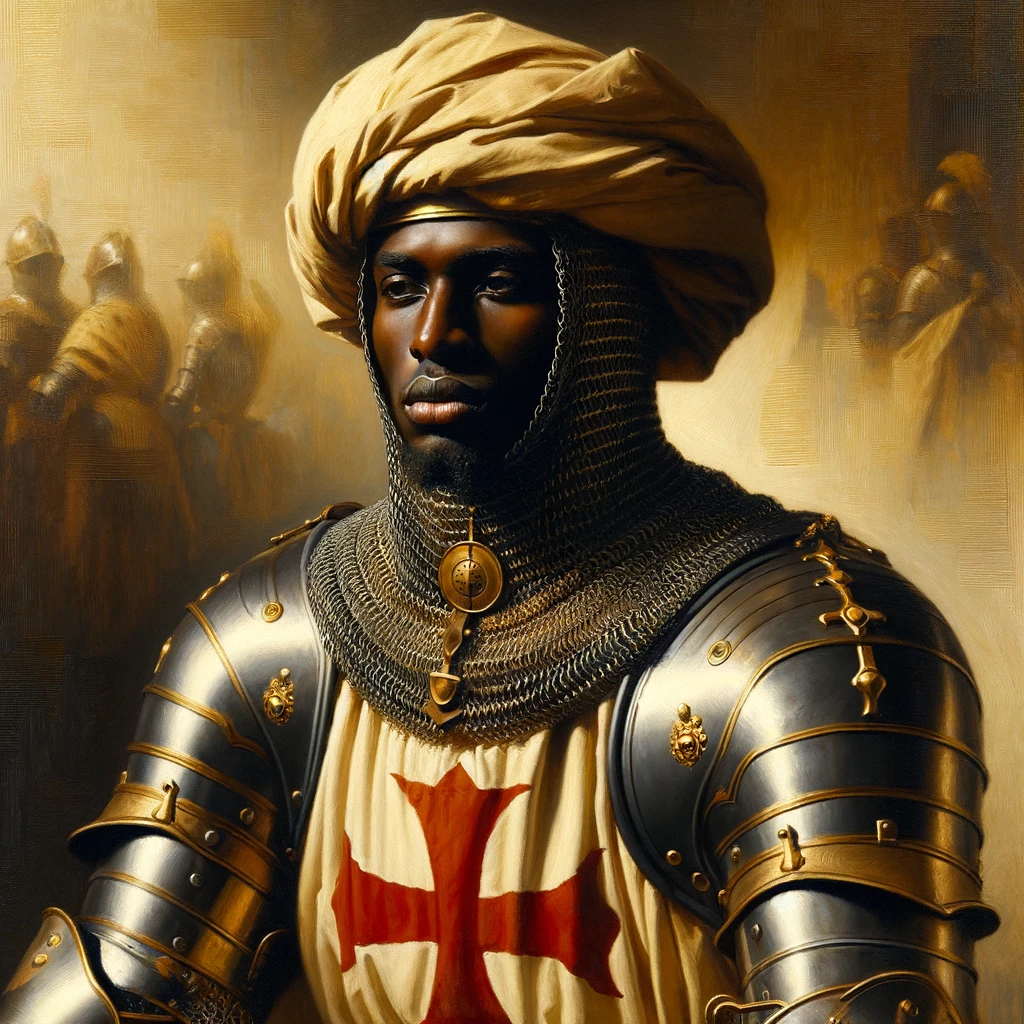
The Order of Saint John of Jerusalem, better known as the Hospitallers, is a compelling example of the diversity and valor of knights of African origin in the history of the Crusades³. Founded in the 12th century, this military and hospitaller order played a crucial role in the Crusades, protecting Christian pilgrims and fighting in the Holy Land.
Within this order, African and Caribbean knights demonstrated their bravery and military skill. Their active participation in battles and commitment to protecting pilgrims testify to their integration and importance within the Hospitaller Order. These knights were not mere participants; they were key actors in the events that shaped the history of the Crusades.
Their presence within the Order illustrates the cultural and ethnic diversity that characterized medieval chivalric orders—an aspect often overlooked in traditional historical narratives. These knights of African origin were not anomalies; they were respected and valued members of their community, contributing significantly to the history and successes of the Order.
The history of these knights within the Order of Saint John of Jerusalem is a powerful reminder that medieval European history is far more nuanced and diverse than often assumed. Their role in the Crusades and their contribution to the Hospitallers stand as testimony to their courage, skill, and dedication—qualities that transcend ethnic and cultural boundaries.
Sources:
Nicholson, Helen. The Knights Hospitaller. Boydell Press, 2004.
The Moors in Spain: nnights and military leaders
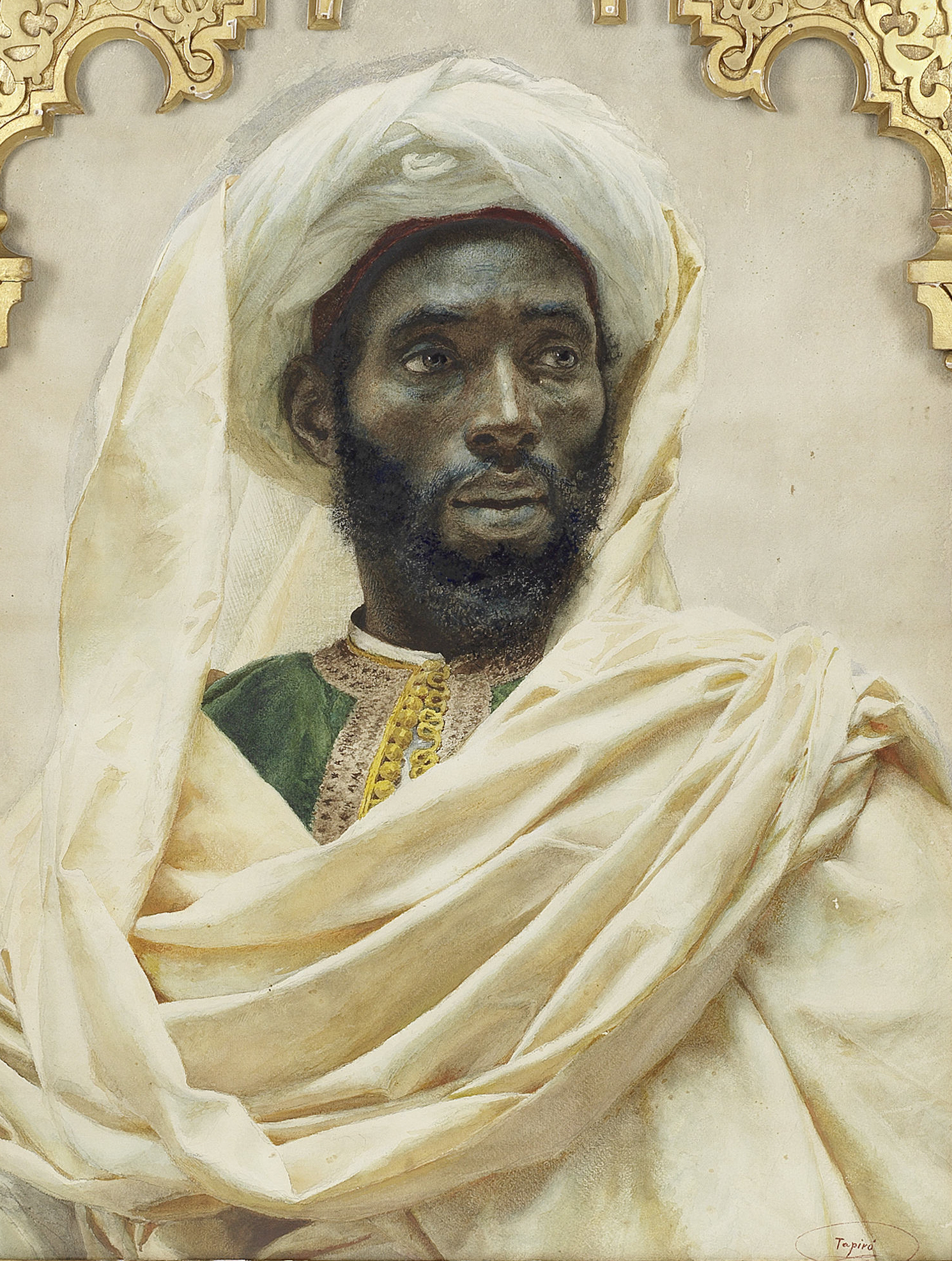
The period of the Reconquista in Spain⁴, spanning from the 8th to the 15th century, was marked by the significant presence and influence of Moorish knights⁵. Originating from North Africa, these knights played a crucial role in the defense and administration of Muslim territories on the Iberian Peninsula.
Known for their bravery and military expertise, Moorish knights were key actors in the numerous conflicts that defined the Reconquista. Iconic figures such as Yusuf ibn Tashfin⁶ and Abd al-Rahman ibn Abd Allah al-Ghafiqi⁷ demonstrated leadership and military strategies that left a lasting imprint on the region’s history.
Their influence extended beyond the battlefield. Moorish knights also contributed to the cultural and scientific enrichment of Spain. Under their rule, cities such as Córdoba, Granada, and Seville became centers of knowledge and culture, attracting scholars, artists, and architects from across Europe and the Islamic world.
The presence of Moorish knights in Spain during the Reconquista is a striking example of the complexity of relations between Christian and Muslim peoples at the time. Their history highlights a coexistence that was sometimes conflictual, sometimes harmonious, between different cultures and religions.
Sources:
O’Callaghan, Joseph F. A History of Medieval Spain. Cornell University Press, 1975.
Beyond the middle ages: the continuing legacy of african knights
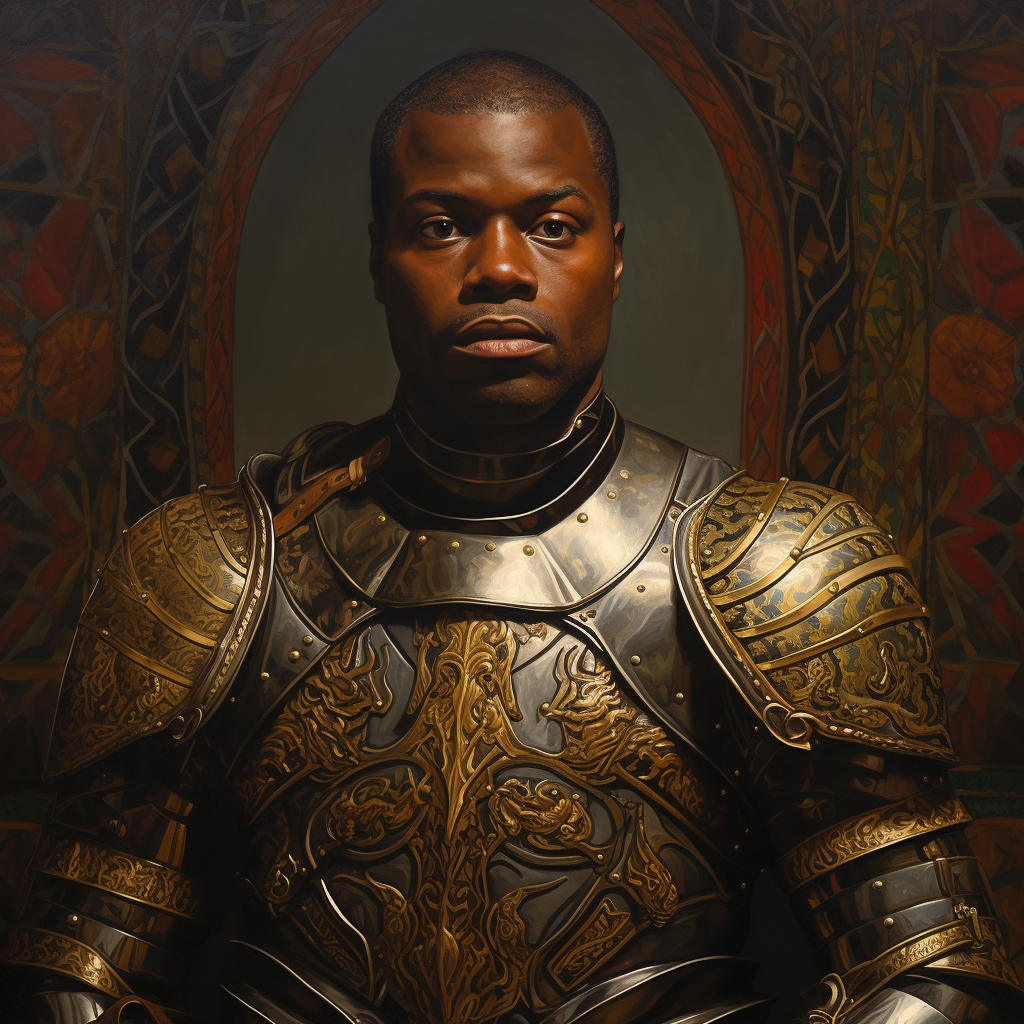
The history of African knights in Europe, though often relegated to the margins of traditional historical narratives, has left a deep and lasting legacy that continues to influence European culture and history. These heroic figures, through their exploits and presence, helped shape a more diverse and nuanced European past than is often imagined.
Their legacy is visible in several domains. First, in art and literature, where representations of African knights—such as Saint Maurice—have often been used to symbolize bravery, faith, and nobility. These images have helped challenge racial perceptions and promote a more inclusive vision of European history.
Culturally, the history of African knights has enriched the narrative of European diversity, showing that medieval Europe was a crossroads of cultures and identities. This broadens our understanding of European history, demonstrating that interactions between Africa and Europe were not limited to colonial relationships but also included significant cultural, military, and diplomatic exchanges.
In terms of social impact, recognizing the existence and contributions of African knights helps combat racial stereotypes and prejudice. It offers a more balanced and realistic perspective on history, emphasizing the importance of inclusion and diversity in understanding the past.
Finally, the legacy of African knights serves as a source of inspiration for Afro-descendant communities around the world. Their history is a powerful reminder that people of African origin have played a significant role in world history, including in contexts and periods where their presence is often ignored or minimized.
Sources:
Bartlett, Robert. The Making of Europe: Conquest, Colonization and Cultural Change, 950–1350. Princeton University Press, 1994.
Green, Toby. A Fistful of Shells: West Africa from the Rise of the Slave Trade to the Age of Revolution. University of Chicago Press, 2019.
African Knights: The Forgotten Guardians of European History
By revisiting the narratives of African knights, this article has shed light on a frequently overlooked facet of European history. From Saint Maurice, the legendary Egyptian knight, to Jean de Saint-Omer, the nobleman of Ethiopian descent in Greece, as well as the African and Caribbean knights of the Order of Saint John of Jerusalem and the Moorish knights in Spain, these historical figures embody the diversity and cultural richness of medieval Europe.
Their legacy, transcending centuries, reminds us of the crucial importance of recognizing and celebrating diversity in our understanding of history. These stories are not merely fragments of the past; they are open windows onto a more inclusive and nuanced world, where every story finds its place and resonance within the broader narrative of humanity.écho dans le grand récit de l’humanité.
Notes and References
- Theban Legion: A military unit of the Roman army, composed mainly of Christians from Egypt, famous for its collective martyrdom under Emperor Diocletian.
- Principality of Mytilene: A historical region on the island of Lesbos in Greece, where Jean de Saint-Omer established his influence.
- Crusades: A series of military campaigns led by European Christian powers between the 11th and 13th centuries, primarily to regain control of the Holy Land from Muslims.
- Reconquista: A historical period from the 8th to the 15th century marked by the Christian reconquest of territories on the Iberian Peninsula under Muslim (Moorish) rule.
- Moorish Knights: Warriors of North African origin (Moors) who played an important role in military conflicts in Spain during the Reconquista.
- Yusuf ibn Tashfin: Military leader and ruler of the Almoravid Empire, a Muslim Berber empire in North Africa and Spain in the 11th century.
- Abd al-Rahman ibn Abd Allah al-Ghafiqi: Moorish general known for his role in the Battle of Poitiers (732), where he led Muslim forces against the Franks.


