

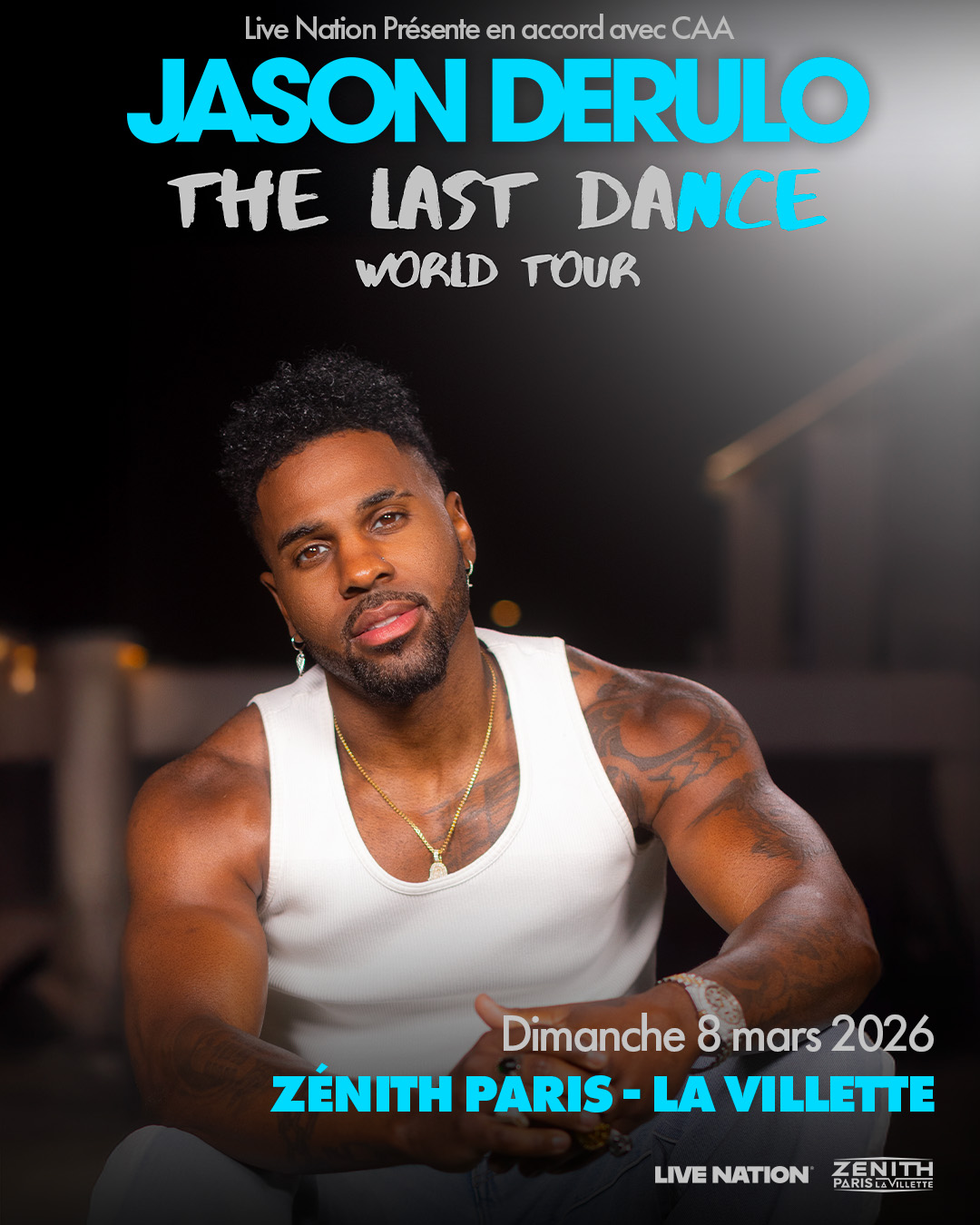
On the occasion of his concert at Zénith Paris – La Villette on March 8, 2026, as part of The Last Dance World Tour, we look back at Jason Derulo’s trajectory. Born Jason Joel Desrouleaux in Florida in 1989 to Haitian parents, the artist established himself as one of the major faces of global pop in the 2010s and 2020s. Between the singles industry, digital virality, and diasporic heritage, his career sheds light on the cultural and economic transformations of contemporary global music.
Jason Derulo: from Haitian heritage to “The Last Dance World Tour”
Jason Joel Desrouleaux was born on September 21, 1989, in Miramar, Florida, into a Haitian family. Haitian Creole was his first language. Trained in the performing arts from an early age, he attended specialized schools and wrote his first songs as a child. Before becoming a performer, he worked as a songwriter for other artists, notably collaborating with Diddy, Sean Kingston, and Lil Wayne.
His signing with Beluga Heights, the label founded by producer J. R. Rotem, marked the shift toward a solo career. In 2009, Whatcha Say (built around a sample from Imogen Heap’s Hide and Seek) reached number one on the Billboard Hot 100. The track surpassed five million digital downloads and received multiple platinum certifications in the United States. This explosive debut immediately placed Derulo within the industrial logic of the hit single.
His debut album, Jason Derulo (2010), reinforced this momentum with In My Head and Ridin’ Solo. From the outset, the artist embraced a singles-driven economy: a succession of tracks designed for radio, clubs, and playlists rather than an album-concept approach. This model perfectly matched the transformation of the music market in the digital era.
Jason Derulo belongs to a generation that inherited from Michael Jackson, Usher, and Justin Timberlake while integrating the electronic and urban codes of the 2010s. His repertoire combines dance-pop, melodic R&B, and EDM influences. Billboard critic Jason Lipshutz notably described his career as structured around two poles: accessible pop romance and more percussive club tracks.
Tracks such as Talk Dirty (2013), Trumpets, and Wiggle reflect a desire to internationalize his sound, incorporating Middle Eastern-inspired sonic elements and transnational collaborations. This strategy accompanied the accelerated globalization of music markets. Success in the United Kingdom, Europe, and Australia became almost as strategic as American chart performance.
In 2015, Want to Want Me confirmed this position: the track became one of his biggest international successes. Over the years, Derulo established himself less as a simple singer than as a machine for instantly recognizable hooks, designed for repetition and rapid memorization.
Jason Derulo’s Haitian ancestry constitutes a structuring element of his public identity. In an American industry historically marked by the underrepresentation of artists from the French-speaking Caribbean, his trajectory contributes to the increased visibility of Haitian diasporas.
While Derulo does not build a centralized political discourse around his identity, it remains present in his interviews and biographical narrative. It fits into a broader dynamic of diasporic affirmation within American pop, where cultural circulations between the Caribbean, Africa, and North America have become constitutive of the musical landscape.
This dimension takes on particular significance in the French-speaking world. In Paris, a city historically connected to Caribbean and African diasporas, his arrival reactivates these transatlantic cultural circulations.
Jason Derulo’s career experienced a decisive turning point in the TikTok era. In 2020, Savage Love (Laxed – Siren Beat), a collaboration with Jawsh 685, became a global viral phenomenon. The track reached number one on the Billboard Hot 100 after a remix with BTS. This success confirmed a profound transformation: musical hierarchies were no longer determined solely by radio and labels, but by digital social dynamics.
Derulo became one of the most followed artists on TikTok. He embodies the figure of the pop star capable of self-producing media visibility, creating short-form humorous or choreographed content, and maintaining constant exposure. The boundary between artist and content creator has blurred.
This hybridization has altered the balance of power with record labels. In 2021, Derulo left Warner to join Atlantic Records after creative disagreements. In doing so, the artist demonstrated that digital fame could serve as leverage in negotiations against traditional industry structures.
Digital celebrity also comes with increased exposure. In 2023, a sexual harassment lawsuit filed by singer Emaza Gibson attracted media attention. In 2024, the case was dismissed on jurisdictional grounds, with the possibility of reopening in New York.
These episodes serve as a reminder that the contemporary pop star operates within an intensified legal and media environment. The digital era produces permanent visibility, where artistic success and controversies coexist within the same information flow.
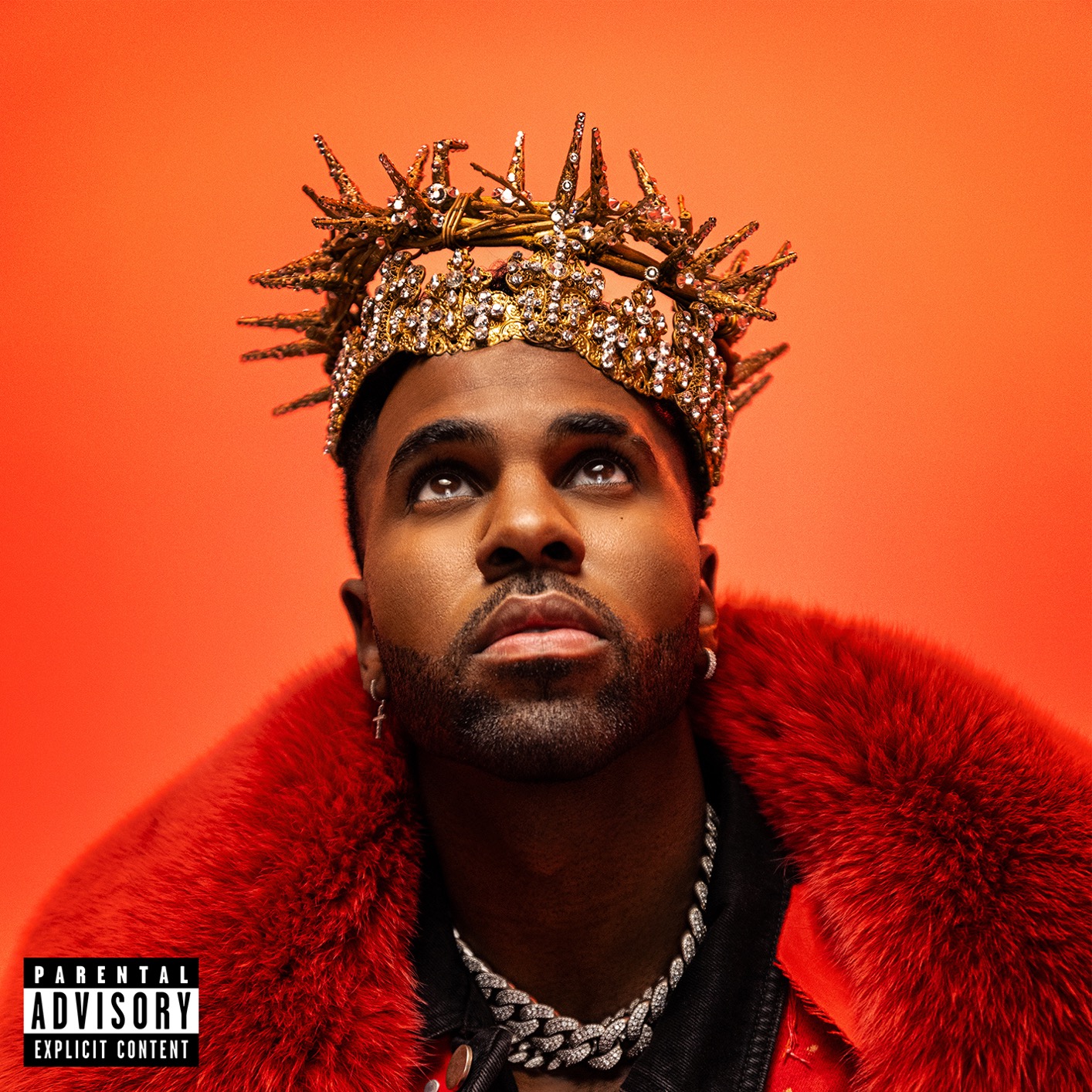
Announced for 2026, The Last Dance World Tour marks a new stage. Following the album Nu King (2024), Derulo seeks to reaffirm his status as a complete artist: singer, dancer, performer. The international tour serves as a moment of synthesis, revisiting fifteen years of hits.
The March 8, 2026 concert at Zénith Paris – La Villette fits into this logic. Paris, a European cultural capital, represents a major diasporic crossroads. For an artist from Haitian immigrant heritage, performing in this city is not merely a matter of commercial programming; it forms part of a cultural dialogue between Atlantic spaces.
The stage thus becomes a site of embodiment: that of a globalized, fluid, digital pop, but also one rooted in migratory trajectories.
Jason Derulo, symptom of globalized pop
Jason Derulo is not merely a hitmaker. His career illustrates the structural transformation of the music industry since 2009: the primacy of the single, the rise of streaming, the virality of social media, and the globalization of collaborations.
He embodies a generation of artists for whom diasporic identity, stage performance, and digital strategy are not contradictory, but complementary.
As he prepares to step onto the stage of Zénith Paris – La Villette, the question extends beyond the simple musical event. It raises broader questions about the way artists from diasporas are redefining global pop and occupying the symbolic space of major cultural capitals.
On March 8, 2026, it will not simply be a concert. It will be another step in the history of cultural globalization, of which Jason Derulo is one of the most emblematic faces.
Notes and references

