

Founded in 1969 in Kinshasa, Zaïko Langa Langa became one of the most influential groups in the history of African music. By revolutionizing Congolese rumba and training several generations of artists, the orchestra led by Jossart N’Yoka Longo profoundly shaped the musical culture of the continent and its diaspora.
Zaïko Langa Langa: 57 years of reign and the orchestra that changed the history of African music


On April 24, 2026, the stage of the Zénith de Paris will not simply host a concert. It will become the meeting point of several generations, several continents, and several musical memories. That night, Zaïko Langa Langa will celebrate nearly six decades of existence, confirming what lovers of African music have known for a long time: some groups go beyond the simple status of an orchestra to become cultural institutions.
Since its creation in Kinshasa in 1969, Zaïko has continuously transformed Congolese music. It redefined rumba, influenced African urban music, and shaped generations of artists. Even today, its name evokes an era, an aesthetic, and a musical revolution whose effects can be felt far beyond the borders of Congo.
Because Zaïko Langa Langa is not merely a legendary band. It is a school, a matrix, and a living memory of modern African music.
At the end of the 1960s, Central Africa was going through a period of profound transformation. The independences proclaimed at the beginning of the decade had opened a new political and cultural horizon for African societies.
In Congo, which became Zaire under the presidency of Mobutu Sese Seko, the question of national identity occupied a central place. The regime promoted a policy known as authenticity, aimed at encouraging local cultures and asserting an African identity distinct from the colonial legacy.
It was in this context that a handful of young musicians from Kinshasa decided to form a group. Their ambition was not simply to play music. They wanted to invent a sound that reflected their era.

In 1969, Jossart N’Yoka Longo and his companions founded Zaïko Langa Langa, a name that literally means “Zaïre ya ba Koko,” or “the river of our ancestors.” The group was born in a vibrant Kinshasa, where musical influences from Africa, Europe, and the United States crossed paths in bars, clubs, and radio stations.
From the very beginning, Zaïko stood out through a radically new approach. While traditional Congolese rumba orchestras favored sophisticated orchestral arrangements, the group adopted a more direct, rhythmic, and energetic style.
This aesthetic choice marked the beginning of a musical revolution. Since the 1940s, Congolese rumba had occupied a central place in African music. Inspired by Cuban rhythms and local traditions, it had become one of Congo’s cultural symbols.
But by the end of the 1960s, a new generation aspired to something different. Young musicians wanted to break away from certain musical conventions inherited from previous decades.
Zaïko Langa Langa embodied this rupture. The group preserved the roots of rumba (its melodic guitars, dance rhythms, and musical storytelling) while introducing new influences. Funk, rock, and Western pop entered the arrangements. The result was music that was more nervous, more urban, and closer to the energy of Congolese youth.
It was also in this environment that one of the major innovations associated with the group emerged: the sebene.
This instrumental section, often extended and improvised, became the signature of modern Congolese orchestras. It transformed the structure of songs by creating moments of rhythmic intensity designed to make audiences dance.
With Zaïko, Congolese music ceased to be merely music for listening. It became a collective experience, a rhythmic celebration in which the audience actively participated.
The history of Zaïko Langa Langa cannot be told without mentioning the artists who emerged from its ranks. Over the decades, the group became a true breeding ground for talent. Many musicians who started there later pursued remarkable careers, helping spread Congolese music throughout the world.
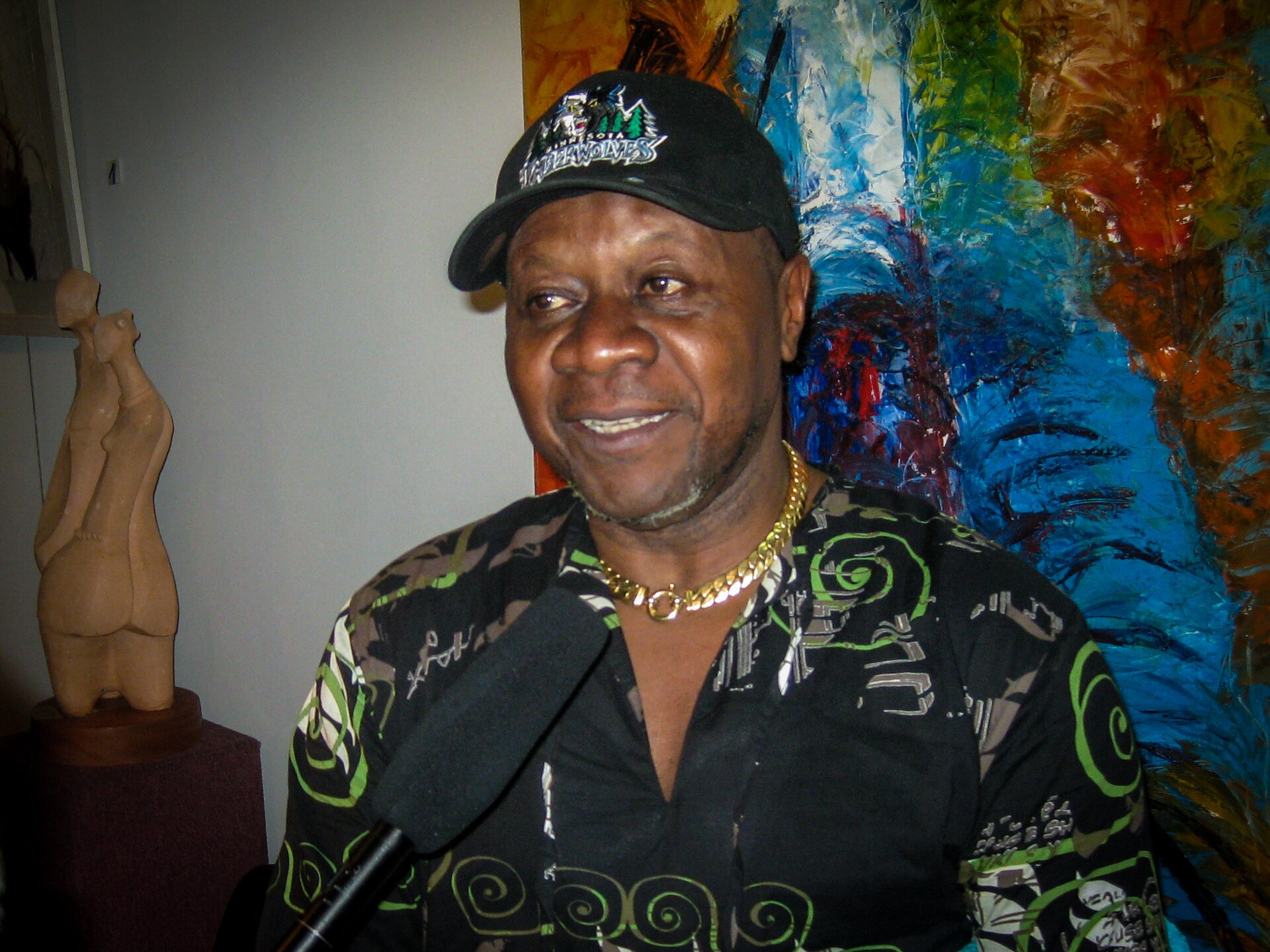
Among them was Papa Wemba, one of the most influential figures in contemporary African music. Before founding his own group, Viva La Musica, Papa Wemba took part in the early adventures of Zaïko.
His trajectory perfectly illustrates the importance of the group as an artistic incubator. Other major artists from the Congolese scene, such as Bozi Boziana and Evoloko, were also associated with this collective adventure.


Through these individual journeys, Zaïko appears as much more than an orchestra. It became a music school, a training ground where the future pillars of the African scene were forged.
The influence of Zaïko Langa Langa was never limited to Congo. From the 1970s and 1980s onward, the group’s music accompanied the first major waves of Congolese migration to Europe. In Brussels, Paris, and Geneva, African communities recreated cultural spaces where music played a central role.
In the district of Matongé in Brussels or in Château Rouge in Paris, Zaïko records circulated from hand to hand. Concerts attracted increasingly larger audiences, composed both of members of the diaspora and lovers of African music.


Around this musical circulation, an informal economy developed: record sales, concert organization, and the distribution of clothing and objects linked to Congolese culture. Music thus became a vector of identity for African diasporas.
Zaïko’s influence was not limited to music. During the 1970s and 1980s, the Congolese scene saw the emergence of a singular cultural phenomenon: La SAPE (Société des Ambianceurs et des Personnes Élégantes).
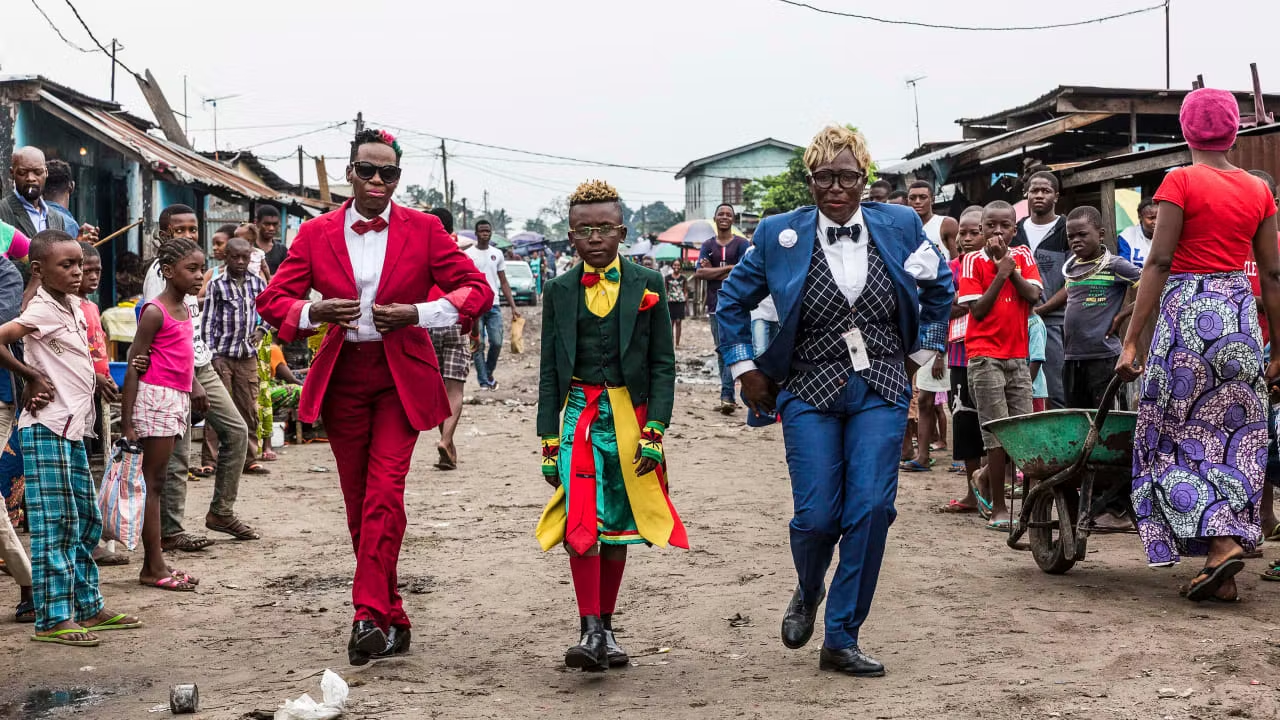
This movement celebrated sartorial elegance and transformed fashion into a form of artistic expression. The sapeurs adopted colorful suits, sophisticated accessories, and a theatrical attitude inspired both by European haute couture and African traditions.
Zaïko’s music accompanied this aesthetic. Concerts became spaces where fashion, dance, and music converged. In an often difficult political context, these cultural practices allowed Congolese youth to assert their identity and claim their place in the world.
More than fifty years after its creation, the influence of Zaïko Langa Langa remains visible in many African musical genres. Contemporary artists of modern rumba, ndombolo, and afropop acknowledge the importance of the group in the evolution of their styles.
This influence even extends beyond the continent’s borders. Many Afro-diasporic musicians in Europe and the Americas cite Congolese music as one of the major sources of their inspiration.
According to the group’s press kit, the modern music industry is sometimes surprised by the massive presence of Congolese artists in African urban music. Yet this cultural dominance finds its roots in the innovations introduced by Zaïko as early as the end of the 1960s.
A living cultural institution
In many ways, Zaïko Langa Langa now belongs to African musical heritage.
But unlike certain historical formations, the group is not merely a memory. It remains active, carried forward by its historic leader Jossart N’Yoka Longo and by a new generation of musicians.
The 2026 concert at the Zénith de Paris symbolizes this continuity. More than a nostalgic celebration, it marks the persistence of a musical tradition that continues to influence the contemporary scene. After more than half a century of existence, Zaïko Langa Langa remains what it has always been: a musical laboratory, an artistic school, and one of the great creative forces of modern African music.
Notes and references
- Stewart, Gary. Rumba on the River: A History of the Popular Music of the Two Congos. London: Verso, 2000.
- White, Bob W. Rumba Rules: The Politics of Dance Music in Mobutu’s Zaire. Durham: Duke University Press, 2008.
- Ewens, Graeme. Congo Colossus: The Life and Legacy of Franco & OK Jazz. London: SAF Publishing, 2015.
- Press kit for the concert Zaïko Langa Langa – Zénith Paris La Villette, April 24, 2026.
- Articles from the magazine Jeune Afrique dedicated to the history of Congolese rumba and the influence of Kinshasa orchestras.
- Billboard archives on the international spread of Congolese music.
- Official discography of Zaïko Langa Langa (1969–2026).
- Documentation on SAPE and Congolese urban cultures: Gondola, Ch. Didier. Tropical Cowboys: Westerns, Violence, and Masculinity in Kinshasa. Indiana University Press, 2016.

