

Since emerging on the New York scene in the late 1990s, Dead Prez has established itself as one of the most uncompising duos in American hip-hop. Deeply political, their work belongs to the legacy of the Black revolutionary movements of the 1960s and 1970s. Twenty-five years after the release of Let’s Get Free, their return to the stage (particularly in Paris) stands as a rare event. Nofi offers an exhaustive dive into their history, their ideology, and their lasting influence on global hip-hop culture.
How a New York duo shaped the history of conscious hip-hop
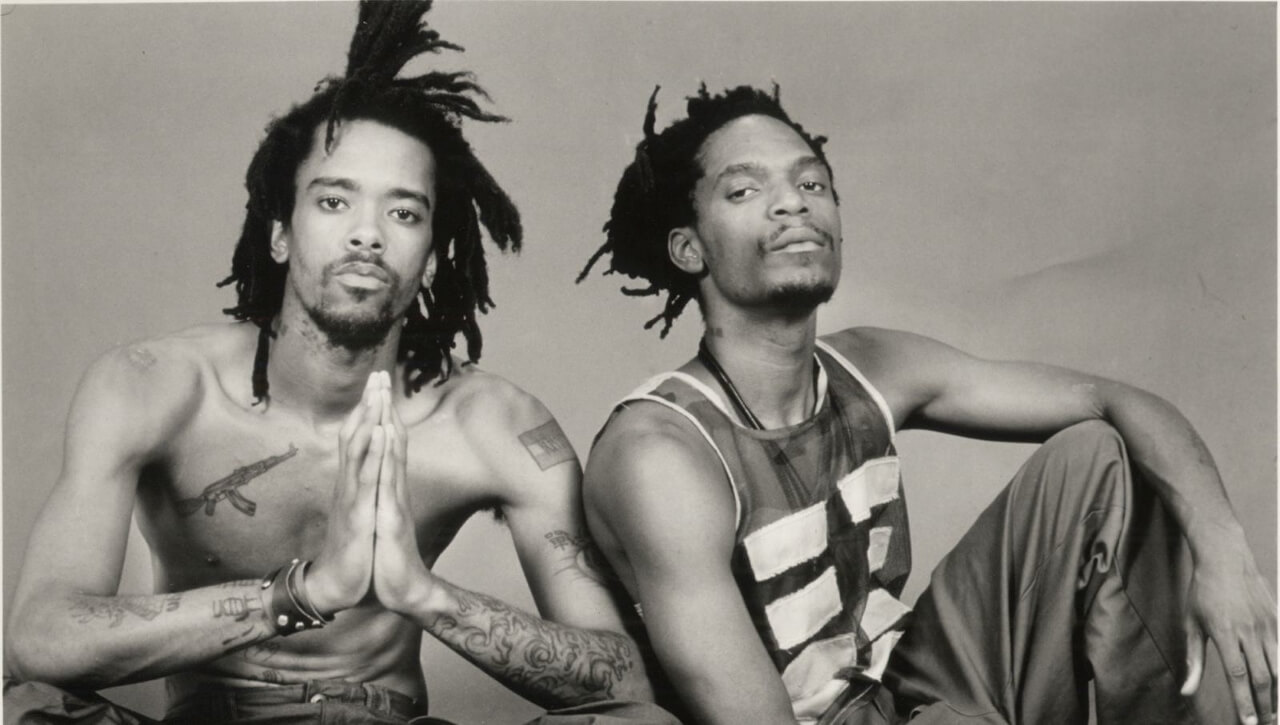
The story of Dead Prez begins far from the major centers of American hip-hop. Not in the Bronx, nor Compton, nor Atlanta. Its roots lie in Florida, in Tallahassee, on the campus of Florida A&M University (FAMU). It is there, in 1993, that M-1 and stic.man meet, united by a double passion: music and an already well-developed political consciousness.
Their friendship is born within a university environment historically tied to the formation of African-American elites. Historically Black Colleges and Universities (HBCUs) have often served as breeding grounds for intellectual and protest movements. FAMU is no exception: it is a place where activist debates, student organizations, and diverse political legacies intersect.
This context proves decisive. M-1 and stic.man do not simply create a musical duo: they form an ideological partnership. Their readings, discussions, and respective experiences shape the backbone of their future artistic project.
During this period, M-1 spends three years involved with the International People’s Democratic Uhuru Movement, a movement centered on Afro-descendant struggles.
Stic.man, who remains in Florida, continues developing his political thought, particularly around questions of health, autonomy, and personal discipline.
The foundational period is therefore ideological before it is musical. Dead Prez is not an artistic project born out of a studio: it is the cultural expression of a political formation. By the time the two friends move to New York in the late 1990s, this activist foundation is already firmly established — a rare case in the history of American rap.
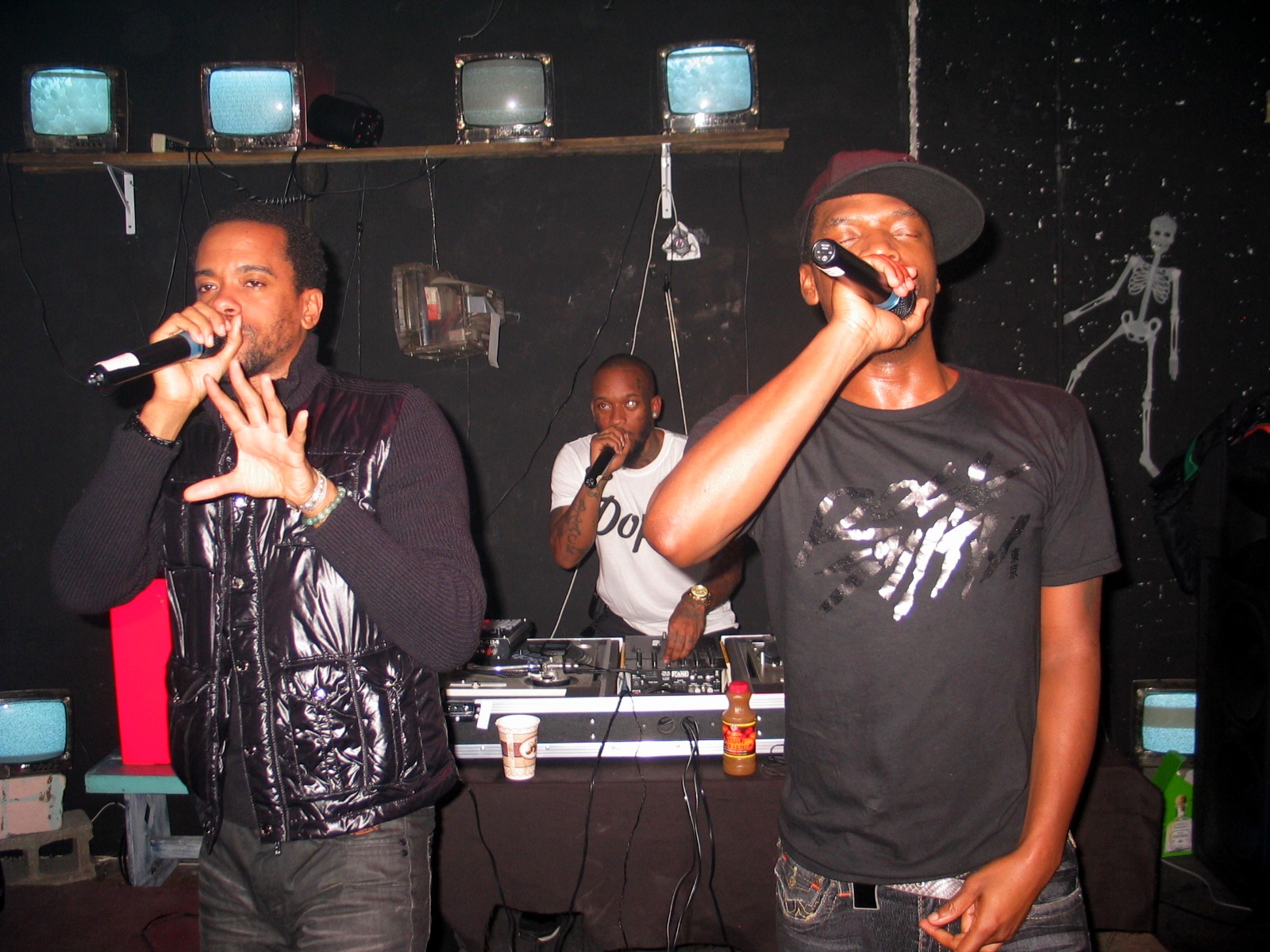
In 1996, the duo arrives in a New York marked by deep contradictions: the explosion of commercial rap, post-Giuliani-era social tensions, and the rise of a sophisticated but increasingly depoliticized hip-hop culture. It is within this landscape that Dead Prez stands apart.
Spotted by Lord Jamar of the group Brand Nubian, they sign with Loud Records, a label already home to artists such as Mobb Deep, Big Pun, and Wu-Tang Clan. Yet Loud is hardly a militant stronghold. The signing is therefore paradoxical: an anti-corporate duo enters a record company that embodies (like all the others) the logic of the music industry.
This paradox would become one of Dead Prez’s defining characteristics: criticizing the industry from within in order to reach the widest possible audience. Their strategy is simple: use the visibility offered by Loud; refuse any ideological dilution; impose a radical activist aesthetic. They succeed from their very first project.
2000: Let’s Get Free, the manifesto album
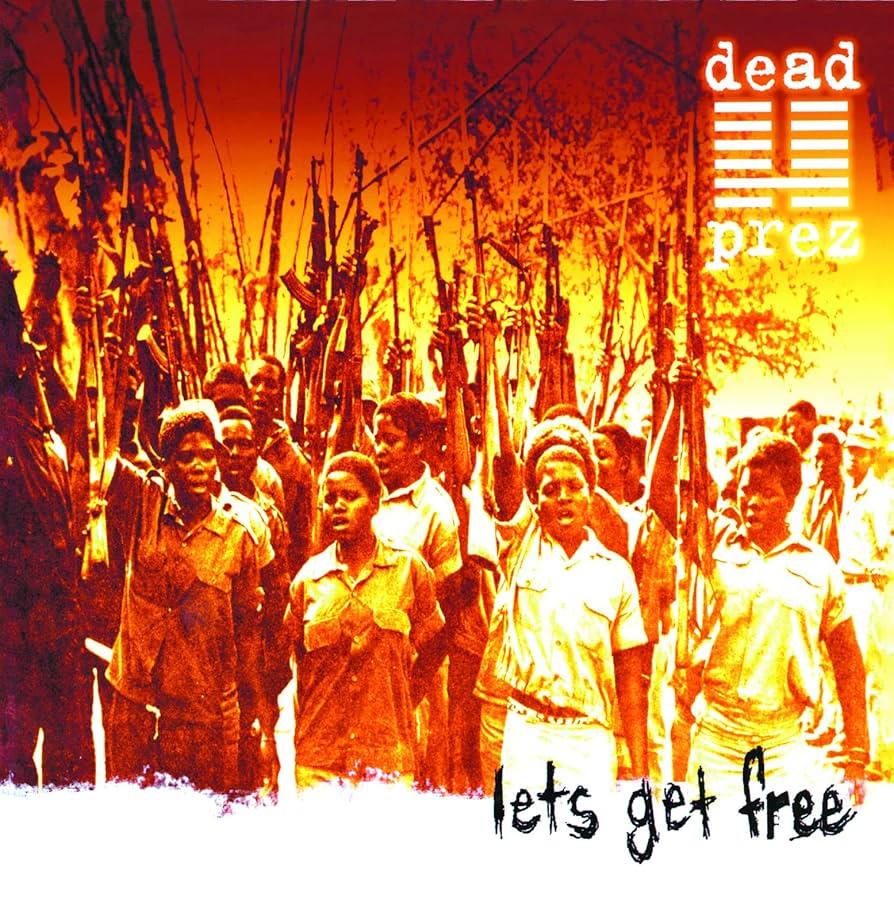
Released in 2000, Let’s Get Free is a rupture in the history of hip-hop. Where others approached politics in fragments, Dead Prez made it the raw material of the entire album. The work rests on four pillars: the duo addresses education, self-defense, social justice, institutional racism, health, food, and financial autonomy. Nothing is softened.
The album includes interventions from activist Omali Yeshitela, giving the project the atmosphere of a political seminar. In “Hip-Hop,” Dead Prez denounces the grip of major labels and the transformation of rap into a consumer product.
Yet the track becomes hugely successful: it eventually serves as Dave Chappelle’s entrance music on his Comedy Central show. The paradox says it all: Dead Prez criticizes the industry in a song… that the industry itself would massively broadcast.
The track “Animal in Man” is a reinterpretation of George Orwell’s Animal Farm — a literary exercise rarely seen in mainstream rap. Critics hail the album as a classic of conscious hip-hop. It does not reach the sales figures of Eminem or DMX, but it becomes a benchmark for lovers of militant rap.
The strength of Let’s Get Free lies in its coherence: it contains no “commercial” track. It stands as one of the rare albums in which musical form is entirely placed at the service of a political program.
2000–2006: an influence beyond music
After Let’s Get Free, Dead Prez multiplies appearances and collaborations.


– 1997: “The Game of Life (Score)” for Soul in the Hole
– 1998: “D.O.P.E.” for Slam
– 2003: “Hell Yeah” featured in 2 Fast 2 Furious
These appearances allow the duo to reach diverse audiences without compromising their ideological line.
Two militant groups united for a common call: “Get Up.”
This collaboration further cements Dead Prez within the constellation of protest rap.
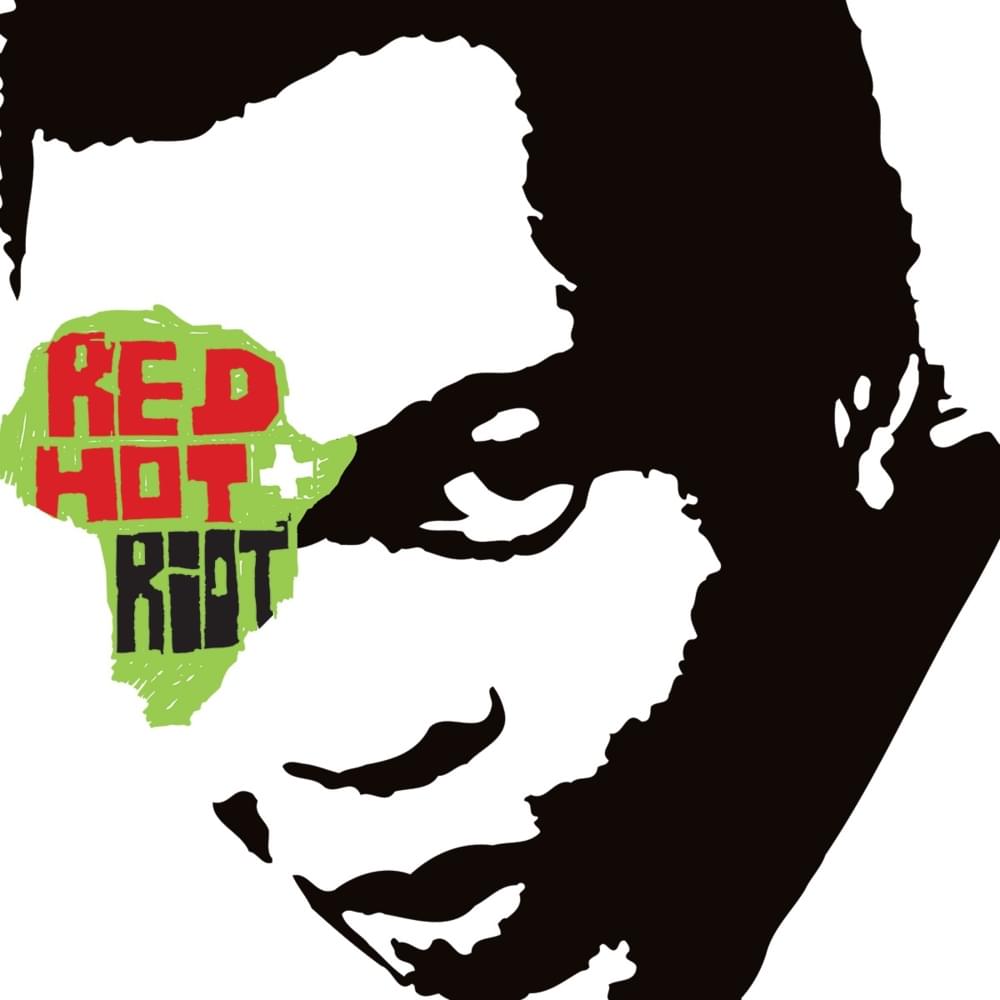
Dead Prez revisits “Shuffering and Shmiling” alongside Talib Kweli, Bilal, and Jorge Ben.
A key moment in their integration into the global Black cultural diaspora.
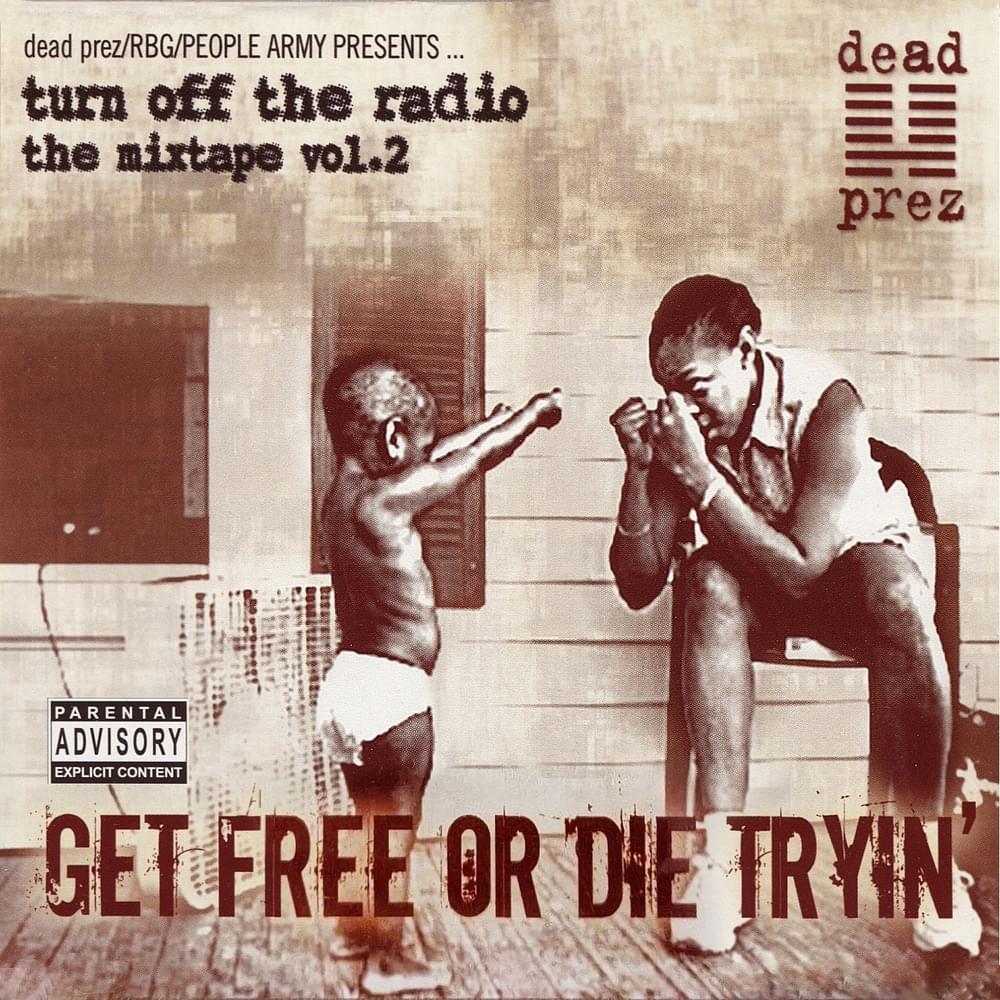
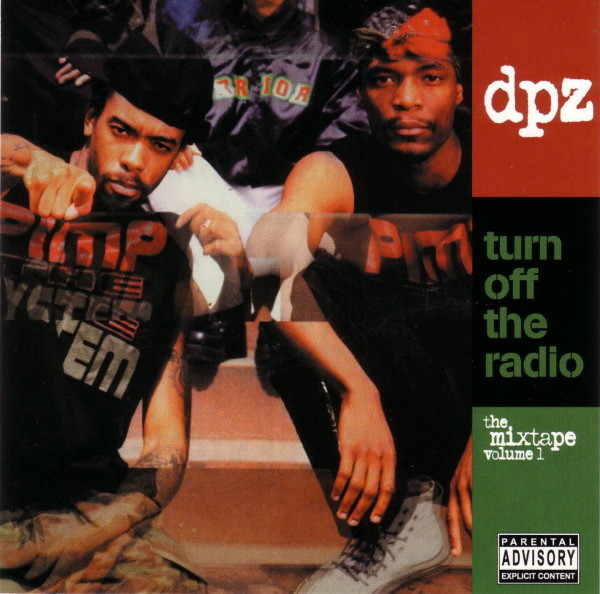
Between 2002 and 2010, Dead Prez releases a series of independent mixtapes that become cult objects. They synthesize the duo’s critique of the industry while developing everyday social themes.
Broadcast on Starz InBlack, it offers an analysis of education, entrepreneurship, and Black activism. It features Fred Hampton Jr., Davey D, and Kamel Bell. Starz explained its decision with the following statement:
“We recognized in dead prez a message that deserves to be heard.”
This documentary becomes a turning point in the duo’s intellectual recognition.


Dead Prez has always viewed hip-hop as: a tool for education, a vehicle for organization, and a space of storytelling for Afro-descendant communities.
In an era dominated by entertainment, Dead Prez reintroduced rigor, discourse, and reflection. The duo’s work circulates throughout Africa, Latin America, and Europe. France occupies an important place in this reception thanks to its own history of politically engaged rap.
The duo uses the I Ching’s hexagram number 7 (“The Army”) — a symbol of order, discipline, and collective organization.
A return loaded with history
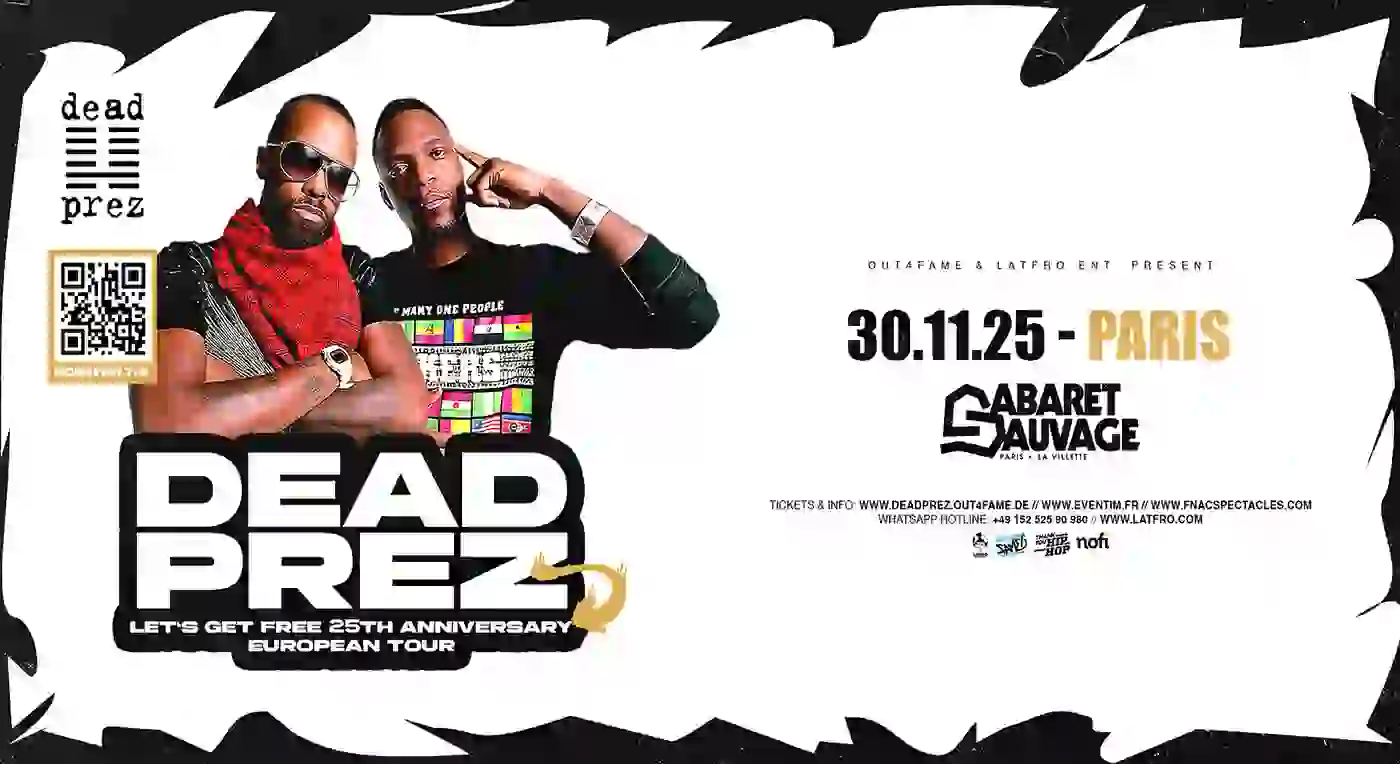
The concert on November 30, 2025, at Cabaret Sauvage (Paris) arrives at a symbolic moment: the 25th anniversary of Let’s Get Free.
Why Paris?
Because the French capital has long been a crossroads for Black diasporic cultures.
Because the French rap scene (from Assassin to La Rumeur) has always maintained a dialogue with American political rap. Cabaret Sauvage, an iconic venue of nomadic and alternative culture, provides a setting perfectly aligned with the Dead Prez aesthetic: a space born on the margins that eventually became central.
The lasting echo of a musical revolt
Dead Prez did more than produce albums: they created a political corpus.
Every track, every statement, every collaboration reflects a determination to restore hip-hop to its primary function: being a voice for those who are never heard.
Their return in 2025 is not an exercise in nostalgia: it is the reactivation of a discourse whose relevance remains, unfortunately, as urgent as ever.
By retracing their history, we are not simply recounting the journey of a duo. We are telling the evolution of an entire branch of hip-hop: the one that refuses to settle for entertainment, and instead chooses to educate, organize, and liberate.

