

The liberation of Sachsenhausen – May 2, 1945 marks an important date in the history of the Second World War and for Afro-Europeans in particular. On that day, Soviet forces liberated the Sachsenhausen concentration camp, located near Berlin in Germany, where many prisoners, including Afro-Europeans, were held in inhumane conditions. In this article, we will explore the history of the camp, the role of Afro-Europeans during the war, and the significance of the liberation of Sachsenhausen for these communities.
The Sachsenhausen camp: an overview
The Sachsenhausen camp, opened in 1936, was initially used to imprison political opponents of the Nazi regime. Over time, it became a place of detention for various groups of people, including Jews, Roma, homosexuals, Soviet prisoners of war, and Afro-Europeans. Sachsenhausen became one of the main concentration camps in Germany, with thousands of prisoners subjected to forced labor, medical experiments, torture, and executions. More than 200,000 people were detained at Sachsenhausen during its existence, and nearly 50,000 lost their lives there.
Afro-Europeans at Sachsenhausen
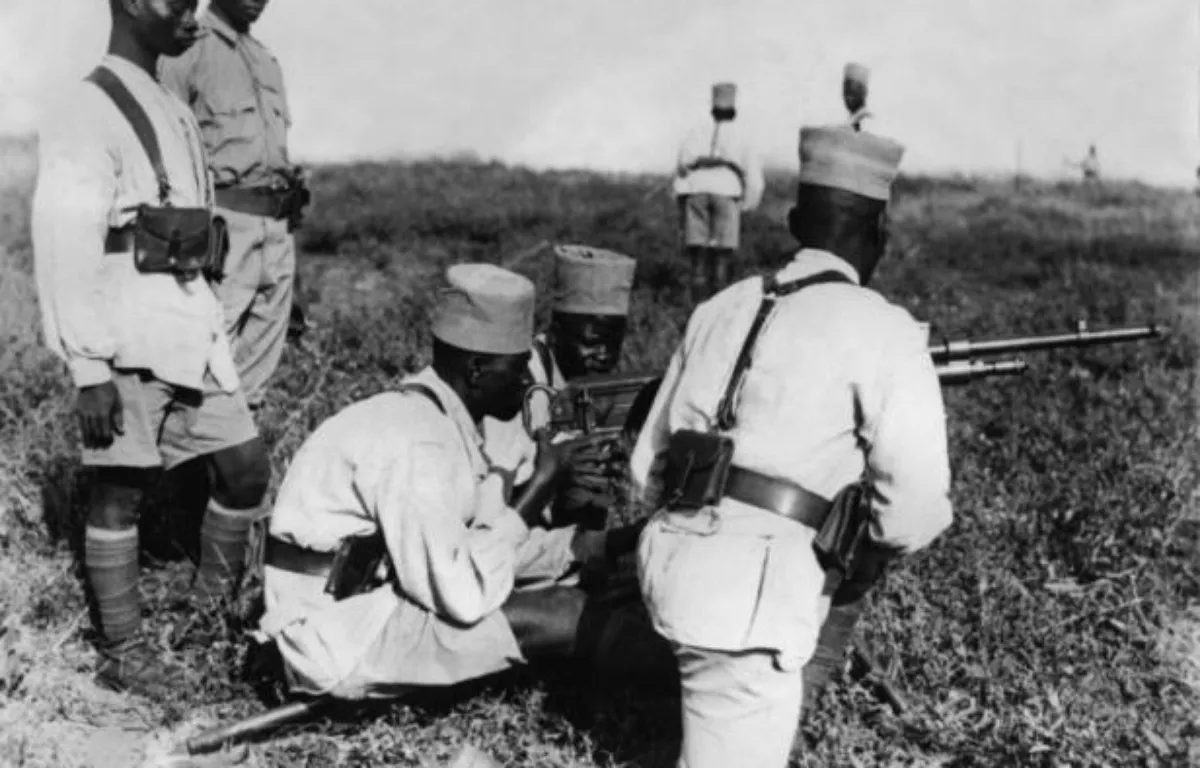
Afro-Europeans were mainly captured soldiers belonging to French colonial troops and antifascist resistance fighters. They were often subjected to particularly brutal treatment due to the racist propaganda of the Nazi regime. Afro-Europeans detained at Sachsenhausen were primarily from North Africa and sub-Saharan Africa and were generally considered “Untermenschen” (subhumans) by the Nazis. Some were used as subjects for medical experiments, while others were forced into exhausting hard labor.
Soviet forces and the liberation of Sachsenhausen
The arrival of Soviet forces on May 2, 1945 put an end to the suffering of Sachsenhausen prisoners. The liberation of the camp revealed the horror of the detention conditions and the scale of the atrocities committed by the Nazis. The camp’s survivors were treated and fed by Soviet forces, who also helped locate and repatriate prisoners of war to their countries of origin.
The significance of the liberation of Sachsenhausen for Afro-Europeans
The liberation of Sachsenhausen is a crucial event for Afro-Europeans, as it helped highlight the contribution of Black soldiers and resistance fighters in the fight against fascism and Nazism in Europe. Their courage and determination were essential in defending freedom and democracy in Europe, yet their history is often overlooked in traditional narratives of the Second World War.
Today, it is important to remember the sacrifice of Afro-Europeans and their role in the liberation of Europe from Nazi oppression. By sharing their history, we help combat oblivion and promote a more inclusive and representative narrative of European history. Recognizing their sacrifices and contributions also helps fight the stereotypes and prejudices that still persist today toward people of African descent in Europe.
The memory of Sachsenhausen and the preservation of history
In memory of the victims and survivors of Sachsenhausen, the camp site has been transformed into a memorial and museum. The Sachsenhausen Memorial allows visitors to confront the history of the camp and the atrocities committed by the Nazi regime. Specific exhibitions highlight the fate of different groups of prisoners, including Afro-Europeans.
By preserving and transmitting the history of Sachsenhausen and its Afro-European prisoners, we honor their memory and remind ourselves of the dangers of racism, discrimination, and hatred. The lessons of the past are essential for building a more inclusive future that respects human rights for all.
The liberation of the Sachsenhausen concentration camp on May 2, 1945 by Soviet forces is a significant event for Afro-Europeans and the history of the Second World War. It is essential to remember the courage and sacrifices of the prisoners, particularly Afro-Europeans, and to recognize their contribution to the fight against Nazism in Europe. By sharing their history and preserving the memory of Sachsenhausen, we contribute to building a more inclusive Europe that respects diversity.
Summary
- The Sachsenhausen camp: an overview
- Afro-Europeans at Sachsenhausen
- Soviet forces and the liberation of Sachsenhausen
- The significance of the liberation of Sachsenhausen for Afro-Europeans
- The memory of Sachsenhausen and the preservation of history


