

On April 4, 1968, Martin Luther King Jr., one of the greatest advocates of civil rights and equality in the United States, was tragically assassinated in Memphis, Tennessee. His struggle for social justice and the end of racial discrimination left a lasting legacy that continues to inspire entire generations.
The life of Martin Luther King Jr
Born in 1929 in Atlanta, the son of a Baptist pastor, Martin Luther King Jr. grew up in an environment where racial segregation and injustice were commonplace. At the age of 15, he entered Morehouse College, a historically Black university, where he studied sociology and theology. It was during this period that he began to develop his thinking on issues of social justice and the means to fight racial discrimination.
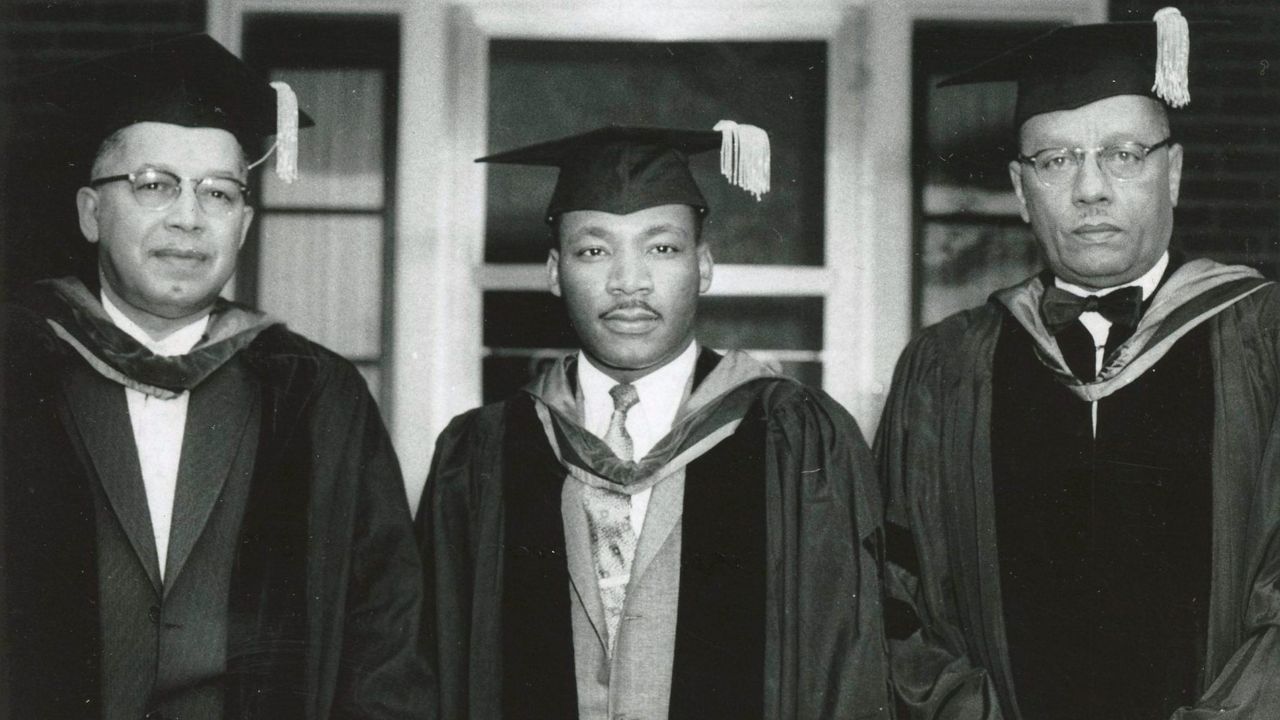
In 1955, he earned a doctorate in systematic theology from Boston University. That same year, he was propelled onto the national stage by leading the Montgomery bus boycott, a nonviolent protest campaign against racial segregation in public transportation. This boycott, which lasted 381 days, led to the end of segregation on Montgomery buses and became the starting point of the national movement for civil rights and equality for African Americans.
Throughout his career, Martin Luther King Jr. organized and participated in many pivotal events in civil rights history, such as the Selma to Montgomery march in 1965 and the Birmingham campaign in 1963, which led to the desegregation of businesses and schools in the city.
Dr. King, the orator who had a dream
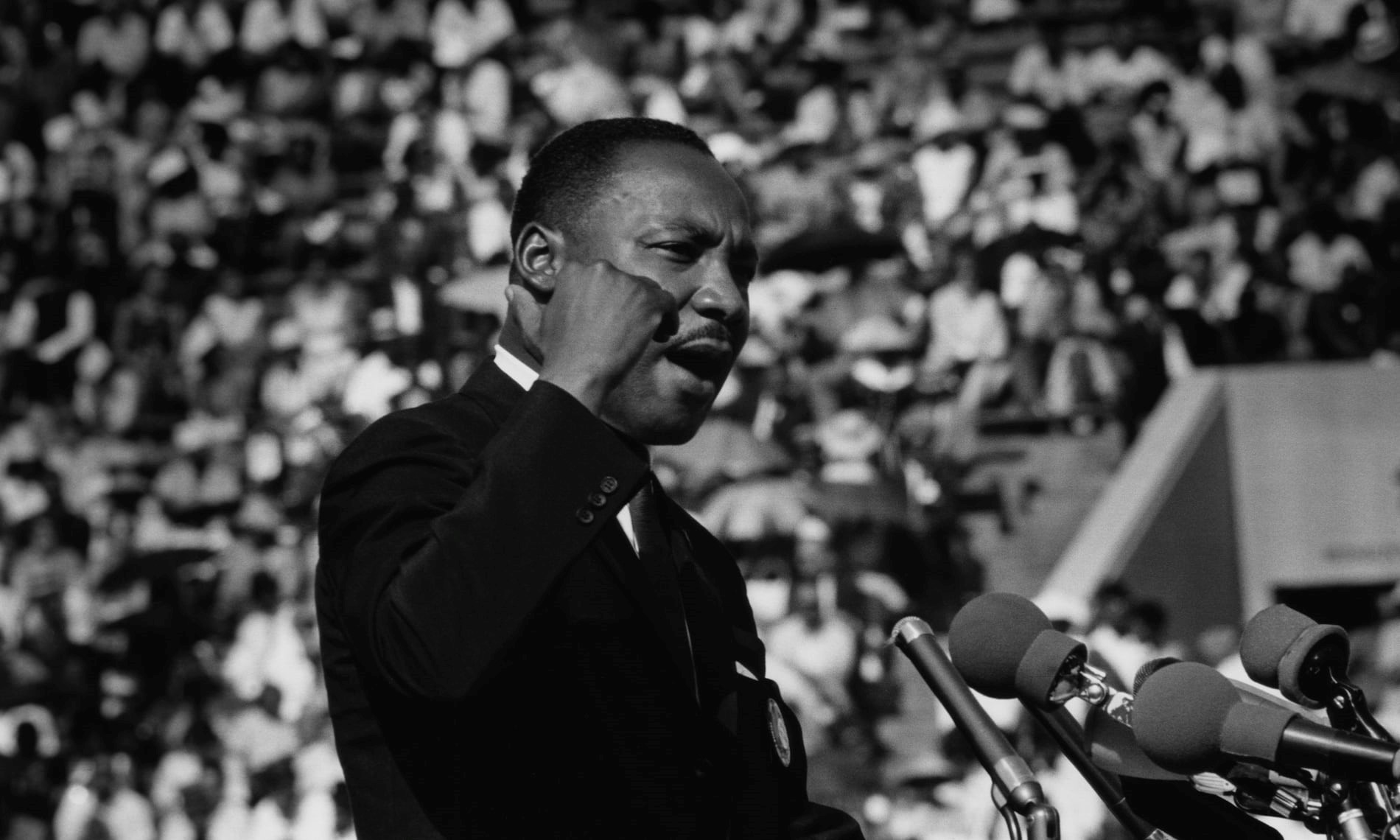
His speech “I Have a Dream,” delivered during the March on Washington for Jobs and Freedom in 1963, remains one of the most memorable and powerful moments in American history. In this speech, he shared his vision of a world where skin color would not determine a person’s value or future. His call for unity and brotherhood among races moved millions of people and galvanized the civil rights movement.
His tireless work and courageous actions contributed to the passage of the Civil Rights Act in 1964 and the Voting Rights Act in 1965, which profoundly transformed American society. In 1964, he became the youngest recipient of the Nobel Peace Prize, in recognition of his nonviolent struggle against racial segregation and for peace.
His assassination left a void in the civil rights movement, but his legacy continues to be celebrated and honored today. Martin Luther King Jr. has become a symbol of peace, justice, and equality, and his message remains more relevant than ever.
An impact that still resonates today
On the occasion of the 55th anniversary of his passing, it is essential to remember his achievements and to commit to continuing his fight for equality and justice around the world. His teachings and philosophy of nonviolence are valuable tools for combating the injustices and discrimination that still exist today.
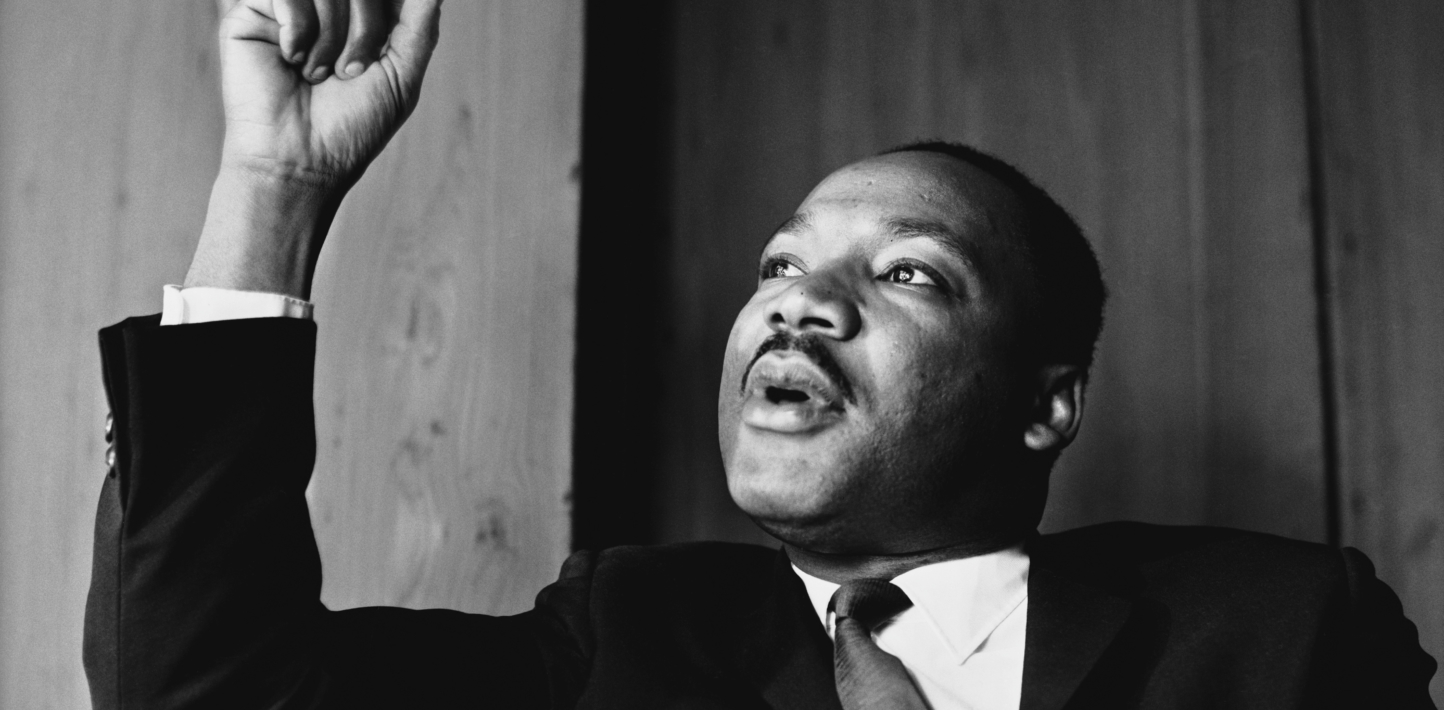
To honor the memory of Martin Luther King Jr., we must continue to fight for a more just and equal world by following his example of perseverance, courage, and compassion. We must also recognize the importance of his figure in Black culture and his contribution to the emancipation of African American communities.
The actions and words of Martin Luther King Jr. had an undeniable impact on the lives of millions of people, and his legacy continues to inspire new generations to commit to justice and equality. As readers of NOFI, it is crucial to celebrate and honor his legacy, as he profoundly shaped Black history and culture.
In conclusion, Martin Luther King Jr. was a man who changed the course of history. His fight for justice and equality continues to resonate and inspire millions of people around the world, even 55 years after his assassination. It is up to us to carry on his legacy by striving for a more just and equal world, following his example of perseverance, courage, and compassion, and recognizing his impact on Black culture and the lives of African American communities.


