

I. Introduction
Shaka Zulu is one of the most famous and influential African leaders in history. He ruled over the Zulu people in South Africa in the early 19th century and transformed a small tribe into a powerful empire. His reign was marked by military innovations and rapid expansion, making him a key figure in African history.
II. Historical Context and Origins
Birth and Youth
Shaka was born around 1787 in the Zulu tribe, which was part of the Nguni ethnic group, living in what is now the South African province of KwaZulu-Natal. He was the illegitimate son of Chief Senzangakhona and Nandi, a daughter of the chief of the Langeni clan.
Rise to Power
Shaka came to power in 1816, after the death of his father, Senzangakhona. At that time, the Zulu were a small and relatively insignificant tribe. Shaka, however, had much greater ambitions for his people and quickly set about transforming Zulu society and the army.
III. Military Innovations and Strategies
Army Reform
Shaka reorganized the Zulu army into units called impis, composed of warriors grouped by age and trained intensively. He introduced a system of conscription and compulsory military service for young men, thereby creating a disciplined and loyal army.
Tactical Innovations
Shaka introduced new weapons and tactics to make his army more effective in combat. He replaced the assegai, a long spear used for distance fighting, with the iklwa, a shorter and broader spear designed for close combat. He also innovated in battle strategy with the “buffalo horn” formation, which included a main chest and two flanking horns to encircle and defeat the enemy.
IV. Expansion of the Zulu Empire
Under Shaka’s reign, the Zulu Empire experienced rapid expansion, encompassing a vast territory that stretched across much of present-day South Africa. He used his powerful army to subdue neighboring tribes and integrate their lands and populations into the Zulu Empire.
V. The Controversial Reign and Death of Shaka
Controversy
Shaka is often criticized for his brutality and authoritarianism. His rapid expansion led to the death of many enemies, as well as the displacement of numerous tribes. Historians still debate the extent of the violence committed during his reign and how it should be assessed in relation to his achievements.
Death of Shaka
Shaka was assassinated in 1828 by his half-brothers, Dingane and Mhlangana, who took control of the Zulu Empire after his death. His sudden death marked the end of the era of rapid expansion of the empire, although the Zulu remained a significant force in the region for many years afterward.
VI. The legacy of Shaka Zulu
Impact on South Africa
The Zulu Empire created by Shaka had a significant impact on the history of South Africa. It shaped the political and cultural landscape of the region and influenced relations between different ethnic groups. His legacy is still reflected today in Zulu culture and history.
Representation in popular culture
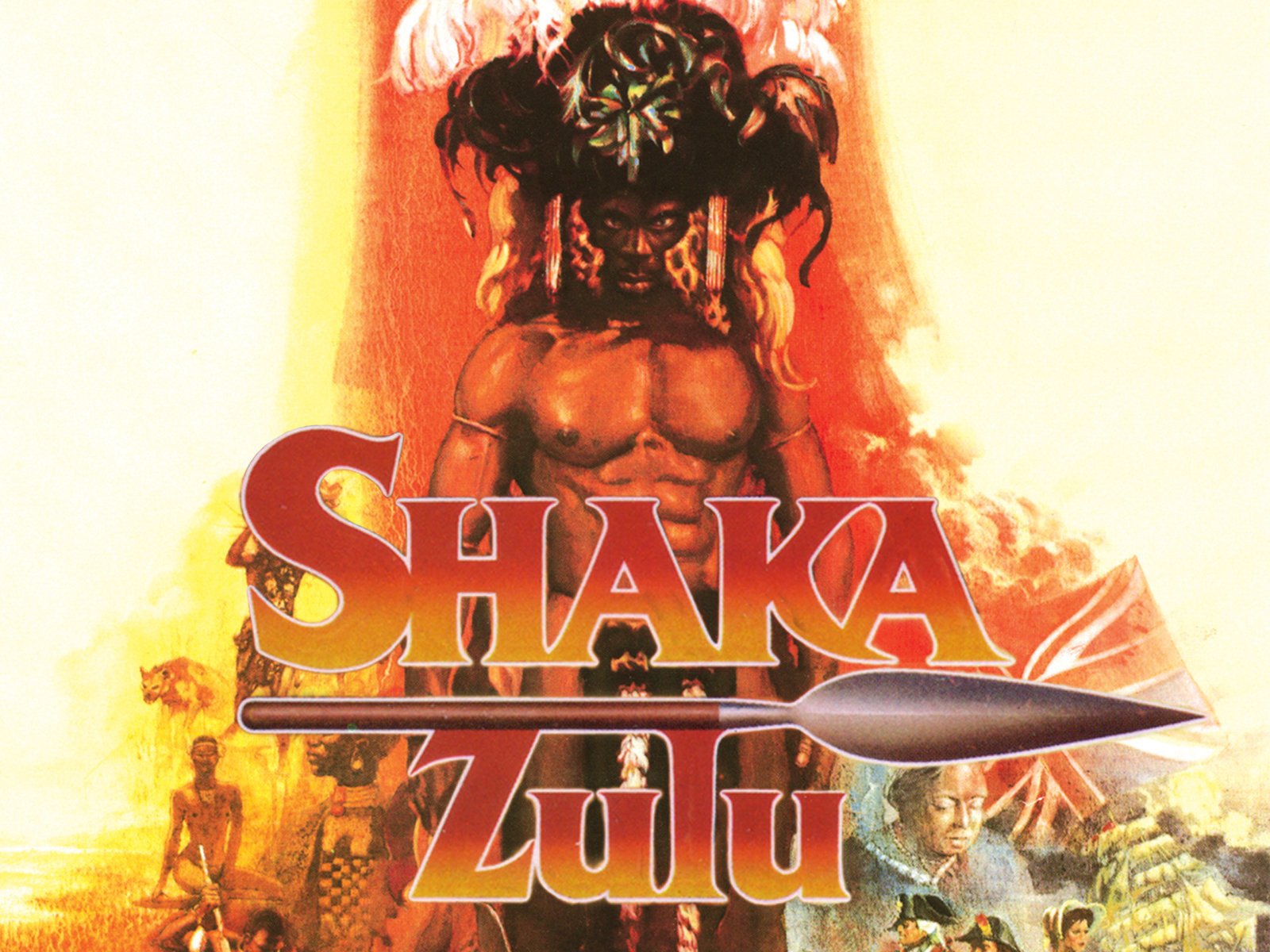
Shaka Zulu is an iconic figure in African history, and his story has been adapted and represented many times in popular culture. Among the most notable portrayals is the 1986 television miniseries “Shaka Zulu,” which helped popularize his story among an international audience.
Memory and commemoration
The memory of Shaka Zulu is commemorated and celebrated in various ways in South Africa. September 24, for example, is celebrated as Heritage Day, also known as Shaka Zulu Day, in honor of the impact he had on the country’s culture and history.
Shaka Zulu remains a complex and controversial figure in African history. Although his reign was marked by violence and conquest, it was also a period of innovation and transformation for the Zulu people. His legacy endures today and continues to influence how South Africa understands and commemorates its past.


