

On June 19, 1865, enslaved African Americans in Galveston, Texas, learned that they were free. Since then, the Black community in the United States has continued to celebrate this event.
Do you want to know more about Juneteenth?
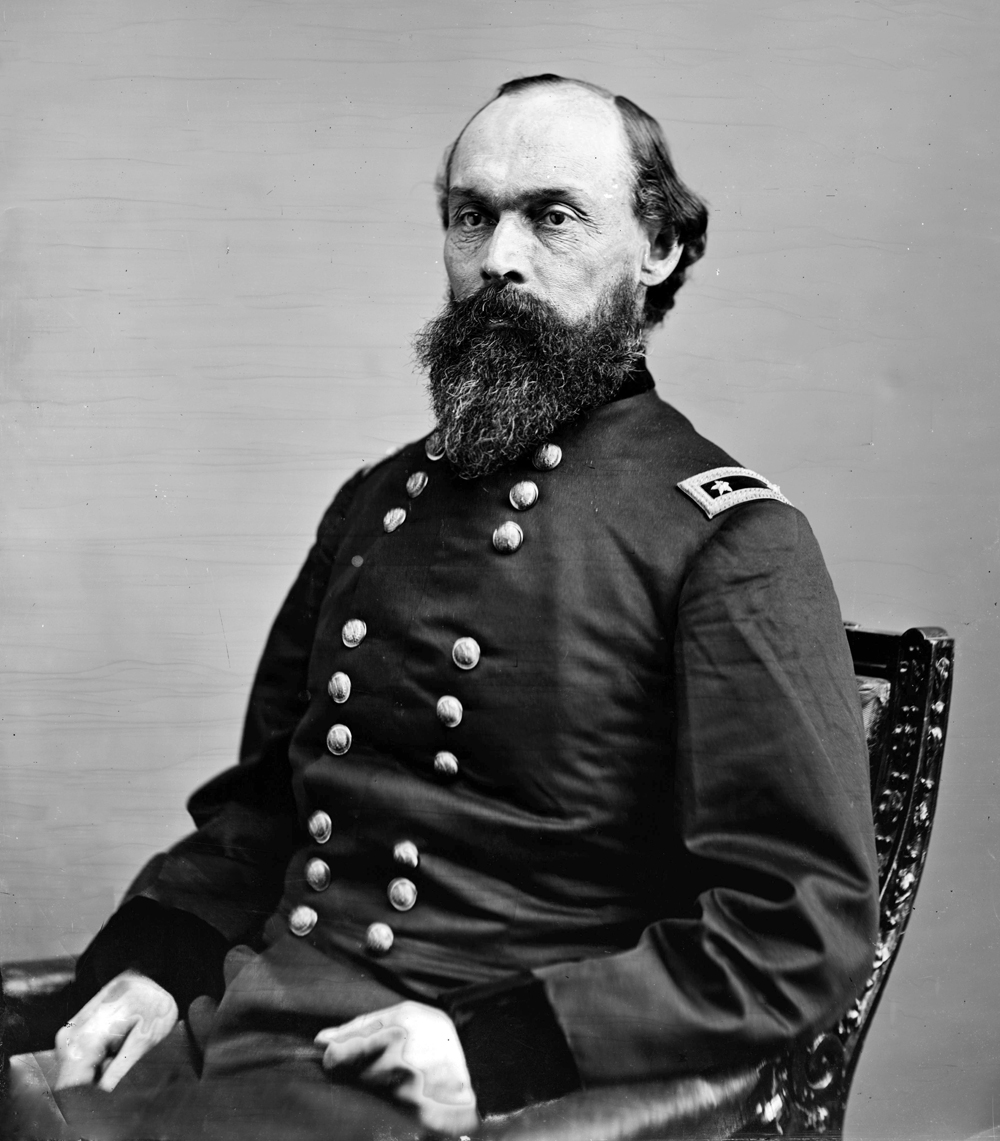
Juneteenth is the oldest national commemoration of the end of slavery in the United States. In 1865, it was on June 19 that Union soldiers, led by Major General Gordon Granger, landed in Galveston, Texas, with the news that the war had ended and that enslaved people were now free. It should be noted that this news came two and a half years after President Abraham Lincoln’s Emancipation Proclamation, which had become official on January 1, 1863. The Emancipation Proclamation had little impact on Texans due to the minimal number of Union troops available to enforce the new executive order. However, with General Lee’s surrender in April 1865 and the arrival of General Granger’s regiment, the forces were finally strong enough to influence and overcome resistance.
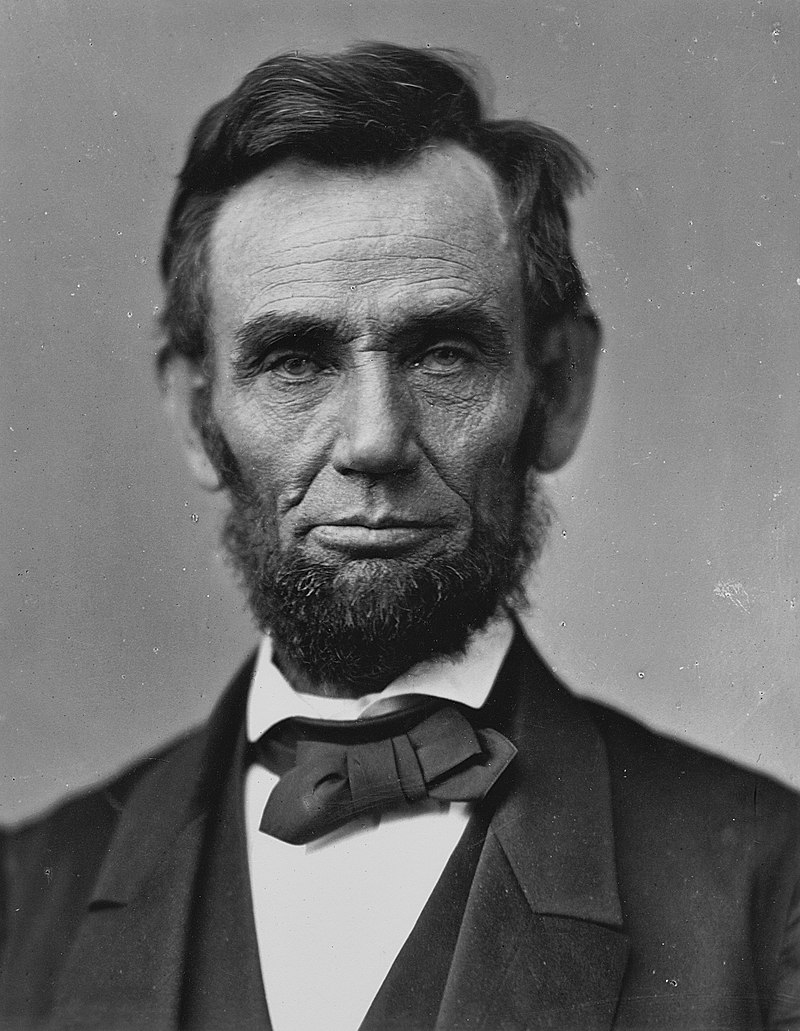
Subsequent attempts to explain this two-and-a-half-year delay in receiving this important news have given rise to several versions that have been passed down over the years. The story is often told of a messenger who was murdered while on his way to Texas with the news of freedom. Another is that the news was deliberately withheld by slaveholders to maintain the labor force on the plantations. Or that federal troops actually waited for slave owners to reap the benefits of one last cotton harvest before going to Texas to enforce the Emancipation Proclamation. All of these versions, or none of them, could be true. What is certain is that, for some, President Lincoln’s authority over the rebellious states was questioned. Whatever the reasons, conditions in Texas remained in a status quo well beyond what was legally expected.
General Order Number 3
One of General Granger’s first orders was to read to the people of Texas General Order Number 3, which began significantly with:
“The people of Texas are informed that in accordance with a proclamation from the Executive of the United States, all slaves are free. This involves an absolute equality of personal rights and property rights between former masters and slaves, and the connection heretofore existing between them becomes that between employer and hired labor.”
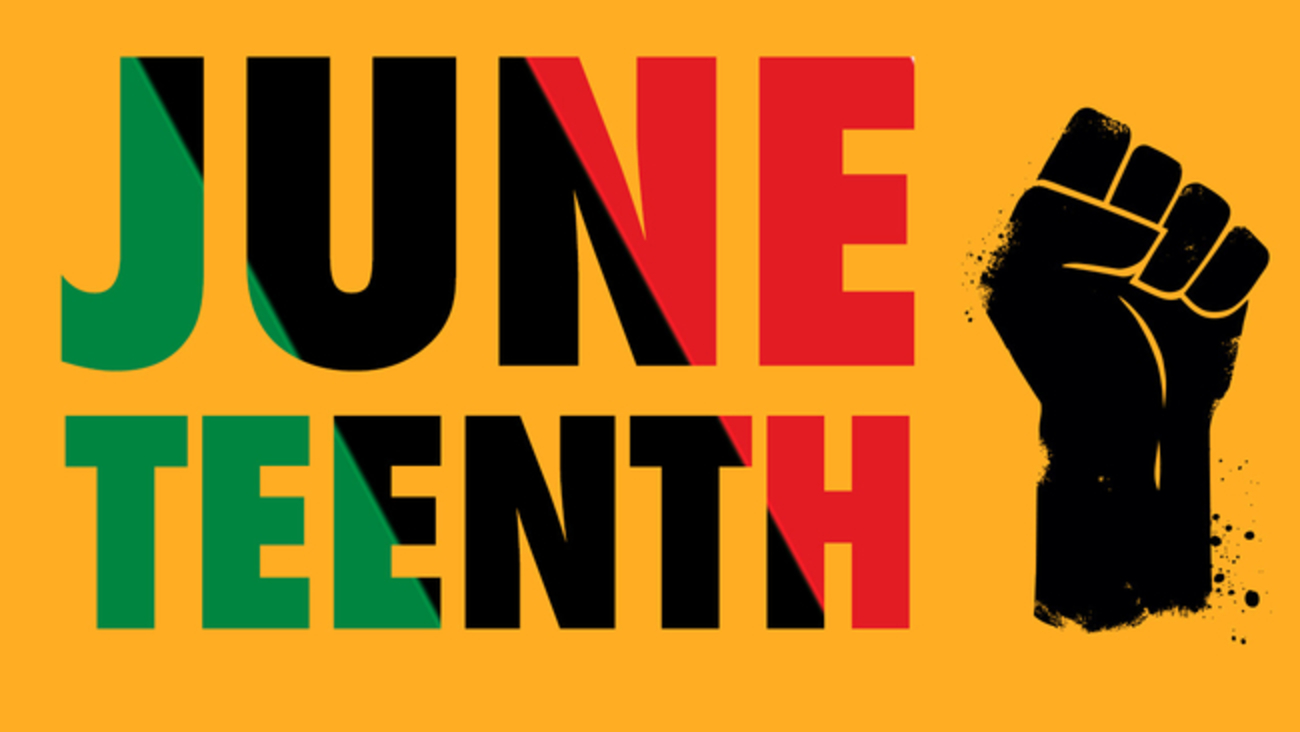
Reactions to this news ranged from profound shock to immediate jubilation. While many lingered to learn about this new employer-employee relationship, some left before these offers had fully left the lips of their former “masters” – a testament to the varying conditions on plantations and the realization of freedom. Even if they had nowhere to go, many African Americans believed that leaving the plantation would be their first step toward freedom. The North was an obvious destination and, for many, it represented true freedom, while the desire to reunite with family members in neighboring states led some to travel to Louisiana, Arkansas, and Oklahoma. Settling in these new regions as free men and women brought new realities and the challenges of establishing a status previously nonexistent for Black people in America. Remembering the memories of that great day in June 1865 and its festivities would serve as both motivation and a release from the increasing pressures encountered in their new territories. The celebration of June 19 was named “Juneteenth” and grew with increased participation from descendants [1].
The celebration of Juneteenth was a time to reassure one another, to pray, and to gather remaining family members. Decades later, June 19 continued to be celebrated in Texas, and many former slaves and their descendants made annual pilgrimages to Galveston on that date.
Festivities and food of june 19
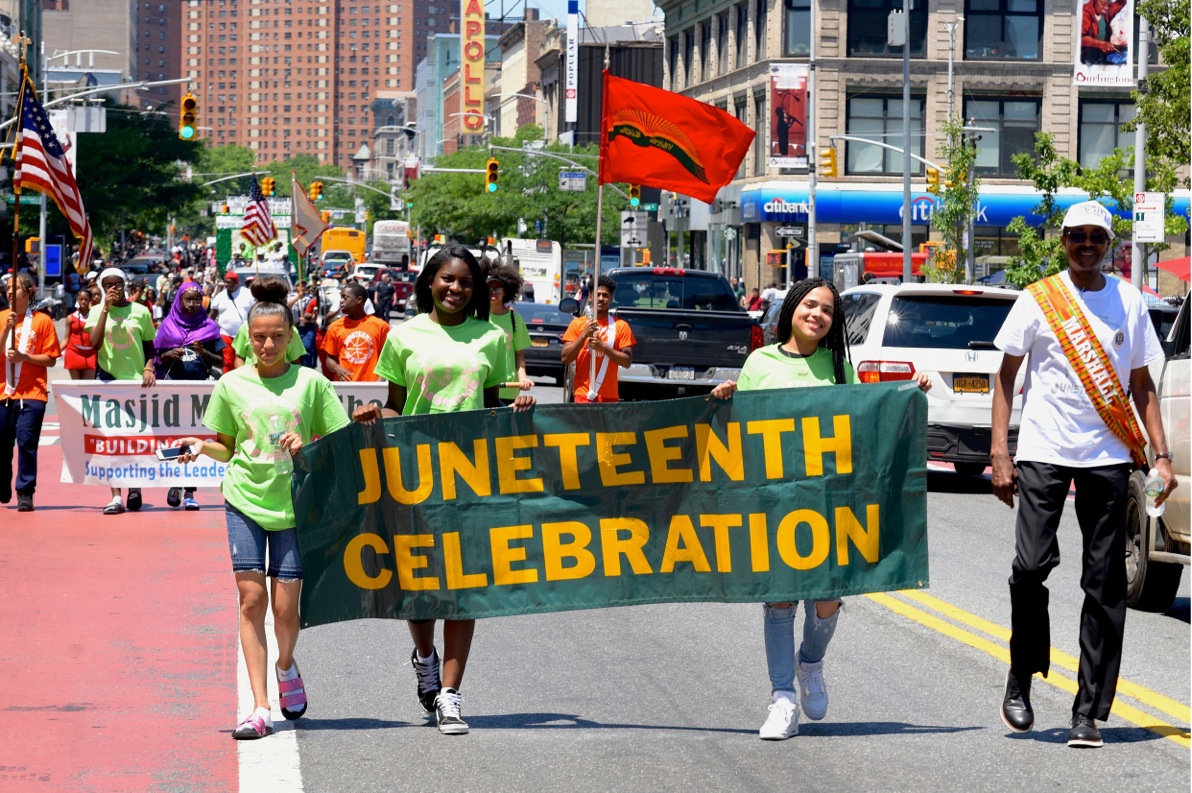
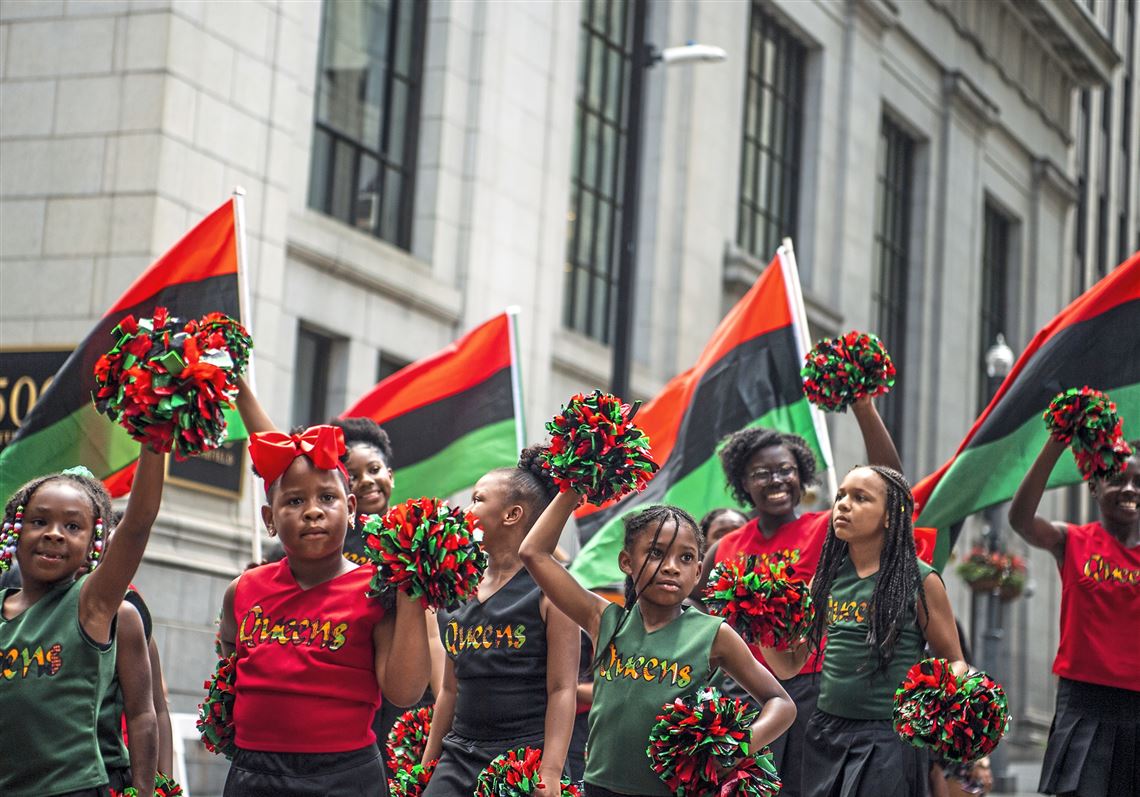
A wide range of activities were offered to entertain the masses, and many of them are still practiced today. Rodeos, fishing, barbecues, and baseball are just a few of the typical activities organized during Juneteenth. June 19 is almost always focused on education and self-improvement. Thus, speakers are often invited, and elders are called upon to recount past events. Prayer services were also an important part of these celebrations.
Certain foods became popular and eventually synonymous with Juneteenth celebrations, such as strawberry soda-pop. More traditional and equally popular, barbecue allowed participants to share the spirit and aromas that their ancestors – newly emancipated African Americans – would have experienced during their ceremonies. That is why the barbecue pit is often established as the center of attention at celebrations.
Food is abundant, as everyone prepares a special dish. Meats such as lamb, pork, and beef, which were not available every day, were brought for this special occasion. A true Juneteenth celebration left visitors well satisfied and with enough conversation to last until the next day.
Clothing was also an important element of early Juneteenth customs and is still often taken seriously, especially by direct descendants who can connect with the roots of this tradition. During slavery, there were laws in many areas that prohibited or restricted the clothing of enslaved people. In the early days of emancipation celebrations, it is said that former slaves threw their tattered garments into streams and rivers and adorned themselves with clothing taken from the plantations of their former “masters.”
Juneteenth and society
During the early years, the African American community showed little interest in participating in celebrations. In some cases, resistance was openly expressed through the prohibition of using public property for festivities. Most celebrations took place in rural areas, around rivers and streams that could offer additional activities such as fishing, horseback riding, and barbecues. Churches were often the sites of these activities. Eventually, as African Americans became landowners, land was donated and dedicated to these festivities. One of the first documented land purchases in the name of Juneteenth was organized by Reverend Jack Yates. This fundraising effort raised $1,000 and enabled the purchase of Emancipation Park in Houston, Texas. In Mexia, the local Juneteenth organization purchased Booker T. Washington Park, which became a Juneteenth celebration site in 1898. It is said that June 19 activities were sometimes disrupted and halted by white landowners who demanded that their workers return to work. However, it seems that most of them granted their workers a day off, and some even made donations of food and money. For decades, these annual celebrations flourished, growing larger each year. At Booker T. Washington Park, up to 20,000 African Americans participated in a single week, making it one of the largest celebrations in the state.
Decline of Juneteenth celebrations
Economic and cultural forces led to a decline in Juneteenth activities and participation starting in the early 1900s. Classroom instruction and textbooks, rather than traditional practices taught at home and within families, dampened young people’s interest due to the limited importance and detail given to the lives of former slaves. Textbooks proclaimed Lincoln’s Emancipation Proclamation of January 1, 1863, as the date marking the end of slavery – and made little or no mention of the impact of General Granger’s arrival on June 19.
The Depression forced many people to leave farms and move to cities to find work. In these urban environments, employers were less inclined to grant time off to celebrate this date. Thus, unless June 19 fell on a weekend or a holiday, there were very few participants available. July 4 was already the established Independence Day, and a rise in patriotism further shifted attention toward that celebration.
Resurgence
The civil rights movement of the 1950s and 1960s had both positive and negative effects on Juneteenth celebrations. While it drew much of the African American youth into the struggle for racial equality, many made connections between these struggles and the historical battles of their ancestors. This is evidenced by student demonstrators involved in the civil rights campaign in Atlanta in the early 1960s, who wore June 16 freedom badges. In 1968, Juneteenth experienced a resurgence thanks to the Poor Peoples March in Washington D.C. Reverend Ralph Abernathy called on people of all races, beliefs, economic levels, and professions to come to Washington to show their support for the poor. Many of these participants returned home and launched Juneteenth celebrations in regions that had previously lacked such activities. In fact, two of the largest Juneteenth celebrations founded after this march are now held in Milwaukee and Minneapolis.
Texas leads the way
On January 1, 1980, June 19 became an official state holiday thanks to the efforts of Al Edwards, an African American legislator. The adoption of this law made Juneteenth the first emancipation celebration officially recognized by the state. Since then, Al Edwards has actively worked to spread the observance of June 19 throughout America.
Juneteenth in the modern era
Today, Juneteenth is experiencing phenomenal growth among communities and organizations across the country. Institutions such as the Smithsonian, the Henry Ford Museum, and others have begun sponsoring activities centered on Juneteenth. In recent years, a number of local and national Juneteenth organizations have emerged to take their place alongside older ones – all with the mission of promoting and cultivating knowledge and appreciation of African American history and culture.
Today, Juneteenth celebrates the freedom and achievements of African Americans, while encouraging continued personal development and respect for all cultures. As it takes on a more national, symbolic, and even global perspective, the events of 1865 in Texas are not forgotten, as all roots trace back to that fertile ground from which a day of national pride once grew.
Notes and references
This article is a translation of the article “What is Juneteenth“, published on juneteenth.com.
[1] Juneteenth, now a holiday, takes its name from the combination of the words “june” and “nineteenth.” The day is also sometimes called “Juneteenth Independence Day“, “Freedom Day” or “Emancipation Day“.


