

Discover the key aspects of the Haitian massacre of 1804, a crucial and tragic historical event. This article explores the reasons, methods, and consequences of this genocide under the leadership of Jean-Jacques Dessalines, offering a unique perspective on the brutality of colonization and the struggle for independence in Haiti.
1. An act of “genocide” under the leadership of Jean-Jacques Dessalines
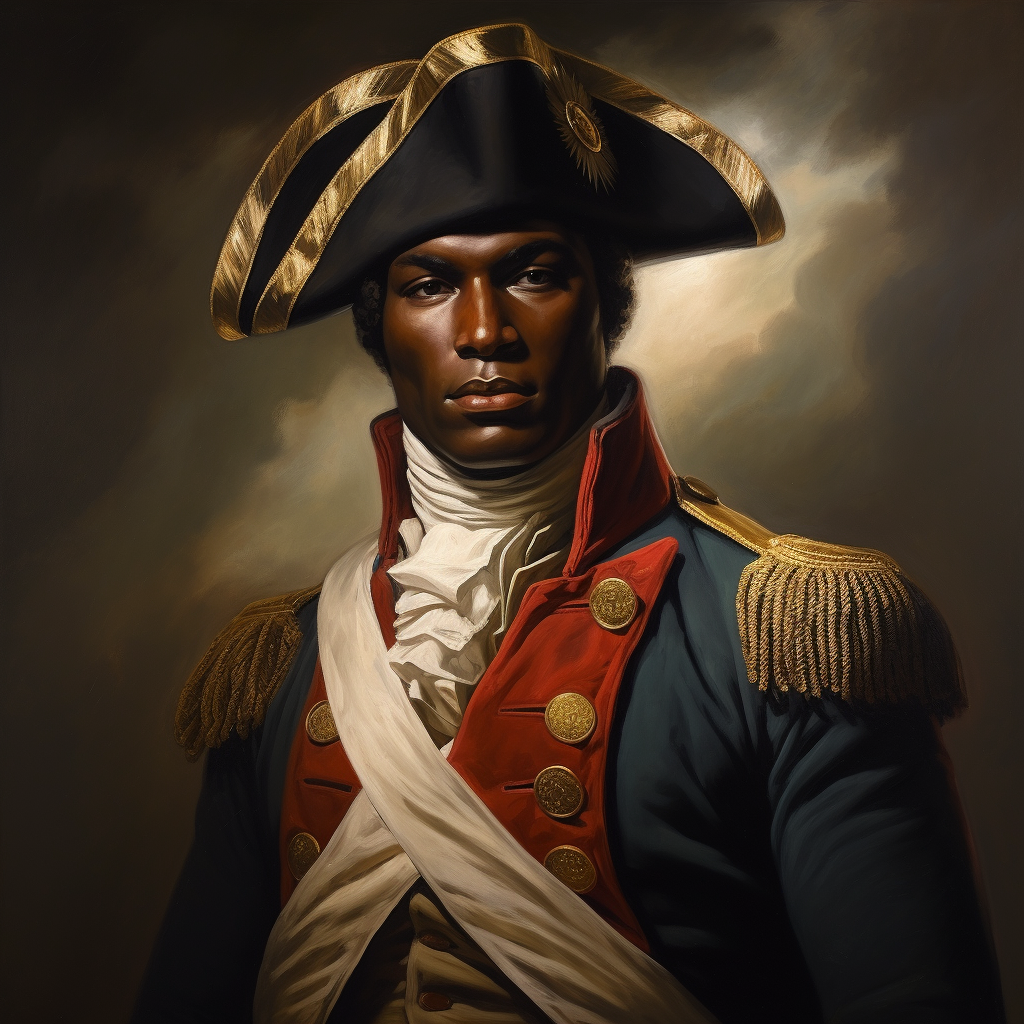
The 1804 massacre in Haiti, sometimes referred to as the Haitian genocide, was orchestrated by Afro-Haitian soldiers, mainly former slaves, under the command of Jean-Jacques Dessalines:
(…) kill every Frenchman who sullies the land of liberty with his sacrilegious presence.
Girard, Philippe R. (2005-06-01). “Caribbean genocide: racial war in Haiti, 1802–4”
It was a brutal reaction against the remaining European population, mainly French, following the Haitian Revolution, which had defeated the French army in November 1803.
2. A response to colonial cruelty
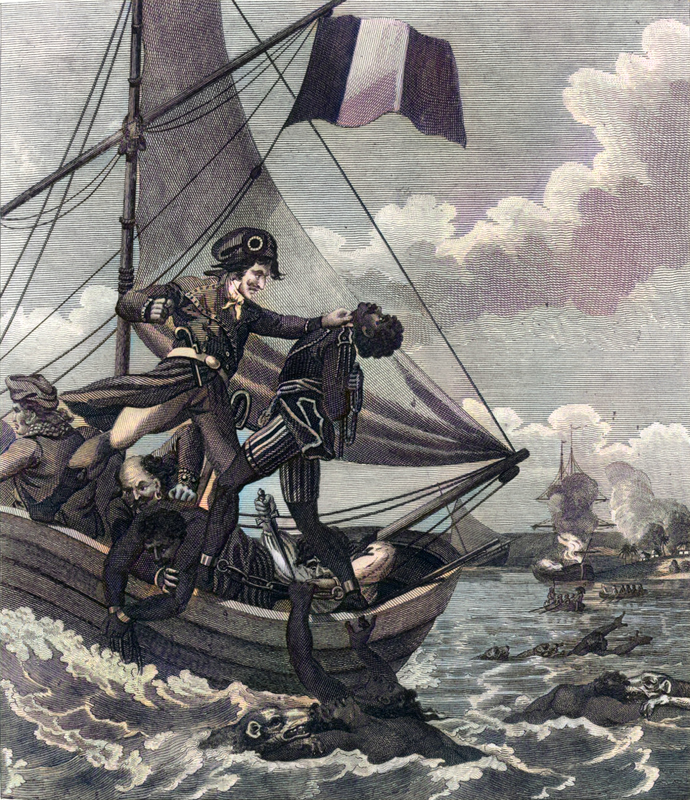
This massacre can be seen as an extreme response to centuries of colonial brutality and slavery. The atrocities committed by white colonists, described in horrifying detail by the personal secretary of Henri Christophe, reflect the unimaginable cruelty endured by Black slaves:
Did they not hang men upside down, drown them in sacks, crucify them on planks, bury them alive, crush them in mortars? Did they not force them to consume excrement?
And, after flaying them with the whip, did they not throw them alive to be devoured by worms, or onto anthills, or tie them to stakes in the swamps to be eaten by mosquitoes? Did they not throw them into boiling cauldrons of cane syrup?
Did they not place men and women in barrels studded with spikes and roll them down mountainsides into the abyss? Did they not deliver these miserable Blacks to man-eating dogs until the latter, satiated with human flesh, left the mutilated victims to be finished off with bayonet and dagger?
Heinl, Michael; Heinl, Robert Debs; Heinl, Nancy Gordon (2005). Written in Blood: The Story of the Haitian People, 1492–1995.
Thus, in the minds of some, this justified the necessity of such a violent reaction.
3. Systematic extermination
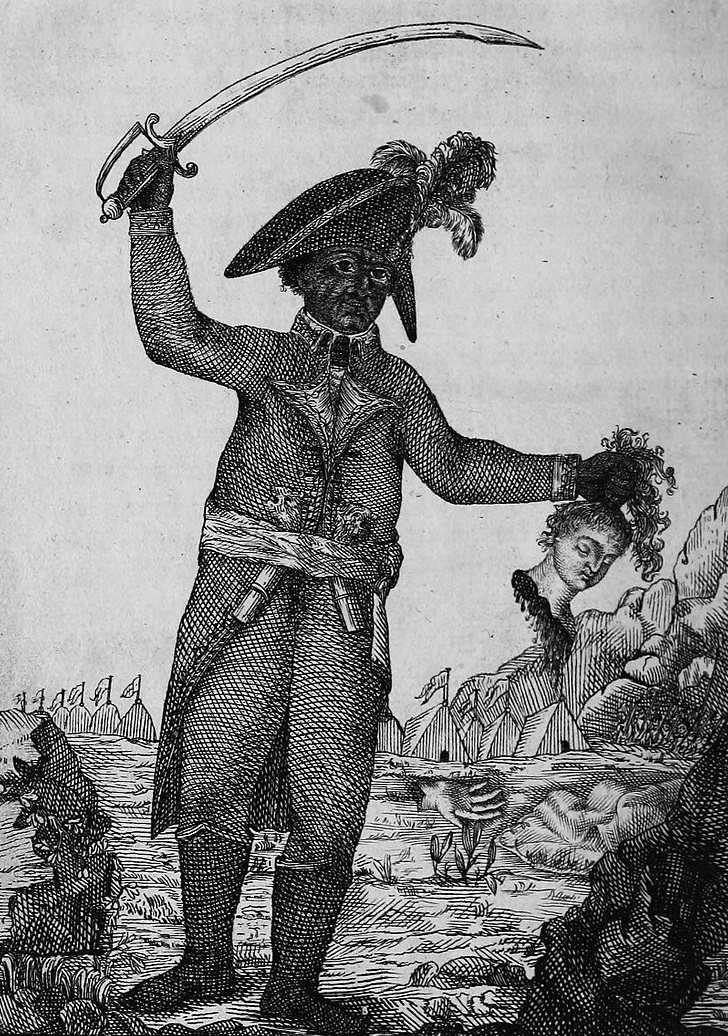
From February 22 to April 22, 1804, squads of soldiers moved from house to house across Haiti, torturing and killing entire families. It is estimated that between 3,000 and 5,000 people were killed, often with bladed weapons to avoid alerting potential victims. Dessalines had initially guaranteed the safety of the remaining white civilian population, but later ordered their extermination for reasons of national security. At the end of the massacre, he declared:
I shall go to my grave satisfied. We have avenged our brothers. Haiti has become a blood-red stain on the face of the globe!
Pezzullo, Ralph (2006). Plunging Into Haiti: Clinton, Aristide, and the Defeat of Diplomacy.
4. Notable exceptions
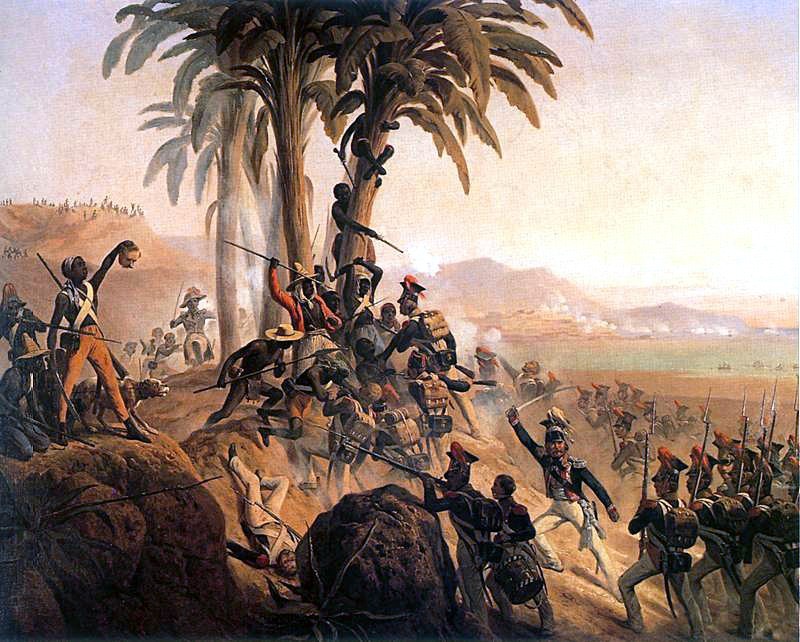
The massacre excluded surviving Polish legionnaires, who had defected from the French legion to ally themselves with the enslaved Africans, as well as Germans who had not participated in the slave trade:
The previous article shall have no effect with regard to white women who have been naturalized as Haitian by the government, nor with regard to the children born or to be born of them. Included in the provisions of this article are Germans and Poles naturalized by the government.
Article 13 of the Haitian Constitution of May 20, 1805.
These groups were granted full Haitian citizenship.
5. The impact of the 1804 massacre on American society
The events of the massacre were well known in the United States in the early 19th century. Many refugees from Saint-Domingue settled in American coastal cities, fueling fears of possible uprisings in the Southern United States and polarizing public opinion on the issue of slavery abolition:
While abolitionists loudly proclaimed that “all men are created equal,” echoes of armed slave uprisings and racial genocides rang in the ears of Southerners. Much of their resentment toward abolitionists can be seen as a reaction to events that occurred in Haiti.
Julius, Kevin C. (2004). The Abolitionist Decade, 1829–1838.
6. A legacy of racial hostility
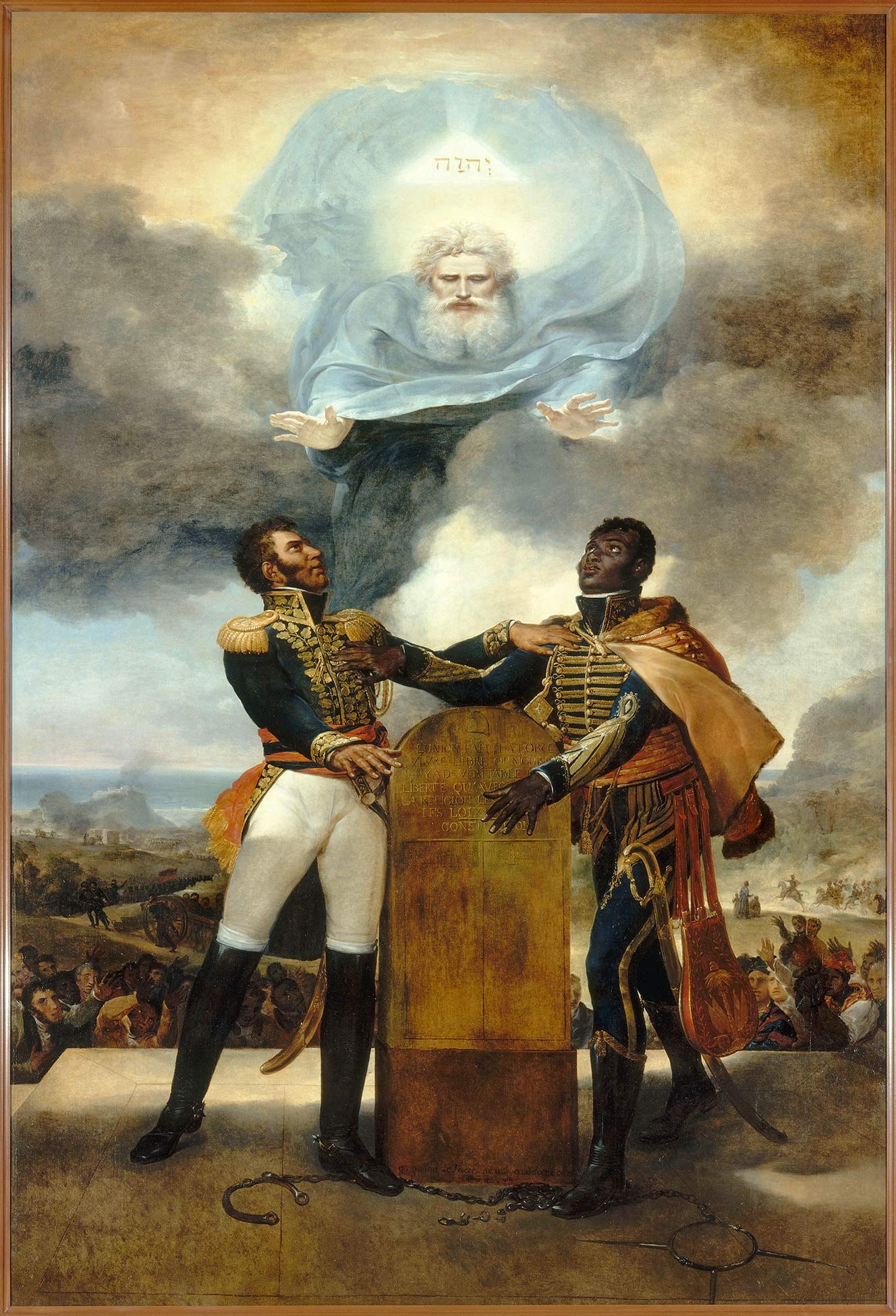
The massacre contributed to creating a legacy of racial hostility in Haitian society. The Constitution of 1805 defined all citizens as “Black”:
(…) Haitians shall henceforth be known only under the generic denomination of Blacks.
Article 14 of the Haitian Constitution of May 20, 1805.
Furthermore, it prohibited white men from owning land, except for certain specific groups:
No white man, whatever his nation, shall set foot on this territory as master or owner, nor shall he in the future acquire any property therein.
Article 12 of the Haitian Constitution of May 20, 1805.
7. A bloody stain in History
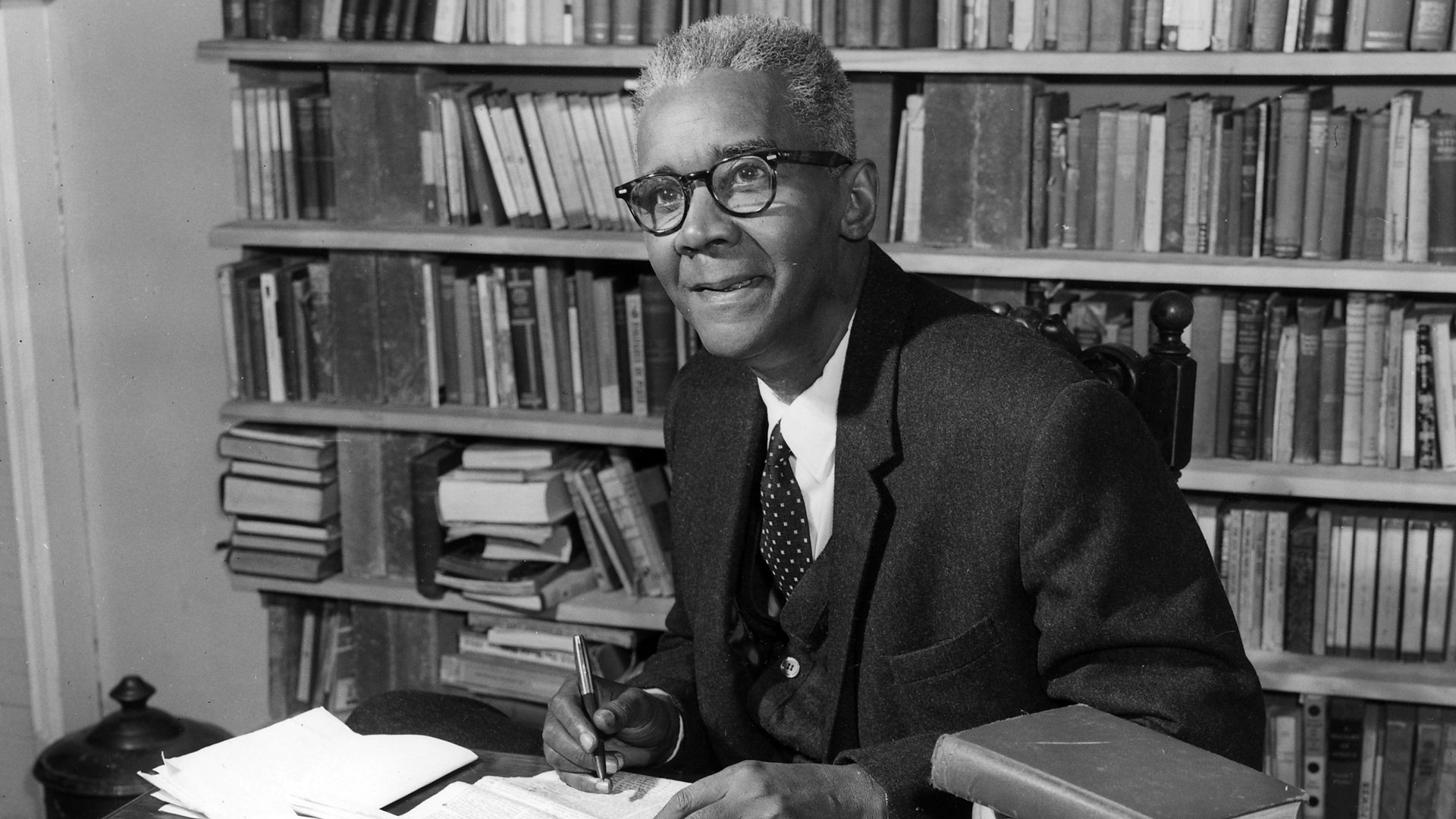
Although Dessalines considered the massacre a political necessity and an act of vengeance, historians such as C. L. R. James have criticized this act:
this unfortunate country […] was economically ruined, its population lacked social culture, [and] its difficulties were doubled by this massacre.
James, C. L. R. (1989) [First published in 1938]. The Black Jacobins.
The massacre remains a dark and controversial chapter in Haitian history, reflecting the complexity and tragedies of the struggle for freedom and equality.
To conclude…
This account of the Haitian massacre of 1804 reveals the depths of human suffering and the extreme consequences of oppression. It reminds us of the importance of acknowledging and understanding the darker aspects of history, not only to honor the memory of those who suffered, but also to draw lessons that can guide our future toward a more just and empathetic humanity


