

From Guinea-Bissau to Cape Verde, the PAIGC led one of Africa’s most emblematic anti-colonial struggles, balancing Pan-African myth, military victory, and a complex legacy.
One party, two lands, a pan-african utopia
In the long chronicle of African liberation struggles, few movements carry as many symbols as the African Party for the Independence of Guinea and Cape Verde (PAIGC). Founded in 1956 by a small group of committed intellectuals and activists, it embodied the energy, hopes, and contradictions of African independence. The PAIGC was simultaneously a highly effective guerrilla movement, a socialist experiment rooted in the bush, and a unique attempt at federation between two territories—the Portuguese Guinea and Cape Verde—that seemed worlds apart: one continental and forested, the other insular and arid.
By the mid-1950s, the Portuguese empire appeared unshakable. While France and the United Kingdom were already considering transitions toward autonomy, Lisbon clung to its colonies, declared “overseas provinces.” Yet, within this rigid landscape, a small group of men and women dared to imagine a way forward. Around Amílcar Cabral, a visionary agronomist, they decided to fight Europe’s oldest dictatorship under Salazar and build a Pan-African utopia fitting their time.
But how did a movement born in a forgotten corner of the colonial empire come to embody a continental hope? How did the PAIGC manage to combine the struggle for freedom, the experiment of an African socialism, and the dream (quickly frustrated) of unity between two peoples?
Placing the PAIGC in history means understanding not only the military and political victory against Portuguese colonialism but also the challenges of state-building in West Africa. It also involves reflecting on the legacy of a movement that, more than half a century after its first battles, continues to inspire struggles for sovereignty and justice across the continent.
From agronomist intellectual to national cause
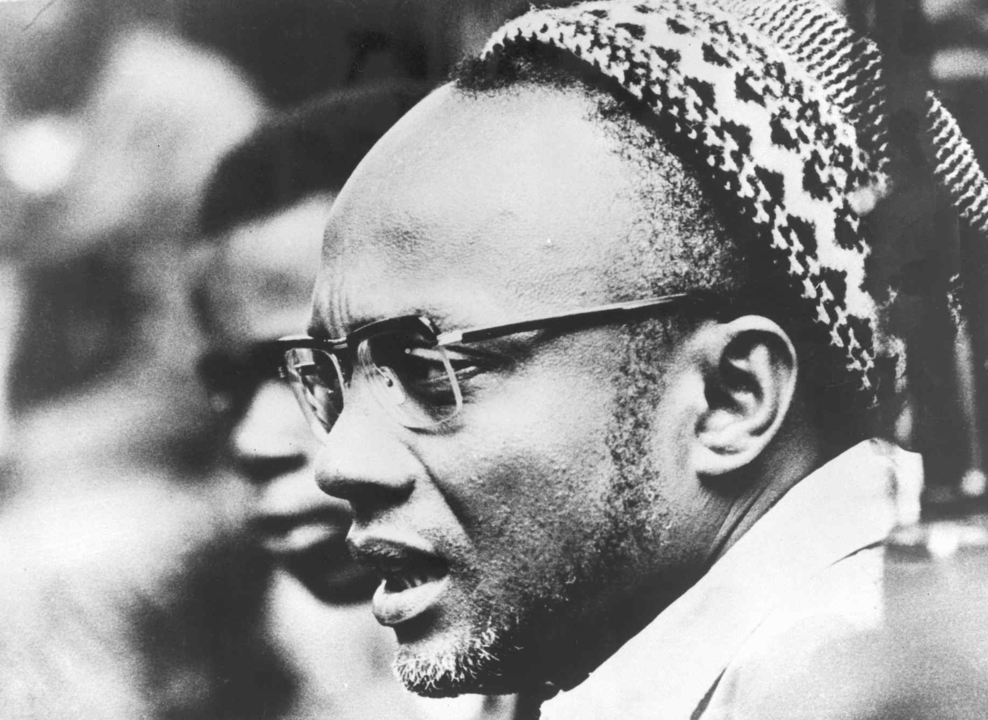
Portuguese Guinea (today Guinea-Bissau) and the Cape Verde archipelago in the 1950s lived under a harsh colonial domination. Unlike neighboring powers preparing reforms for independence, Salazar’s Portugal stubbornly considered its colonies as mere “overseas provinces” integrated into the national territory. Colonial administration exercised stifling control: strict racial hierarchies, almost total absence of political rights for African populations, repression of unions, and overexploitation of resources. Cape Verde, struck by drought and famine, suffered directly from this authoritarian governance, while Guinea-Bissau saw its peasants enslaved through taxes, forced labor, and colonial violence.
It was in this context that Amílcar Cabral emerged. Born in 1924 in Guinea-Bissau and raised in Cape Verde, he studied agronomy in Lisbon at the Instituto Superior de Agronomia. This education, which placed him in direct contact with Portuguese elites, gave him a rare intellectual weapon: the ability to decode agricultural exploitation mechanisms and conceive the material foundations of liberation. Cabral was as much a scientist as he was an activist. In African student circles in Lisbon (alongside future leaders like Agostinho Neto and Mário de Andrade of Angola), he developed a Pan-Africanist thought, nourished by Marxism, humanism, and deep African cultural roots.
In 1956, in Bissau, he participated in founding the African Party for the Independence of Guinea and Cape Verde (PAIGC). Key figures alongside him included Henri Labéry, a Cape Verdean intellectual; Aristides Pereira, future president of Cape Verde; and Luís Cabral, his half-brother and future head of state of Guinea-Bissau. The party began as a clandestine organization, discreet yet structured, relying on urban union networks and a politicized elite seeking change.
The PAIGC’s first years were marked by peaceful activism. Inspired by the union model, members organized strikes, ran awareness campaigns, demanded better working conditions, and denounced colonial brutality. Cabral still believed dialogue was possible, but the Portuguese repression—arrests, forced exiles, massacres—soon convinced activists that emancipation could only be achieved by arms.
The Pidjiguiti massacre (1959)
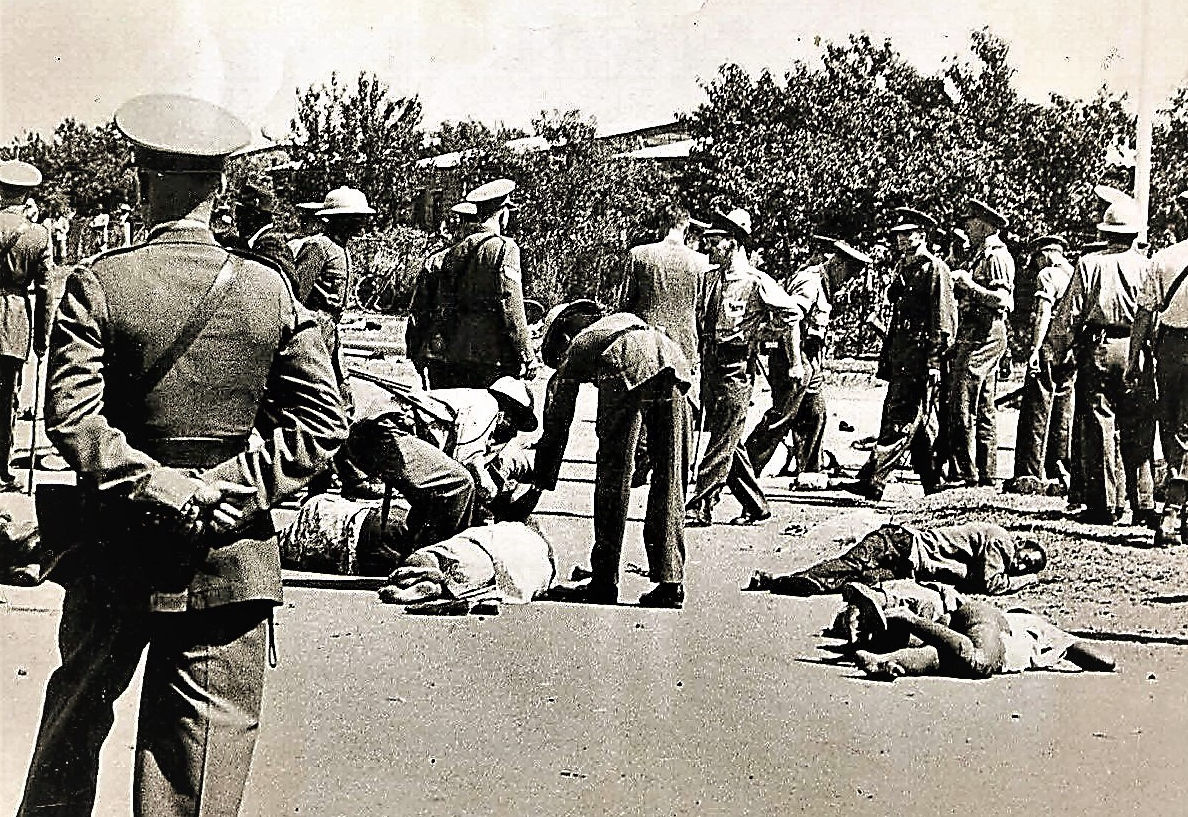
August 3, 1959, marked a turning point in the history of the PAIGC and the broader fight against Portuguese domination in Africa. On that day, dockworkers at the port of Pidjiguiti, Bissau, went on strike. Their demands were simple: higher wages, better working conditions, and respect for their dignity. But the colonial administration saw only a threat.
The response was shockingly brutal: colonial police and Portuguese armed forces opened fire on unarmed workers. Nearly fifty were killed, and dozens injured, their bodies lying on the docks under the relentless sun. For the Guineans, this massacre revealed a tragic truth: the colonizer would never negotiate, and peaceful struggle was no longer sufficient.
For Amílcar Cabral and his comrades, this bloodshed marked the end of illusions. The PAIGC, until then engaged in urban activism, decided to move toward armed struggle. In the following months, cadres began organizing clandestine networks in rural areas where the majority of the population lived. The movement’s rear base was established in Conakry, the capital of independent Guinea under Ahmed Sékou Touré, who offered sanctuary and logistical support to the fighters.
The PAIGC was not alone. Across the Portuguese colonial empire, similar organizations emerged. In Angola, the MPLA (People’s Movement for the Liberation of Angola) escalated attacks against Lisbon. In Mozambique, FRELIMO (Front for the Liberation of Mozambique) arose from the same dynamic. These movements soon realized the need to unite their forces.
In 1961, they created the CONCP (Conference of Nationalist Organizations of the Portuguese Colonies). This Pan-African structure had a dual purpose: to coordinate military and diplomatic strategies and to project internationally the image of a common struggle against one of Europe’s last colonial empires.
The liberation war (1963–1974)
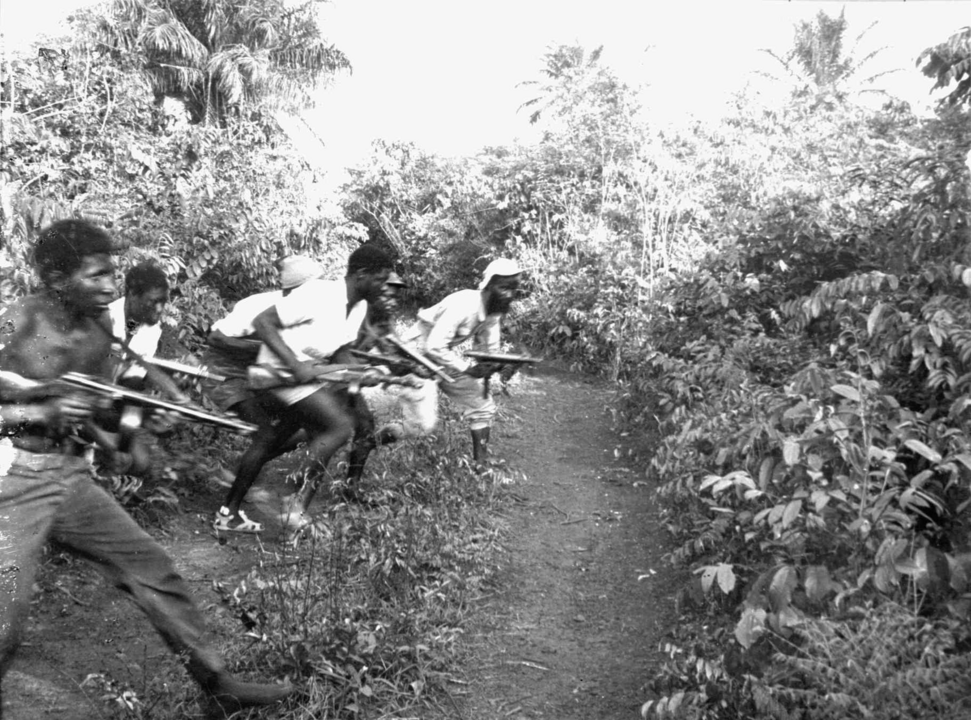
After years of clandestine preparation, the PAIGC officially launched its armed insurrection in 1963. The first attacks targeted isolated Portuguese garrisons in the regions of Tite and Oio, opening a war that would last more than a decade. Facing a better-equipped colonial army, the PAIGC opted for guerrilla warfare: mobility, rural entrenchment, and intimate knowledge of the terrain. Rural zones quickly became bastions of resistance.
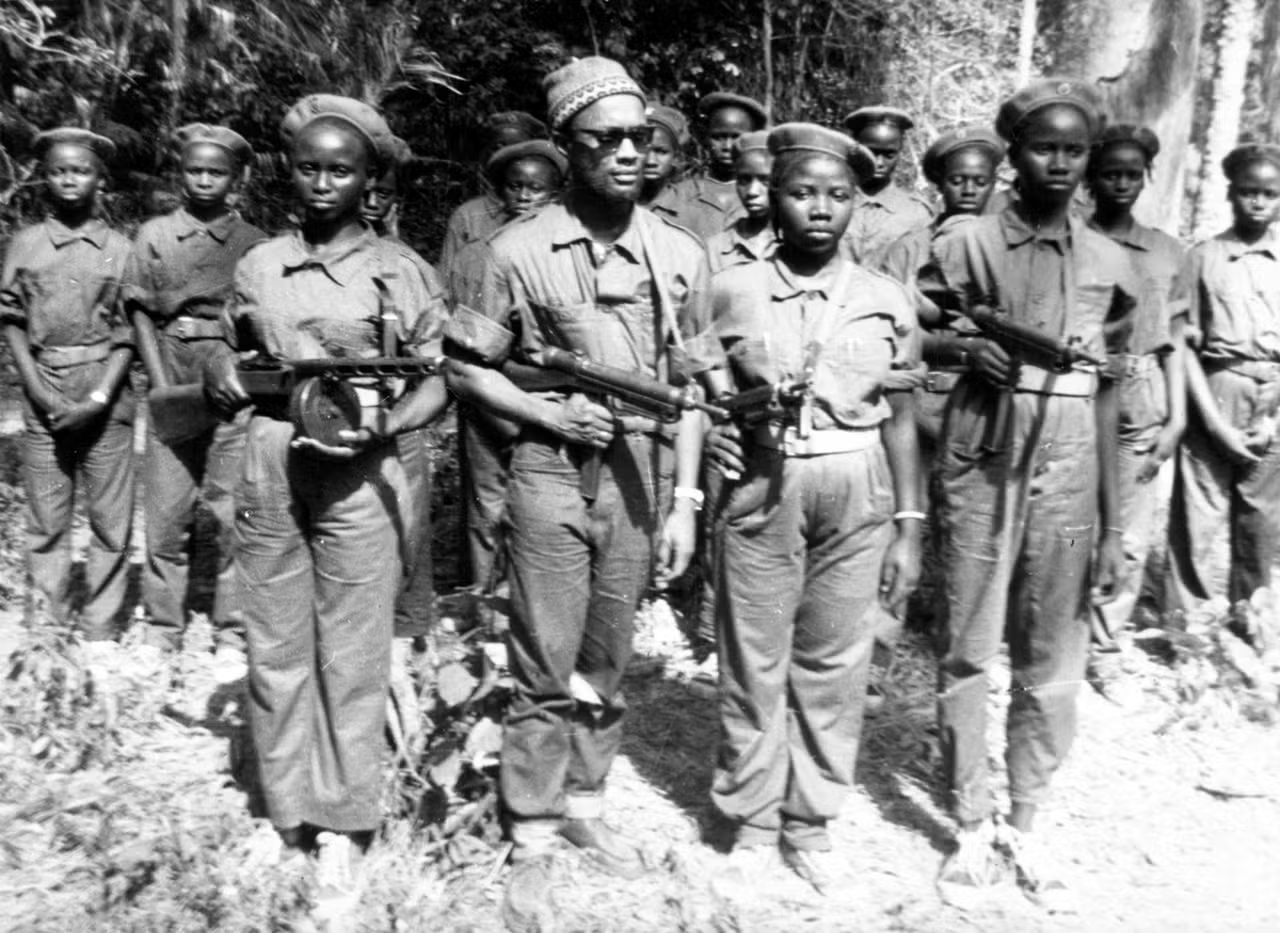
The movement established liberated areas directly administered by its militants, with embryonic state structures: makeshift hospitals, popular courts, agricultural cooperatives. The FARPs (People’s Revolutionary Armed Forces), the military branch of the PAIGC, formed the backbone of this organization. They supervised the population, protected villages, and enforced discipline contrasting sharply with Portuguese arbitrariness.
A decisive factor in the PAIGC’s success was international support. During the Cold War, the movement mobilized solidarity from the socialist camp. Cuba, under Fidel Castro, sent military advisors, doctors, and technicians. The USSR provided heavy weapons, artillery, and logistical assistance. Maoist China supplied equipment and trained fighters. Notably, non-aligned Sweden also contributed via civilian and humanitarian cooperation. This plurality of support allowed the PAIGC to maintain constant pressure on Lisbon.
The war saw major battles. In 1964, the fights around Como Island marked the guerrilla’s first symbolic victory. In the southern Cantanhez region, the PAIGC established a nearly impregnable liberated zone. Offensives in the Quitafine sector demonstrated the fighters’ capacity to inflict serious setbacks on the colonial army. Despite Portuguese superiority in air power and logistics, the terrain—swamps, dense forests, rivers—favored the guerrillas.
Amílcar Cabral always emphasized that the struggle had to be not only military but also political and cultural. In liberated areas, bush schools were opened to teach literacy, African history, and the values of the movement. Women were heavily mobilized through UDEMU (Democratic Union of Women of Guinea and Cape Verde), serving as fighters, nurses, and educators. This engagement gave the PAIGC legitimacy beyond armed confrontation, portraying it as a representative of a new social order.
Internationalizing the struggle
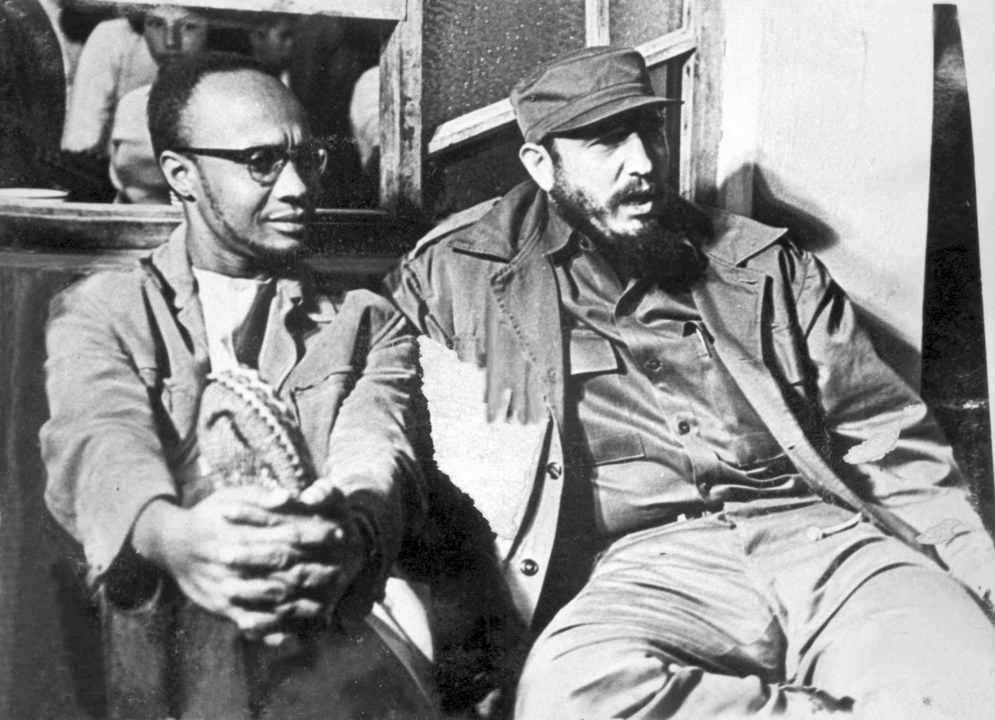
While the guerrilla in Portuguese Guinea was the PAIGC’s beating heart, Cabral understood early on that victory could not come solely from arms. The war had to be waged in the sphere of international diplomacy, where Cold War balances and political legitimacy for liberation movements were determined.
From the early 1960s, Cabral actively participated in Pan-African conferences, notably in Accra and Dar es Salaam, forging close ties with Kwame Nkrumah and Julius Nyerere. But it was at the 1966 Havana Tricontinental Conference that the PAIGC reached global prominence. Alongside representatives from Vietnam, Cuba, and Algeria, Cabral became the spokesperson for African peoples under Portuguese domination. His eloquence, intellectual rigor, and political vision impressed many: he demonstrated that the PAIGC’s struggle was not a local conflict but part of a global anti-imperialist chain.
In the Cold War context, the PAIGC became a showcase for anti-colonial struggle. Supported by the USSR, Cuba, and China, and respected by many non-aligned Third World countries, the party gained international stature, strengthening its legitimacy at the United Nations. Unlike other more divided movements, it appeared disciplined, efficient, and capable of building a new order in liberated zones.
The role of Sékou Touré’s Guinea was decisive. Since 1958, Conakry hosted the PAIGC rear bases. The Guinean territory served as sanctuary, allowing fighters to retreat, train, and receive weapons and aid from abroad. By offering this support, Sékou Touré established himself as a patron of militant Pan-Africanism, and Conakry became a strategic hub for the anti-imperialist struggle.
However, the Guinea–Cape Verde union that animated the PAIGC remained fragile. While armed struggle progressed in Guinea-Bissau, it was impossible in arid, militarily controlled Cape Verde. There, the movement remained clandestine, operating through discreet networks of sympathizers, never triggering an insurrection. This asymmetry between the continent and the archipelago foreshadowed future fractures: two radically different social and geographic realities complicated the federal dream.
The assassination of Cabral (1973)
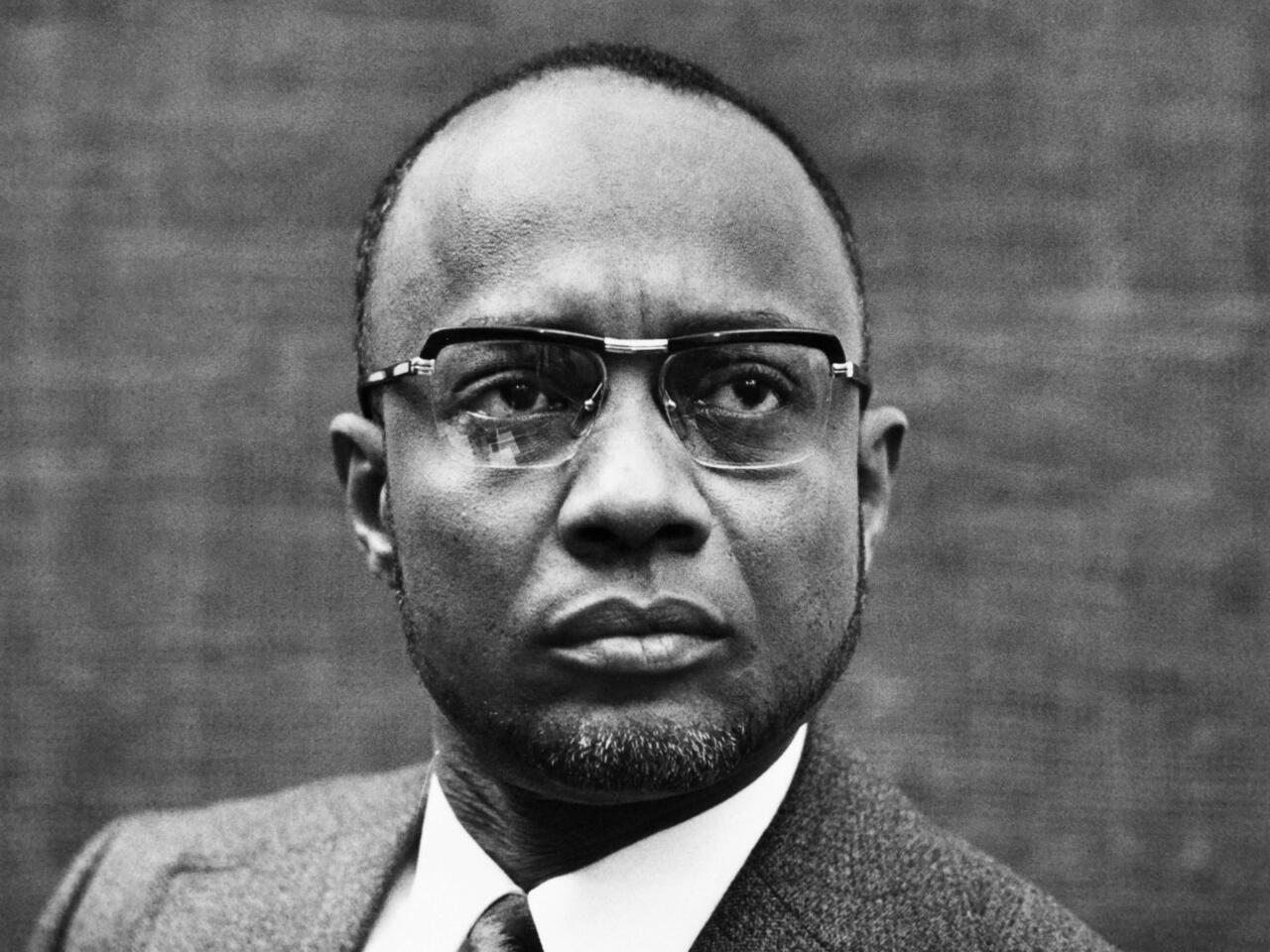
On January 20, 1973, the PAIGC’s trajectory was brutally interrupted by a tragic event: the assassination of Amílcar Cabral in Conakry. Shot outside his home by a commando of Bissau-Guinean dissidents manipulated by Portuguese services, the movement’s founder did not live to see the independence he had so meticulously prepared.
The circumstances of this murder remain murky, but the essentials are clear: Lisbon infiltrated and exploited PAIGC’s internal divisions, stoking ethnic and personal rivalries. The blow was both political and psychological: by eliminating Cabral, the Portuguese hoped to decapitate the movement and shatter its unity.
The loss was immense. Cabral was not only a military leader; he was a visionary intellectual, a political strategist capable of linking armed struggle with deep reflection on culture, identity, and liberation. His charisma, rigor, and ability to dialogue made him respected well beyond Guinea-Bissau and Cape Verde.
For militants, it was a shock comparable to the disappearance of a prophet. He was called an “unfinished prophet,” whose theoretical work—on culture as the cement of liberation and on socialism rooted in African realities—continued to inspire other struggles. His writings and speeches at international conferences were taken up by generations of Pan-African, Afro-descendant, and Third World activists.
Yet the assassination did not halt the PAIGC’s momentum. A few months later, in September 1973, fighters unilaterally proclaimed Guinea-Bissau’s independence in liberated zones, quickly recognized by the UN. Cabral’s shadow hovered over this founding act: his absence paradoxically strengthened his presence, turning him into a martyr of the African cause.
Independence and the frustrated union (1973–1980)
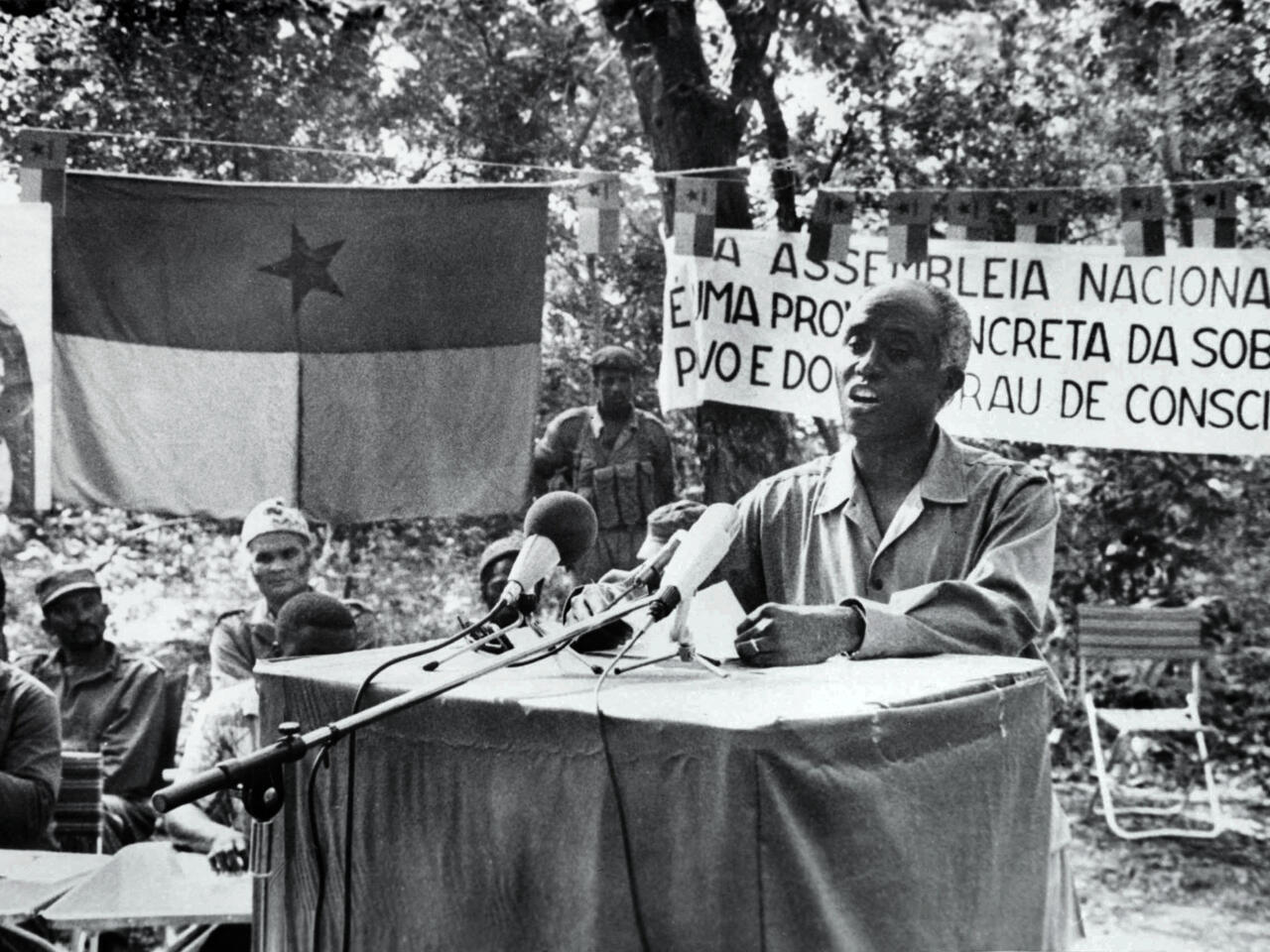
A few months after Cabral’s assassination, the PAIGC took a decisive step. On September 24, 1973, in the small town of Madina do Boé, fighters unilaterally proclaimed Guinea-Bissau’s independence. This act, more symbolic than legal, was nonetheless a diplomatic success: the UN quickly recognized the new state, proving that the PAIGC’s struggle had convinced the international community.
The following year, events accelerated in Europe. In April 1974, Portugal’s Carnation Revolution ended Salazarist dictatorship. The new military regime, exhausted by colonial wars on three fronts (Angola, Mozambique, Guinea-Bissau), chose to withdraw. In September 1974, Guinea-Bissau’s independence was officially recognized. A few months later, in July 1975, Cape Verde gained independence under Aristides Pereira’s leadership.
Cabral’s ideal seemed within reach: uniting Guinea-Bissau and Cape Verde in a single federation, cemented by the PAIGC. Luís Cabral, Amílcar’s brother, became president of Guinea-Bissau, while Aristides Pereira led Cape Verde. Both countries shared the same partisan institutions and aimed to embody a model of African socialism based on one-party rule, economic planning, and worker solidarity.
In practice, the situation was more complex. Guinea-Bissau emerged from eleven years of war exhausted, with a devastated rural economy, a nearly absent colonial administration, and an overpowered army. Cape Verde, meanwhile, had not experienced war but suffered from chronic drought and insular isolation, making the union difficult. This deep asymmetry undermined the federal project from the start.
The rupture came in November 1980. In Bissau, a military coup led by João Bernardo Vieira overthrew Luís Cabral. Vieira, backed by part of the army, accused the government of favoring Cape Verdeans over Bissau-Guineans. The federal project collapsed: the PAIGC split into two distinct entities, the PAIGC for Guinea-Bissau and the PAICV (African Party for the Independence of Cape Verde) for the archipelago.
This fracture ended the utopia of a binational nation envisioned by Cabral. It revealed the limits of a top-down model where ideological solidarity could not overcome social, economic, and identity realities. The PAIGC, victorious militarily against Portugal, now faced the contradictions of governance.
Post-Colonial legacies and contradictions
Independence did not mark the end of challenges for the PAIGC’s heirs. On the contrary, post-1974 exposed the magnitude of state-building challenges in two radically different contexts: Guinea-Bissau, with chronic instability, and Cape Verde, with a more peaceful transition.
In Guinea-Bissau, the PAIGC’s prestige was insufficient to ensure stability. From the 1980s onward, the country was mired in coups, internal purges, and armed conflicts. Ethnic tensions, army hegemony, and fragile institutions plunged the state into near-permanent instability. In the 1990s, a civil war devastated the country and worsened structural poverty. Yet, despite these crises, the PAIGC remained a dominant political force, able to retain power through coalitions, elections, or fragile compromises. Its legitimacy, forged in the liberation struggle, gradually eroded through corruption, nepotism, and loss of public trust.
In contrast, Cape Verde experienced a more balanced fate. The PAICV, PAIGC’s direct successor, established a socialist one-party system in the early years of independence before yielding to a pluralistic democracy in the early 1990s. The archipelago distinguished itself by political stability, relatively effective governance, and social progress, contrasting sharply with Guinea-Bissau’s turmoil. The PAICV remains a central political party, alternating in power with other parties within a recognized democratic framework considered among Africa’s most robust.
Ideologically, the PAIGC’s legacy is dual. On one hand, it embodies the memory of Pan-Africanism and African socialism, nourished by Cabral’s experience and popular mobilization. On the other, it carries the marks of authoritarian centralism, one-party temptation, and failure to transform revolutionary legitimacy into enduring democratic institutions. This ambivalence lies at the heart of post-colonial Guinea-Bissau and Cape Verdean history.
Finally, the legacy is also symbolic. Amílcar Cabral remains celebrated far beyond Guinea-Bissau and Cape Verde: a continental hero and thinker of liberation, invoked in African and diasporic struggles as a model of rigor and political vision. The PAIGC’s female fighters, often overlooked in national narratives, embody the memory of egalitarian engagement: nurses, educators, or armed fighters remind us that the liberation war was also a school of emancipation for African women.
The PAIGC today
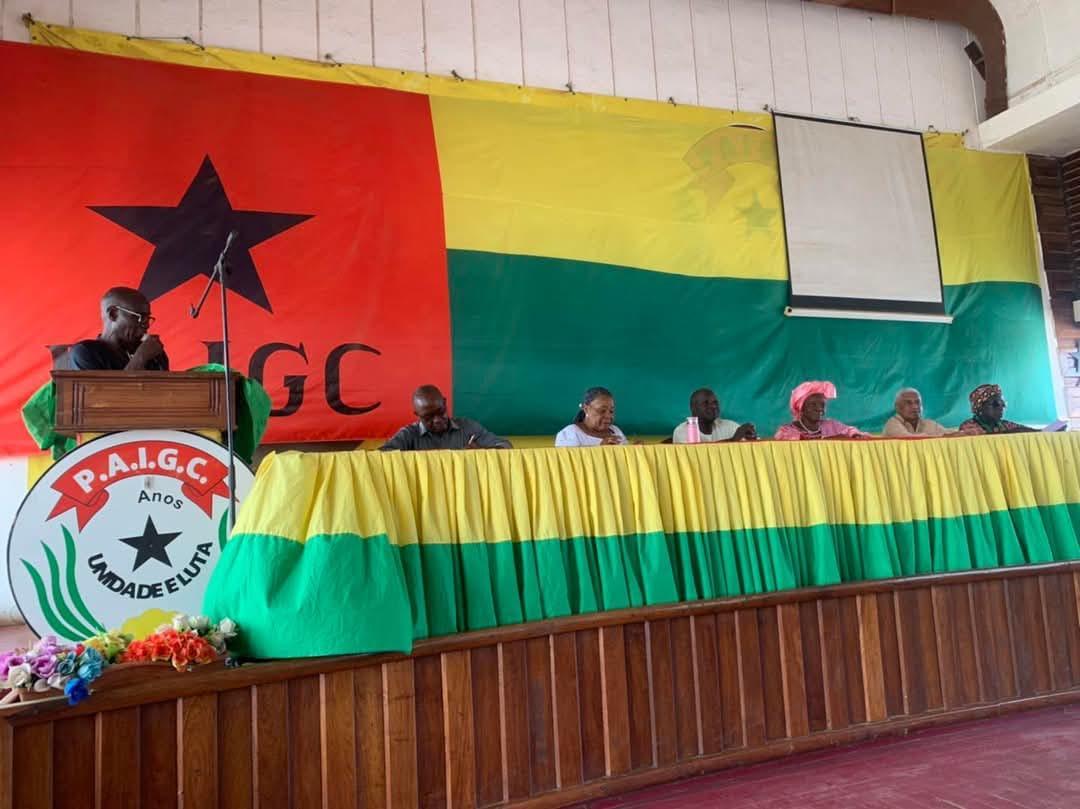
Over half a century after independence, the PAIGC continues to occupy a central place in Guinea-Bissau’s political life. Despite a fragile democracy, undermined by military coups, foreign interference, and endemic corruption, the party remains a key actor. It alternates power with its political adversaries, sometimes weakened, but never erased. This resilience stems from the depth of its historical roots: it remains the party of liberation, the one that embodied the hope of an entire people.
The cult of Cabral lies at the heart of this memory. In the streets of Bissau and in official speeches, his face and words recall the tutelary figure of the movement. Every year, on January 20, the date of his assassination, ceremonies honor his memory. Statues, stamps, and public squares bear his name, transforming Cabral into a founding hero of the nation and a moral reference in a political class often discredited.
The PAIGC’s slogan, “Unidade e Luta” (“Unity and Struggle”), continues to be invoked in contemporary rhetoric. It expresses both fidelity to the revolutionary spirit and an attempt to rally a deeply divided country. But it also reveals the gap between the idealism of the 1960s and the current realities of a state plagued by poverty and instability.
Beyond national borders, the PAIGC and its legacy hold a significant place in the identity debates of the Cape Verdean and Bissau-Guinean diaspora. For many, Cabral and the party remain symbols of unity, dignity, and resistance to oppression. For others, they also embody the excesses of one-party rule and unfulfilled promises of a better future. Among Afro-descendant intellectual circles, the PAIGC is cited both as a model of popular struggle and as a political experience from which lessons must be drawn.
The epic of a party, the myth of a free Africa
The history of the PAIGC reads like a true epic of African decolonization. Born in clandestinity in 1956, it became in less than twenty years one of the most structured and effective movements on the continent. By combining Amílcar Cabral’s intellectual rigor, the strength of popular guerrilla forces, and an international diplomatic network, the party succeeded where many others failed: forcing one of the last European colonial empires to yield.
Yet behind the grandeur of the myth lies ambivalence. National emancipation was undeniable: Guinea-Bissau and Cape Verde owe their independence to the PAIGC. Yet the dreamed unity—a binational federation, symbol of Cabralian Pan-Africanism—collapsed in 1980, victim of social realities and political rivalries. The legacy was also contradictory: exaltation of African dignity and popular socialism on one hand, authoritarian excesses, centralism, and chronic instability on the other.
The PAIGC’s epic embodies the triumphs and limits of twentieth-century African utopias. Triumph, because it shows the ability of peoples considered “peripheral” to reverse the course of colonial history by sheer will. Limits, because military and symbolic victory alone could not guarantee prosperity or political stability.
Even today, Cabral’s name, guerrilla songs, and the slogan “Unidade e Luta” resonate as reminders of a time when Africa dreamed of complete unity and freedom. The PAIGC has entered collective memory: a founding myth of a free Africa, but also a lesson in vigilance about the fragilities that threaten any utopia when confronted with reality.
Sources
- Cabral, Amílcar. Unity and Struggle: Speeches and Writings of Amílcar Cabral. New York: Monthly Review Press, 1979.
- Chabal, Patrick. Amílcar Cabral: Revolutionary Leadership and People’s War. Cambridge: Cambridge University Press, 1983.
- Rudebeck, Lars. Guinea-Bissau: A Study of Political Mobilization. Uppsala: Scandinavian Institute of African Studies, 1974.
- Davidson, Basil. No Fist Is Big Enough to Hide the Sky: The Liberation of Guinea-Bissau and Cape Verde. London: Zed Books, 1981.
- Mendy, Peter Karibe. Amílcar Cabral: A Nationalist and Pan-Africanist Revolutionary. Athens, OH: Ohio University Press, 2019.
- Chilcote, Ronald H. Amílcar Cabral’s Revolutionary Theory and Practice. Boulder, CO: Lynne Rienner Publishers, 1991.
- Forrest, Joshua. Guinea-Bissau: Power, Conflict, and Renewal in a West African Nation. Boulder: Westview Press, 1992.
- Galli, Rosemary E., and Jocelyn Jones. Guinea-Bissau: Politics, Economics and Society. London: Frances Pinter, 1987.
- MacQueen, Norrie. The Decolonization of Portuguese Africa: Metropolitan Revolution and the Dissolution of Empire. London: Longman, 1997.
- Havik, Philip J. Silences and Soundbites: The Gendered Dynamics of Trade and Brokerage in the Pre-Colonial and Colonial Guinea-Bissau. Münster: LIT Verlag, 2004.
- Chilcote, Ronald H. Emerging Nationalism in Portuguese Africa: Documents. Stanford, CA: Hoover Institution Press, 1972.
- Mark, Peter, and José da Silva Horta. The Forgotten Diaspora: Jewish Communities in West Africa and the Making of the Atlantic World. Cambridge: Cambridge University Press, 2011.
Table of Contents
One Party, Two Lands, One Pan-African Utopia
From Agronomist Intellectual to National Cause
The Pidjiguiti Massacre (1959)
The War of Liberation (1963–1974)
The Internationalization of the Struggle
The Assassination of Cabral (1973)
Independence and the Thwarted Union (1973–1980)
Post-Colonial Legacies and Contradictions
The PAIGC Today
The Epic of a Party, the Myth of a Free Africa
Sources


