

In the eighteenth and nineteenth centuries, the Great Dismal Swamp, a marshland located between Virginia and North Carolina, sheltered entire communities of fugitive slaves. In a hostile environment, they built an autonomous society, symbol of an African American resistance little known yet essential to the history of the diaspora.
Between Virginia and North Carolina stretches a dense marshland area, long feared for its unhealthiness and inaccessibility: the Great Dismal Swamp. It was there, in the eighteenth and nineteenth centuries, that thousands of Black men and women fleeing slavery found refuge. In this hostile environment, these fugitives (called maroons) built, generation after generation, true autonomous communities.
Their history, long marginalized in American historiography, nevertheless illustrates one of the most radical forms of resistance to slavery. Like the maroons of Jamaica or Suriname, those of the Great Dismal Swamp remind us that freedom was conquered by the enslaved themselves, often well before official abolition.
The Great Dismal Swamp, sanctuary of maroon freedom
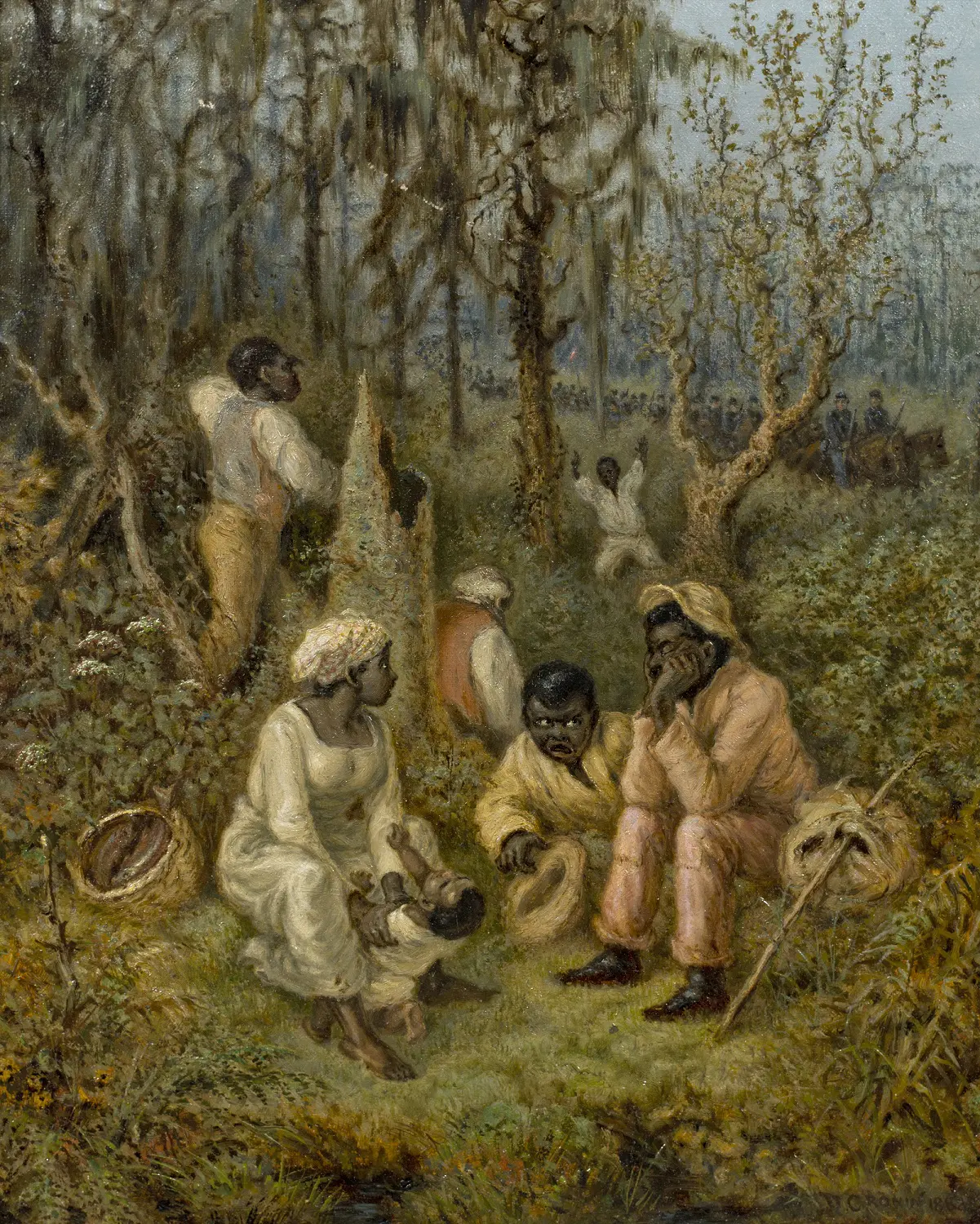
In the seventeenth century, Virginia became the first English colony to massively develop tobacco cultivation. This economy relied on servitude, first of poor Europeans (indentured servants), then progressively of Africans reduced to slavery.
In 1619, the arrival of the “twenty and odd Negroes” in Jamestown marked the official beginning of African slavery in the Thirteen Colonies. From the 1660s onward, colonial legislation established hereditary slavery, linking the condition of children to that of the mother.
In the eighteenth century, slavery became a pillar of the colonial economy, from the plantations of Virginia to those of the Carolinas. But faced with this oppression, many enslaved people chose flight. These maroons sought to survive in forests, mountains, or marshes, spaces considered impassable by colonists.
It was in this context that the Great Dismal Swamp became one of the largest centers of marronage in the United States.
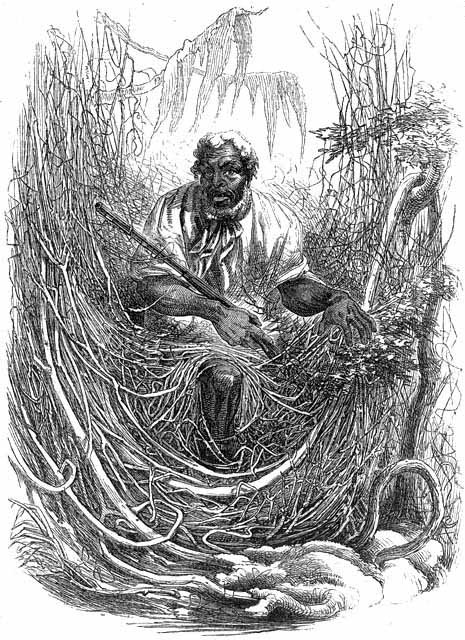
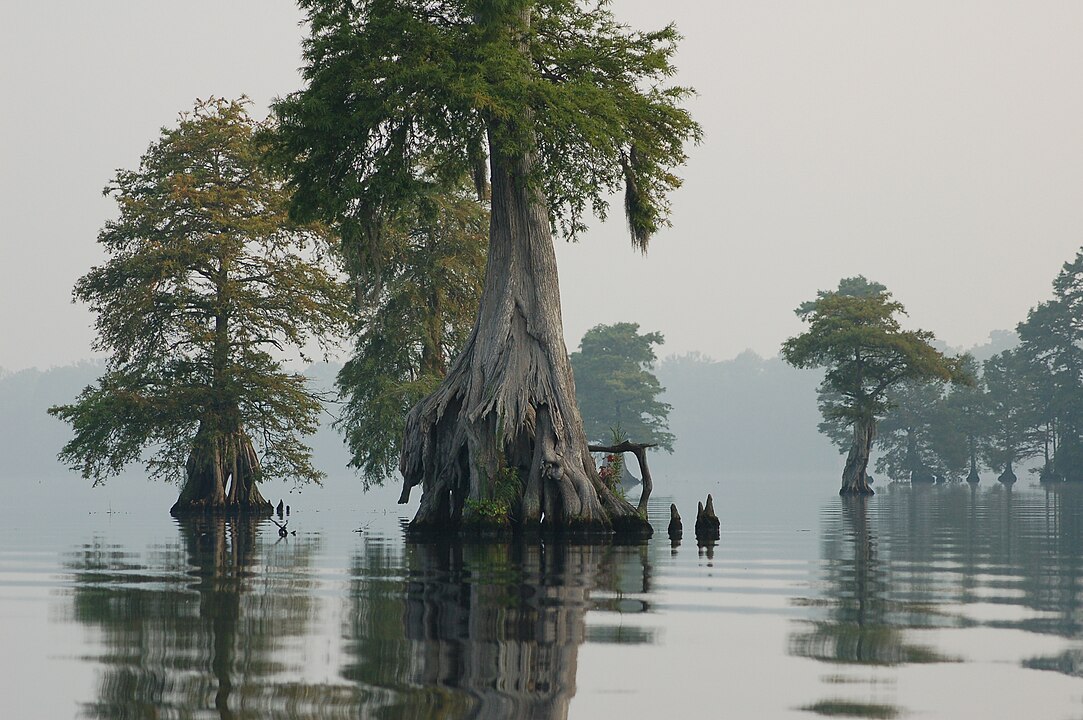
The Great Dismal Swamp covered, in the colonial era, nearly one million acres between Virginia and North Carolina. Today reduced to a fraction of its original size, it remains a dense wetland, covered with flooded forests, canals, and peat bogs.
This environment was feared by colonists:
disease-carrying mosquitoes,
venomous snakes,
black bears,
marshy ground difficult to traverse.
But for fugitives, these constraints constituted a natural barrier against slave patrols. The more dangerous the swamp was for the white man, the more protective it became for the Black man.
Mesic islands (small elevated areas) made it possible to build huts, cultivate some crops, and store wood. The maroons also used ecological knowledge inherited from the Nansemond and Tuscarora Native Americans, who knew this territory intimately.


The first massive escapes to the swamp appeared in the eighteenth century, parallel to the rise of tobacco and cotton plantations in the region.
The maroons gathered in dispersed communities, sometimes composed of entire families. Archaeological excavations conducted by historian Dan Sayers (2002–2011) revealed traces of wooden huts, rudimentary tools, and ceramics, attesting to a stable domestic life.
Agriculture: corn, beans, sweet potatoes cultivated in cleared areas.
Hunting and fishing: deer, birds, fish, and turtles.
Gathering: berries, roots, nuts.
The maroons maintained ambivalent ties with the outside world:
Barter: wooden shingles and swamp products exchanged for food, clothing, or tools.
Complicity: some colonists or timber workers tolerated their presence in exchange for clandestine labor.
Risks: punitive expeditions by slave militias, laws strengthening repression (North Carolina, 1847).
Demographically, estimates vary. Historian Herbert Aptheker (1939) mentioned several thousand people; Sayers’ research confirms the presence of communities over several generations.nfirment la présence de communautés sur plusieurs générations.

The marronage of the Great Dismal Swamp was not merely an escape: it was a strategy of resistance. By refusing the slave order, these men and women proved that an autonomous life was possible.
But this fragile freedom was constantly threatened:
In 1823, an armed expedition with dogs was organized to track down the maroons.
In 1847, a North Carolina law authorized military repression in the swamp.
Captured maroons were executed or sent back into slavery, sometimes accused of looting.
Despite these persecutions, the community survived. For nearly two centuries, the Great Dismal Swamp remained a zone of continuous refuge, proof of the resilience of the maroons.
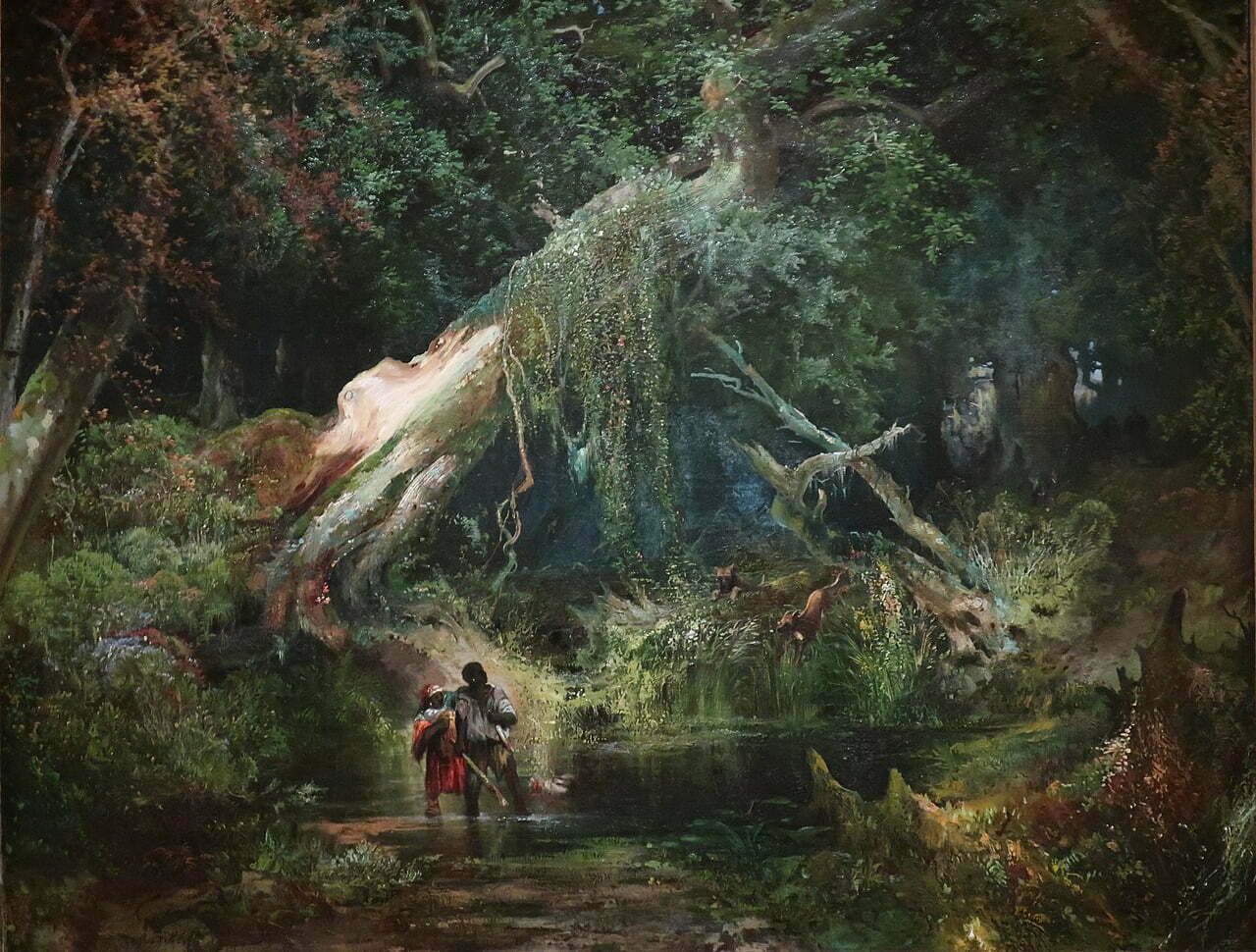
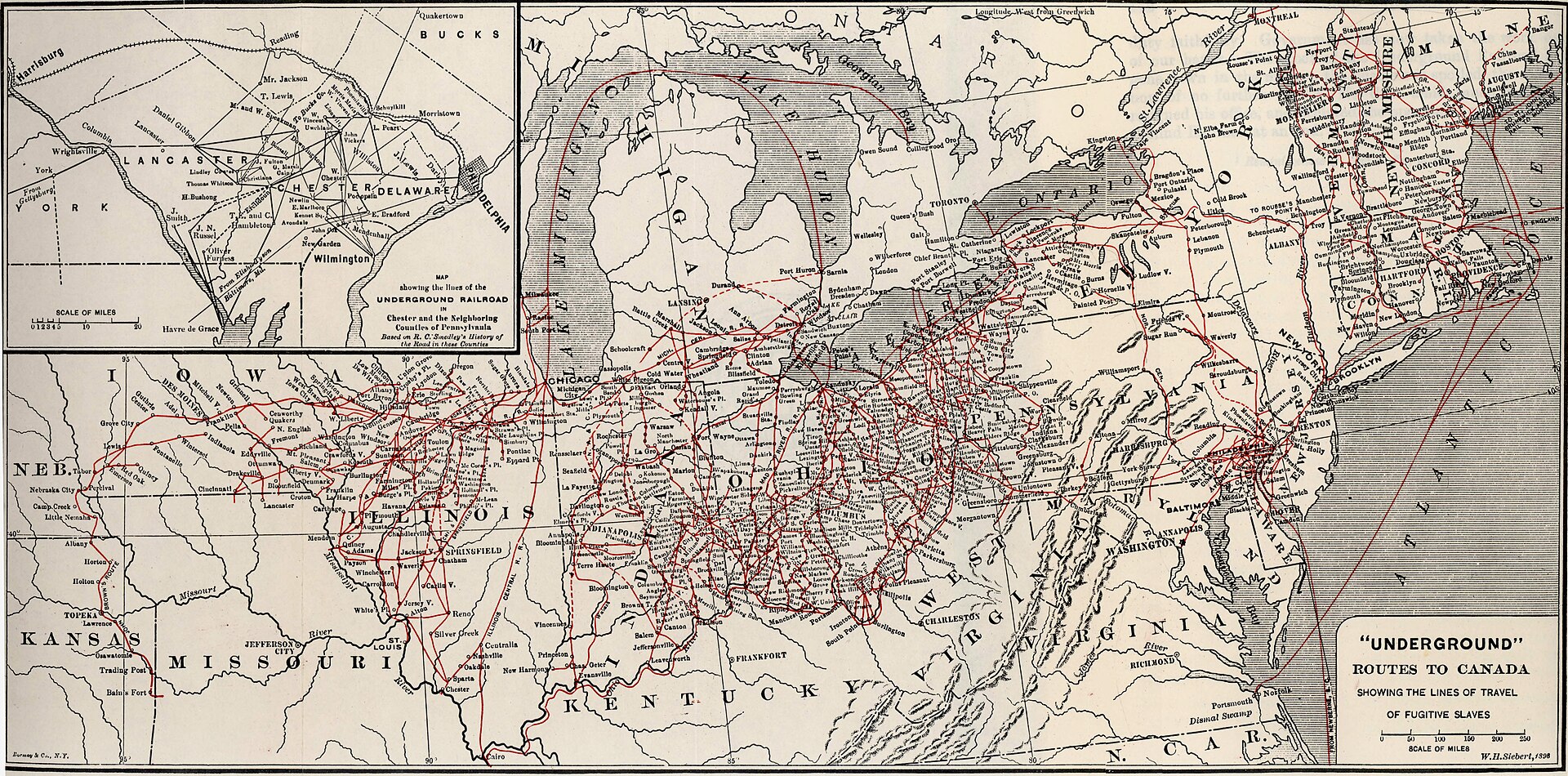
The Great Dismal Swamp was not only a refuge: it was also a relay point for enslaved people seeking to reach the North via the Underground Railroad.
Thanks to its canals and its geographical position, the swamp constituted a strategic stop to reach abolitionist networks in Virginia or the Carolinas. Some fugitives remained in the swamp, others merely passed through before continuing their journey.
In the nineteenth century, several generations were born and lived without ever knowing the plantation. These children embodied a parallel society, free by essence, despite precarity and isolation.
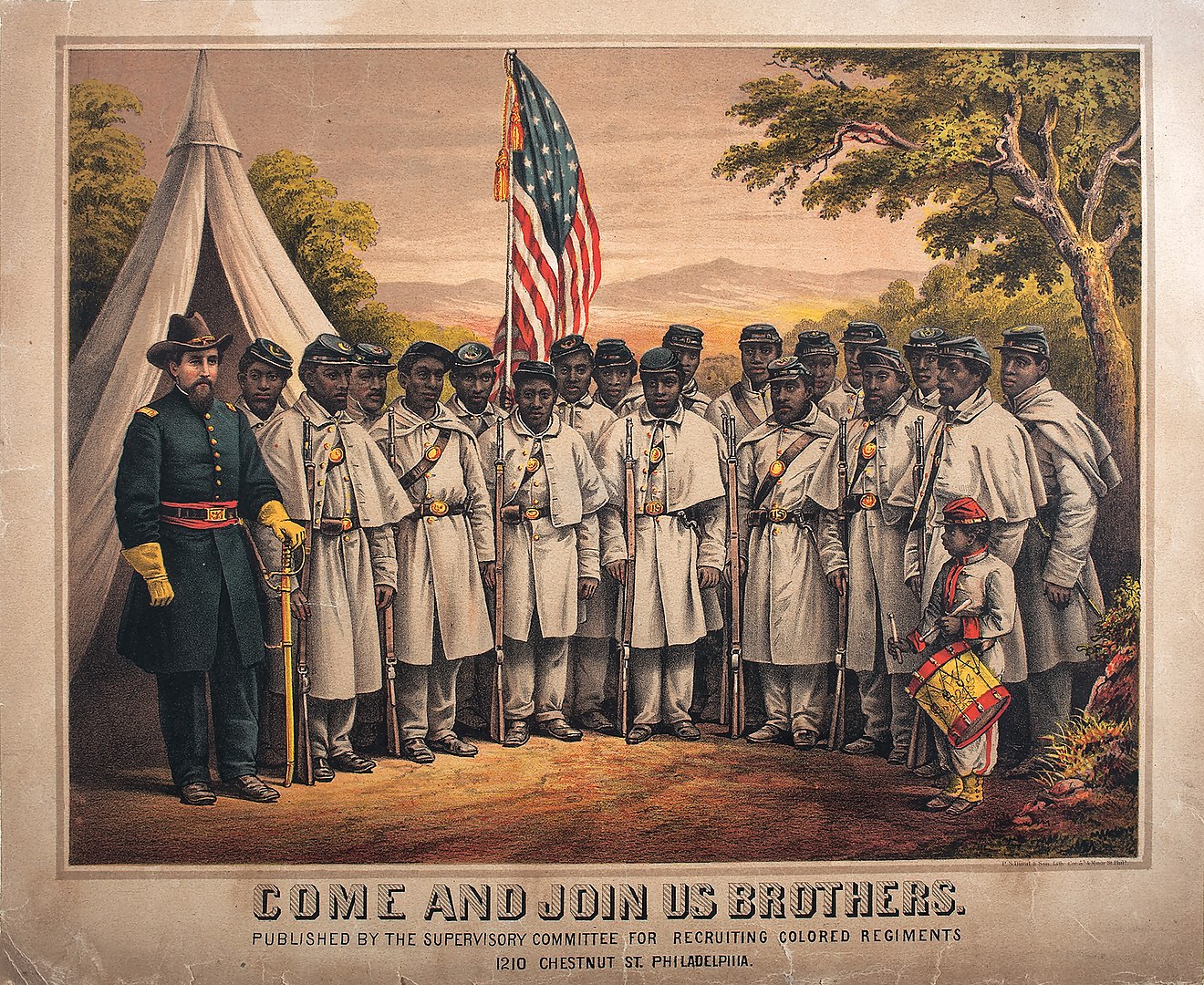
With the Civil War (1861–1865), the fate of the maroons of the Great Dismal Swamp shifted. The advance of Union troops and Lincoln’s Emancipation Proclamation (1863) accelerated the disintegration of the slave system.
The last maroons then joined the United States Colored Troops, regiments of Black soldiers engaged in the Union army. The swamp gradually ceased to be a clandestine refuge and became a territory of memory.
The Great Dismal Swamp represents one of the largest centers of marronage in the United States, comparable to the maroon communities of Jamaica or Suriname.
It embodies:
Active resistance: refusing the slave order through flight and the creation of an alternative society.
Black autonomy: a life based on hunting, agriculture, and solidarity.
Diasporic memory: these communities remind us that freedom was not only granted by white abolitionists, but conquered by the enslaved themselves.
From marshes to memory
The Maroons of the Great Dismal Swamp constitute an essential chapter of African American history. In a hostile environment, they built a free, independent, and resilient society, defying the slave system for nearly two centuries.
Though their existence was long unknown, it is now being rediscovered thanks to archaeological research, literary works, and the heritage preservation of the swamp. Their history reminds us that freedom, even in the worst conditions, is a collective conquest and an affirmation of humanity.
The Great Dismal Swamp is now a sanctuary of memory and nature, a universal symbol of the struggle against oppression and of the capacity of enslaved peoples to create their own path toward emancipation.
References
Harriet Beecher Stowe (1856). Dred: A Tale of the Great Dismal Swamp.
Cronin, David Edward (1888). Fugitive Slaves in the Dismal Swamp.
Herbert Aptheker (1939). Maroons Within the Present Limits of the United States. The Journal of Negro History, 24(2), 167–184.
Sayers, Daniel O. (2014). A Desolate Place for a Defiant People: The Archaeology of Maroons, Indigenous Americans, and Enslaved Laborers in the Great Dismal Swamp. Gainesville: University Press of Florida.
Diouf, Sylviane A. (2014). Slavery’s Exiles: The Story of the American Maroons. New York: NYU Press.
Berlin, Ira (1998). Many Thousands Gone: The First Two Centuries of Slavery in North America. Cambridge: Harvard University Press.
U.S. Fish & Wildlife Service – Great Dismal Swamp National Wildlife Refuge.
National Park Service (NPS) – African American Heritage & the Great Dismal Swamp.
Summary
The Great Dismal Swamp, sanctuary of maroon freedom
From marshes to memory
References

