
These racist theories, which have since been debunked, were once popular and accepted ideologies that supported negrophobic perceptions. These theories were used to justify the mistreatment and enslavement of Black people on a mental, emotional, and physical level. Even today, traces of these racist theories can still be found in how Black people are perceived.
1° Drapetomania
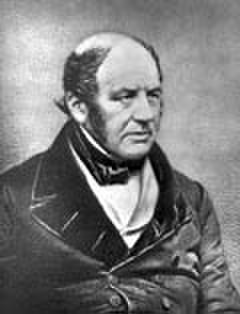
This term was coined by early 19th-century American physician Samuel A. Cartwright to explain the mental illness that allegedly caused some enslaved Black people to flee. According to Cartwright, Black people were naturally submissive and better off under the control of white masters. He believed that those who attempted to escape must be suffering from a mental disorder that could be cured by “whipping the devil out of them.” Cartwright also claimed that drapetomania could be prevented by treating enslaved Black people like children “with care, kindness, attention, and humanity.”
2° The bell curve theory
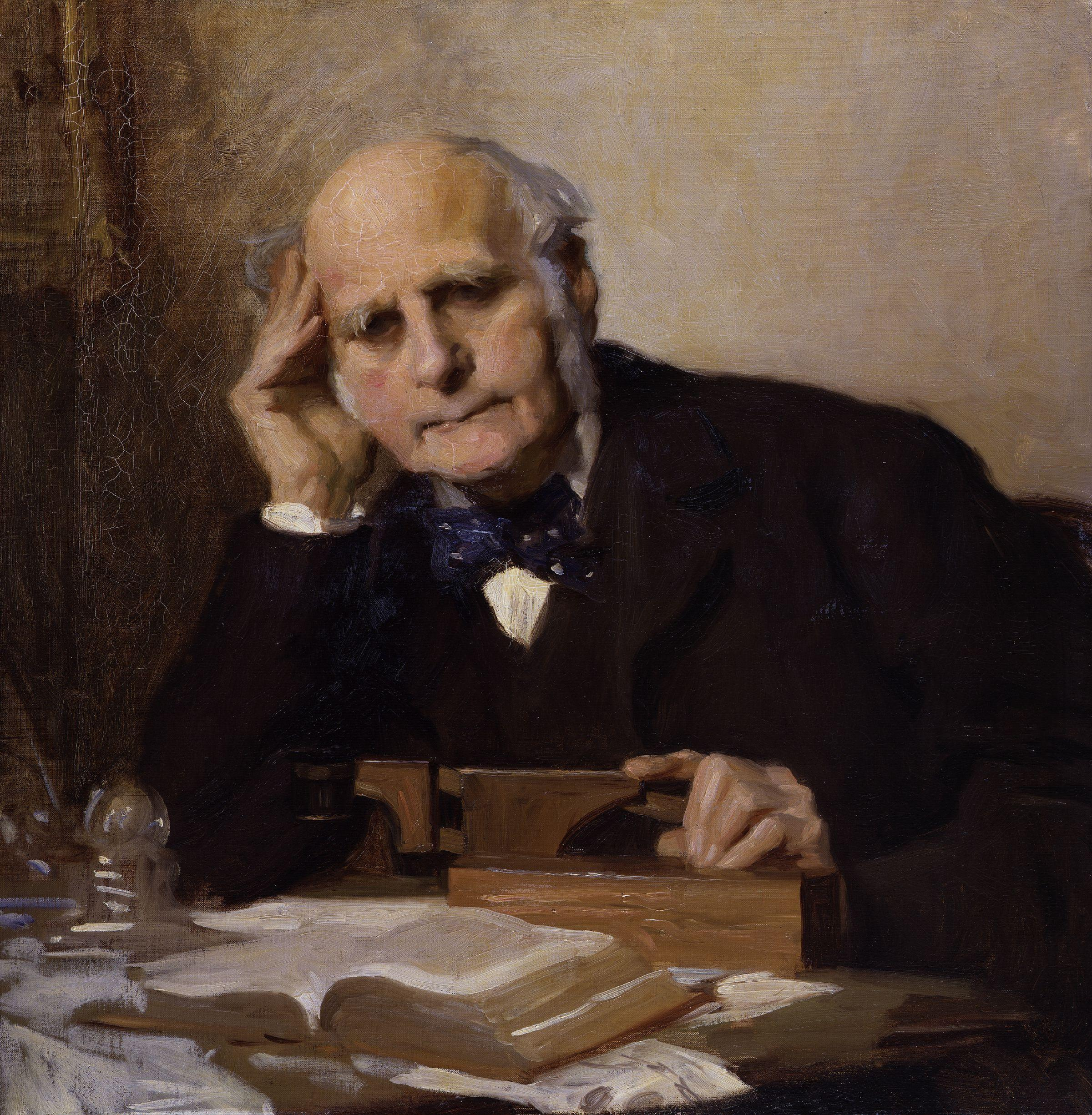
Sir Francis Galton’s theory aimed to classify the mental abilities of different ethnic groups. He concluded that people of African descent were twice as inferior as Europeans, and that Australian Aboriginal people ranked lowest. He published his theory in the chapter titled “The Comparative Worth of Different Races” in his 1869 book Hereditary Genius.
3° Original Humans
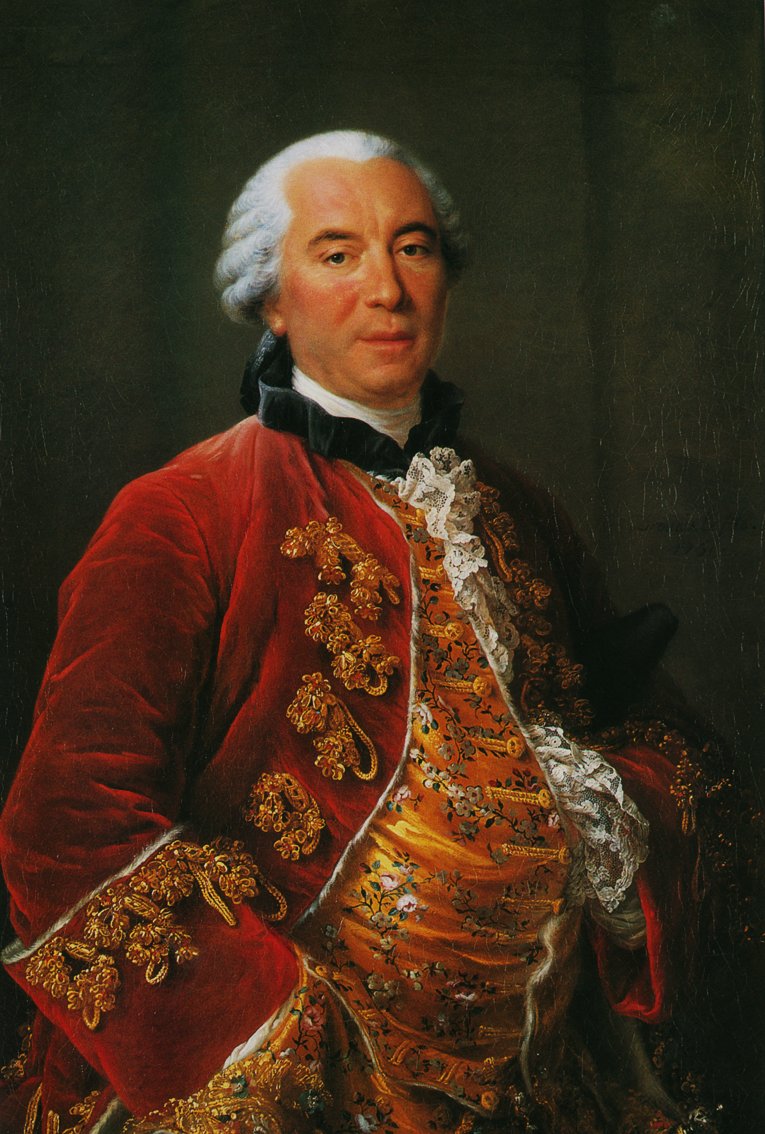
Georges-Louis Leclerc, Comte de Buffon, an 18th-century French aristocrat and naturalist, theorized that Nordic Caucasians were the first human beings. He wrote that people with darker skin became so after migrating to warmer climates. His theories also contributed to the creation of a racial hierarchy based on skin color. One of his followers, Johann Friedrich Blumenbach, later created a scale ranking races according to their distance from Europeans. Blumenbach believed that the Caucasus region was home to the most beautiful women and the natural birthplace of humanity.
4° The scale of creatures
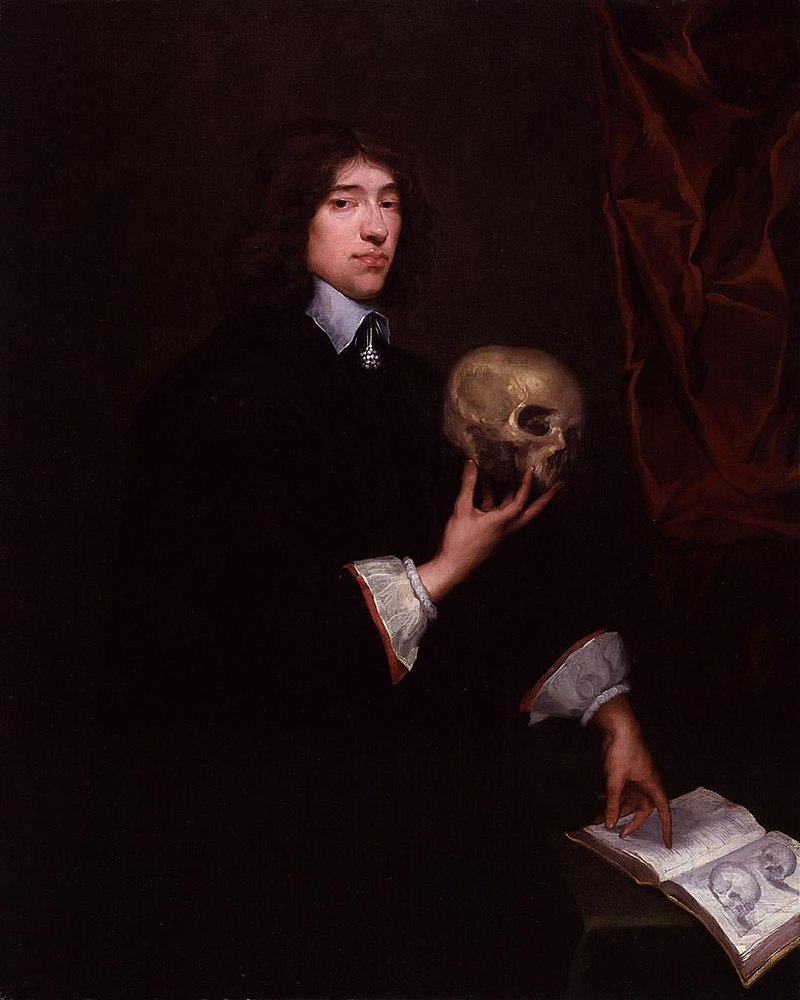
Sir William Petty gained recognition in the 17th century, and his hierarchical theory played a role in justifying the transatlantic slave trade. His manuscript, Scale of Creatures, claimed that there was a God-created hierarchical pyramid, with Caucasians at the top and inferior creatures such as worms at the bottom. According to his scale, humanity descended from “average Europeans” to “Negroes of Guinea” and the inhabitants of the Cape of Good Hope, who were described as “the most bestial of all souls” and closest to apes and other lower creatures.
5° Hypersexualized black women
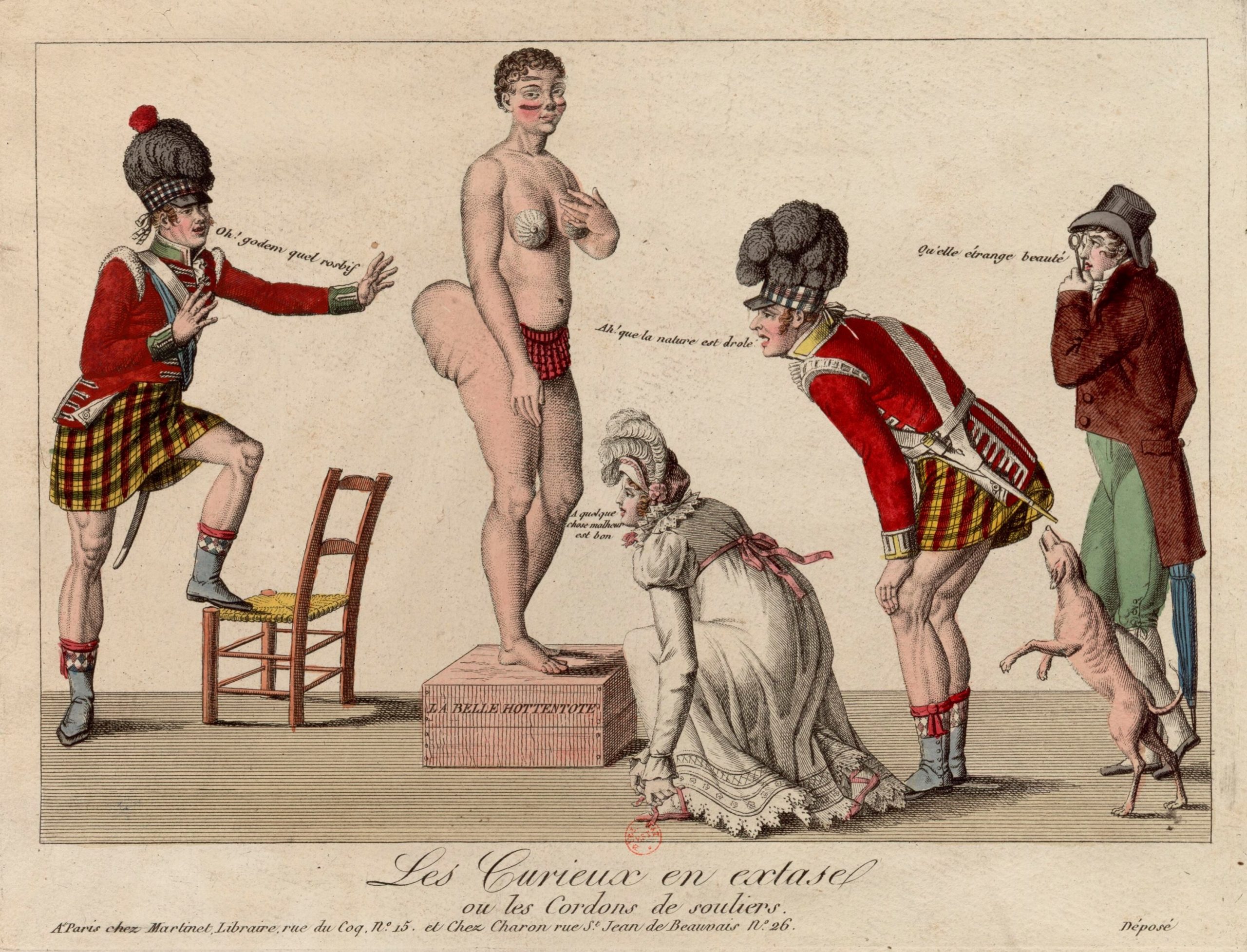
In the early 19th century, Sarah “Saartjie” Baartman was a Black Khoikhoi woman whose body was exploited and exhibited to paying European audiences. She and other Khoikhoi women were presented as the “Hottentot Venus,” a term that became the basis of the theory that Black women were hypersexual and had wider birth canals.
Naturalists such as Henri de Blainville and Georges Cuvier believed that Baartman’s elongated labia were scientific proof that African women had naturally larger birth canals, allowing them to give birth easily. This theory was later adopted by white slaveholders in the New World, who used it to justify forcing Black women to work during pregnancy and sending them back to labor immediately after childbirth.
6° Black women are less attractive

In 2011, psychologist Satoshi Kanazawa published a blog post on the website Psychology Today in which he claimed that Black women were “far less attractive than white, Asian, and Native American women.” He based his conclusions on a website that asked users to rate randomly selected photos of women. Without evidence regarding sample size or scientific rigor, Kanazawa continued to assert that his findings showed that Black women were “objectively” less attractive. He hypothesized that Black women were perceived as less attractive due to higher testosterone levels and more “masculine” features. No evidence supported his claims, and the blog post was eventually removed.
7° Negroism
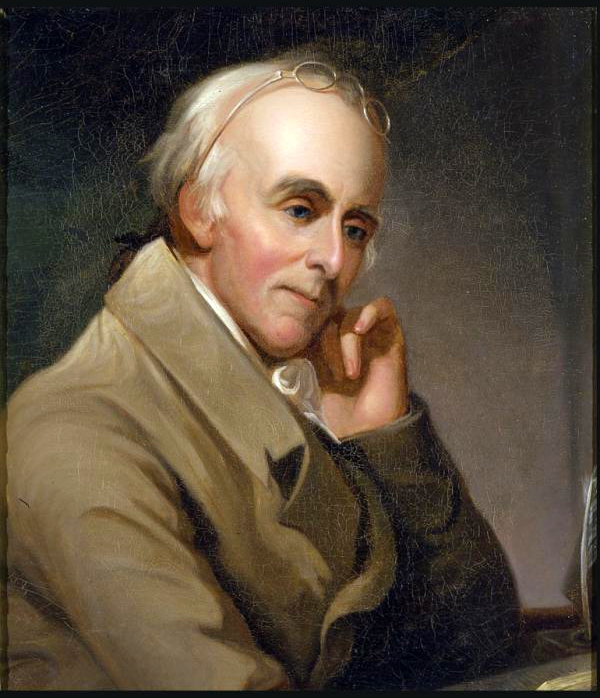
Benjamin Rush, an 18th-century physician, used this term to describe dark skin as a curable disease supposedly affecting all Black people. As “evidence,” Rush cited a Black enslaved man named Henry Moss who had patches of white skin. Rush’s theory also discouraged interracial relationships, claiming that children would inherit this fabricated disease.
8° Racial hygiene (Rassenhygiene)
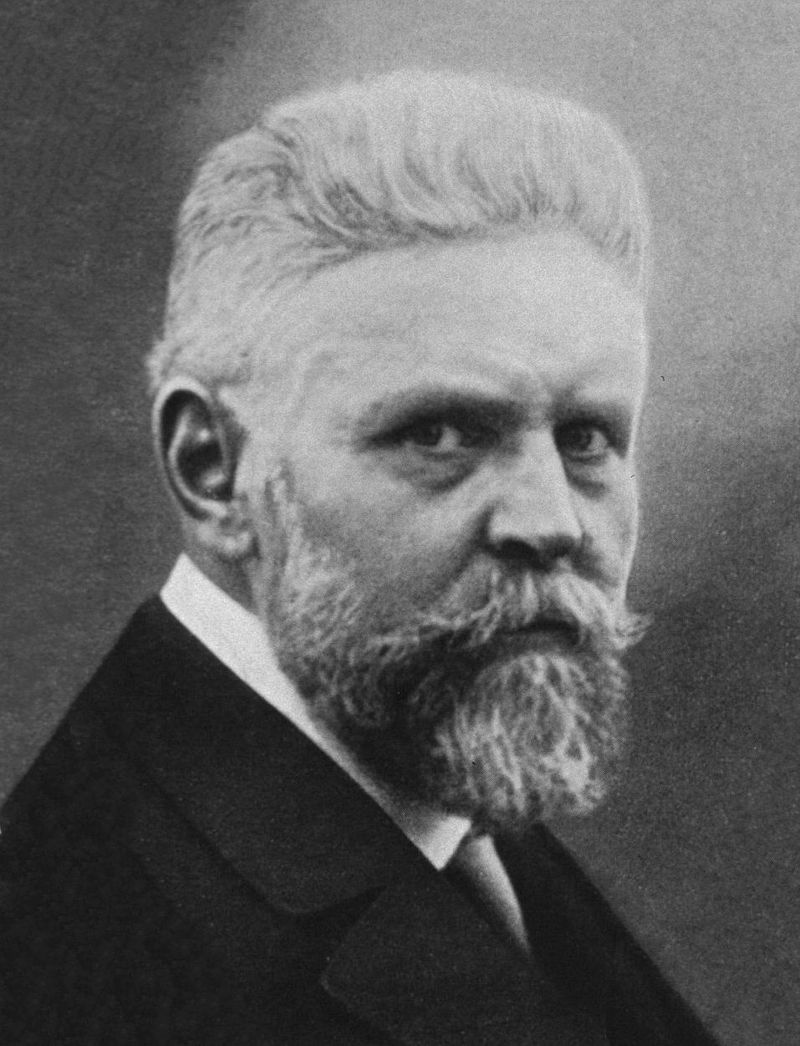
Alfred Ploetz’s theory of Rassenhygiene made him a prominent eugenicist, particularly among the Nazis. In 1936, Adolf Hitler granted him a professorship. His book, The Efficiency of Our Race and the Protection of the Weak, promoted the idea of a superior Aryan race and argued that racial mixing ruined society. Ploetz believed that preserving the Aryan race required selective breeding, the killing of disabled children, and the prohibition of interracial relationships.
9° Racial Purity
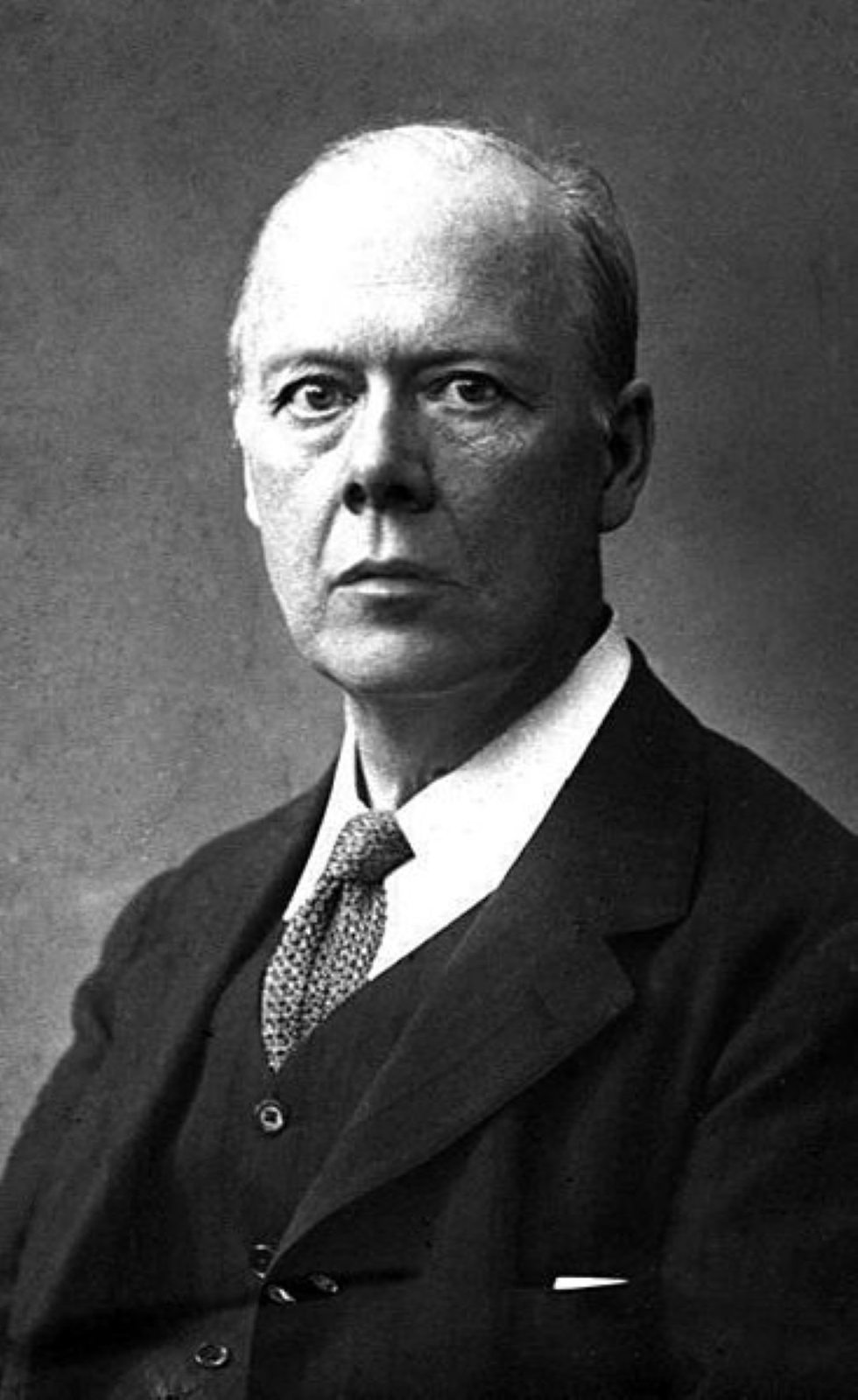
Houston Stewart Chamberlain was a German author whose book The Foundations of the Nineteenth Century had a major influence on Hitler and the Nazi Party. Chamberlain argued that Jews, being a mixed race, prevented the purity of the Aryan race. He also believed that restoring purity required elimination. Chamberlain described Jews as a subgroup of “Black” people.
10° The Hamitic Myth
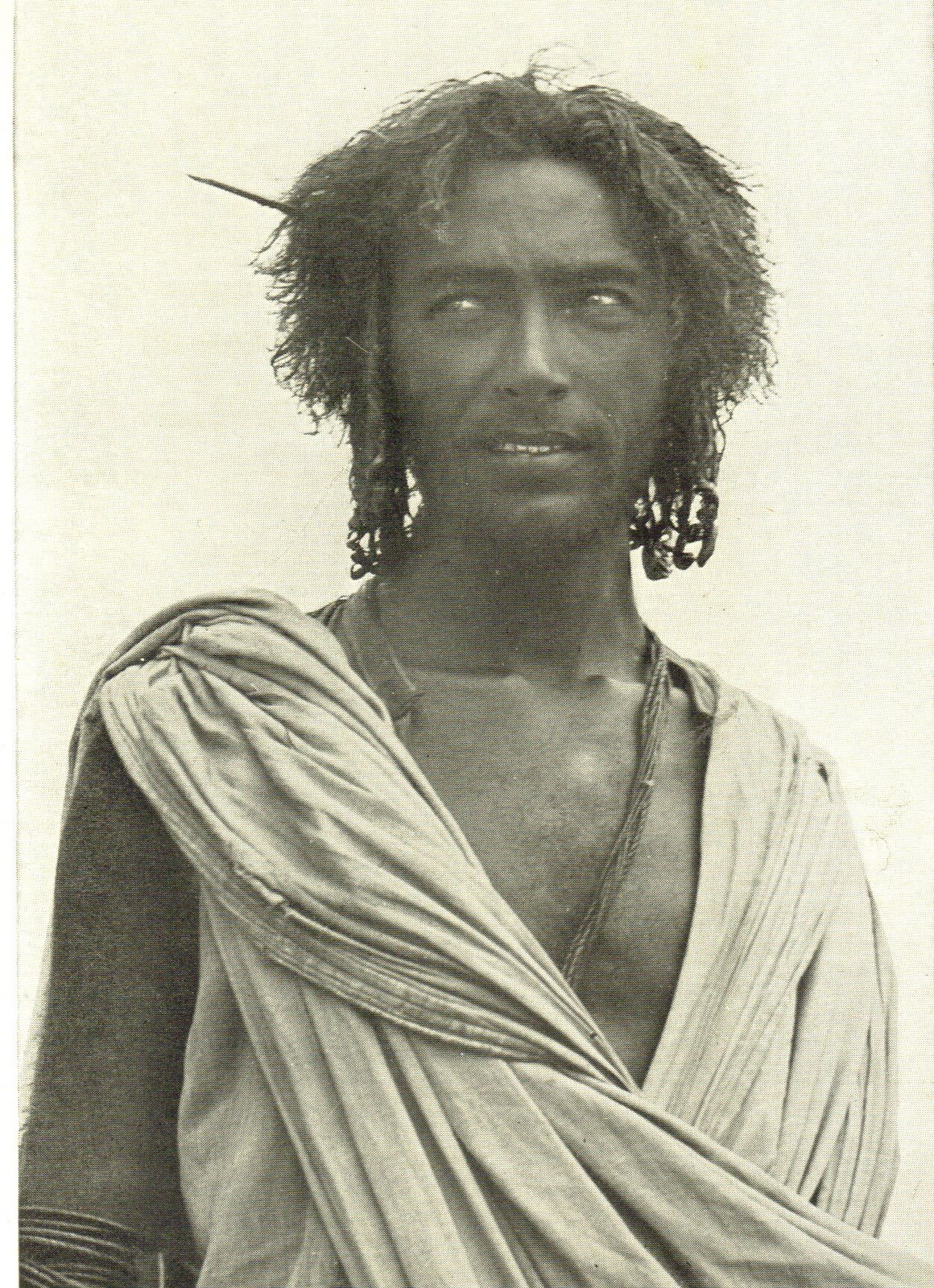
The Hamitic myth suggests that indigenous African peoples were not intelligent or civilized enough to have built their own civilizations. Hamites, described as dark-skinned Caucasians, were believed to be invaders who conquered Black Africans due to their “superior” intellect. This idea therefore embedded an explicit assumption of “white” racial superiority and denied the historical creativity of Black Africans by attributing their cultural achievements to the influence of outsiders.


