

The Massembo are a family of Kongo origin who have lived in Guadeloupe since 1861. One of their distinguishing features is that they have preserved a significant part of their African identity since their arrival in the Caribbean.
In a previous article, I noted that the migration of African populations to the Caribbean did not stop with the abolition of slavery in 1848. Following this decision, France implemented the system of “contract laborers.” Employed under 10-year contracts, these roughly 6,000 immigrants from Africa actually worked under conditions similar to those of their enslaved predecessors. A significant portion of these “contract laborers” came from the Congo Basin region. It is from this region that the ancestors of the Massembo family in Guadeloupe originated.
The Massembo family in Guadeloupe
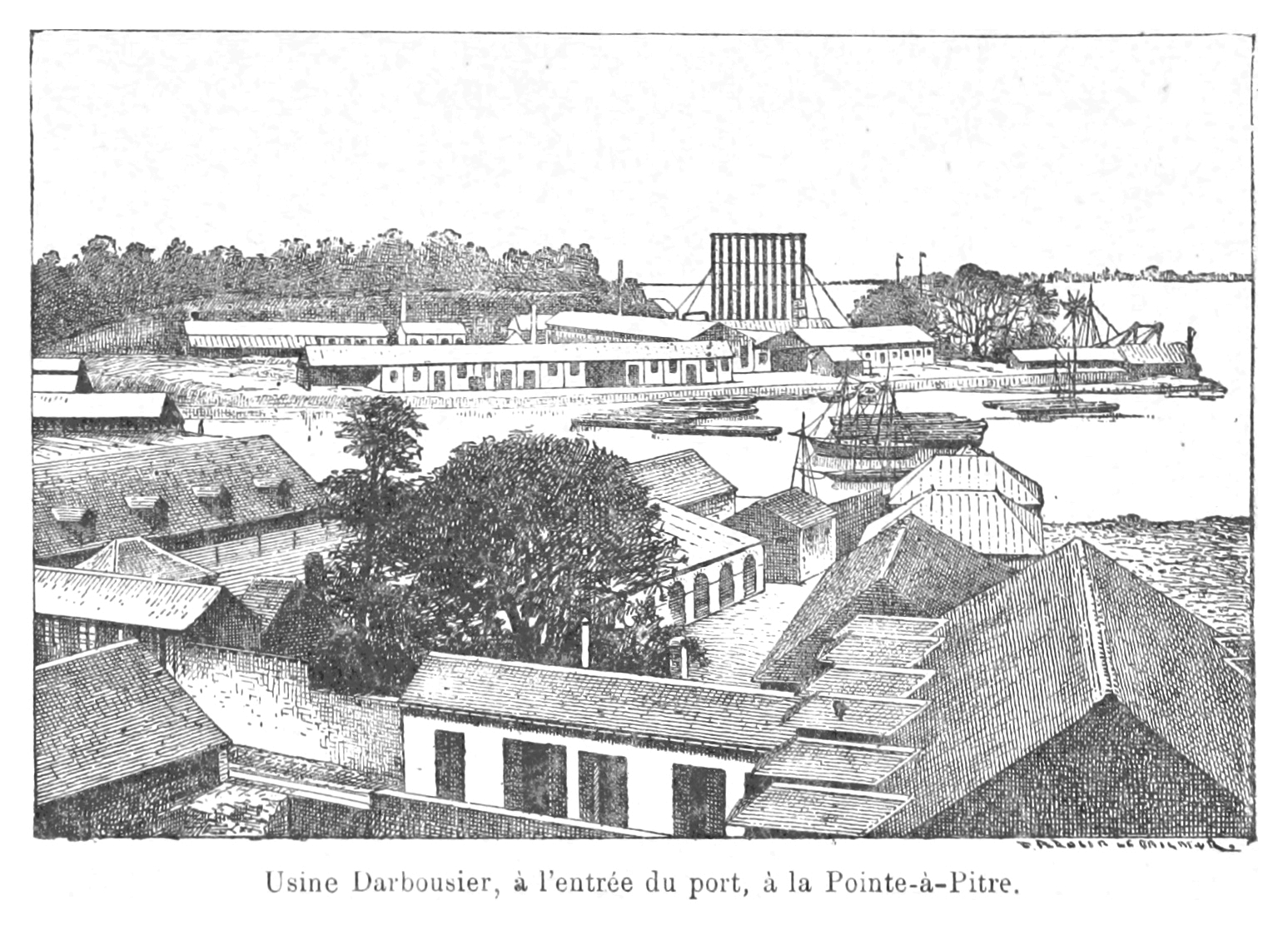
The first Massembo arrived in Guadeloupe in 1861. They embarked from Loango, in what is now the Republic of Congo, at the site of Tchivelica. Upon their arrival in Guadeloupe, they were held near the Darboussier factory in Pointe-à-Pitre, on the waterfront, before being assigned to the commune of Capesterre Belle-Eau in Basse-Terre, specifically on a plantation in Cambrefort-Moravie.
The conditions for preserving African identity were extremely difficult for Africans arriving in the Caribbean during the period of slavery. These conditions were somewhat more favorable for African contract laborers. However, due to social pressure, many of these laborers assimilated into Creole society. Although a few Guadeloupean families retained their Kongo surnames (Malanda, Mabiala, Massengo, Makaya, etc.), it seems they abandoned the use of Kongo culture and language after the first or second generation. The situation of the Massembo family is different.
From Kongo culture, they preserved not only their surname but also rituals and some words from the vocabulary. Maintaining this Kongo cultural enclave, surrounded by a Creole majority, was not simple. Beyond the misunderstandings that often accompany the arrival of a new culture within another, all kinds of prejudices were associated with the Kongos and their practices. As with Christianized or Islamized populations in Africa, the Creoles of Guadeloupe often feared traditional African religious practices, associating them with witchcraft. Because of their preservation of African customs, the Massembo were long stigmatized by society. In turn, the Massembo chose, whenever possible, to marry within other families of Kongo origin.
The preservation of the Massembo family’s African heritage is all the more remarkable considering that no contact has occurred between Central Africa and the Massembo of Guadeloupe until now. In his book Kongos of Guadeloupe, anthropologist Jean-Daniel Gandoulou recounts the testimony of accordionist Alphonse Nzindou, the first Kongo from the continent to meet the Massembo more than a century after their ancestors emigrated.
The Grapp-a-Kongo
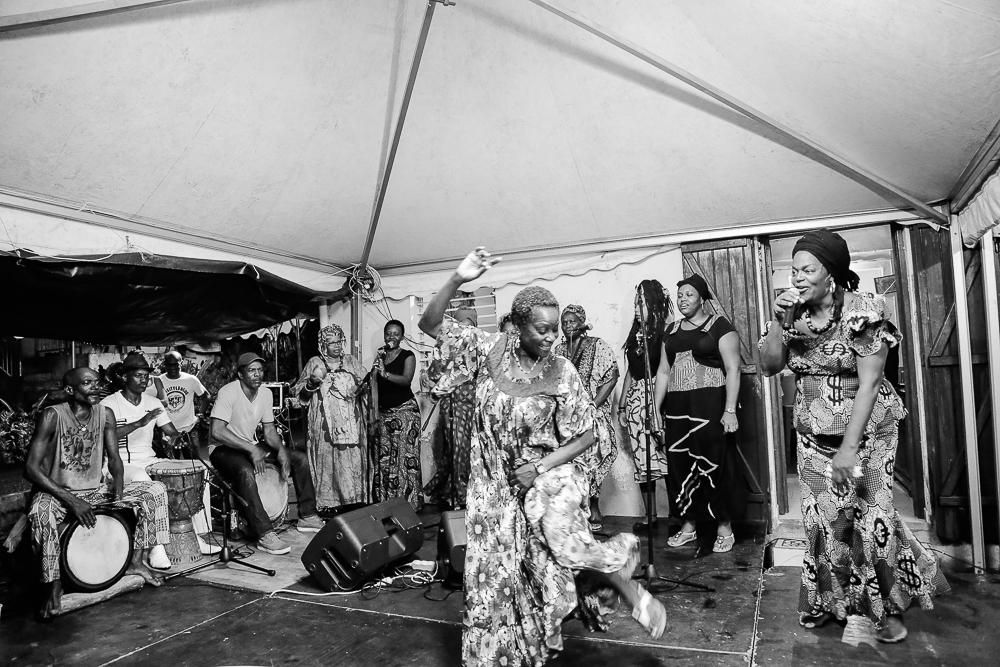
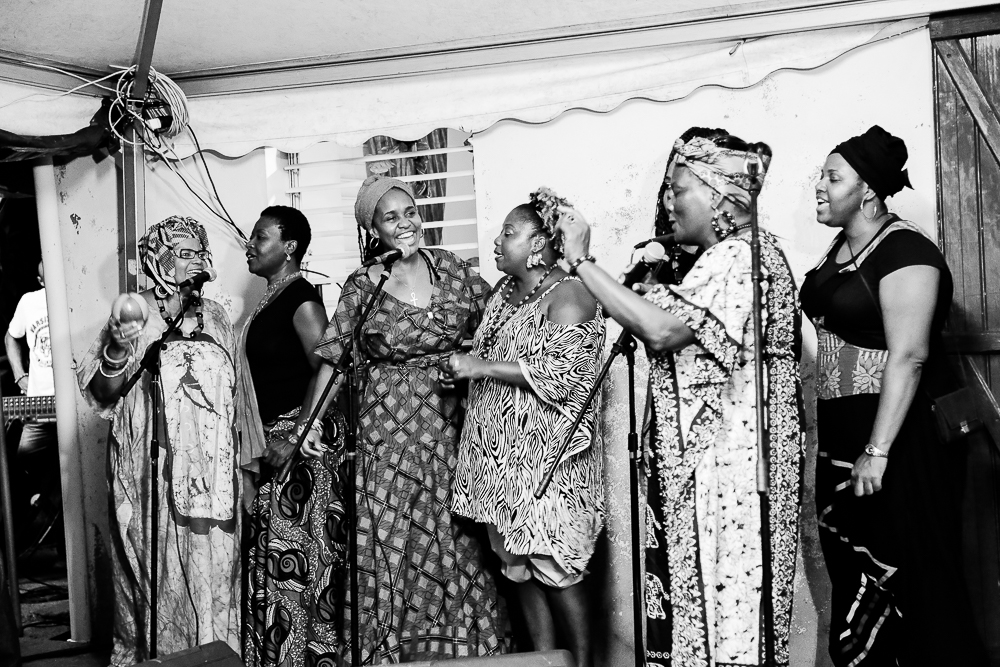
Alongside the surname Massembo, passed down from generation to generation alongside French names given by civil authorities, the family’s most distinctive Kongo cultural feature is a ceremony. Held annually, it is called Grap-A-Kongo. The name likely refers to the first gatherings of Kongos coming together “in clusters” to remember deceased family members. This ceremony begins with a song in Sola ya me sola, still perfectly understandable in Kikongo. Once shunned in Guadeloupe, the Grapp-a-Kongo has become an integral part of Guadeloupean heritage, attended by many tourists. It is a fitting reward for those who have carried the weight of African identity—something their neighbors had been forced to abandon—on their shoulders.
Référence
Justin-Daniel Gandoulou / Kongos de la Guadeloupe


