

The first president of independent Togo, Sylvanus Olympio embodies the struggle for African emancipation in the face of colonial legacies. A visionary, he dreamed of a sovereign state, economically independent and anchored in balanced diplomacy. Yet, his quest for autonomy clashed with the interests of foreign powers, leading to his tragic end on January 13, 1963. Discover the fascinating and little-known story of this statesman, a pioneer of Pan-Africanism and a symbol of resilience.
Sylvanus Olympio: an african tragedy between hope and betrayal
On the morning of January 13, 1963, the city of Lomé awoke to the shock of an event that would leave a lasting mark on the history of Togo and, beyond, the entire African continent. President Sylvanus Olympio, the first head of state of the independent Togolese Republic, was coldly assassinated in front of the American embassy, abruptly ending a career defined by the vision of a liberated and sovereign Africa. But who was this man, and how was his dream of independence and development shattered?
A childhood between two worlds
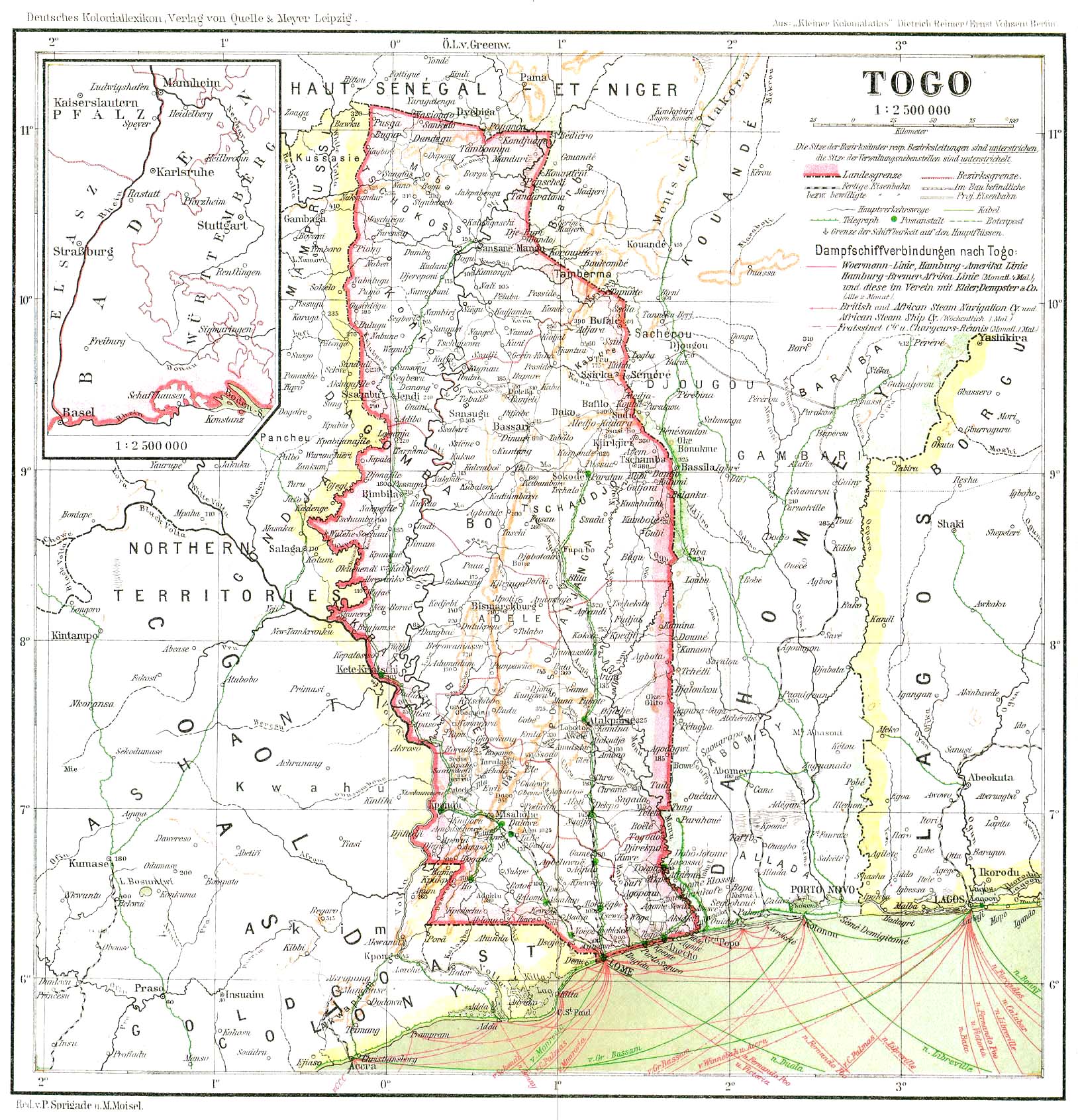
Born on September 6, 1902, in Kpando, in German-administered Togoland, Sylvanus Olympio belonged to a family as influential as it was eclectic. His father, Epiphanio Elpidio Olympio, was a wealthy merchant and plantation owner of Brazilian origin, a descendant of Afro-Brazilians who returned to West Africa after the abolition of slavery. His mother, Fidelia Afe, came from the Mamprusi ethnic group of northern Togo.
This dual cultural and social heritage profoundly shaped Olympio, who received a cosmopolitan education. After primary studies in Togo, he went to London, where he earned a degree in political economy from the prestigious London School of Economics. This European experience fostered an anglophilia that earned him both respect and suspicion, particularly from the French authorities.
A visionary at the helm of Togo
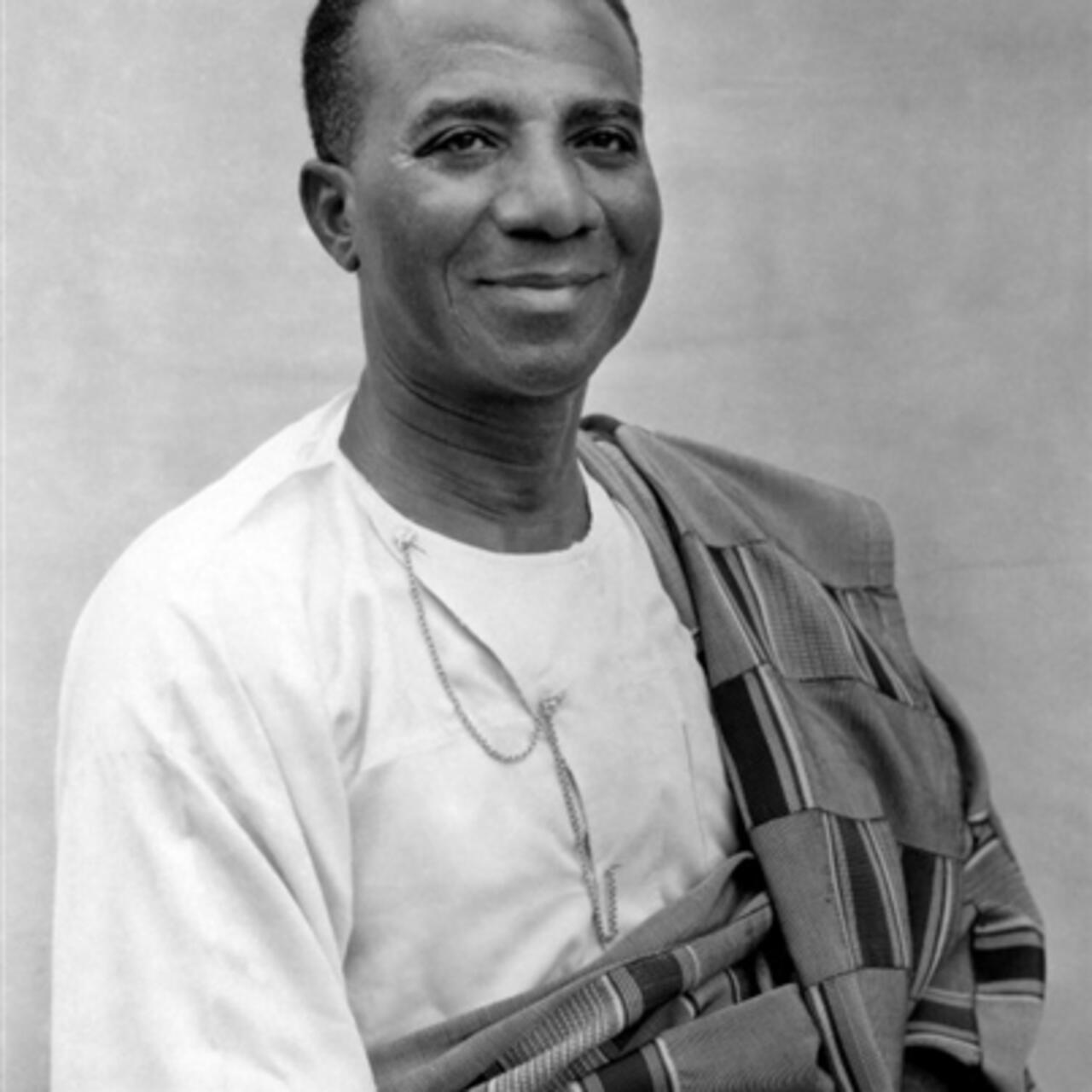
Returning to Africa, Sylvanus Olympio quickly rose through the ranks of colonial society. He was appointed General Manager of the United Africa Company (UAC), a subsidiary of the Unilever group, becoming one of the few Africans to hold such a high-ranking position in a colonial enterprise. But Olympio did not limit himself to being a cog in the colonial economy; he also invested himself in the independence movement.
In April 1958, following the first free legislative elections in Togo, he became Prime Minister of autonomous Togo. His mandate was marked by a subtle and pragmatic strategy: while preparing the country’s independence, he sought to avoid a brutal break with France. Yet Olympio did not hide his ambition to diversify Togo’s international partnerships. He established close relations with Germany and the United States, which irritated Paris.
On April 27, 1960, Togo gained independence, and Olympio officially became its first president. He then embarked on a broad program of reforms aimed at modernizing the economy and strengthening the country’s autonomy.
A balancing act against françafrique
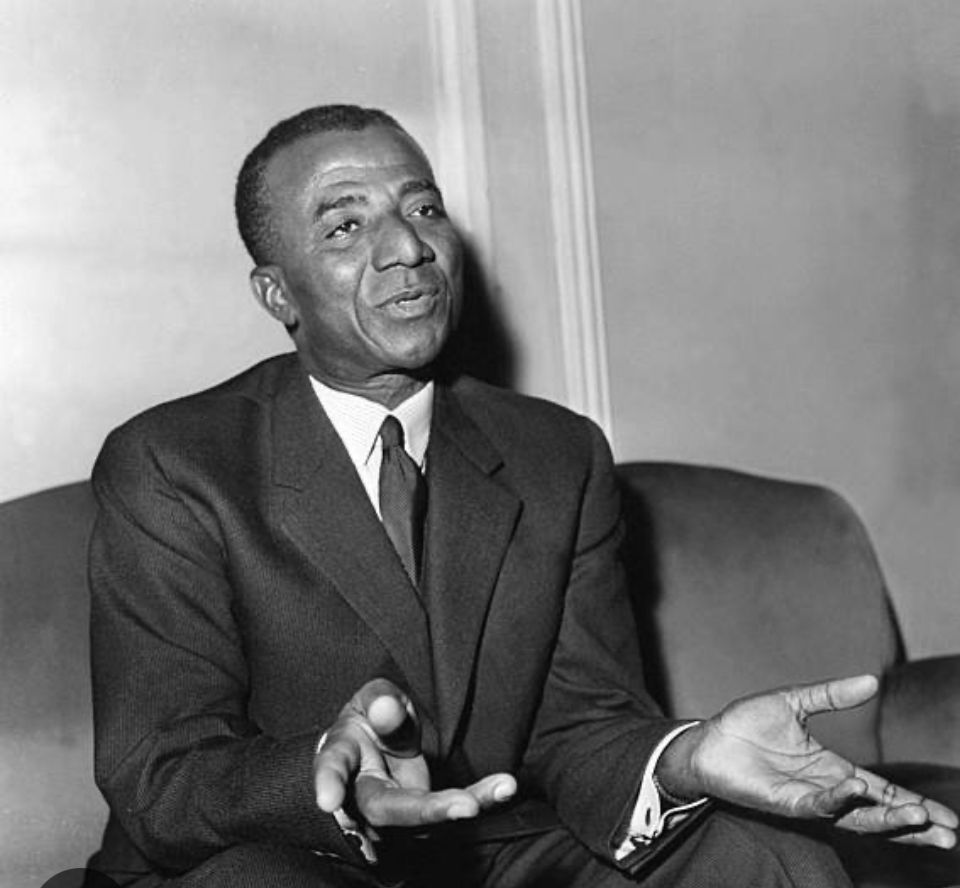
From the moment he came to power, Sylvanus Olympio distinguished himself by his determination to free Togo from French tutelage. He created a Togolese central bank in 1962, intending to issue a national currency linked to the Deutsche Mark. This initiative, perceived as a threat by the CFA zone system, heightened tensions with Paris.
Olympio also adopted a policy of active neutrality, refusing to integrate Togo into Franco-African groupings such as the African and Malagasy Union. His choices earned him enemies, notably Jacques Foccart, the shadowy figure of Françafrique. “Sylvanus Olympio was not one of our friends,” Foccart would later admit.
The tragedy of assassination
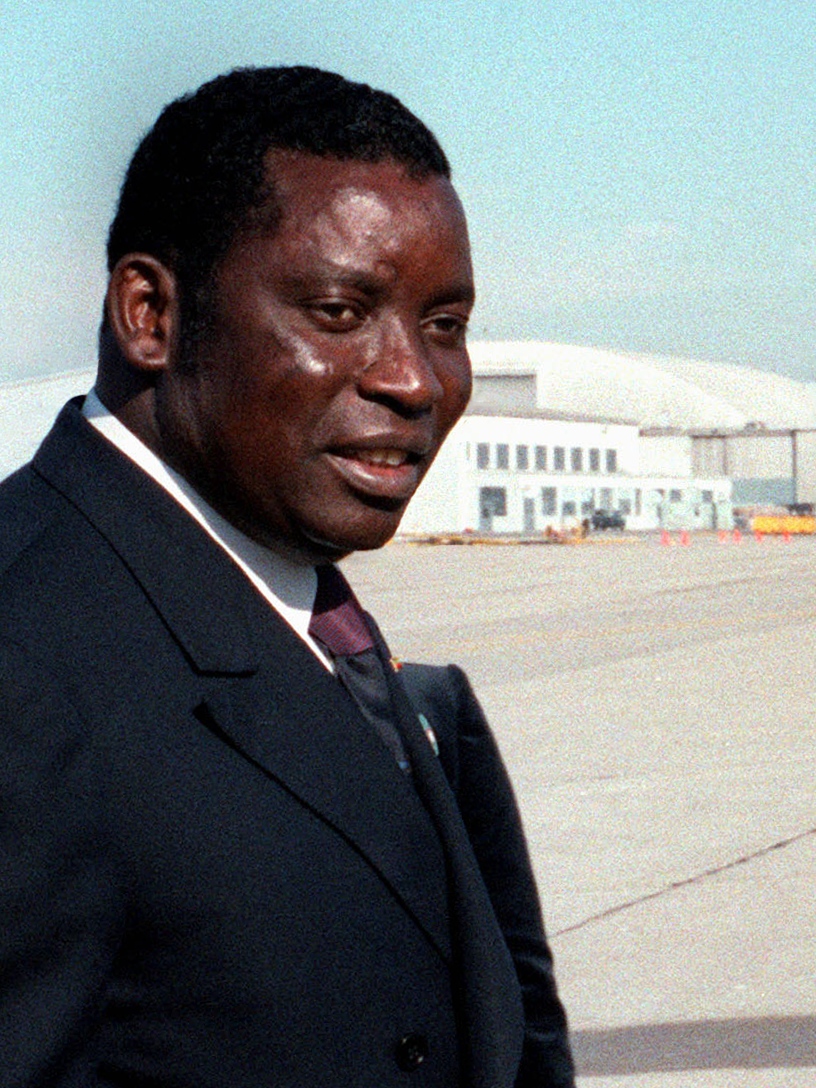
But it was an internal matter that sealed the president’s fate. Former Togolese soldiers demobilized from the French army, rejected by Olympio for the national army, felt abandoned. Among them was Gnassingbé Eyadéma, the future president of Togo.
On the night of January 12–13, 1963, a group of soldiers led by Eyadéma attacked the presidential residence. Hunted, Olympio sought refuge in front of the American embassy, but he was shot at point-blank range early in the morning. The involvement of French services in this coup remains a subject of controversy, although many indications point to logistical and political support.
The legacy of a visionary
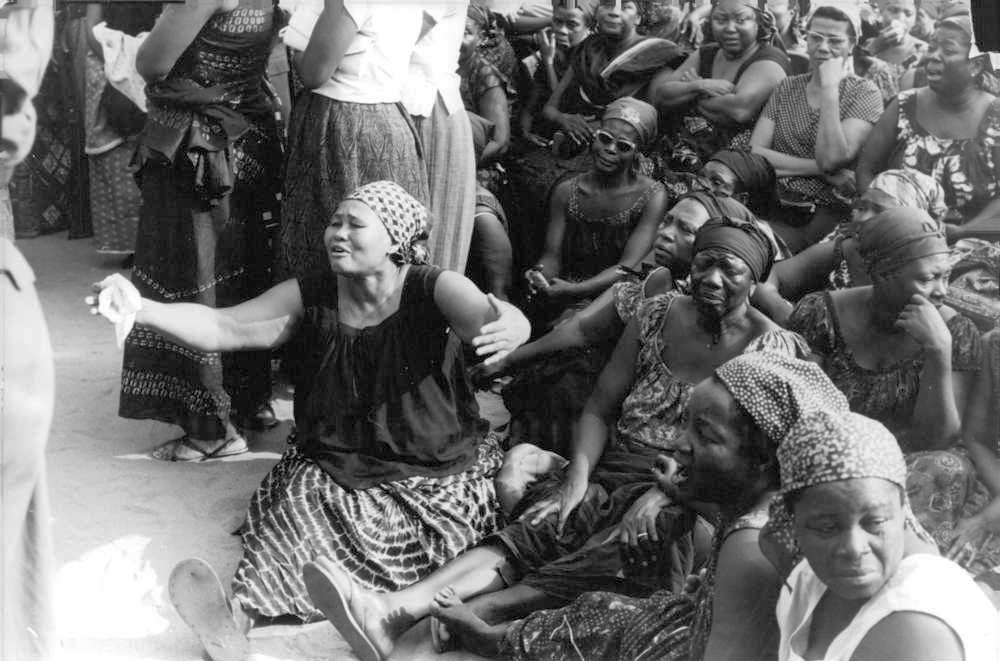
Despite his tragic end, Sylvanus Olympio’s work continues to resonate in African history. His ambition for economic independence and vision of a modern Togo remain models for contemporary African leaders.
In 1963, the coup that cost him his life opened the way to a long period of political instability and autocracy in Togo. Yet, for many, Olympio remains the symbol of an Africa capable of standing up to its former colonizers—a bold Africa, determined to forge its own destiny.
Conclusion
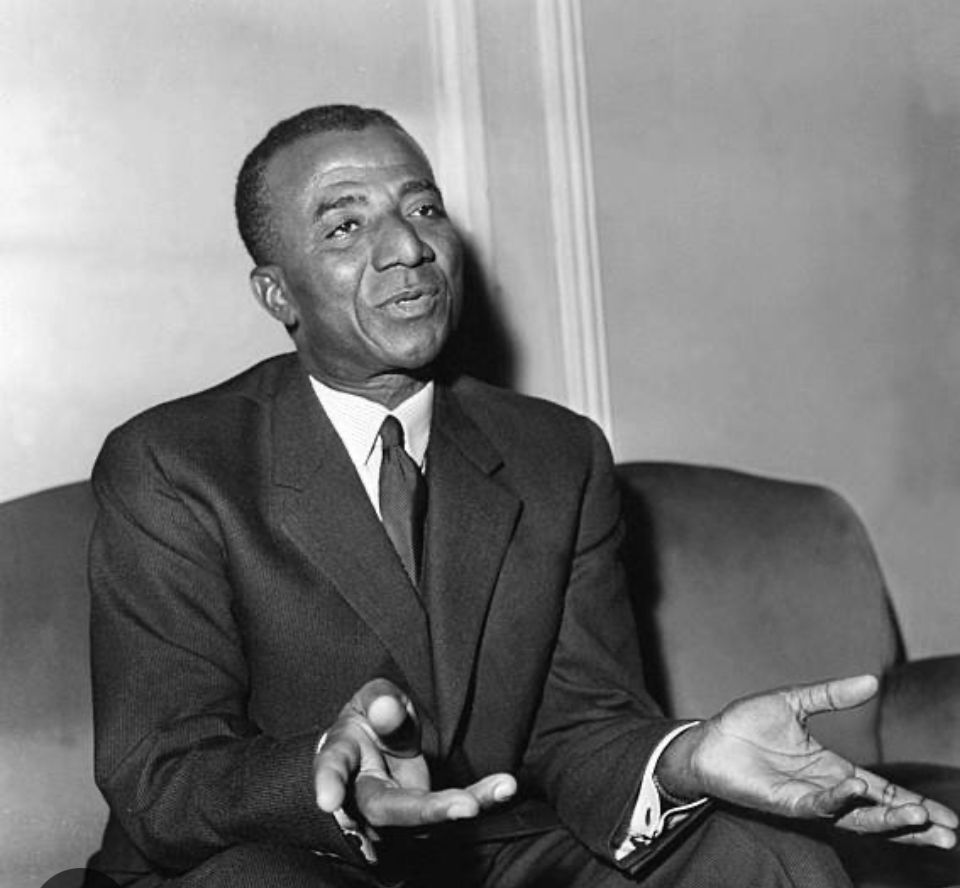
Sylvanus Olympio was not merely a statesman; he was a visionary whose dream collided with the harsh realities of his time. By recalling his story, we honor the memory of a pioneer of African independence while questioning the power dynamics that continue to shape the continent. As Olympio himself wrote:
“Freedom has meaning only if it is enlightened by justice and supported by human dignity.”
Contents
- Sylvanus Olympio: An African Tragedy Between Hope and Betrayal
- A Childhood Between Two Worlds
- A Visionary at the Helm of Togo
- A Balancing Act Against Françafrique
- The Tragedy of Assassination
- The Legacy of a Visionary
- Conclusion
Notes and References
- Têtêvi Godwin Tété-Adjalogo, Sylvanus Olympio: Father of the Togolese Nation, Éditions L’Harmattan, 2008.
- Atsutsè Kokouvi Agbobli, Sylvanus Olympio: A Tragic Destiny, Nouvelles Éditions africaines, 1992.
- Guia Migani, “The EEC or France: The Impossible Choice of Sylvanus Olympio, President of Togo,” Matériaux pour l’histoire de notre temps, No. 77, 2005.
- Christophe Boisbouvier, “Togo: Who Killed Former President Sylvanus Olympio?” Jeune Afrique, January 18, 2013.
- Bertrand Kogoe, “The Testimony of Mr. Kombate Michel on the Death of Sylvanus Olympio,” RFI, September 18, 2011.
- Jean-Philippe Rémy, “The Ghosts of Assassinated African Presidents,” Le Monde, December 12, 2018.
- François-Xavier Verschave, La Françafrique: The Longest Scandal of the Republic, Stock, 1999.
- Jacques Morel, Calendar of Crimes of Overseas France, Esprit frappeur, 2001.
- African Success, Profile of Sylvanus Olympio, consulted 2024.
- “Sylvanus Olympio: Life and Tragic End of the First President of Togo,” Lisapo Yakamama (online), consulted 2024.


