

On January 12, 2010, Haiti was struck by a devastating earthquake, leaving hundreds of thousands dead and millions of lives shattered. A look back at this tragedy that marked history and revealed the fragility of a nation facing the colossal challenges of reconstruction and resilience.
On January 12, 2010, Haiti, the pearl of the Caribbean, plunged into horror. Port-au-Prince, its capital, trembled under a shock of unprecedented violence. A magnitude 7.0 earthquake, experts said—“only” 7.0. Yet it was enough to tear the country apart and expose all its fractures. It was 4:53 p.m. In less than 30 seconds, lives were crushed and homes reduced to dust. On that day, the history of Haiti was marked forever.
So what exactly happened? Why did this country, already heavily burdened by poverty and instability, prove so vulnerable to the whims of the earth? To understand, we must examine the facts, retrace the sequence of events, and explore the deep roots of this tragedy.
The epicenter: a deadly fault
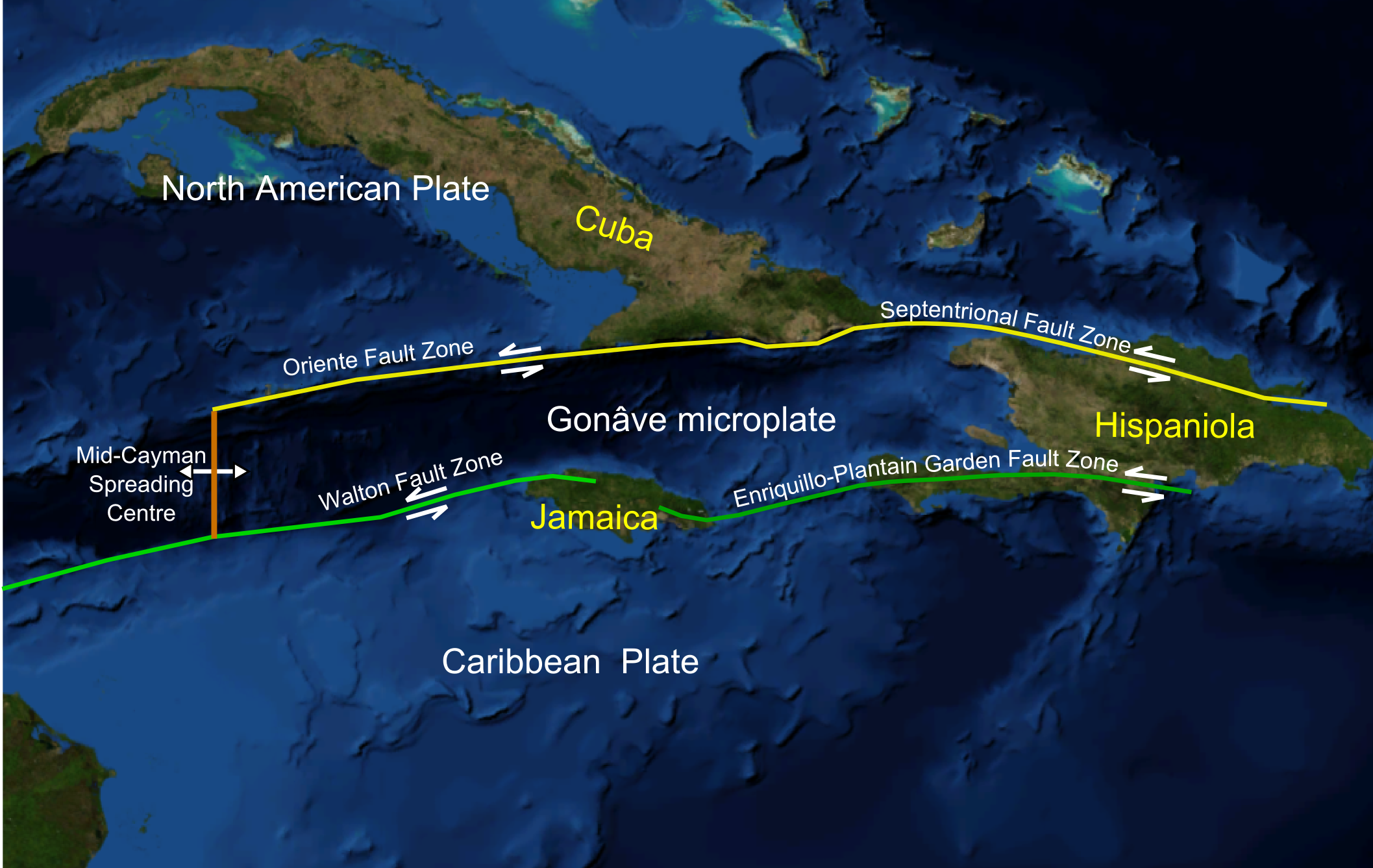
The Enriquillo–Plantain Garden fault, a formidable tectonic fracture line, runs across Haiti from end to end. This fault, well known to geologists, had remained silent for more than two centuries. But in 2010, the forces accumulated over decades were finally released. The earth began to shake, unleashing energy equivalent to several atomic bombs.
The epicenter, located less than 25 km from Port-au-Prince, plunged the country into chaos. The shallow depth of the hypocenter (barely 10 km) amplified the destruction. Everything within a radius of several dozen kilometers was affected: homes, infrastructure, institutions. Nothing and no one escaped the fury of the earth.
Port-au-Prince: at the heart of the cataclysm
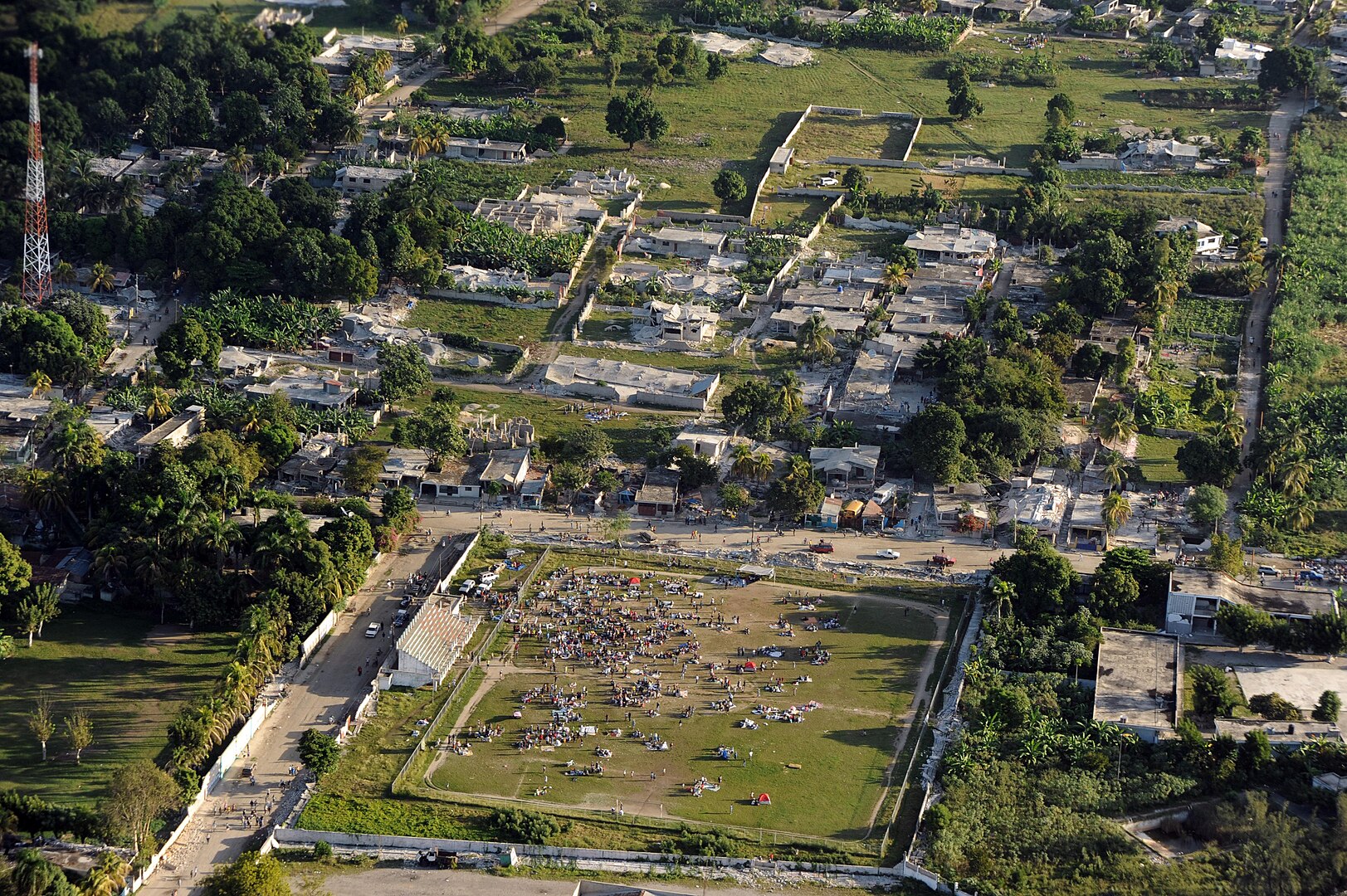
The Haitian capital, with its extreme urban density, became the stage of unprecedented devastation. Symbolic buildings collapsed: the National Palace, the Notre-Dame Cathedral, and even hospitals and schools. More than 250,000 houses were destroyed or severely damaged. Thousands of families were left homeless in an instant.
But that was not all. The desolation was compounded by terrifying human losses. The official toll reported more than 280,000 dead and 300,000 injured. These staggering figures struggle to convey the scale of the suffering.
A country already fragilized

For Haitians, the tragedy was not only the work of nature. For decades, Haiti had been weighed down by extreme poverty. The country’s rudimentary infrastructure was incapable of withstanding such a shock. Seismic construction standards, almost nonexistent, gave way to precarious buildings, often erected without solid foundations.
And then there was governance—or rather, its absence. For years, the Haitian state had struggled to maintain even a semblance of order. Corruption, political instability, and foreign interventions all weakened a country already on the brink.
Rescue efforts: a race against time
In the hours following the disaster, the first images from Port-au-Prince spread around the world. Thousands of survivors wandered among the rubble, searching for loved ones or calling for help. Cries rose from beneath the debris, but the means to respond were painfully limited.
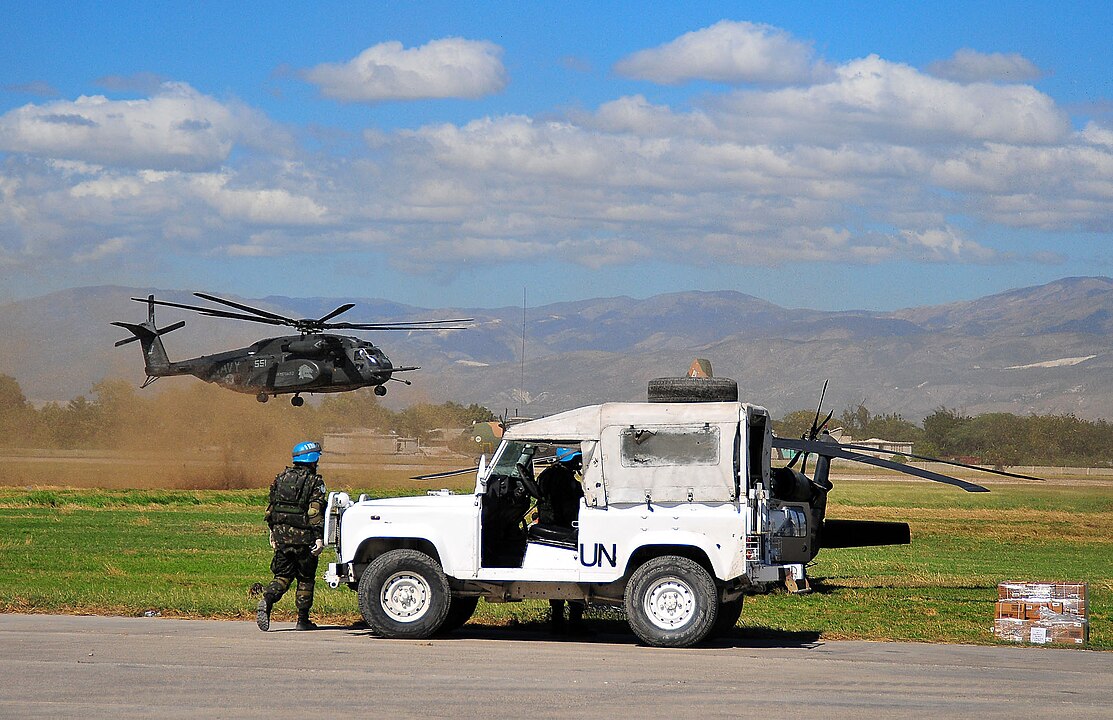
Haitian rescue teams, poorly equipped, were overwhelmed by the scale of the destruction. It was then that international solidarity began to organize. Countries from around the world sent rescuers, doctors, and equipment. The United States deployed the aircraft carrier USS Carl Vinson and a floating hospital. The European Union, China, Morocco, and many others also contributed.
Despite these efforts, rescue operations faced chaotic logistics. The airport, saturated, struggled to accommodate humanitarian flights. The port of Port-au-Prince, destroyed, made the delivery of food and medicine even more difficult. Meanwhile, Haitians had to survive with whatever they could find.
Bodies and numbers
In Haiti, the numbers quickly became symbols of horror. Mass graves—echoing a painful colonial past—multiplied. For thousands of families, mourning was impossible. How can one grieve for a loved one who could not be buried with dignity?
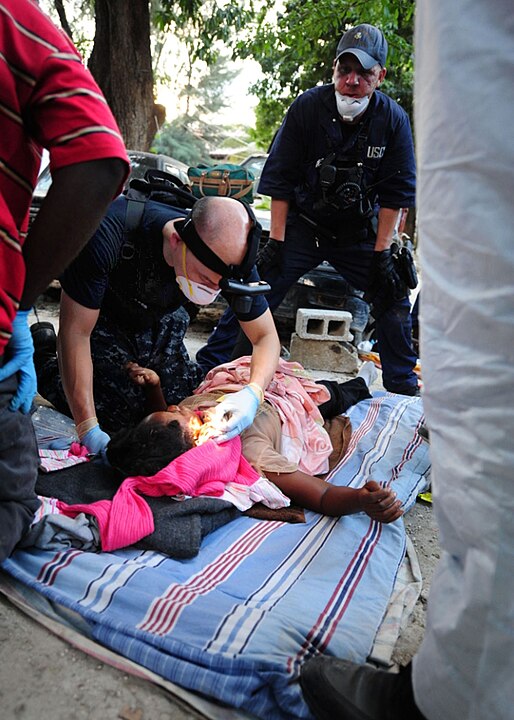
Then there were the amputees. Thousands of people injured in the rubble underwent amputations due to the lack of adequate medical care. These men and women became the faces of a tragedy whose consequences would last a lifetime.
Cameras from around the world focused on Port-au-Prince. Television screens endlessly broadcast images of collapsed buildings, stunned survivors, and exhausted rescue teams. Haitians, at the center of this media coverage, oscillated between gratitude and exasperation. For although donations poured in, tangible results on the ground were slow to materialize.
“We will not let Haiti fall,” proclaimed leaders around the world. Promises of aid multiplied. More than 9 billion dollars were pledged for reconstruction. Yet the complex mechanisms of international aid slowed their implementation. On the ground, NGOs often substituted for the Haitian state, fueling tensions between local actors and foreign interveners.
A reconstruction in slow steps
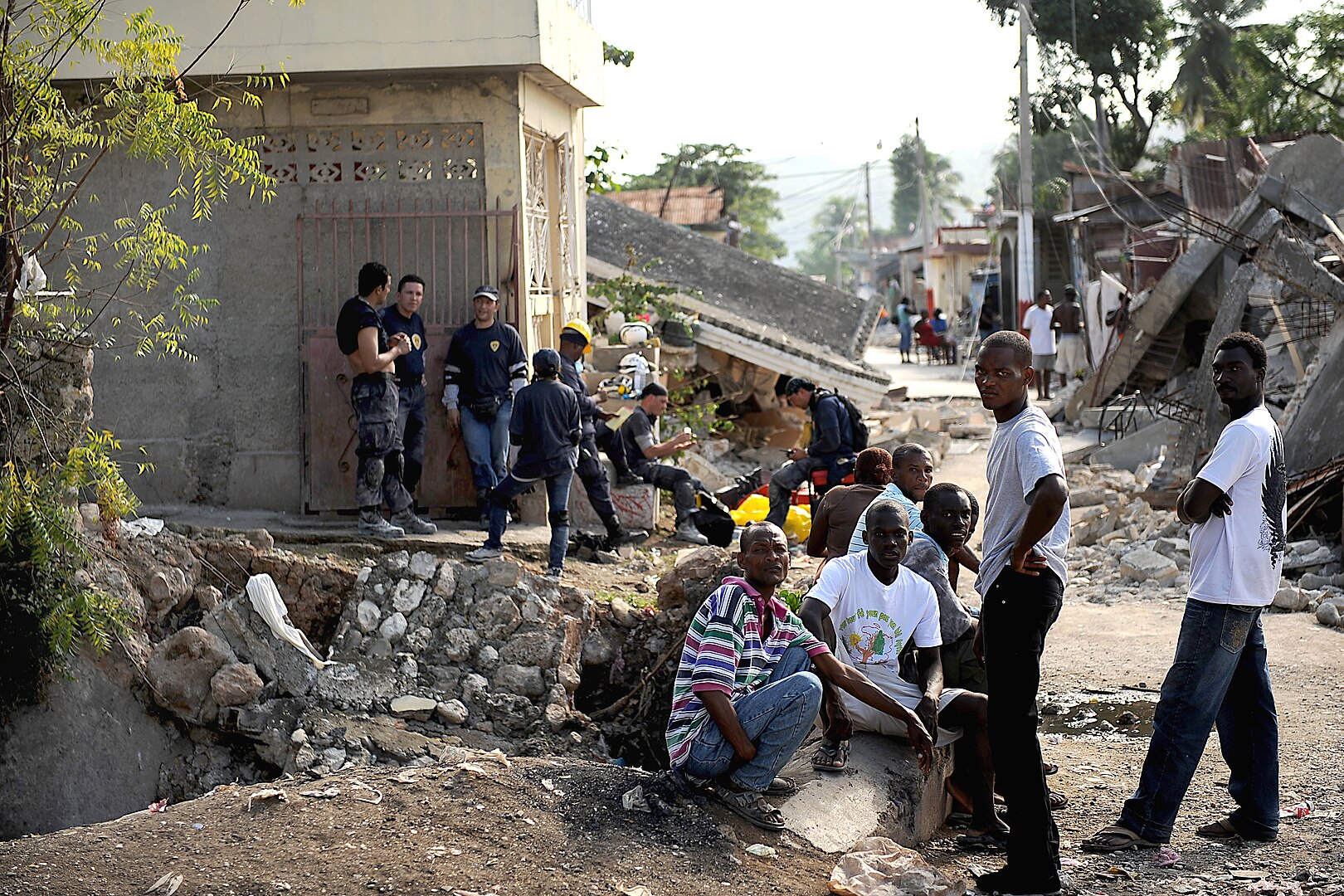
Fifteen years after the earthquake, Haiti still struggles to recover. The promises of reconstruction were fulfilled, but in a fragmented manner. The poorest neighborhoods—already marginalized before 2010—were often left behind. The capital still bears visible scars: ruined buildings and makeshift camps that persist.
And yet, the resilience of the Haitian people commands admiration. This country, forged in revolt against slavery, continues to fight for its future. Haitian culture, rich and vibrant, remains a beacon of hope in the darkness.
An episode that concerns Us all
This earthquake was not merely a local event. It reflected global imbalances, the fragility of societies in the face of natural disasters, but also the human solidarity that emerges in the darkest moments. Haiti, this small Caribbean nation, captured the attention of the entire planet—not only because of its tragedy, but also because of the courage of its people.
As we close this painful chapter, one question remains: has the world truly learned the lessons of this catastrophe? One thing is certain: January 12, 2010, will remain engraved in collective memory as a reminder of our vulnerability before nature—and of our capacity to rise again, together.
Table of contents
- The Epicenter: A Deadly Fault
- Port-au-Prince: At the Heart of the Cataclysm
- A Country Already Fragilized
- Rescue Efforts: A Race Against Time
- Bodies and Numbers
- A Reconstruction in Slow Steps
- An Episode That Concerns Us All
Notes and references
- USGS – Earthquake Hazards Program: Magnitude and location of the 2010 Haiti earthquake. Available on the official USGS website.
- United States Geological Survey (USGS): Preliminary report on the characteristics of the earthquake.
- CNRS: Study on the causes and tectonic faults involved, published January 19, 2010.
- United Nations (UN): Statement by Ban Ki-moon, assessment and relief efforts.
- Marie-Laurence Jocelyn Lassegue: Haiti’s Minister of Communications, official casualty figures.
- BBC News: Timeline of international rescue efforts and implementation of humanitarian aid.
- Haiti Liberté: Testimonies and analyses of the political and social impact of the earthquake.
- International Red Cross Report: Field interventions and distribution of aid.
- Moreau de Saint-Méry: Historical description of previous earthquakes in Haiti (1751 and 1770).
- François Savatier: Study on the Léogâne fault and its implications, published in Pour la Science.
- Dany Laferrière: Literary testimony in Tout bouge autour de moi (2010).
- Agence France-Presse (AFP): Assessment of human losses and destroyed infrastructure.
- Handicap International: Contribution to prosthetics for victims and medical follow-up.
- World Food Programme (WFP): Logistical challenges and food distribution.
- National Centre for Space Studies (CNES): Satellite analysis of disaster zones.
- World Health Organization (WHO): Health and epidemiological consequences of the earthquake.
- Wyclef Jean: Humanitarian initiative through fundraising on social networks.
- Amnesty International Report: Child trafficking and post-earthquake vulnerability.
- Haaretz: Israeli mission and establishment of the first emergency hospital.
- Tracy Kidder: Analysis of the challenges of international aid in The New York Times.
- Peter Hallward: Critical article on international interests in the management of humanitarian crises, published in The Guardian.
- The European Union: Reconstruction plan and fundraising appeal for Haiti.
- TV5Monde broadcasts: Testimonies from rescuers and on-site reports.
- Max Beauvoir: Reactions of Vodou priests regarding the burial of victims.
- Laurent Gaudé: Literary tribute in Danser les ombres (2015).


