

For some descendants of enslaved people, May 10 does not fully reflect the historical realities specific to each region of France, particularly the overseas territories, where other dates mark the abolition of slavery (April 27 in French Guiana, May 22 in Martinique, May 27 in Guadeloupe and December 20 in Réunion). They call for a more inclusive commemoration that recognizes the different experiences and timelines of abolition.
Pascal Archimède explores the implications of designating May 10 as the day commemorating the abolition of slavery in France. The author, a descendant of enslaved people and originally from Guadeloupe, shares his questions about the historical relevance of this specific date. He raises issues about historical representation and the authenticity of this commemoration in the context of the historical realities of the French Caribbean, where abolition was marked by significant struggles and revolts well after the official date adopted by mainland France.
Abolition of slavery in Martinique and Guadeloupe
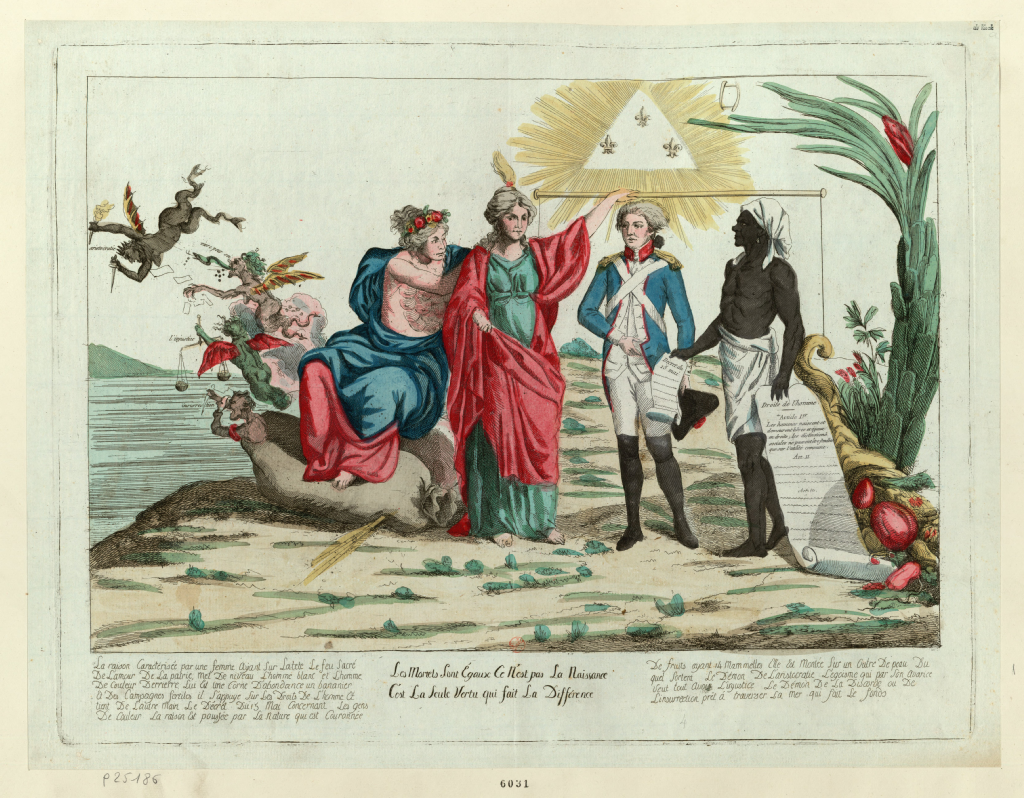
The abolition of slavery in Martinique and Guadeloupe constitutes a crucial chapter in the history of the French Caribbean, marked by intense struggles and significant political reversals. The first decree abolishing slavery in the French colonies was promulgated on February 4, 1794, without, however, providing for compensation to slave owners. However, in May 1802, Napoleon Bonaparte reinstated slavery, canceling the rights previously granted and plunging French-speaking Caribbean populations back into captivity.

It was not until 1848, under the Second Republic, that slavery was definitively abolished in France, including in its colonies. The decree of April 27, 1848 stipulated that slavery would be totally abolished in all French colonies and possessions, two months after its local promulgation. It also prohibited any corporal punishment and any sale of non-free persons as soon as it was enacted.
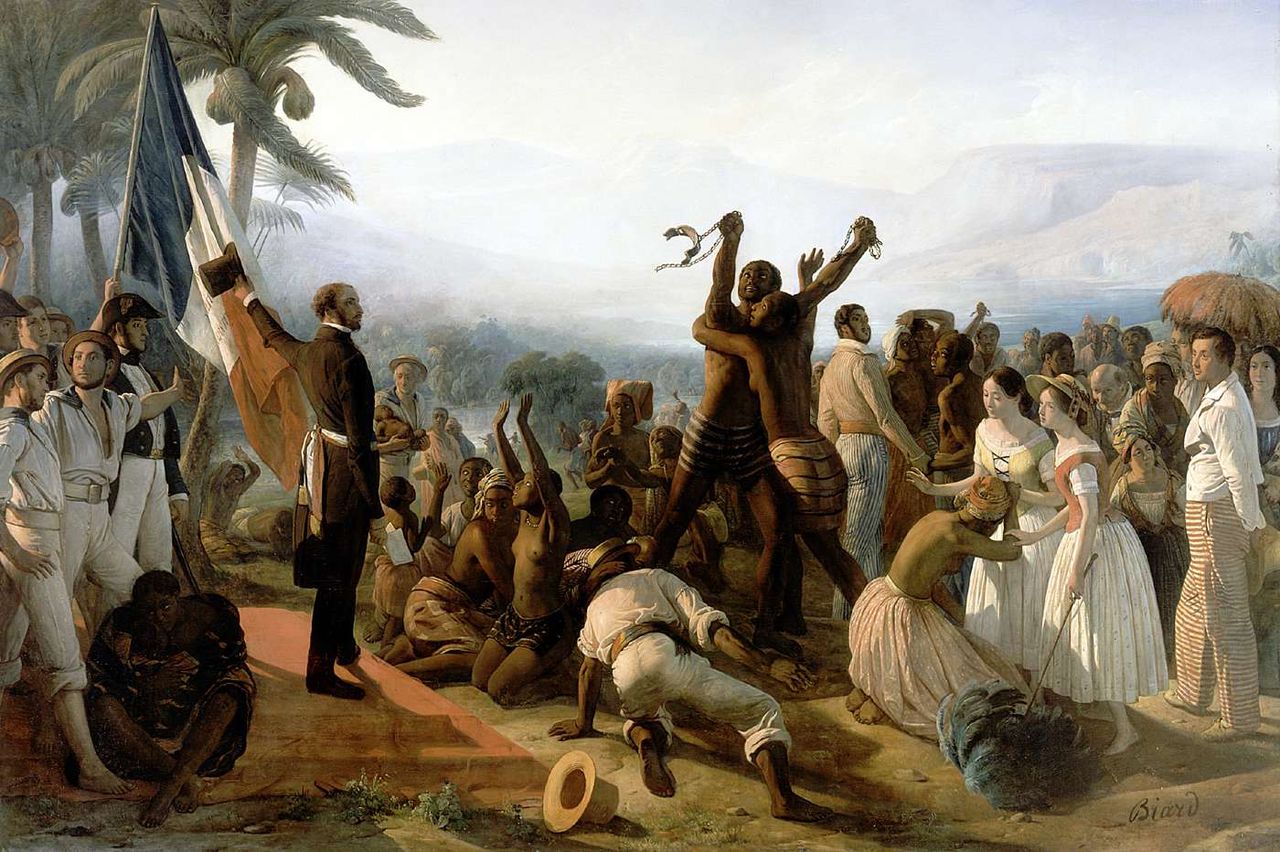
In Martinique, the delayed implementation of this decree triggered revolts. On May 22, 1848, a major uprising in Saint-Pierre led to the immediate abolition of slavery by Governor Claude Rostoland the following day. Similarly, in Guadeloupe, abolition was proclaimed on May 27 by Governor Jean François Layrle, in response to growing unrest and pressure from local revolts.
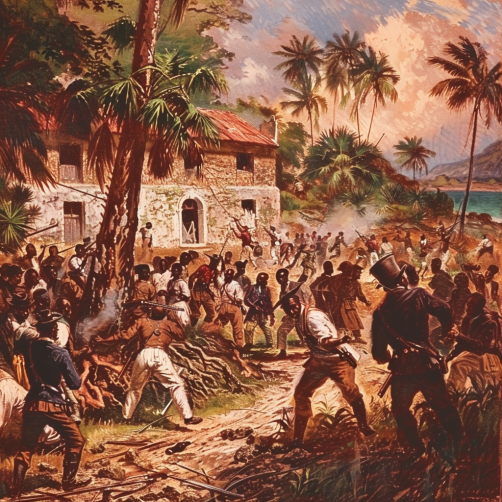
These events mark decisive moments when the resistance of enslaved people played a crucial role in accelerating legislative emancipation processes, highlighting the strength and determination of Caribbean peoples in their struggle for freedom.
What does the date of May 10 represent?

In 2006, Jacques Chirac, then President of the French Republic, established May 10 as the national day commemorating the abolition of slavery. This date refers to the final adoption by the French Parliament, in 2001, of the Taubira law, which recognizes the transatlantic slave trade and slavery as crimes against humanity.
Excerpt from the speech proposing the bill by Christiane Taubira (1999) – law aiming to recognize slavery and the slave trade as crimes against humanity (2001). Excerpt from the documentary “Identity at the heart of the Black question.” See website “Memories of slaveries and their abolitions,” www.lesmemoiresdesesclavages.com
Since 2007, May 10 has been marked each year by an official ceremony bringing together political figures, artists and journalists at the Luxembourg Garden in Paris. This event aims to pay tribute to the memory of the victims of colonial slavery and to reflect on the legacy of this dark period in history.
When the ANC (Alliance Noire Citoyenne) comes peacefully and without violence to the commemoration of the abolition of slavery and the slave trade by France, proclaimed in 1848, in the presence of Nicolas Sarkozy, the collective is asked to leave the Luxembourg Garden by around fifty plainclothes police officers, even though these individuals are accredited for the event.
However, some members of the Afro-descendant community express their feeling of exclusion and marginalization during these commemorations, believing that the event does not fully reflect their history or their contribution to the struggle against slavery. This date is perceived by some as disconnected from historical realities, particularly because it does not directly correspond to the dates of abolition of slavery in the former French colonies, such as April 27, 1848 in Guadeloupe.
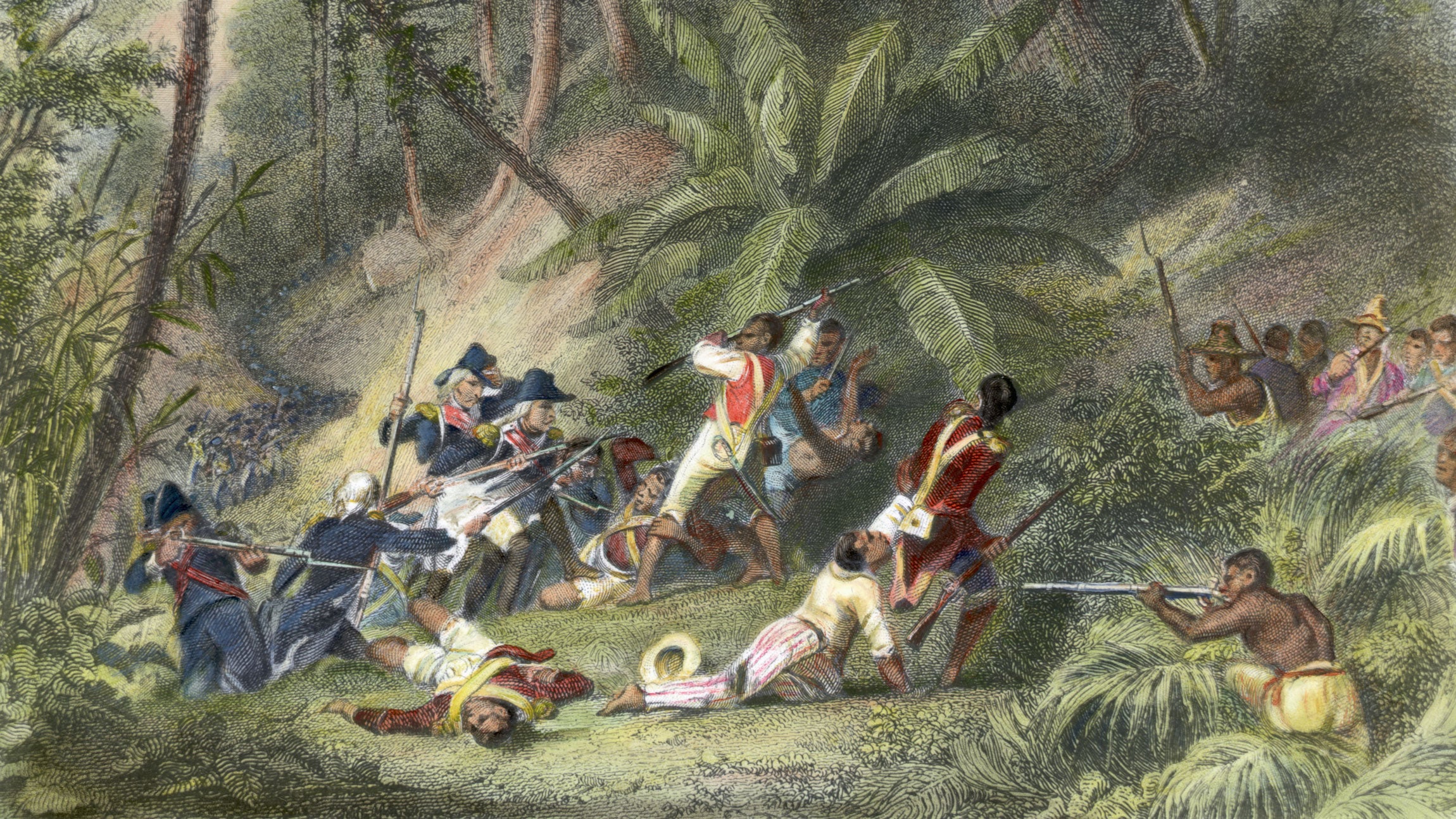
It is also recalled that without the revolts led by enslaved people themselves, notably the uprisings of the Maroons who tirelessly fought oppression, the abolition of slavery might have taken much longer. Thus, this day of May 10, while being a symbol of legal recognition, raises questions about its relevance and impact for all concerned parties. This situation raises a debate similar to the one that would be sparked by a hypothetical change to the date of the national holiday of July 14, deeply rooted in the French collective consciousness.
In brief…
The commemoration of May 10, although it is a step toward official recognition of the horrors of slavery, raises crucial questions about inclusion and representation. It reminds us that collective memory and tributes must evolve to better reflect historical truths and the voices of all affected communities. Ultimately, true commemoration should not only honor the past but also inspire a future where justice and equality prevail for all, without distinction. Thus, reassessing and adapting the way these commemorative days are observed could prove essential to healing and uniting society as a whole.


