

Louis-Benoit Zamor, born in Bengal, was brought to France while he was still a child. Placed in the service of the famous Comtesse du Barry, mistress of King Louis XV, Zamor grew up in the opulence of the royal court. However, his destiny took a radical turn as the French Revolution gained intensity.
Louis-Benoit Zamor, often little known, played a singular role during the French Revolution. Born in Chittagong in the Indian subcontinent and having become an influential revolutionary in France, Zamor’s life is an epic of moral strength and radical transformation. His participation in the Revolution and his involvement in the fall of Madame Jeanne du Barry capture a slice of history that resonates with themes of oppression and liberation.
Youth and origins of Louis-Benoit Zamor
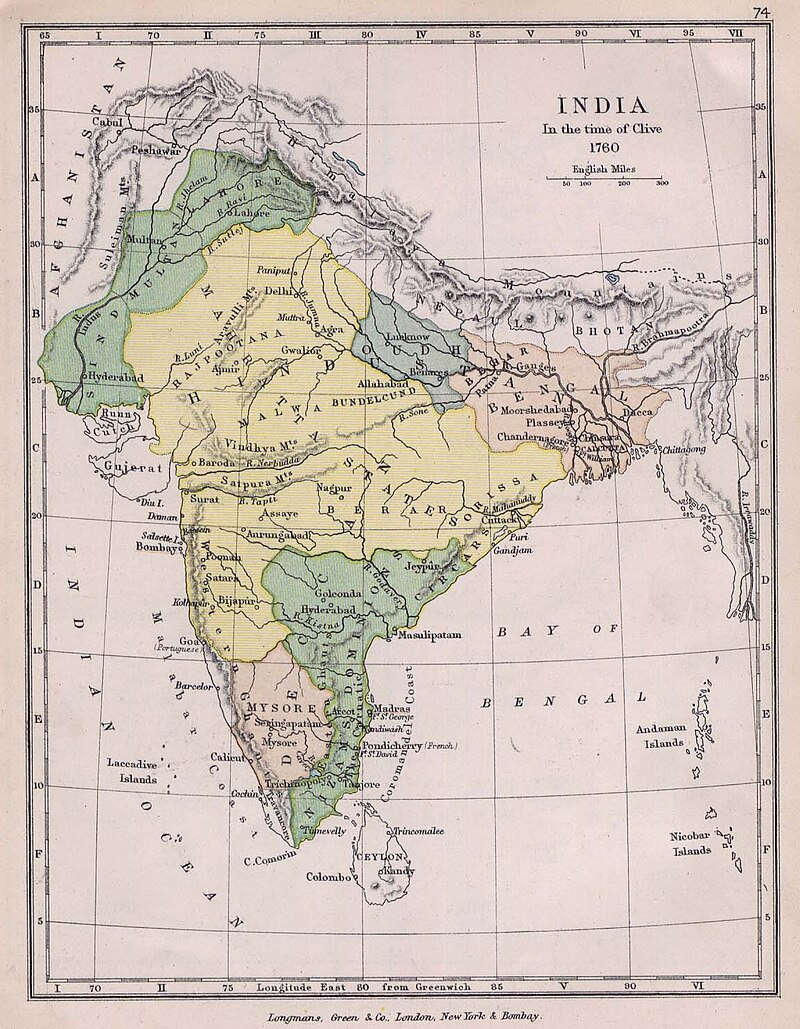
Louis-Benoit Zamor was born in 1762 in Chittagong1, a port city located in what is today Bangladesh. Zamor’s environment was marked by the rich and diverse cultural influences of the Bengal region, then under the rule of the powerful Mughal Empire2. However, his life took a dramatic turn when he was captured by slave traders at the age of eleven. This brutal practice was unfortunately common at the time, when young children like Zamor were torn from their environment to be sold far away.
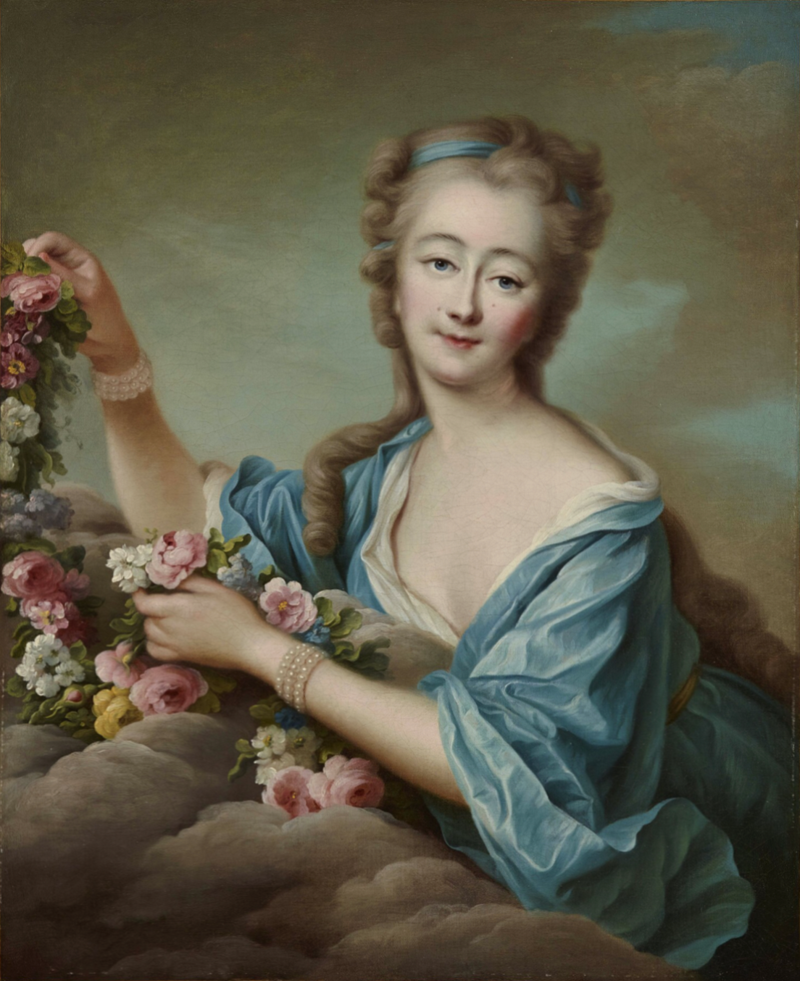
Transported through complex trade routes, Zamor eventually arrived in France, a foreign country where everything was unknown to him. He was presented as a gift to Madame Jeanne du Barry3, the favorite of King Louis XV. Introduced into the opulent world of the French aristocracy, Zamor was baptized and received a careful education, rare for an enslaved child. Madame du Barry, recognizing his intelligence and liveliness, ensured that he received instruction that included the arts and letters.
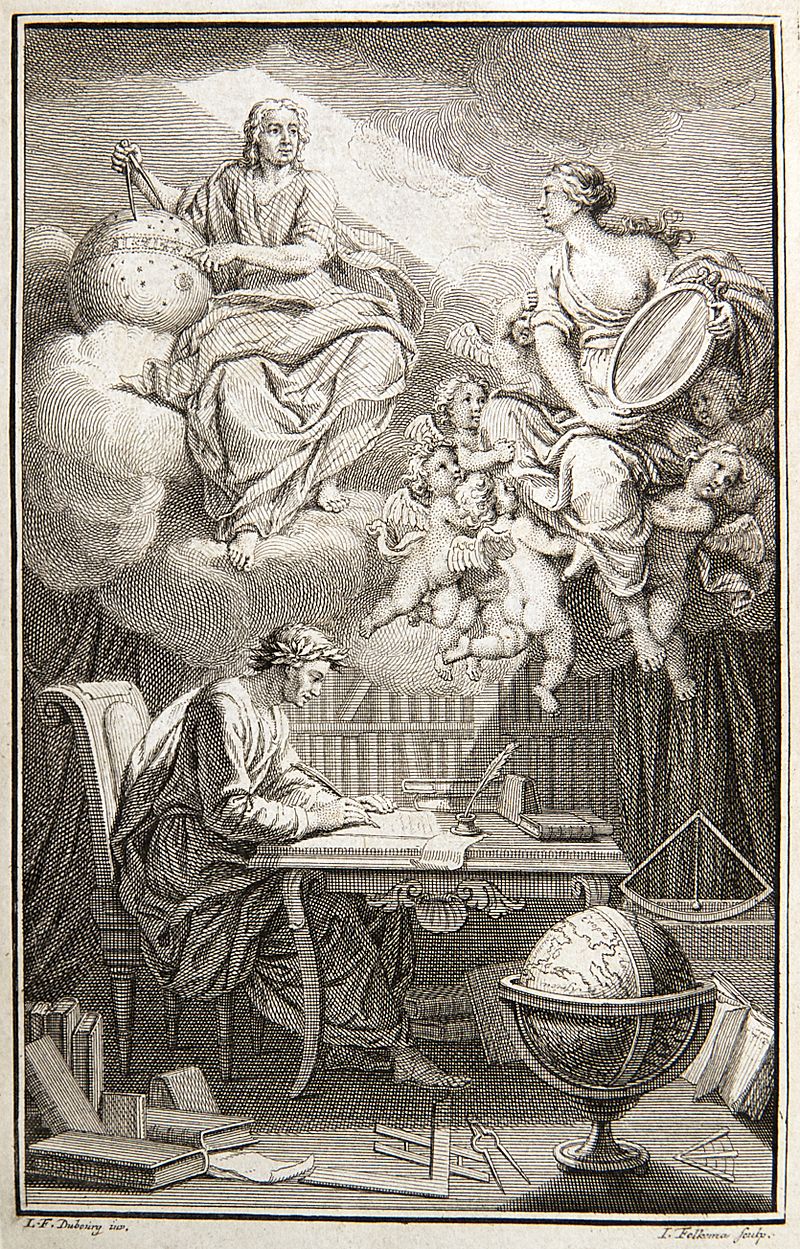
Zamor developed a particular affection for the writings of Jean-Jacques Rousseau4, notably his work “Émile, or On Education5”. The ideals of liberty, equality, and fraternity advocated by Rousseau deeply resonated with him, shaping his perspectives and his future aspirations.
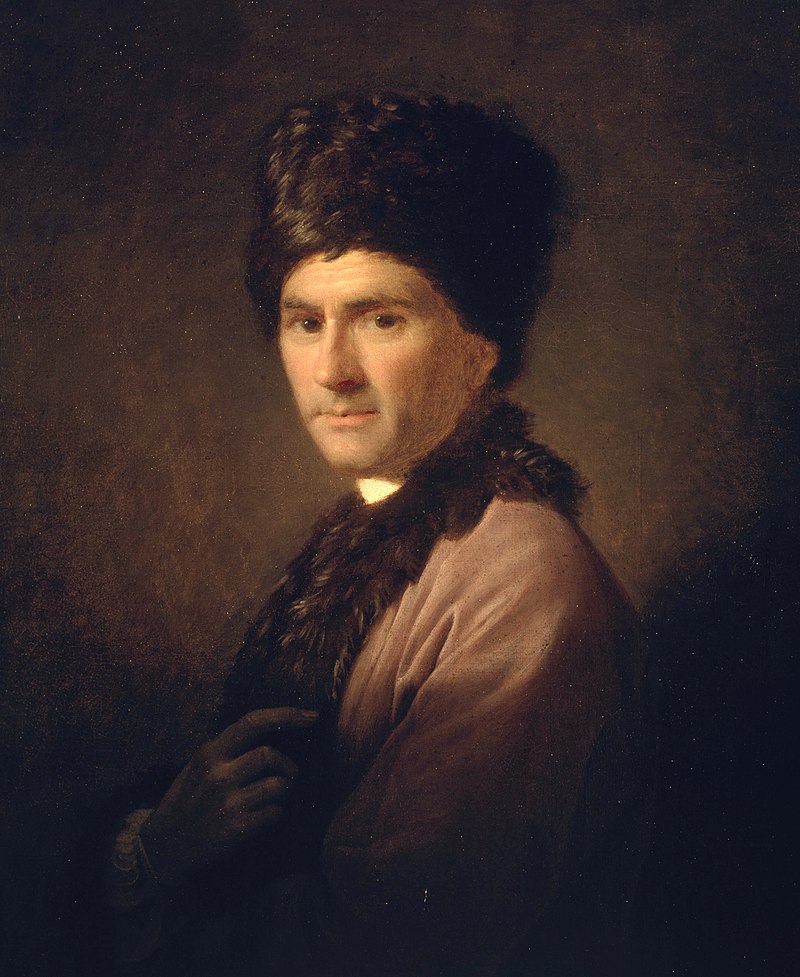
Zamor’s education was not limited to literature; he was also exposed to the revolutionary ideas that were beginning to emerge in France. Living in Versailles, he observed the glaring disparities between classes and the injustices inflicted on the less privileged, which sharpened his critical thinking and social awareness. These experiences prepared him to play an active role in the revolutionary upheavals that would soon shake France6.
Role of Louis-Benoit Zamor in the french revolution
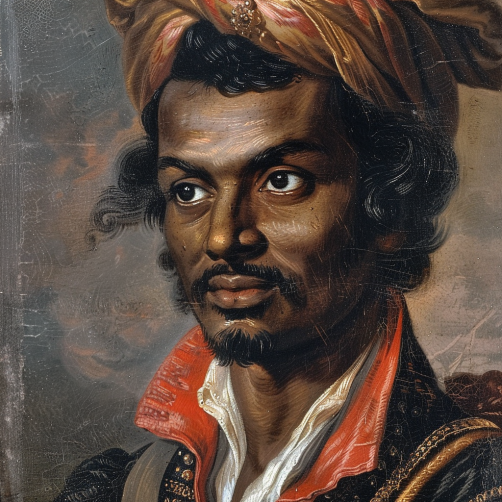
After being educated by the Comtesse du Barry, Zamor gradually became aware of the deep injustices perpetrated by the French aristocracy against the people. His transformation from servant to revolutionary was influenced not only by his readings of Enlightenment philosophers7 such as Rousseau, but also by his personal experience of oppression. As a person of color in pre-revolutionary French society, Zamor was particularly sensitive to themes of liberty and equality.
Zamor joined the Jacobins, a radical political group that played a central role in the French Revolution. The Jacobins8 advocated the abolition of aristocratic privileges and the establishment of a republic based on the rights of man. Within this group, Zamor quickly distinguished himself through his eloquence and his passionate commitment to the revolutionary cause.
The definitive break between Zamor and the Comtesse du Barry occurred when he became involved in revolutionary activities that led to her arrest. Zamor, having become a fervent republican, saw Du Barry as the embodiment of the opulence and corruption of the Ancien Régime. His testimony against her during her trial was crucial and contributed to her conviction and execution by guillotine in 1793. This action raises complex questions about loyalty, justice, and revenge, illustrating the moral dilemma faced by many revolutionaries.
Zamor’s case highlights the tension between revolutionary ideals of justice and the sometimes brutal actions required to overthrow the established order. By acting against Du Barry, Zamor believed he was contributing to the fall of an oppressive system. However, his role in the death of his former benefactor remains controversial, reflecting the brutality and contradictions of the Revolution itself.
The life of Louis-Benoit Zamor after the french revolution

After the end of the French Revolution, Louis-Benoit Zamor chose to lead a life away from the political spotlight that had propelled him to the forefront. He settled in Paris, where he embraced a modest but honorable career as an educator. This decision to turn to teaching perhaps reflects a search for normality and stability after the upheavals and betrayals of the revolutionary period.
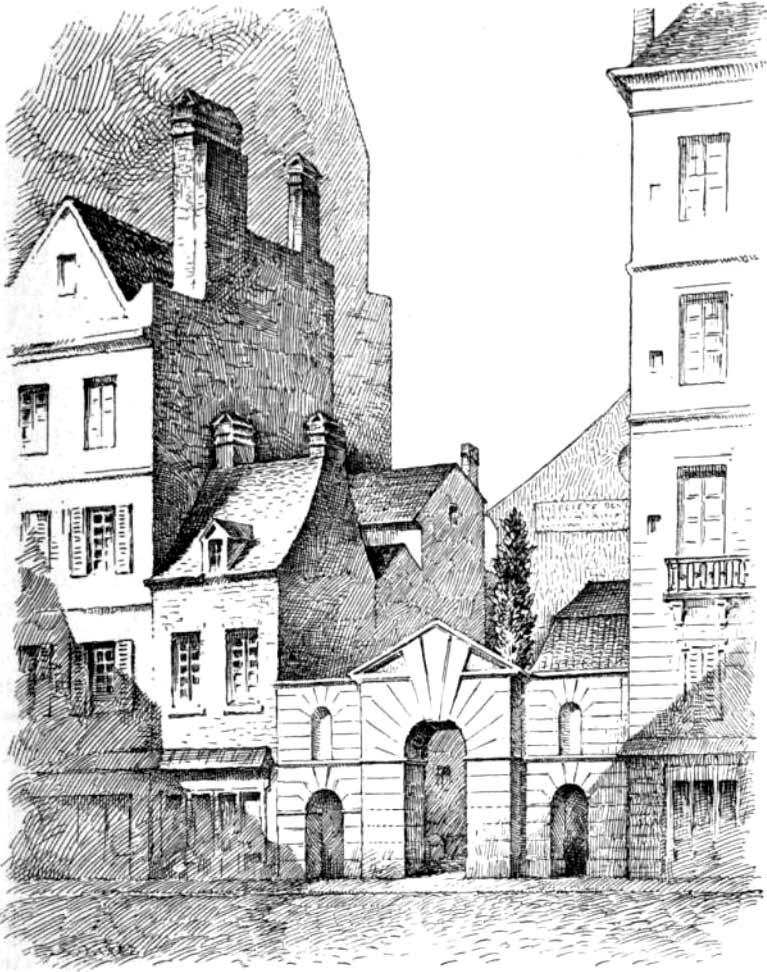
In the Latin Quarter9, Zamor shared his love for literature and Enlightenment ideas with his students. His commitment as an educator was rooted in his own learning experiences with the Comtesse du Barry and in his desire to promote ideals of equality and reason. Through education, Zamor sought to influence the younger generation in a more peaceful and constructive way than what he had experienced during the years of revolt.
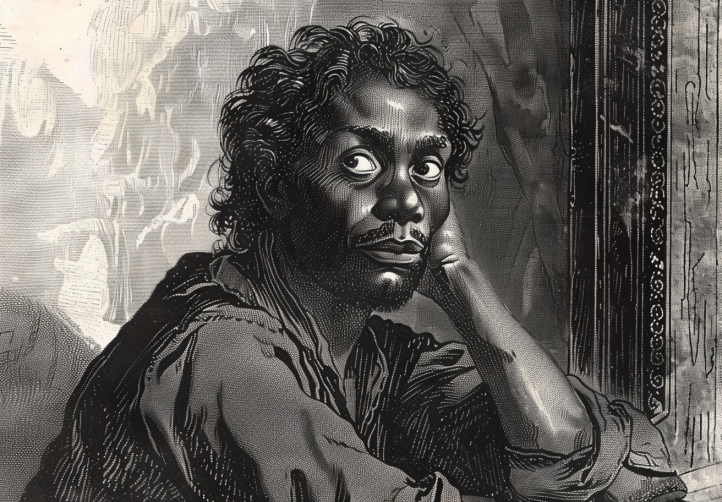
Zamor’s life after the Revolution was not without challenges. As a former enslaved person who became a revolutionary and then an educator, he often found himself on the margins of French society. Despite his significant contributions, he remained a controversial figure, and his post-revolutionary years were marked by financial difficulties and a certain social isolation. These elements highlight the often harsh realities for those who had played active roles in radical change.
Louis-Benoit Zamor died on February 7, 1820, in his modest Parisian residence. His death marked the discreet end of a man who had lived through extraordinary periods of French history. Zamor’s legacy remains complex; he is both celebrated for his role in the struggle against oppression and criticized for the sometimes extreme means he employed. His life and death offer a reflection on the personal costs of political change and on how historical figures are often reevaluated over time.
The life of Louis-Benoit Zamor serves as a powerful reminder that history is often written by those who hold power, but it is also made by those who dare to challenge that order. His legacy, although complex, is a testament to the struggle against oppression and for human dignity.


