

How did Idi Amin Dada, a simple Ugandan soldier, become one of the most bloodthirsty dictators of the 20th century? From his military rise to his murderous paranoia, this is an analysis of a regime built on repression, populism, and brutality.
On January 25, 1971, a military coup propelled Idi Amin Dada to the head of Uganda. The man, a soldier with raw ambition and uncontrollable violence, settled into power for eight years of a regime marked by repression, ethnic purges, and growing international isolation.
But how did a simple illiterate soldier become one of the most bloodthirsty dictators of the 20th century? What mechanisms allowed him to rule through fear and propaganda? This is the first article in a series of six that explores how Idi Amin Dada manipulated, eliminated, and terrorized in order to establish himself as the uncontested tyrant of Uganda.
1. The rise of a brutal soldier: From military kitchen to the summit of power
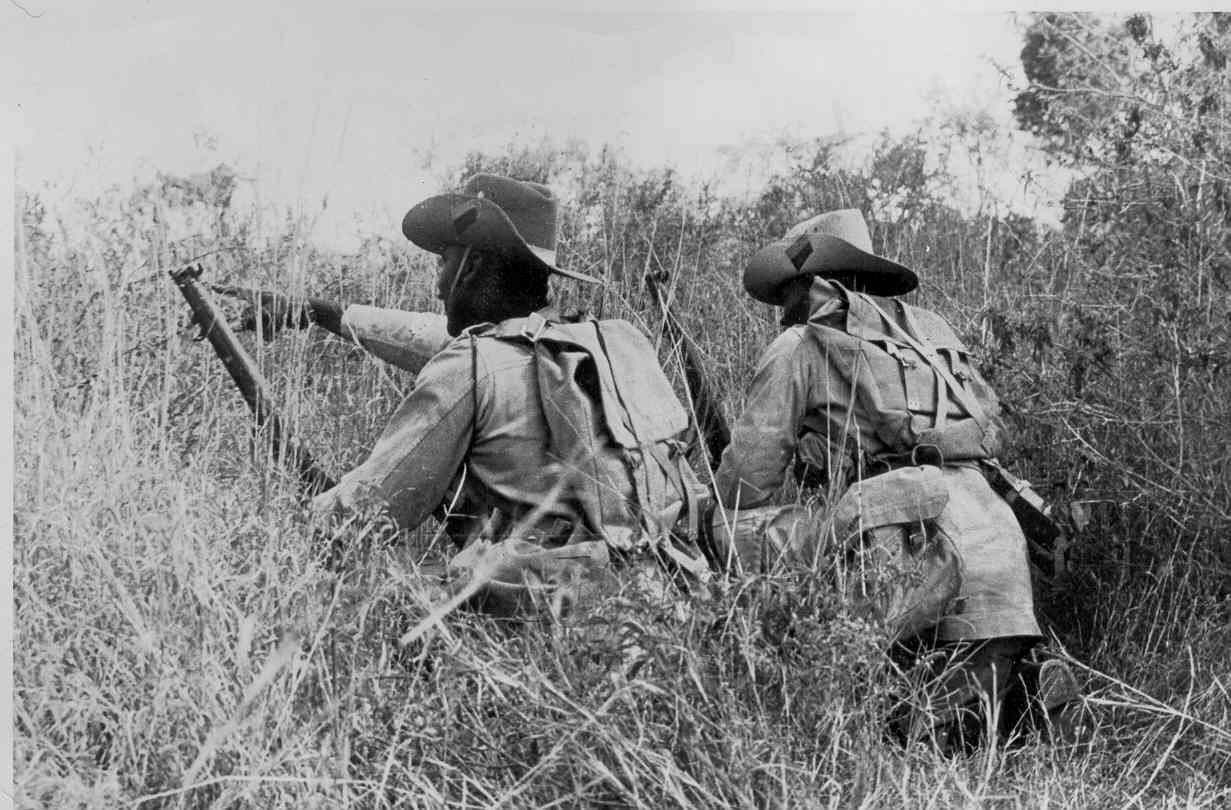
Idi Amin Dada was not destined to lead a country. Born around 1925 in Koboko, in present-day Uganda, he grew up in a modest family from the Kakwa ethnic group, a minority in the country. With little education, he left school early and turned to a military career, one of the few ways for a poor young man to climb the social ladder during the colonial era.
In 1946, at about 21 years old, he enlisted in the King’s African Rifles (KAR), a unit of the British colonial army. But unlike future British officers, Amin began at the bottom of the ladder, assigned to the most menial tasks: assistant cook, washerman, errand boy.
However, British officers noticed his impressive physical strength — a giant standing 1.91 meters tall and weighing more than 100 kg — and decided to give him soldier training. His rise then began, not thanks to academic education or exceptional strategic intelligence, but through his brutality, his unwavering loyalty to orders, and his complete lack of hesitation in using extreme violence.
From colonial repression to a military career
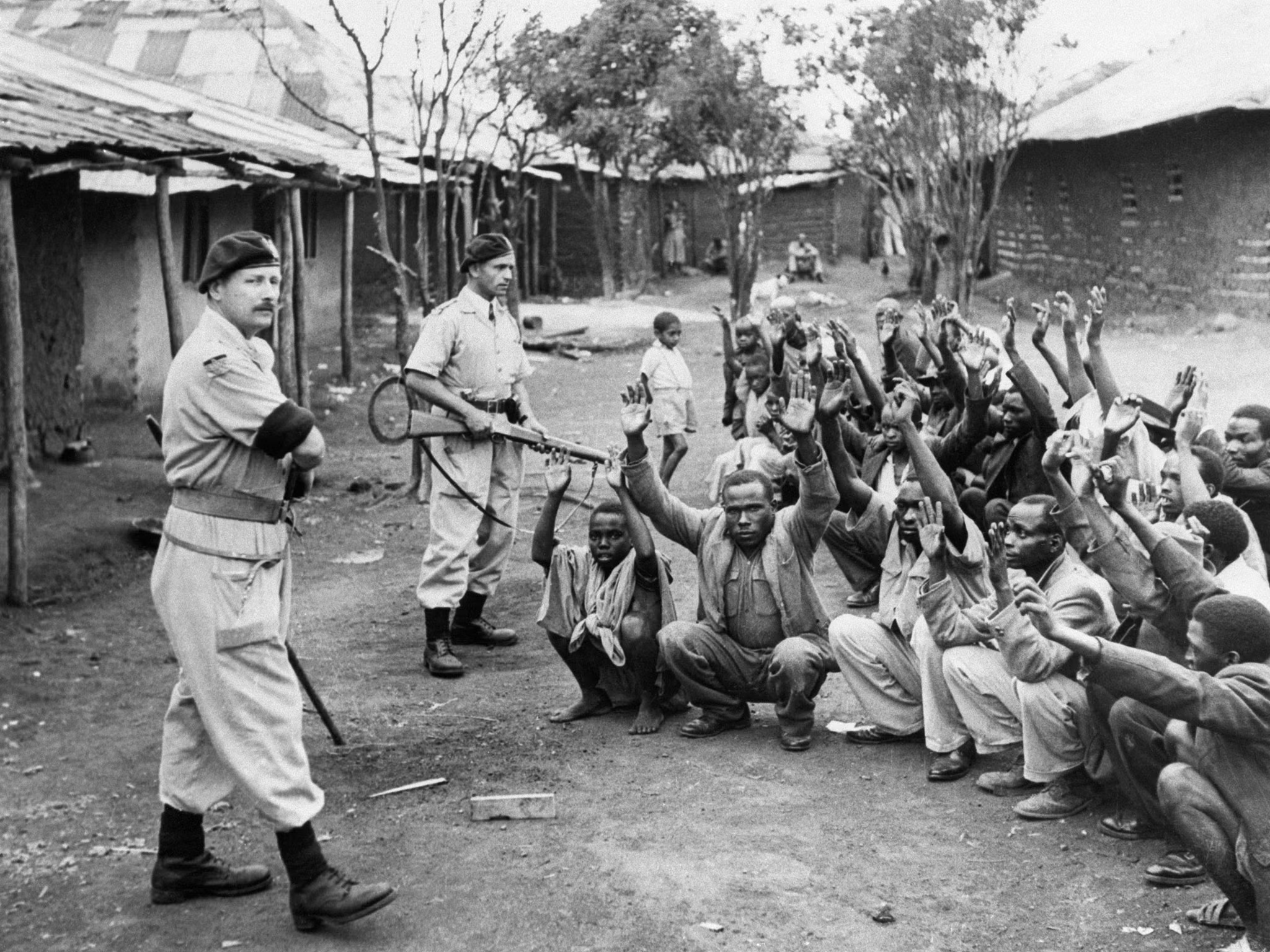
Within the King’s African Rifles, Amin took part in several British military operations, notably:
The repression of the Mau Mau uprising in Kenya (1952–1956): he was sent to hunt down, torture, and kill Kenyan insurgents, often using methods of extreme brutality.
Operations in Somalia against Somali nationalists seeking to free themselves from British colonial rule.
Thanks to his ferocity, he quickly climbed the military ranks:
1953: promoted corporal, then sergeant
1958: becomes the first Black non-commissioned officer of a British regiment
1961: reaches the rank of lieutenant
Amin was not a strategist, but a ruthless executor, always ready to dirty his hands for his superiors.
An officer loyal to the colonizers, then to Milton Obote
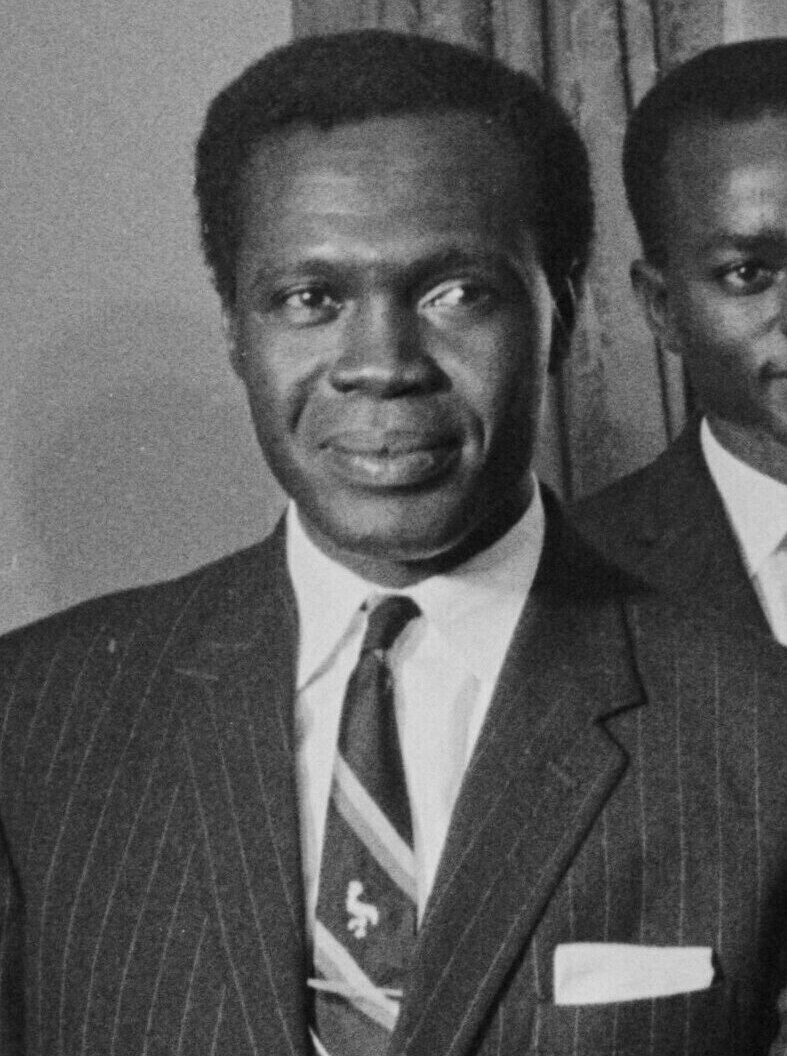
When Uganda gained its independence in 1962, the army became a major stake: who would control it? Milton Obote, the prime minister, saw in Idi Amin a perfect instrument to consolidate his power.
Why did Obote trust Amin?
He had no political culture — unable to read or write fluently, he represented no intellectual threat.
He was loyal and brutal — Obote knew he could rely on him to repress any opposition without asking questions.
He was charismatic and popular within the army, especially among illiterate soldiers who saw in him a model of success.
Obote rewarded him generously: in 1966, he appointed him deputy commander-in-chief of the Ugandan army.
The first bloodbath: The elimination of King Mutesa II
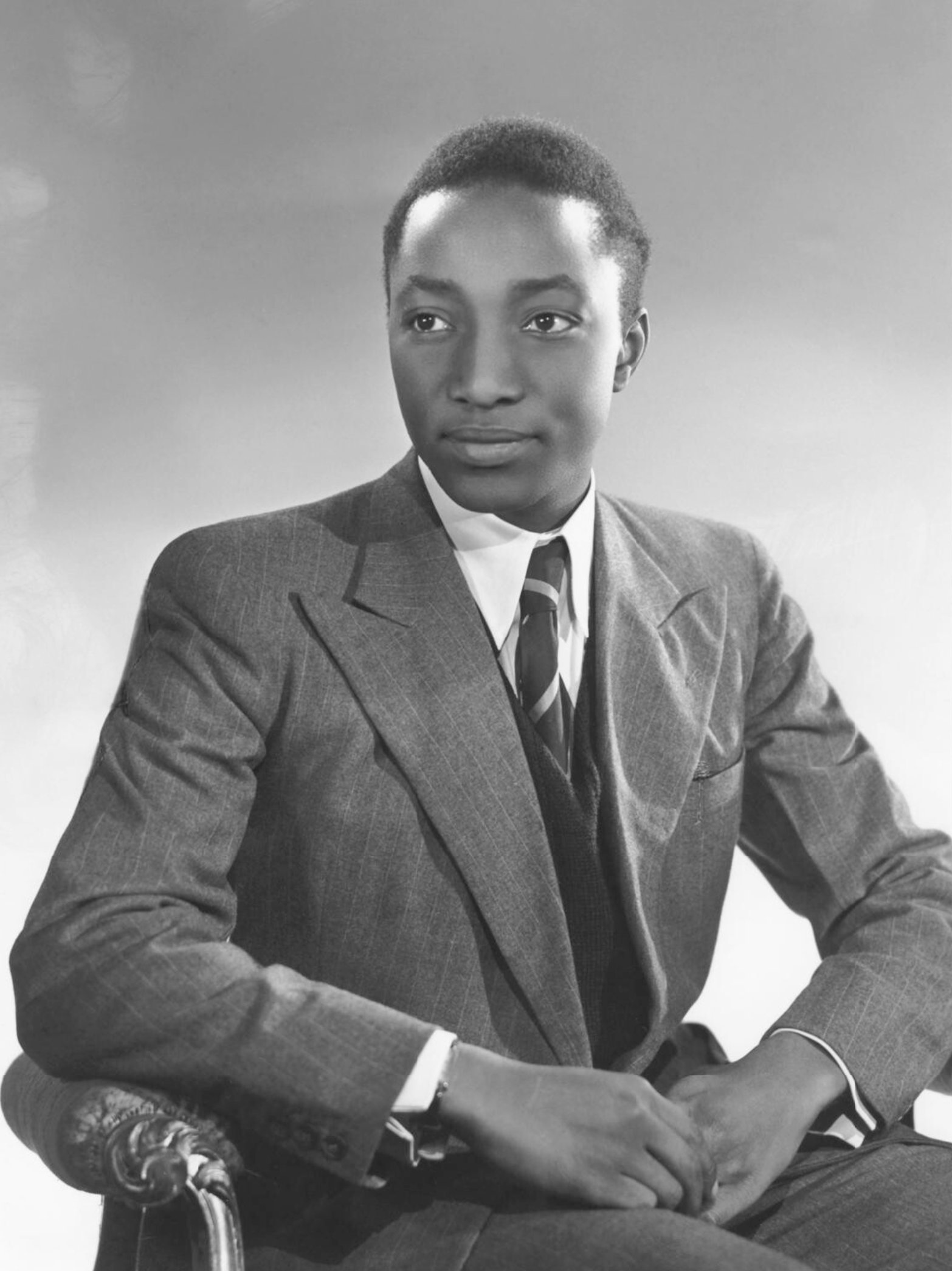
The future dictator’s first full-scale test took place in 1966.
At the time, Uganda was a federal republic with several traditional kingdoms, including Buganda, ruled by King Mutesa II, who was also president of the republic. But Mutesa and Obote came into conflict: Obote wanted to centralize power, while the king defended Buganda’s autonomy.
That is when Obote used Amin as his armed arm.
March 1966:
Obote gave the order to invade the king’s palace with the army
Amin personally led the attack
The palace was stormed, and hundreds of the king’s supporters were massacred
Mutesa fled into exile in the United Kingdom, where he would die in 1969
This episode marked a turning point: for the first time, Amin tasted absolute power and realized he was only one step away from the summit.
The shadow of a coup: Amin prepares his move
After the Buganda massacre, relations between Obote and Amin deteriorated.
Obote began to understand that his right-hand man had become too powerful. Amin had allies in the army, connections with British and Israeli intelligence services, and above all a growing taste for power.
In 1969, an assassination attempt targeted Obote, who narrowly escaped death. Amin was suspected of being behind the attack, but Obote lacked the evidence to arrest him.
The tension rose:
In 1970, Obote reduced Amin’s powers and placed him under surveillance.
In January 1971, he planned to arrest him officially.
But Amin was one step ahead. He knew that if he did not strike first, he would be eliminated.
The Coup of January 25, 1971: Amin seizes power
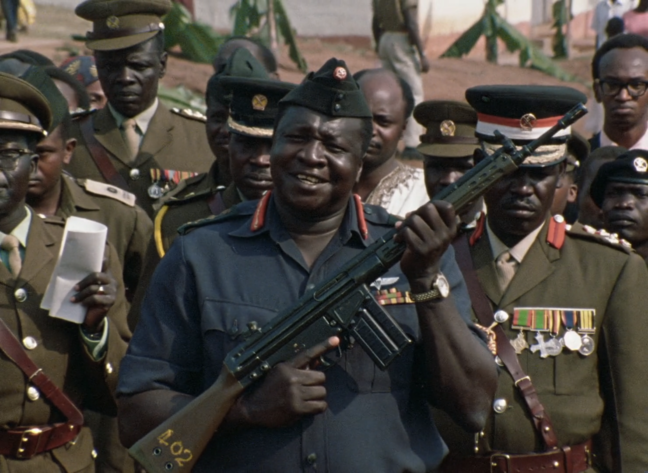
On January 25, 1971, while Obote was attending a meeting of Commonwealth heads of state in Singapore, Idi Amin launched his coup.
The army took control of strategic buildings in Kampala.
The national radio announced that Idi Amin was the new leader of the country.
Obote, trapped abroad, could do nothing and went into exile in Tanzania.
From the very first days, Amin promised a “new beginning”:
He claimed he would not remain in power for long.
He announced democratic elections in the near future.
He released some political prisoners.
But these false promises did not last. Within a few weeks, the face of the tyrant appeared.
Amin’s dictatorship had begun.
Idi Amin’s rise owed nothing to political genius or to a clear ideology. He prospered thanks to three key elements:
Boundless brutality, which appealed both to British colonizers and to Milton Obote
An instinctive intelligence for manipulating his superiors and anticipating their weaknesses
Key military support, allowing him to eliminate all his opponents without opposition
But what followed would be even more terrifying: once at the top, Idi Amin would no longer try to please or reassure anyone. He would give free rein to his paranoia and his sadism.
Uganda did not yet know it, but it had entered the darkest era of its history.


