

The film Muganga sheds light on a truth suppressed for far too long: in the Democratic Republic of the Congo, rape is used as a weapon of war and genocide. Nofi proposes to map this tragedy and to understand why, for more than twenty years, bodies have become the battlefield of a forgotten conflict.
Mapping Horror
On the map of Africa, the Democratic Republic of the Congo appears as a wounded colossus. The second-largest country on the continent, at the heart of the Great Lakes region, it concentrates every contradiction: vast territory, exceptional mineral wealth, but also chronic instability, civil wars, and foreign interference.
It is within this landscape of mountains, forests, and immense lakes that one of the most chilling tragedies of our time unfolds. Since the late 1990s, rape has been used there as a weapon in its own right. Not as collateral damage, but as a military strategy. The United Nations summarized this horror in a figure that has become symbolic: forty-eight women raped every hour in the country. But behind the statistic lie shattered lives, entire villages traumatized, generations marked by fear and shame.
In eastern Congo, the body has become a war front. Militias, regular armies, and rebel groups have turned it into a tool of domination, terror, and destruction. And in the wake of this violence, it is not only flesh that is broken: it is the social fabric, the very idea of community.
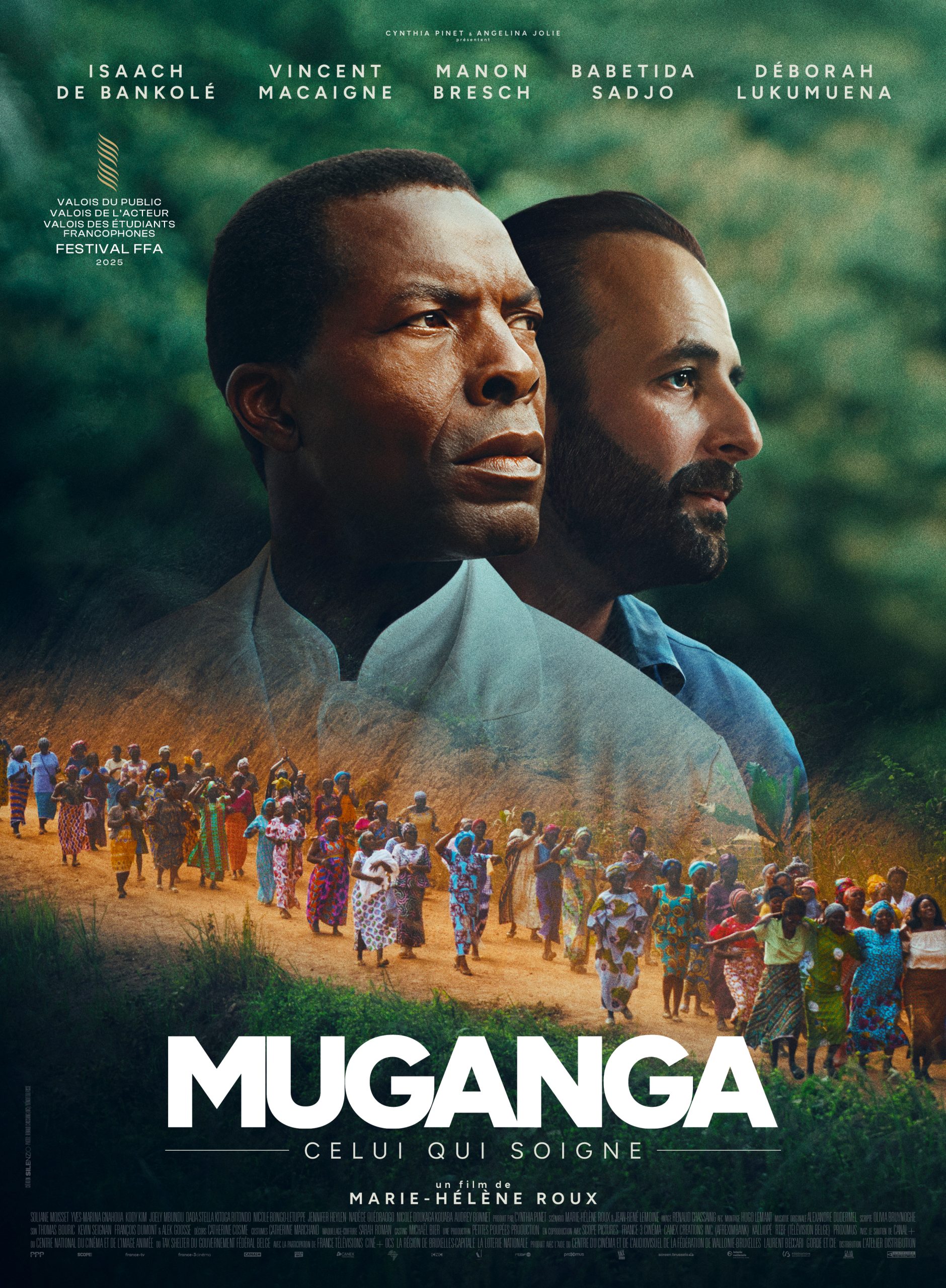
This is precisely the reality portrayed in Muganga, the Healer, the new film by Marie-Hélène Roux starring Isaach de Bankolé. Through the fate of a doctor confronting the unspeakable, the work reveals the scale of the Congolese tragedy and gives a face to the survivors. Where numbers freeze, cinema embodies. Where horror dissolves into reports, Muganga reminds us that every rape is a weapon aimed at humanity as a whole.
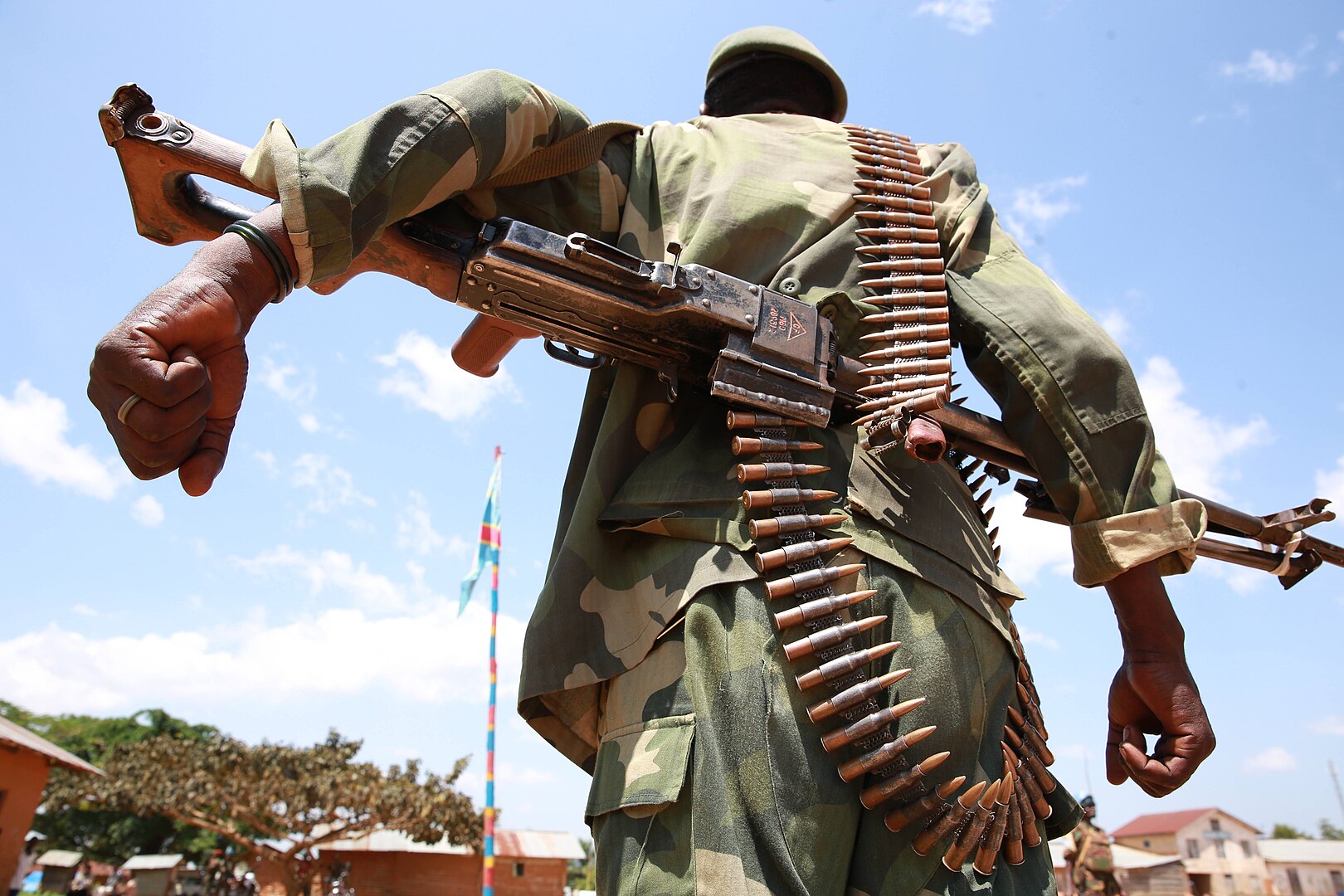
To understand this tragedy, the DRC must first be placed within its geopolitical context. Since the fall of Mobutu Sese Seko in 1997 and the rise to power of Laurent-Désiré Kabila, the country has been the scene of two major wars, sometimes referred to as “Africa’s First and Second World Wars.” Between 1996 and 2003, no fewer than nine African countries were involved: Rwanda, Uganda, Angola, Zimbabwe, Namibia, among others.
At the heart of these wars lay the Kivu region and Ituri. This borderland with Rwanda, Burundi, and Uganda is strategic territory: trade routes, rare minerals (coltan, cassiterite, gold), fertile land. Every armed actor—whether a foreign army or a local militia—sought to impose control there.
The institutional chaos of the time, the collapse of the Congolese state, and the proliferation of armed groups created a climate conducive to mass violence. Civilians became the primary victims. And it was in this context that the systematic use of rape as an instrument of war emerged.
Vivien LATOUR
Throughout the history of conflict, rape has often been present. But in the DRC, its use takes on a particular dimension. It is practiced not marginally or accidentally, but as a central element of war tactics.
The objectives are multiple. The first is terror. By inflicting gang rapes, often publicly, militias seek to break the morale of populations, provoke mass displacement, and empty entire territories. The second is social destruction. In societies where family cohesion is foundational, rape undermines bonds, isolates survivors, generates shame and rejection. The third objective, even more sinister, is biological destruction: forced pregnancies, deliberate transmission of HIV, sexual mutilations intended to render victims sterile.
It is no coincidence that international law, since the trials of the International Criminal Tribunals for Rwanda and for the former Yugoslavia, recognizes rape as a crime against humanity and, in certain cases, as an act of genocide. In Congo, this recognition remains largely theoretical: perpetrators of these crimes almost always enjoy impunity.
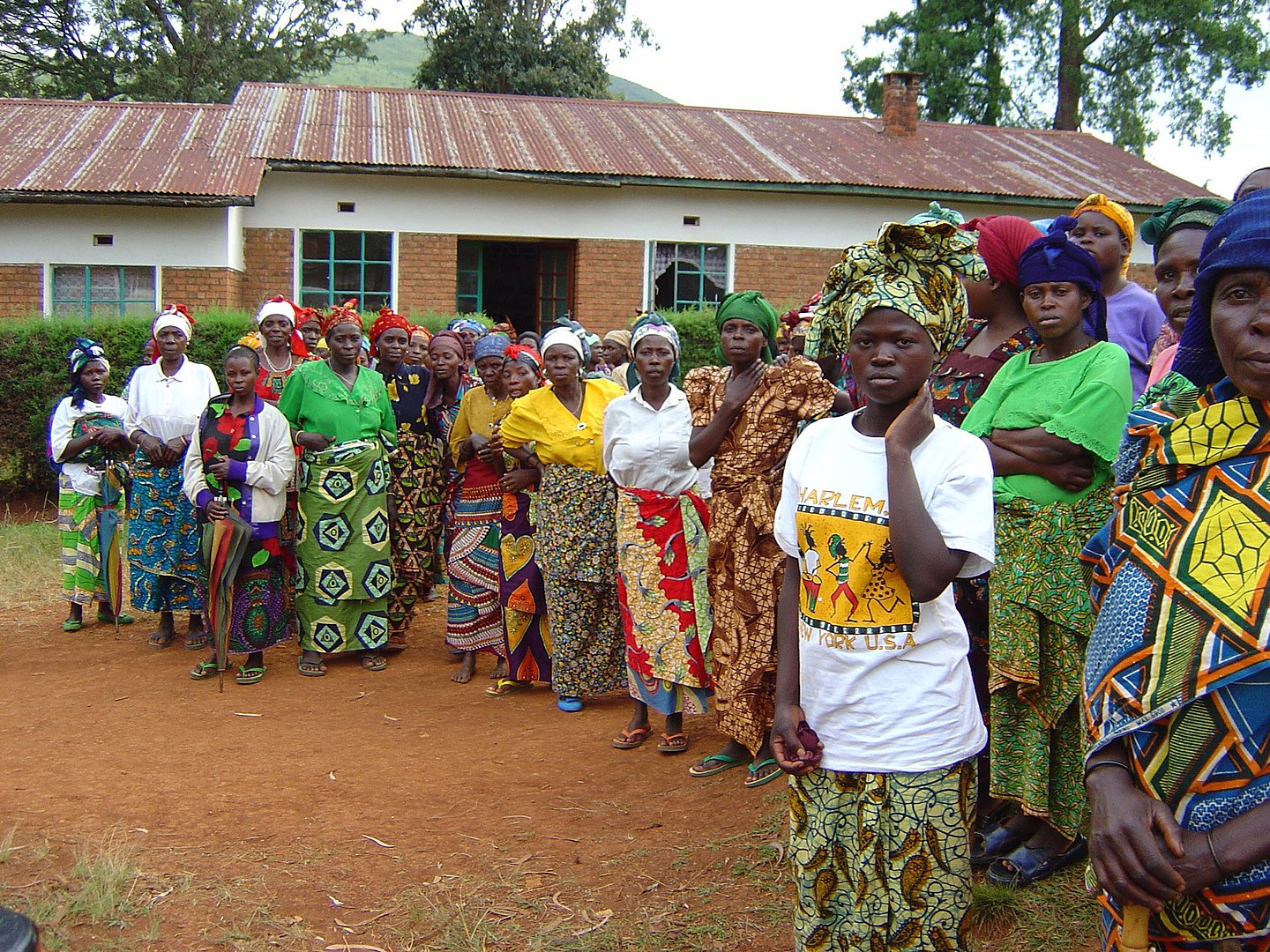
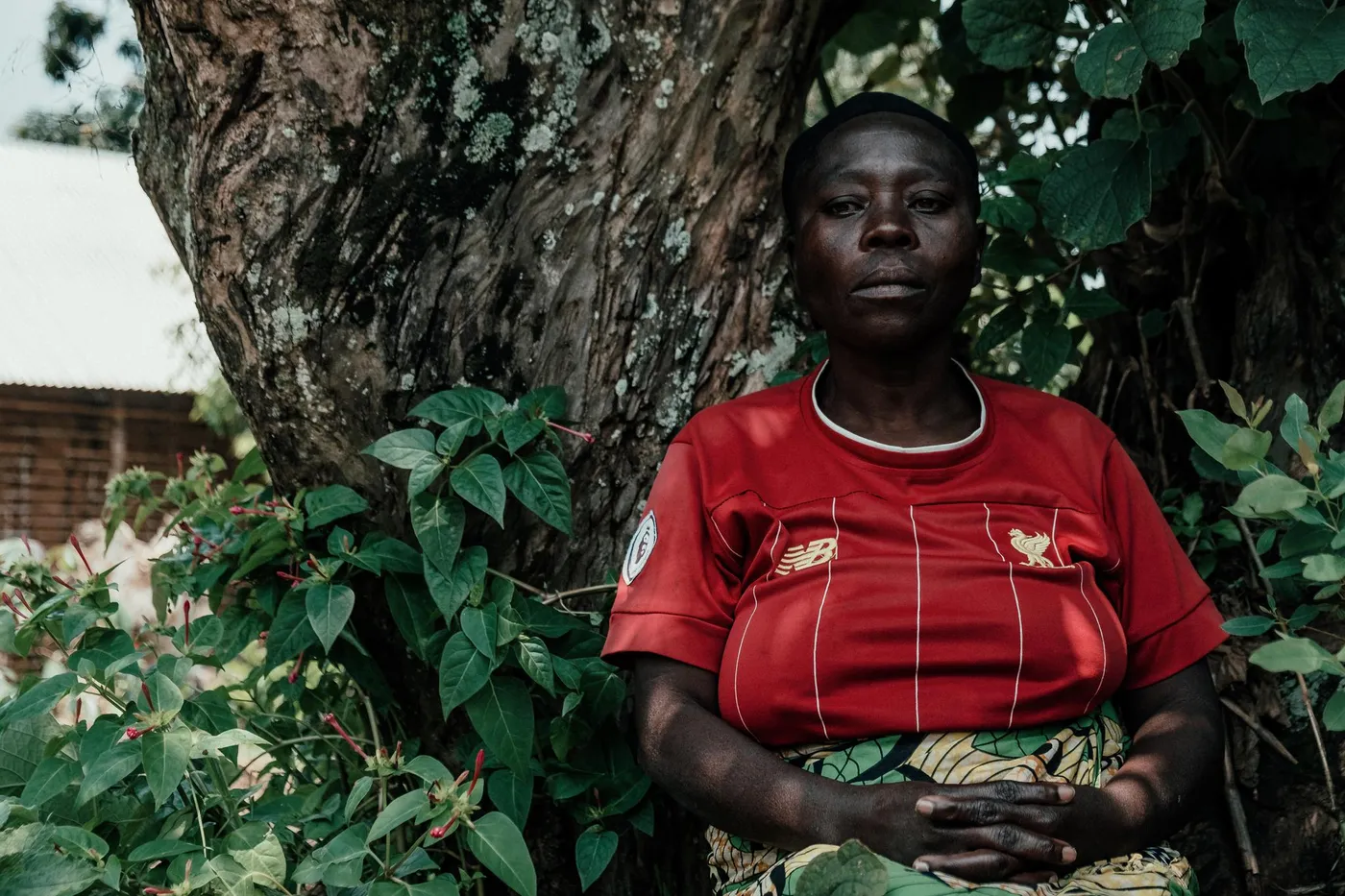
The accounts collected by NGOs and survivors are unbearable. Women as young as five, others as old as seventy, raped by armed groups. Men and boys also assaulted—a subject long taboo and still largely invisible. Rapes accompanied by mutilation, torture, sometimes murder.
The consequences extend far beyond the moment of assault. Survivors suffer severe physical trauma: fistulas, sexually transmitted infections, forced pregnancies. But they also endure social violence: rejection by husbands, marginalization within their communities, the impossibility of returning to a normal life. Children born of these assaults carry a stigma that is difficult to erase.
In villages of Ituri or North Kivu, residents speak of a “war of wombs,” where women’s bodies become the site of confrontation between communities. This reality, described by researchers and activists, illustrates the radical nature of the violence.
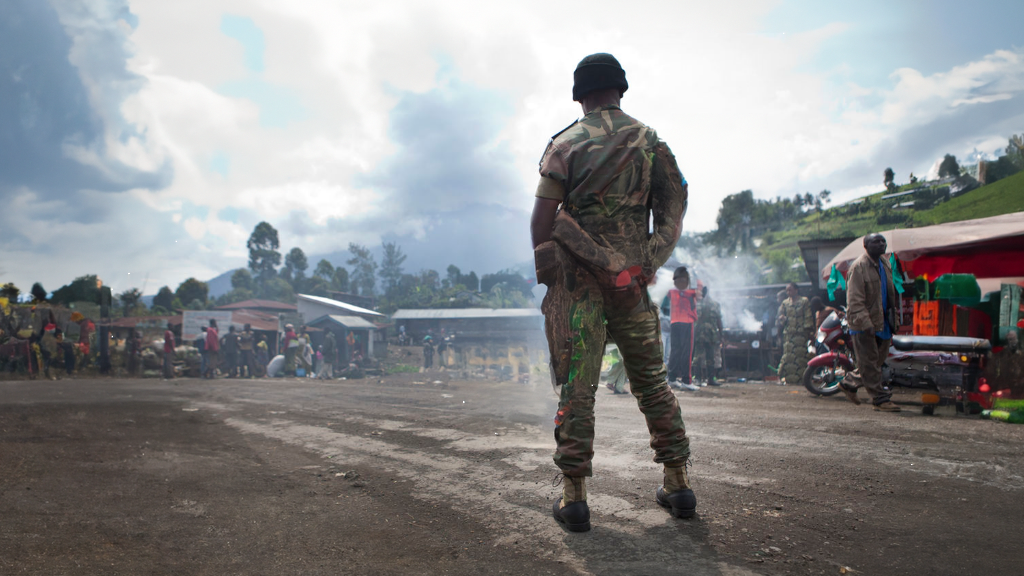
Despite the scale of the crimes, trials are exceedingly rare. The Minova case in 2012 remains emblematic: after more than 100 women were raped by Congolese soldiers, only two convictions were handed down. The United Nations produced the “Mapping Report,” listing 617 major incidents of serious human rights violations between 1993 and 2003. But this explosive document has largely remained a dead letter.
Why such impunity? Because those responsible sometimes belong to regular armed forces. Because judicial mechanisms are weak, corrupt, or instrumentalized. Because the international community, despite its declarations, has never imposed genuine international justice for the DRC.
This impunity fuels a vicious cycle: as long as criminals are not punished, violence repeats itself.
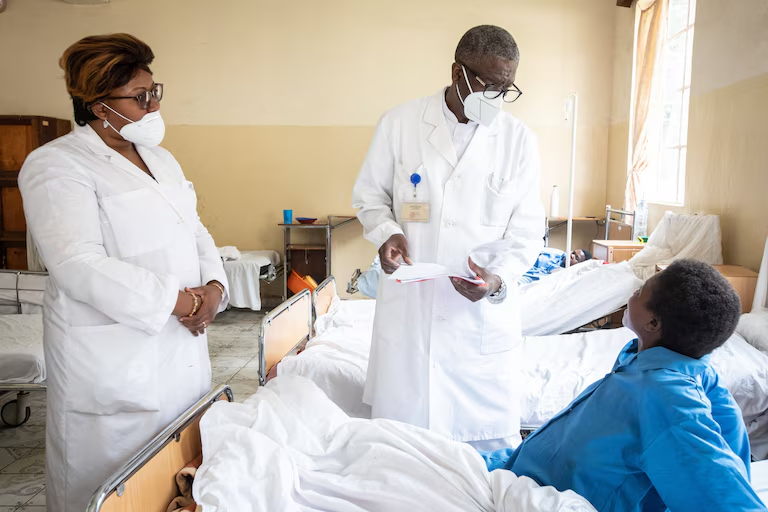
In this dark landscape, figures have risen. The most well-known is undoubtedly Dr. Denis Mukwege. At Panzi Hospital in Bukavu, he has treated tens of thousands of survivors. His work as a surgeon, but also as an activist, earned him the Nobel Peace Prize in 2018.
Alongside him, other voices: Julienne Lusenge, feminist activist and founder of the NGO SOFEPADI; Tatiana Mukanire, survivor turned author; the women of the City of Joy, a center for rehabilitation and rebuilding. All carry a common message: transform pain into strength, silence into speech, injustice into struggle.
These initiatives are not enough to halt the war machine, but they remind us that humanity resists even in darkness.
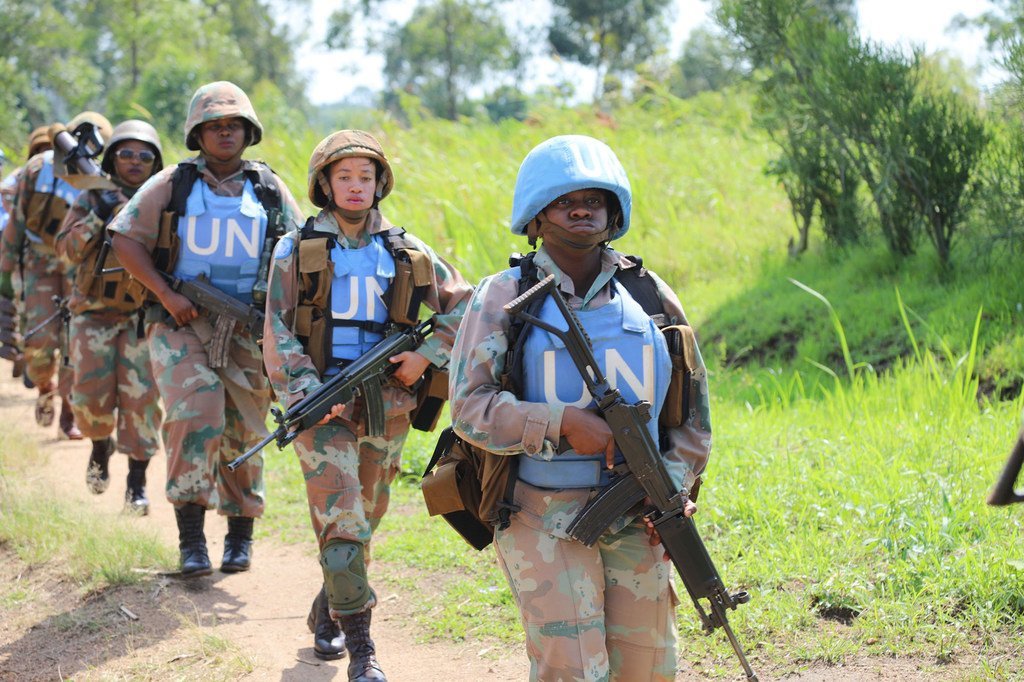
Even today, despite peace agreements and the presence of MONUSCO, sexual violence continues. Armed groups, rebels, sometimes even regular soldiers, persist in using rape as a weapon of terror.
The question of legal status remains crucial. Should rape be recognized internationally as a weapon of genocide in its own right? Legal debates move slowly, but the reality on the ground imposes an obvious conclusion: this is indeed a strategy of annihilation.
Cinema, literature, and the arts play a growing role in breaking the silence. The film Muganga belongs to this lineage, giving sight and sound to what statistics fail to convey. It places the viewer before a stark truth: the war in Congo is also a war against bodies.
Mapping dignity
The war in the Democratic Republic of the Congo is often described as a war for minerals. But it is also, and perhaps above all, a war of bodies. A war in which rape is used as a weapon of mass destruction, a war whose survivors carry the scars in their very flesh.
Faced with this reality, one question persists: how much longer will these crimes remain unpunished? How much longer will the world accept that women’s bodies serve as battlefields?
Yet the story does not end there. In this wounded country, forms of resistance are organizing. Doctors, activists, survivors stand against silence. Their struggle now finds new resonance on screen through Muganga, the Healer, Marie-Hélène Roux’s film starring Isaach de Bankolé. By giving flesh to these narratives, by embodying the fight for dignity and reparation, cinema becomes memory and a weapon of truth.
For Muganga does not merely tell a story: it compels us to confront what has too long been ignored. And it reminds us that one day, perhaps, the map of Congo will no longer be only that of minerals and violence, but also of healed scars and restored dignity.
Notes and References
- United Nations – Human Rights Council, Mapping Project – Report of the Mapping Exercise documenting the most serious violations of human rights and international humanitarian law committed in the Democratic Republic of the Congo between March 1993 and June 2003, Geneva, 2010.
- Office of the United Nations High Commissioner for Human Rights, Rape as a weapon of war and genocide, special report, 2015.
- UN Women, Women, Peace and Security Report – Democratic Republic of Congo, 2020.
- Médecins Sans Frontières, Shattered Lives: Immediate medical care vital for sexual violence victims in DRC, mission report, 2011.
- Human Rights Watch, Soldiers Who Rape, Commanders Who Condone: Sexual Violence and Military Reform in the Democratic Republic of Congo, 2009.
- Denis Mukwege, Plaidoyer pour la vie: La lutte contre les violences sexuelles en temps de guerre, Paris: Éditions du Seuil, 2014.
- Tatiana Mukanire Bandalire, Au-delà de nos larmes: témoignage d’une survivante congolaise, Actes Sud, 2020.
- Julienne Lusenge, interventions at the United Nations Security Council, 2019–2023.
- The Guardian, “DR Congo: rape as a weapon of war,” special dossier, 2010–2021.
- Le Monde Afrique, “Violences sexuelles en RDC: un crime de masse impuni,” October 17, 2019 edition.
- Nobel Prize Committee, Press Release: The Nobel Peace Prize 2018 – Denis Mukwege and Nadia Murad, Oslo, 2018.
- International Criminal Court (ICC), Prosecutor v. Bosco Ntaganda – Judgement on charges of rape and sexual slavery, The Hague, 2019.
Summary
- Mapping Horror
- Mapping Dignity
- Notes and References


