

In 1886, John Pemberton, an American pharmacist, created the original formula of Coca-Cola. What you may not know is that one of the ingredients he used was the kola nut.
The kola nut is a remarkable fruit from the kola tree, native to the tropical forests of West Africa.
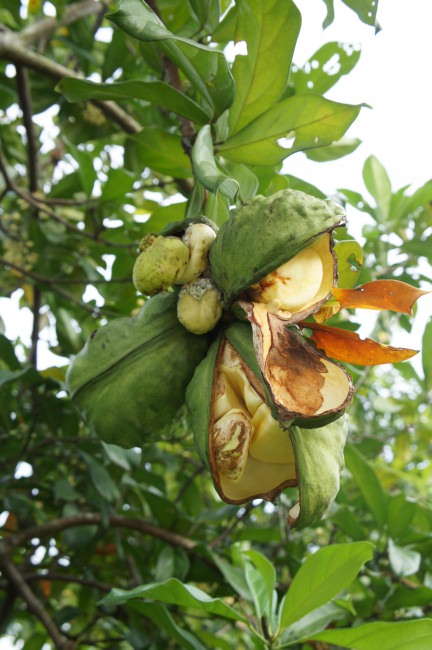
Since time immemorial, in this region, the kola nut has been cherished by the rich and the poor, by men and women, by practitioners of traditional religions, Muslims, and Christians alike. It is a shared symbol that has accompanied marriages, ceremonies, funerals, religious practices, and business agreements.
These nuts are very high in caffeine, equivalent to two cups of coffee. Their taste starts off bitter but ultimately develops a sweet note, and they offer many health benefits.
In the imperial era, caravaners and travelers crossing the Sahara understood the medicinal virtues of the nut and willingly exchanged it for gold dust.

In traditional medicine, it is recommended to chew a piece after lunch to aid digestion. It is also an excellent anti-inflammatory, and the caffeine concentrated in the fruit boosts energy and focus. It is beneficial for everyone except those allergic to nuts, those suffering from insomnia, or those with high blood pressure.
In the past, the nuts were also used as currency and as a dye for fabrics. Since it was believed to combat cowardice and make men eager to fight, it was given to troops on the battlefield.
Today, they are used in weddings, and those who chew kola together show the world that they love and support each other.

In Igbo culture, in Nigeria, the kola nut is called Oji. It is considered sacred, used in prayers, and regarded as a means of communication between the living and the spiritual world. It is seen as a welcoming gift and is often the first thing presented to guests. It symbolizes blessing, and breaking it marks the beginning of major events.
In the book Things Fall Apart, the author Chinua Achebe mentions the consumption of kola nuts at least ten times and illustrates their significance in Igbo culture with the phrase: “He who brings kola brings life.”

In the West, kola was popularized in the 19th century. Nuts were shipped by the ton to Europe and the United States and used to make drinks and medicines. John Pemberton, the inventor of Coca-Cola, was one of the last to try using it in his formulations. He combined kola nut extract with sugar and carbonated water to create the first Coca-Cola recipe, called French Wine Coca.
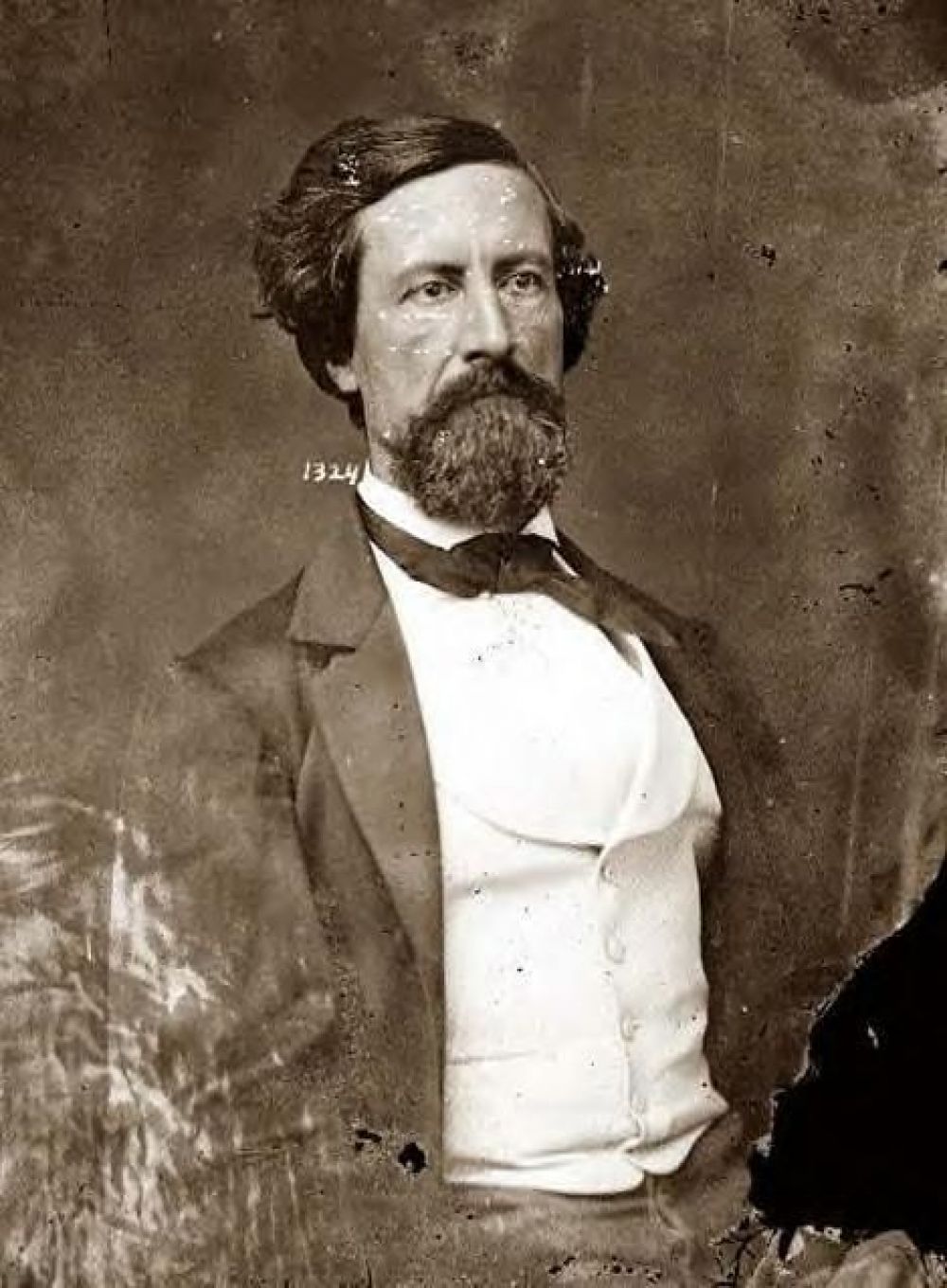
Shortly afterward, the formula was purchased by entrepreneur Asa Griggs Candler, who refined certain details and, through an intense marketing campaign, brought to life the beverage we know today. Nowadays, the Coca-Cola recipe is a closely guarded secret. However, it is said that it no longer contains kola nut extract and has been replaced by artificial flavorings.
From now on, when you drink Coca-Cola, you will know a little more about its history. The global success of this beverage should make us, Africans, reflect on the fact that the tools for tomorrow’s and today’s inventions could already be in our hands.
Notes and References
“1880 – 1889 from John S. Pemberton to Asa Candler,” www.coca-colaitalia.it
“Kola Nut, the untold African story behind Coke and Pepsi,” thinkafrica.net, April 4, 2019


