

Dive into the history of Mamie and Kenneth Clark’s “doll test,” a pioneering study revealing the impact of racism on self-perception among African American children. This research played a crucial role in the landmark Brown v. Board of Education decision, marking a turning point in the fight against racial segregation.
The doll test: a window into children’s hearts and minds in the face of racism
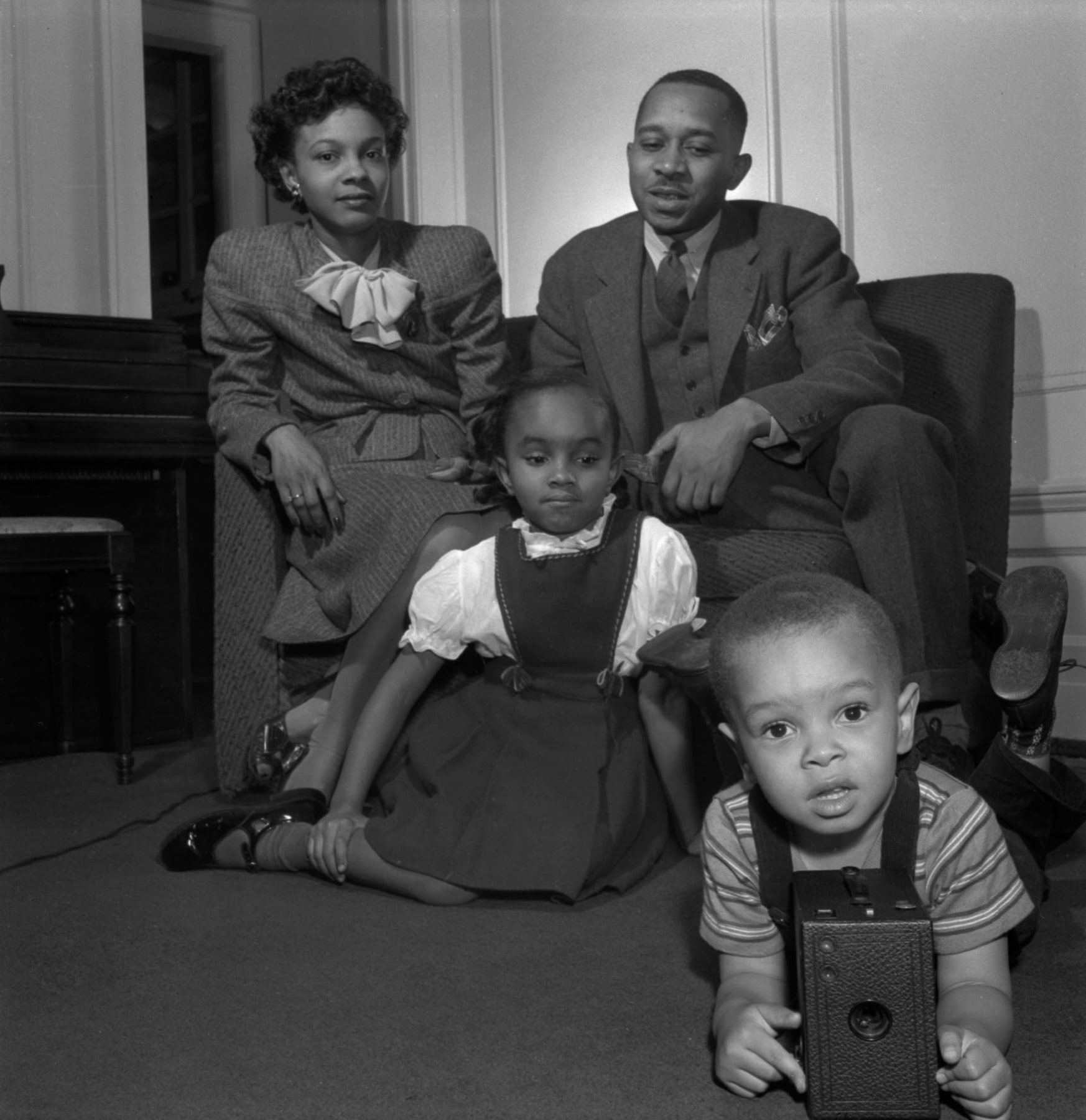
A historic turning point in the civil rights struggle
In the fascinating history of the fight for civil rights in the United States, one episode stands out: the Brown v. Board of Education case. This historic Supreme Court decision, issued on May 17, 1954, ended racial segregation in American schools. At the heart of this revolution was an extraordinary couple of scientists, Mamie and Kenneth Clark. These two Black psychologists dedicated their lives to studying and combating racial prejudice in children. Their tool? A simple yet revealing test, known as the “doll test.”
The doll test: a mirror of children’s perceptions
Imagine the scene: a Black child sits at a table facing four dolls. Two of the dolls have brown skin and black hair, while the other two are white with blonde hair. The psychologist then asks the child a series of questions, each designed to understand their preferences and perceptions:
- “Show me the doll you would like to play with.”
- “Show me the doll you think is the prettiest.”
- “Show me the doll that looks ‘bad’ to you.”
- “Show me the doll that has a nice color.”
- “Show me the doll that looks like a white child.”
- “Show me the doll that looks like a colored child.”
- “Show me the doll that looks like a Black child.”
- “Show me the doll that looks like you.”
A surprising reality: children’s preferences
The responses of these young participants, all carefully recorded, revealed surprising truths. Whether in schools in the South or the North, the children’s preferences were strikingly similar: a majority chose the white dolls. 67% preferred to play with the white doll, 59% thought it was “nice,” while only 17% believed the white doll looked “bad.” Conversely, 59% of children described the brown doll as “ugly.” And let’s not forget—all of these children were Black.
The invisible impact of racism on young minds
This seemingly simple test revealed the deep and often unconscious impact of racism on young minds. It not only shed light on the understanding of racial prejudice in children but also played a key role in one of the most important judicial decisions in American history.
The mirror of the soul: revelations and emotions in the doll test
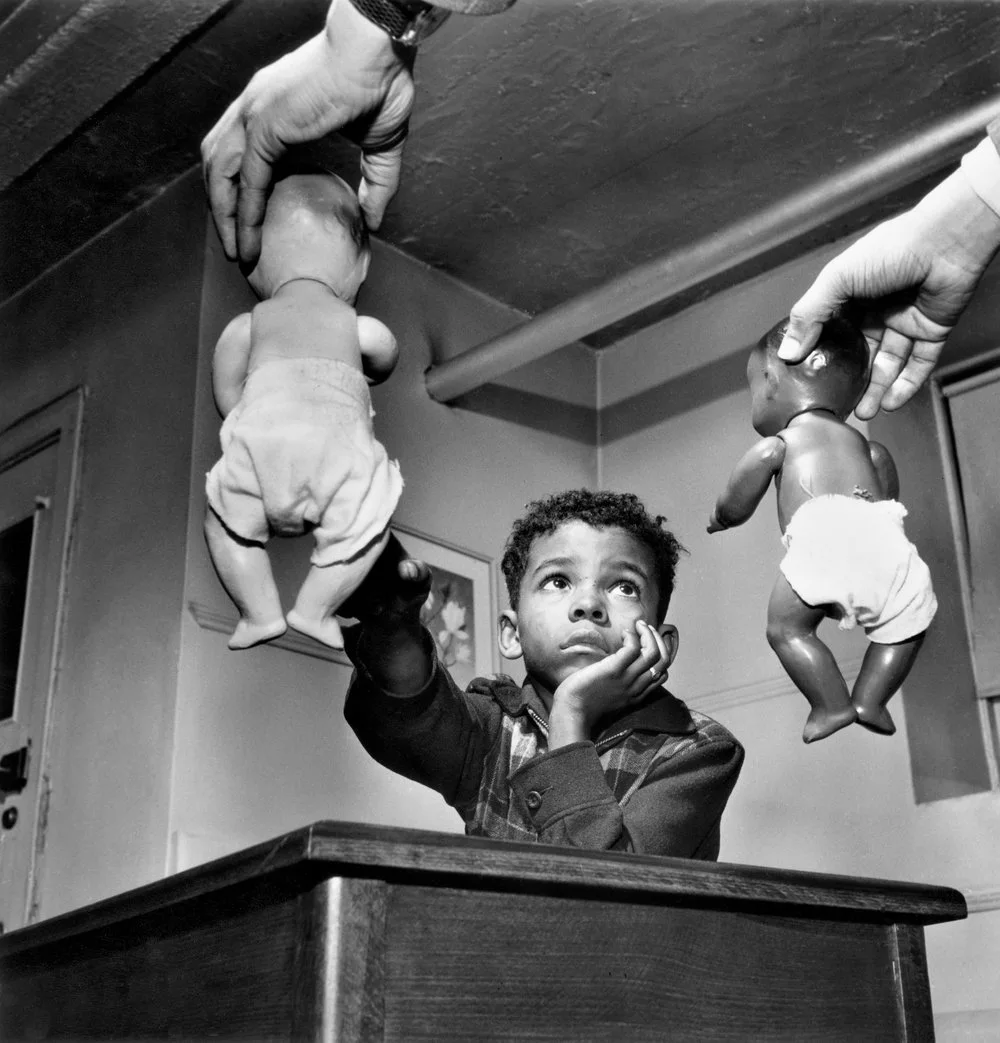
One question, unexpected emotions
The final question of the doll test revealed a particularly moving and troubling aspect:
“Can you show me the doll that looks like you?” the psychologist would ask. In response, the reactions of some children were heartbreaking. Mamie and Kenneth Clark observed that several children, overwhelmed by emotion, burst into tears. Some were so upset that they left the room crying, unable to calm down.
Understanding the impact of skin color
These poignant moments deeply affected Dr. Kenneth Clark. He later reflected on these experiences and drew an important conclusion:
“Color in a racist society was a very disturbing and traumatic component of an individual’s sense of self-esteem and self-worth.”
The children’s reaction—so genuine and intense—highlights the profound psychological effects of racism from an early age. It underscores how essential it is to understand and combat these prejudices to build a fairer and more compassionate society.
Beyond the test: exploring racial awareness in children
The “doll test” is an experiment that made history, especially for its enormous impact on the Civil Rights Movement in the United States. Imagine: Mamie and Kenneth Clark, two psychologists, asked a series of questions to 253 children, aged only 3 to 7 years old. Their goal? To understand how segregation influenced the way these children saw races different from their own, including their own.
The questions were divided into three categories: racial preferences (questions 1–4), awareness of their own race (questions 5–7), and how they saw themselves (question 8). It was like a window into their small inner world, shaped by the society around them.
Separate schools, unified responses
Half of these children came from racially segregated schools in southern Arkansas, where they had little or no contact with white children. The other half attended schools where all children, regardless of skin color, learned together in Massachusetts, in the North.
This seemingly simple experiment revealed deep truths about the impact of segregation and helped change the course of history in the United States.
Critical reflections on the doll test: complexities and questionset questionnements
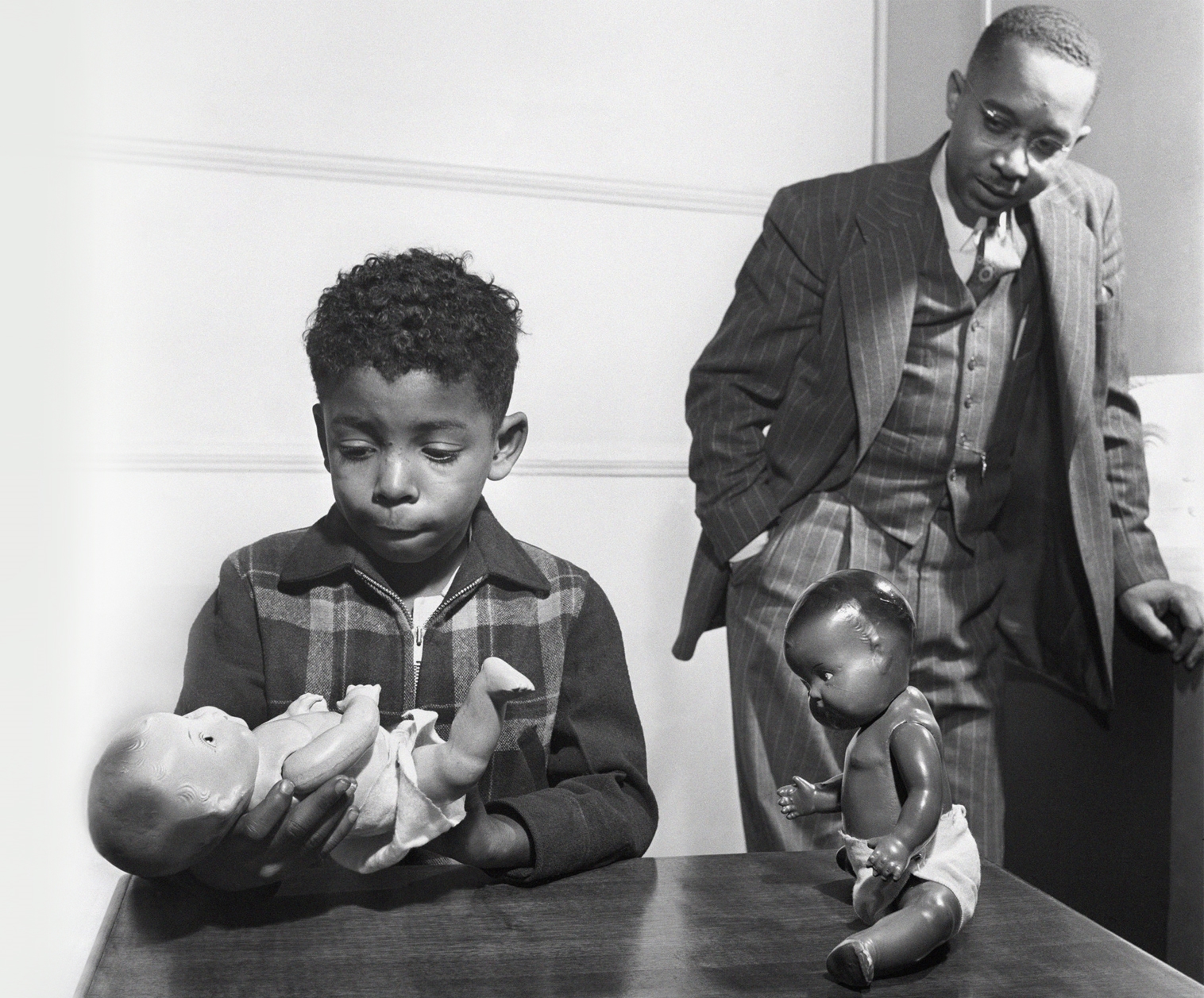
Varied responses based on school environment and question order
Although the doll test played a crucial role in civil rights history, it also raises some questions and critiques.
An intriguing and unexplained fact at the time was that children from mixed-race schools, where different races coexisted, tended to judge the brown dolls more negatively. This raises an interesting question: why? Additionally, the order in which the questions were asked also seemed to influence the children’s responses. It was almost as if changing the question order changed the way children thought.
Methodological considerations
There are also considerations regarding how the study was conducted. For example, the researchers, Mamie and Kenneth Clark, were themselves Black. Could this have unintentionally influenced the results? Moreover, the brown dolls used in the test were actually white dolls painted brown, as brown dolls did not exist at the time. These “altered” dolls might have seemed strange to the children, potentially affecting their choices.
These nuances show that even the most famous and influential experiments can have their own complexities and challenges.
Lasting lessons from the doll test: building a fairer future
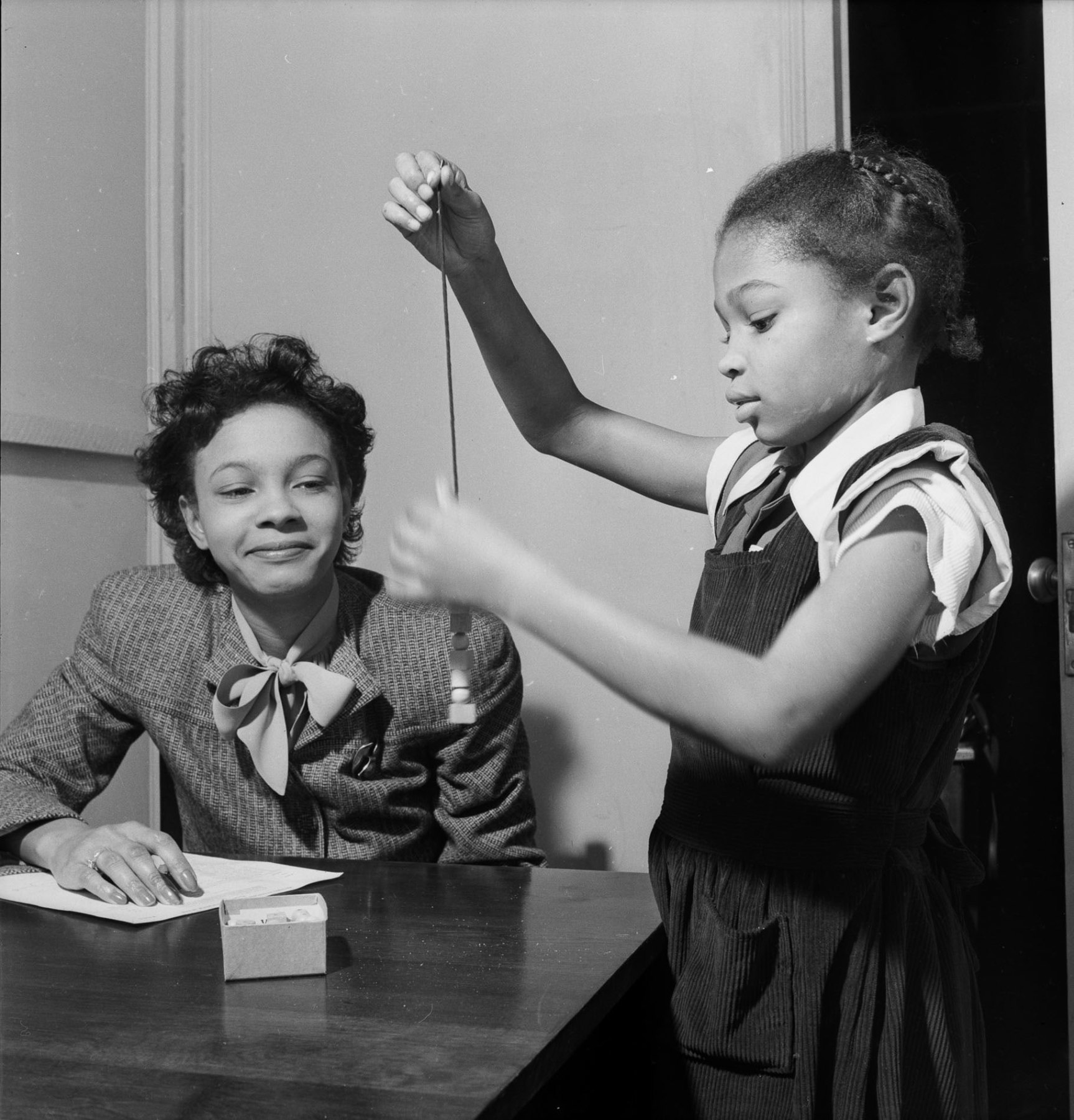
In conclusion, Mamie and Kenneth Clark’s doll test is much more than a simple experiment with toys. It is a window into children’s thoughts and feelings when faced with complex questions about race and identity. Although the study has its limitations and raises questions, it remains a powerful testimony to the impact of racism and segregation on young minds.
This experiment reminds us that children, even very young ones, perceive and are influenced by the attitudes and prejudices of the society around them. It underscores the importance of creating a fairer and more inclusive environment for all, where every child can feel valued and accepted as they are.
The doll test is not just a page in history; it is a lesson that continues to resonate today. It encourages us to reflect on our own prejudices and to work together to build a world where skin color does not determine a person’s worth—a world where every child can choose their favorite doll, not because of its skin color, but simply because they like it.
Notes and References
- Brown v. Board of Education (1954): This historic decision was made by the United States Supreme Court. In 1954, the justices ruled that separating children in public schools based on skin color was unconstitutional. This meant the law could no longer allow separate schools for white and Black children. This decision marked a major turning point in the struggle for equal rights in the United States, officially ending school segregation. It was a significant step toward a society where every child, regardless of race, has the right to the same quality education.
- Racial Segregation (1877–1964): Racial segregation was a common practice, especially in the United States, that involved separating people based on race or skin color. This separation appeared in daily life, including schools, public transport, restaurants, and even drinking fountains. Laws supporting this segregation, known as Jim Crow laws in the U.S. South, remained in effect until the mid-20th century. Segregation was based on the idea that races were naturally different and should be separated, a concept that was widely discredited and condemned for its injustice and discrimination. The fight against racial segregation was central to the civil rights movement, leading to major legislative changes to promote equality and justice for all, regardless of race.
- Mamie (1914–2005) and Kenneth Clark (1917–1983): Mamie Phipps Clark and Kenneth Clark were highly influential African American psychologists. They are best known for their groundbreaking research on the effects of racism and segregation on Black children. Their most famous study is the “doll test,” where they used dolls of different skin colors to study children’s racial perceptions and preferences. Their work had a significant impact, notably contributing to the Supreme Court’s historic decision in Brown v. Board of Education. Mamie and Kenneth Clark not only helped change laws but also opened many eyes to the deep psychological impact of racism from an early age.


