

Designer, entrepreneur, and visionary, Laëtitia Kandolo embodies the renaissance of African fashion. From Rihanna to Kinshasa, she has established a style that is free, bold, and purposeful. In 2025, her appointment as head of the Regional Institute of Fashion in Africa (IRMA) cemented her influence: that of a woman who no longer simply creates, but who is actively shaping the future of African textiles.
From Rihanna to Kinshasa, Laëtitia Kandolo Embodies the African Fashion of the Future and Takes the Helm of IRMA, Africa’s First Pan-African School of Style
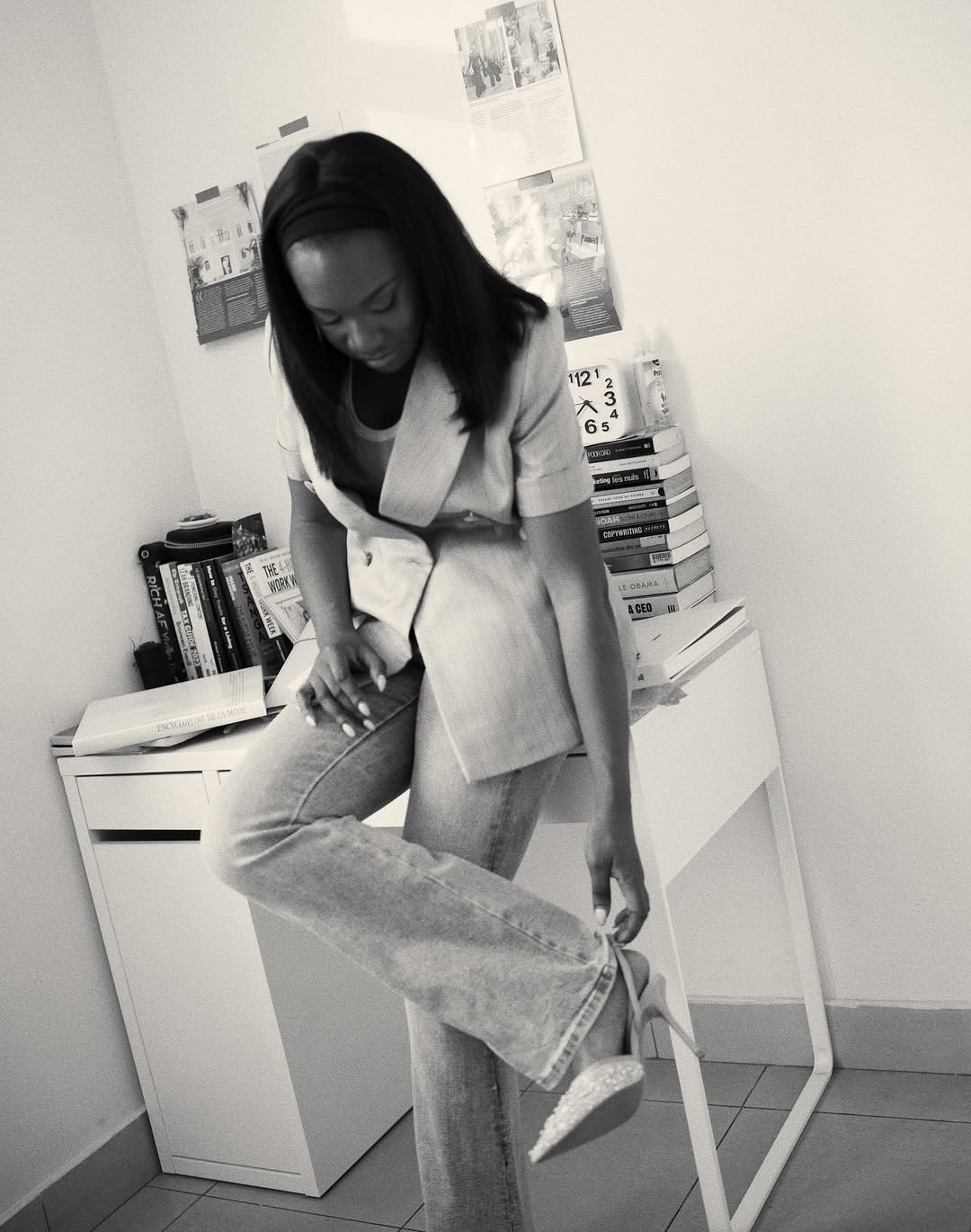
She began behind the scenes, in the shadows where the images that shape generations are crafted. Today, Laëtitia Kandolo belongs to that select group of creators capable of connecting the global entertainment stage, fashion entrepreneurship, and the construction of lasting institutions in Africa. A Frenchwoman of Congolese origin, founder of the Uchawi brand, and artistic director who has worked at the highest levels of the entertainment industry, she has just crossed a decisive milestone: her appointment as Executive Director of the Regional Institute of Fashion in Africa (IRMA), inaugurated in Kinshasa at the end of September 2025. Through her, a particular vision of African fashion is asserting itself: professional, ambitious, structured, and globally connected without abandoning its own codes.
Kandolo’s journey reflects a deeper movement. For years, African fashion was called upon as a reservoir of inspiration—fabrics, colors, silhouettes, rhythms—without always benefiting from strong local infrastructure. The rise of designers like her, coupled with the emergence of dedicated institutions, signals a shift: Africa no longer wants merely to inspire; it wants to produce, train, employ, and export. Located on the Onatra site in the heart of Kinshasa, IRMA embodies this ambition by offering workshops, machinery, exhibition spaces, and training programs spanning design, garment production, and fashion business. Kandolo’s appointment is more than symbolic: it places responsibility in the hands of a leader capable of bridging practice, creativity, and strategy.
From a Teenage Notebook to the Global Stage
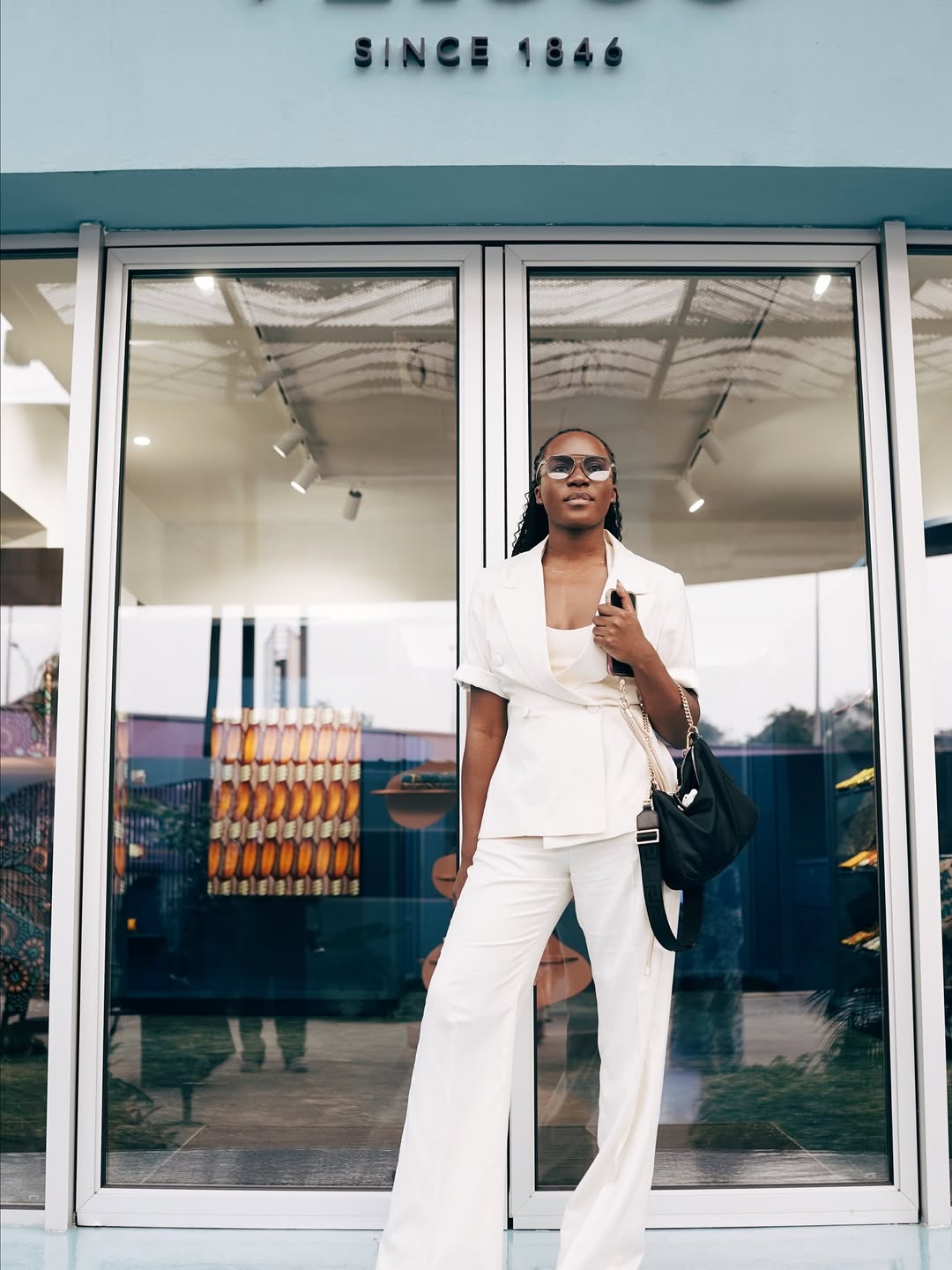
Born and raised in Paris within a Congolese family, Laëtitia Kandolo grew up with the curious eye of someone who sees fashion as a language. After high school, she pursued studies in fashion business, but her true education took place in studios, backstage corridors, and rehearsal halls. Early on, she worked as a freelance stylist, confronting the demands of live performance, where clothing must withstand sweat, spotlights, choreography—and tell a story within a single second of camera time. Opportunities followed one another rapidly: collaborations with Rihanna, Kanye West, Madonna, Will.i.am, and Sting, followed by an expanding portfolio spanning stage styling, artistic direction, and brand content. These milestones, documented as early as 2015, established her among a generation of Afro-descendant talents capable of navigating the global stage without diluting their uniqueness.
Among her professional references are assignments alongside Kanye West’s team between 2013 and 2016, covering everything from shows and public appearances to brand partnerships and research projects for Yeezy. This highly formative period introduced her to the realities of large-scale cultural production and the making of icons: how a look integrates into a stage narrative, how a cut reacts under angled lighting, how a fabric behaves on camera or explodes in a close-up shot. It was an unofficial academy, but an unforgiving one.
Uchawi: An Afro-Urban Brand as a Manifesto
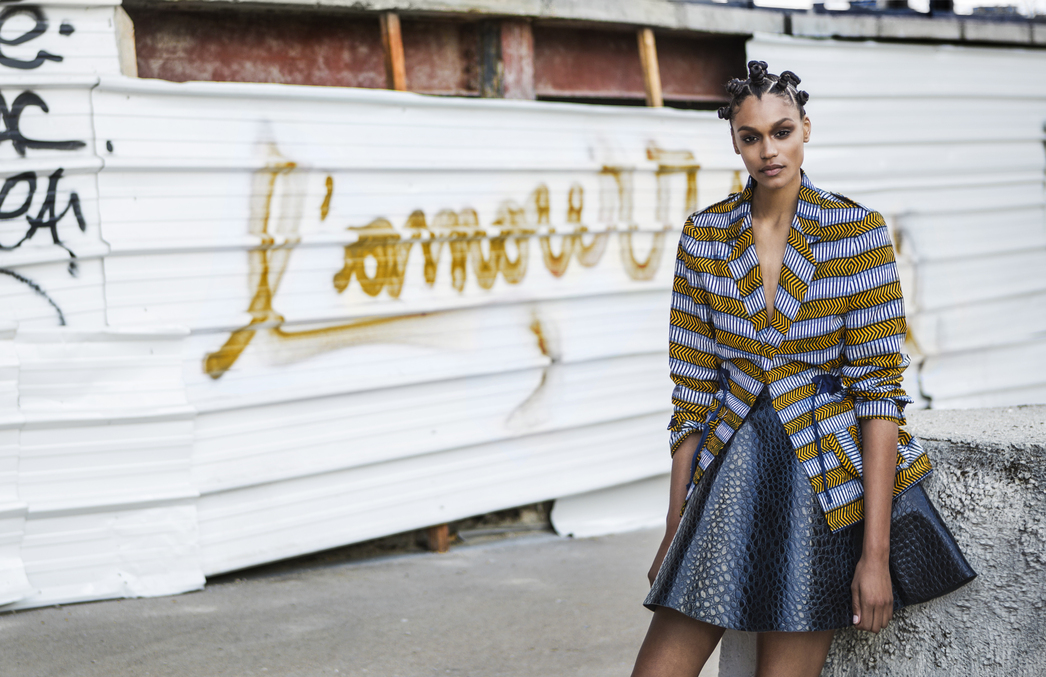
The word Uchawi means “magic” in Swahili. For Kandolo, however, magic is anything but naïve: it is the meeting point between an international urban aesthetic and African craftsmanship, between the desire to create from Paris and the necessity of anchoring production and value on the continent. From its earliest public presentations, Uchawi positioned itself as an African, contemporary, wearable proposition, rejecting both cheap exoticism and imitation of the world’s fashion capitals. Its pieces blend streetwear ease—hoodies, bombers, oversized cuts—with artisanal accents, inviting people to wear the continent not as a folkloric reference but as the mother tongue of style.
Building a brand is something very different from creating a successful look: it means creating a value chain. Kandolo has devoted herself to this task by forging links with schools and workshops, advocating for credible local production, and confronting the very real challenges of textile industrialization in Central Africa. The logic is straightforward: train, equip, upscale, and strengthen distribution networks. In this sense, Uchawi has become a laboratory for what African luxury could look like in the post-inspiration era: created here, produced here, shining everywhere.
What sets Kandolo apart from many of her peers is her ability to craft images for artists whose visual identity matters as much as their discography. Stage styling is a form of dramaturgy: an album is told through fabrics, a hit song through a shoulder line, a decade through a silhouette. When working with Rihanna, Madonna, or Beyoncé, one does not deliver a “garment”; one delivers a moment. These experiences taught her how to manage impossible schedules, error-intolerant budgets, and pressures where a single faulty seam can derail an entire performance. At that level, professional ethics become a style in their own right.
One might assume that such proximity to megastars would distance a designer from Africa. The opposite is true. International exposure has primarily equipped her with more tools: an understanding of global trends, exacting quality standards, knowledge of distribution circuits, and mastery of visual storytelling and product drops. She is now preparing to institutionalize this wealth of experience through IRMA.

