

A forgotten figure in French sports history, Serge Nubret was nevertheless one of the greatest bodybuilders of the 20th century. Born in Guadeloupe in 1938, he rose to prominence on stages around the world at a time when Black athletes struggled to gain recognition. Actor, entrepreneur, president of the French Bodybuilding Federation, he transformed physical strength into a lesson in dignity. The portrait of a man who, before becoming a legend, was a pioneer.
Serge Nubret, Muscle and Memory
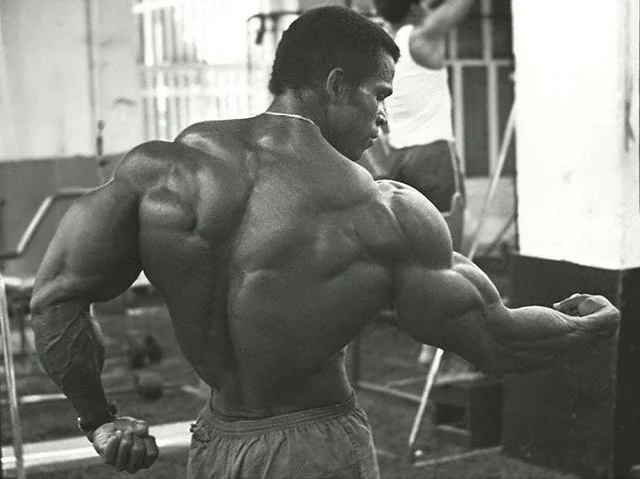
He had the body of an Greek African god and the discipline of a monk.
In the 1970s, Serge Nubret was known worldwide as “the most muscular man in the world.” In France, however, his name gradually slipped into the shadows. Few young people today know that this Guadeloupean was one of the greatest bodybuilders in history, a rival of Arnold Schwarzenegger, a film actor, federation president, and a pioneer of Black representation in European sport.
His journey alone encapsulates an era: that of a mainland France still uneasy with the visibility of Black bodies, of a Caribbean diaspora seeking recognition, and of a sporting world where performance intertwined with politics.
From his childhood in Anse-Bertrand to his final battle for the dignity of sport, Serge Nubret embodied everything: strength, beauty, discipline, but also the loneliness of those who open the way before history catches up with them. More than a champion, he was a symbol of quiet resistance; a man who turned his body into a manifesto.
From Sugarcane Fields to the Myth of Muscle
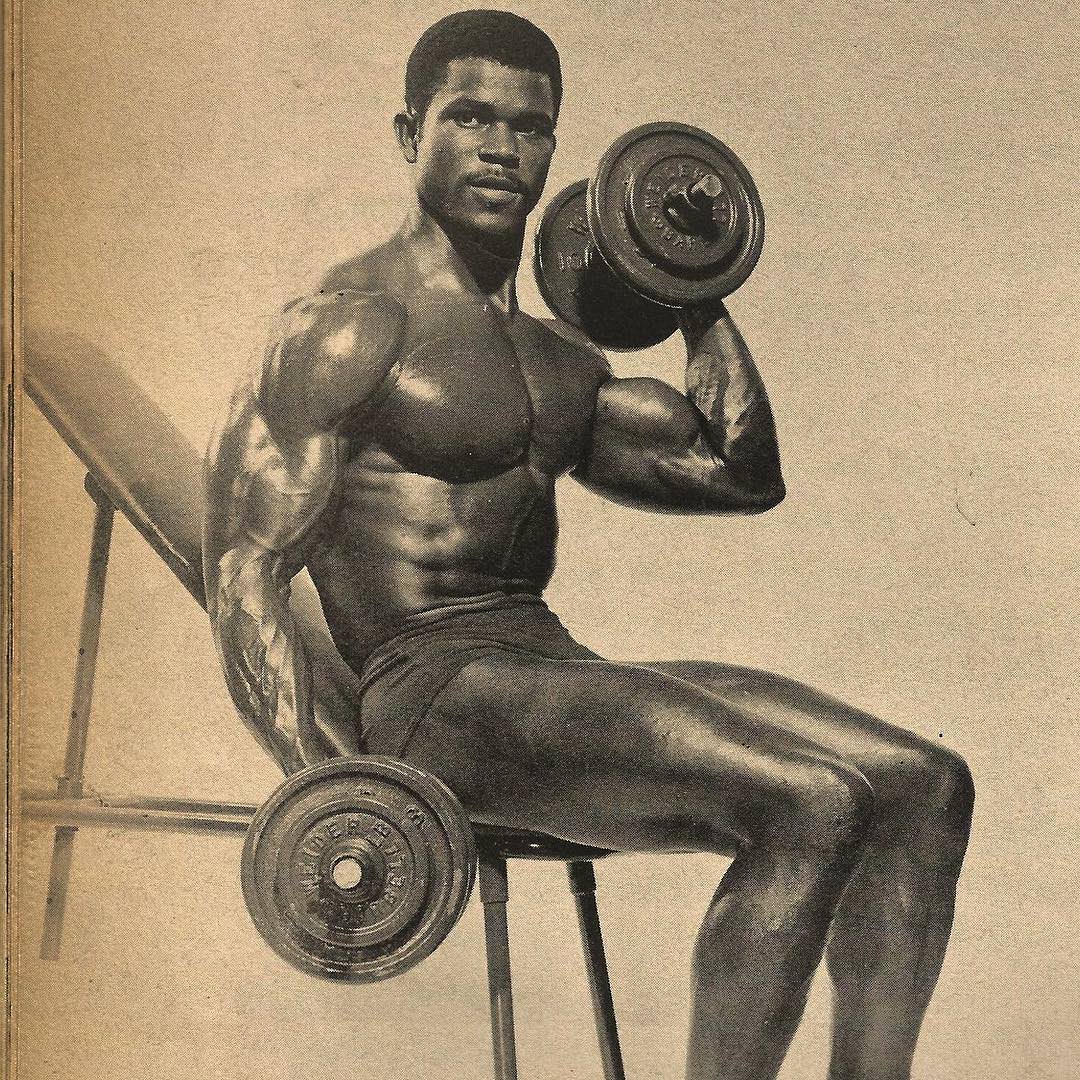
Anse-Bertrand, Guadeloupe. On October 6, 1938, in a world still marked by the aftershocks of colonialism, a child was born whose name would become synonymous with power: Serge Nubret.
The son of a modest family, he left the Caribbean early for mainland France. Postwar France was far from the dreamed paradise: discrimination, invisibility, and the exoticization of Black bodies. In this context, Serge discovered weight training as an outlet. He was not pursuing the worship of the body but a quest for self-affirmation: proving that strength, discipline, and beauty could come from elsewhere.
Beginning in the 1950s, he trained alone, without sophisticated machines, relying on barbells and discipline. Slowly, he built a living sculpture. His shoulders became symbols, his gaze a promise: that of a man who would never submit to anyone else’s image of him.
Bodybuilding, a Weapon Against Invisibility
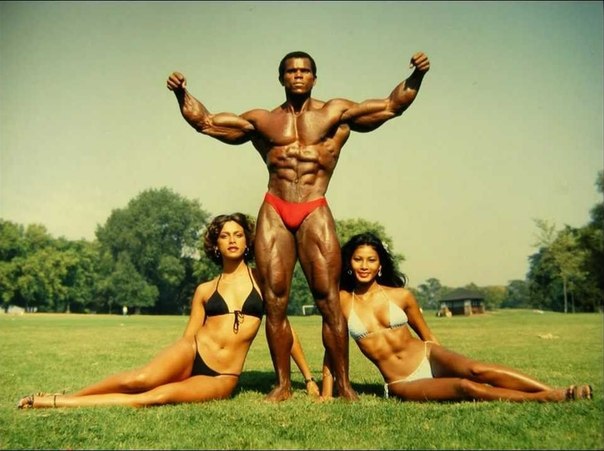
In 1958, at the age of 20, Serge Nubret entered his first competitions. He made an immediate impression: his body seemed carved from marble, but it was above all his presence that captivated audiences. In 1960, he won the title of “Most Muscular Man in the World” in Montreal. It was a cultural shock. In Western magazines, Black bodies remained rare and often caricatured. Nubret embodied the exact opposite of the stereotype: discipline, elegance, and intelligence.
At a time when America was only beginning to discover Muhammad Ali, he became, in his own way, the standard-bearer of a slogan-free Black pride. “My body is a peaceful weapon,” he would later say in an interview. A phrase that perfectly summed up his philosophy: physical strength as a language of respect.
During the 1970s, he reached the pinnacle: Mr. Europe (1966), Mr. Universe (1976), and Mr. World (1977). His rivals were Arnold Schwarzenegger, Lou Ferrigno, and Franco Columbu.
But among them, he was the only Black competitor, and he knew it: “I wasn’t just a contestant; I was living proof that we could excel in any field,” he told MuscleMag International in 1983.

