

Calbo, co-founder of the group Ärsenik, passed away on January 4, 2026, at the age of 52. A discreet yet foundational figure in French rap, he left a profound mark through his dense writing, cultural commitment, and unwavering loyalty to a demanding artistic vision. Through Ärsenik, Bisso Na Bisso, his books, and his grassroots work, he embodied a lucid, grounded voice that remained true to itself. Nofi looks back on an exemplary path, at once artistic, political, and deeply coherent.
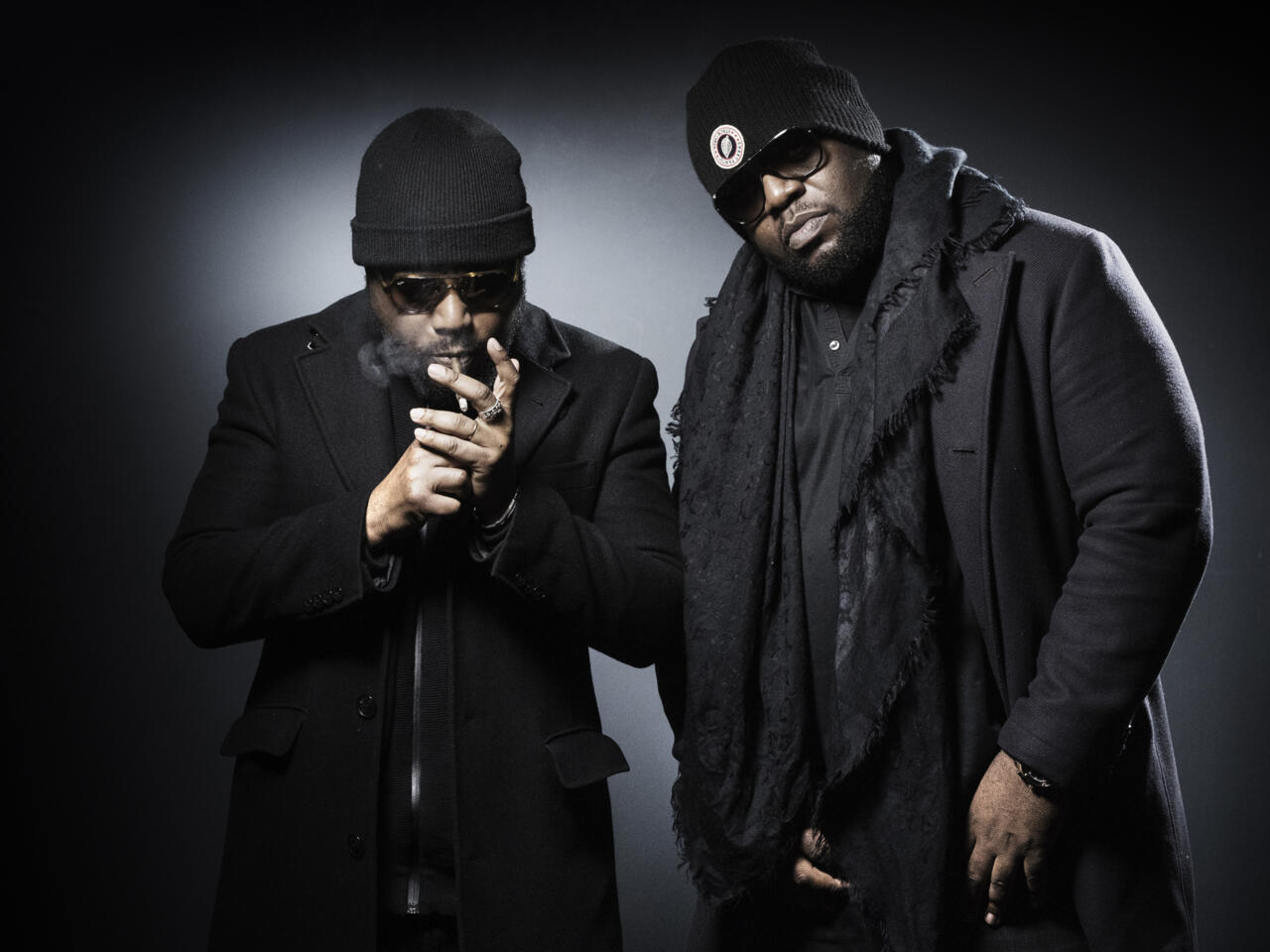
Calbo was born in 1973 in Villiers-le-Bel, in the Val-d’Oise region. The child of Congolese immigrants, he grew up in an environment shaped by social tensions, but also by a structured neighborhood life where community solidarity and family bonds formed a strong foundation. The presence of his brother Lino was no minor detail: together, they shared an emerging musical culture, common references, and a lucid perspective on their surroundings.
In the 1980s, hip-hop culture established itself in French housing projects: Calbo saw in it a possibility for direct expression, rooted in reality, without unnecessary mediation. Very early on, writing imposed itself on him as a way to take a stand, analyze the world, and refuse silence. Neither a rebellious pose nor a simple outlet: from the outset, it was a political démarche.
In 1992, he founded the group Ärsenik with Lino. The duo quickly stood out through a dark sonic identity, incisive writing, and a complete absence of compromise. The choice of the name (Ärsenik) was not a stylistic flourish, but a declaration of method: rap would become a poison against the lies of dominant discourse. Where many gave in to caricature, banlieue folklore, or the seduction of entertainment, Calbo and Lino carved out a narrow and demanding path where every word mattered.
The influence of New York rap, the evocative power of Congolese rumba, and the dense rhythm of militant texts came together within a coherent aesthetic. Ärsenik refused to play a role. The group did not sell an image; it proposed a perspective.
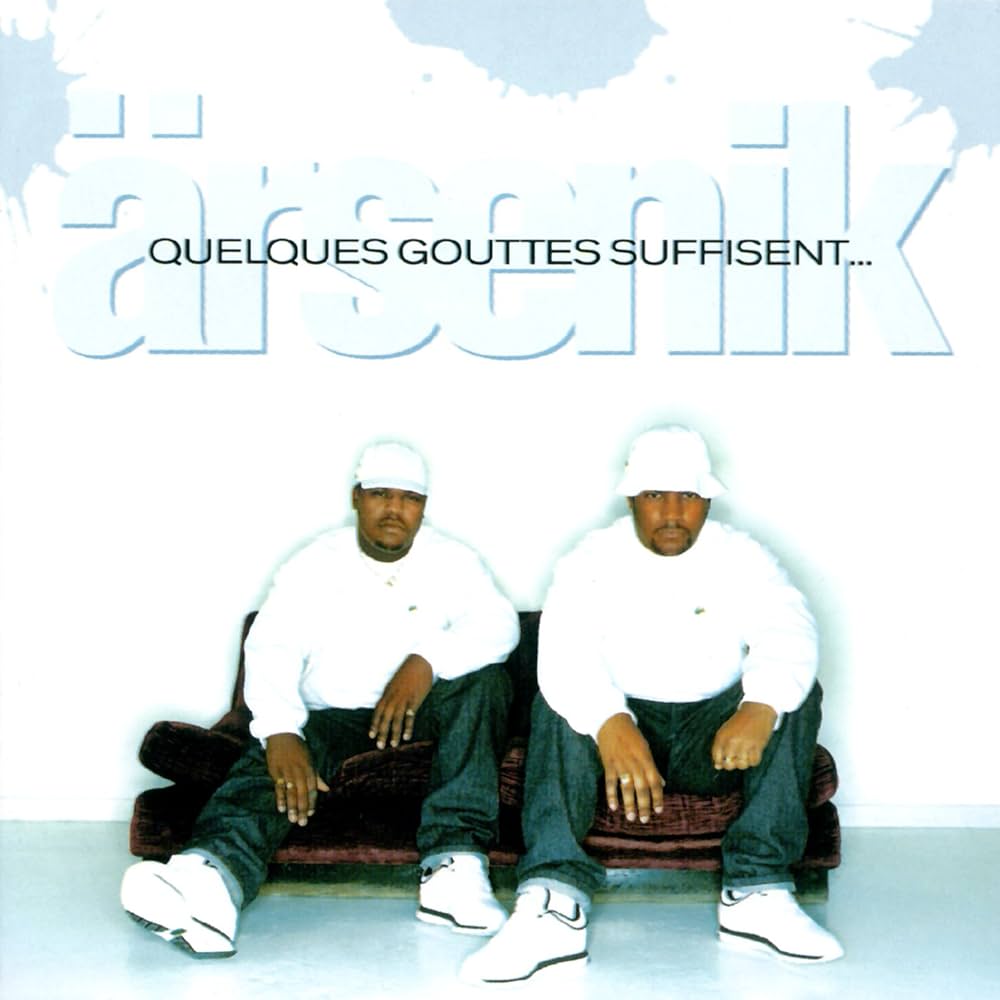
In 1998, the album Quelques gouttes suffisent… marked a turning point in French rap. Produced with rigor and carried by lyrics of rare density, it imposed another way of making rap: less spectacular, more analytical. The tracks unfolded like diagnoses: reflections on colonial history, the mechanisms of social exclusion, and existential fatigue. Calbo imposed his deep voice, his restrained yet cutting presence. Far from playing second fiddle, he embodied one full half of the duo, complementary and indispensable. The public followed. The album went gold, praised by critics and elevated as a reference point by an entire generation. More than a commercial success, it was an artistic validation.
In the wake of this success, Calbo joined the collective Bisso Na Bisso. Alongside other rappers of African descent (Passi, Ben-J, Mystik, M’Passi, etc.), he sought to forge a strong link between French urban culture and African roots. The project escaped exoticism: it was about reconnecting, not folklorizing. Lingala blended with French, while Congolese rhythms conversed with contemporary beats.
Africa was not a backdrop; it was a continent that was thought through, claimed, and embraced. Calbo found there a new space for expression: he could speak of the past without nostalgia, of origins without essentialism, of identity without enclosure. The success of Bisso Na Bisso was immediate, both in France and across Africa. It broadened the scope of rap, made it more complex, and reterritorialized it in a different way.

Alongside his musical career, Calbo multiplied his grassroots initiatives. He led writing workshops in several cities across the Île-de-France region. He did not play the mediator, nor pretend to be an educator. He came as an artist, carrying formal rigor and sincere respect for those expressing themselves. He insisted on discipline, precision, and the necessity of structuring one’s thoughts. Far removed from institutional injunctions to “channel the youth,” he proposed writing as a way of putting words to complex situations. He did not infantilize; he transmitted.
Within the music industry, Calbo remained a singular figure. Discreet, consistent, faithful to his commitments. He did not chase television appearances or feed controversies. He spoke little and acted a great deal. He remained attached to his original neighborhood, worked with the same teams, and resisted the temptations of opportunism. His career was marked by consistency: no dubious commercial turn, no artificial comeback attempts. He embraced silence as much as appearances. His clothing style mirrored his personality: sober, without flashiness. His presence in the studio or on stage was marked by intensity, never agitation. In an industry dominated by the ephemeral, his trajectory stood out through its discipline.
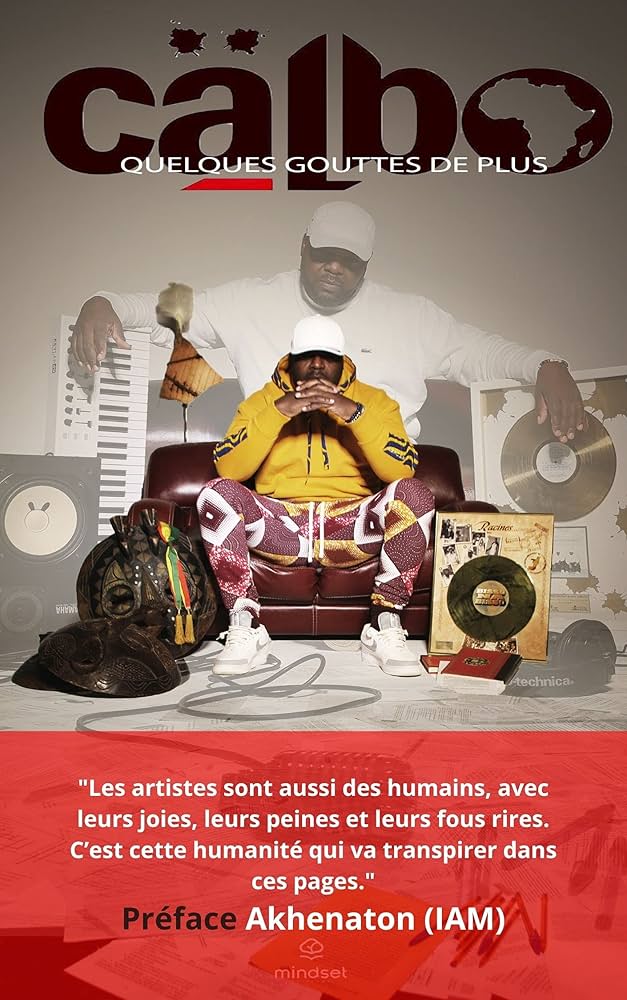
Beyond rap, Calbo also established himself as an author. In 2021, he published Quelques gouttes de plus, a sober and precise book on the genesis of Ärsenik, but also on 1990s France, the rap scene, and the mechanisms of invisibilization. He revisited artistic dilemmas, deliberate choices, and the tensions between visibility and fidelity. In 2025, he published 0 Raison, a second, more introspective work situated somewhere between essay and testimony. In it, he questioned contemporary French society, the place of Black people in the public sphere, and the transformation of rap. Both books extended his musical work: same sobriety, same rigor, same determination to speak reality without artifice.
Calbo left a lasting mark on the French cultural landscape. Not only through his body of work, but through his underground influence. Artists such as Médine, Kery James, Youssoupha, and Alpha Wann have acknowledged his impact. He imposed standards of writing, posture, and integrity. He also helped shape a distinct urban aesthetic (particularly around the Lacoste brand) that found lasting resonance in working-class environments. He became a reference point, sometimes invoked quietly, always respected. Specialized media regularly paid tribute to him, even though he always preferred the field to promotion.
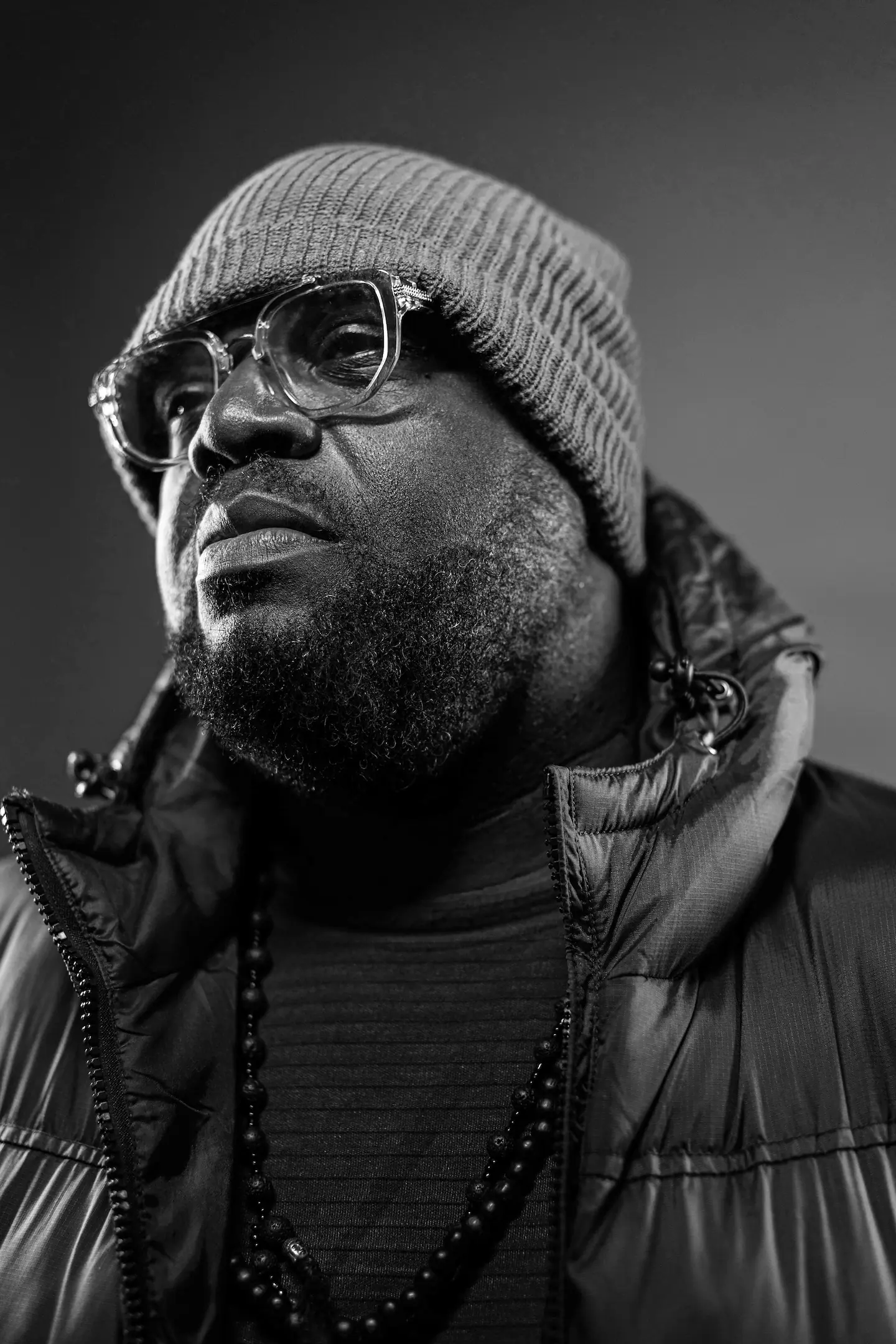
On January 4, 2026, news of his death at the age of 52 became public. The announcement was sober, much like the man himself. No staging, no recuperation. Yet tributes poured in. Rappers, journalists, political figures. Rachida Dati, mayor of Paris’s 7th arrondissement, paid heartfelt tribute to him, praising his discreet influence and his ability to embody a complex France. The rap scene dedicated special programs, tribute freestyles, and opinion pieces to him. Everywhere, the same recognition emerged: that of a builder. Not a myth, but a landmark. His passing was not a moment of nostalgia. It was an invitation to revisit what he produced and understand what he embodied.
Calbo was not a prophet. Nor was he merely a rapper. He was a man who, for more than thirty years, sought to describe the world with accuracy. He did not sacrifice his standards for fame, nor his voice to trends. He turned art into a tool for reading reality, and speech into a weapon against simplification. His legacy does not lie in legend, but in consistency. Calbo succeeded in making his life a coherent journey, without contradictions or compromise. He opened pathways, consolidated foundations, inspired without imposing. Today, his absence is real. But his work remains; dense, upright, necessary.

