

At the end of the 19th century, as the United States officially rebuilt itself after the abolition of slavery, another reality imposed itself: that of systemic, brutal, and widely tolerated racial violence. In this context, Ida B. Wells emerged as one of the first modern investigative journalists. By methodically documenting lynchings, she transformed journalism into an instrument of truth, and truth into a political weapon.
Ida B. Wells: Writing Against Death, Investigating Against Lies
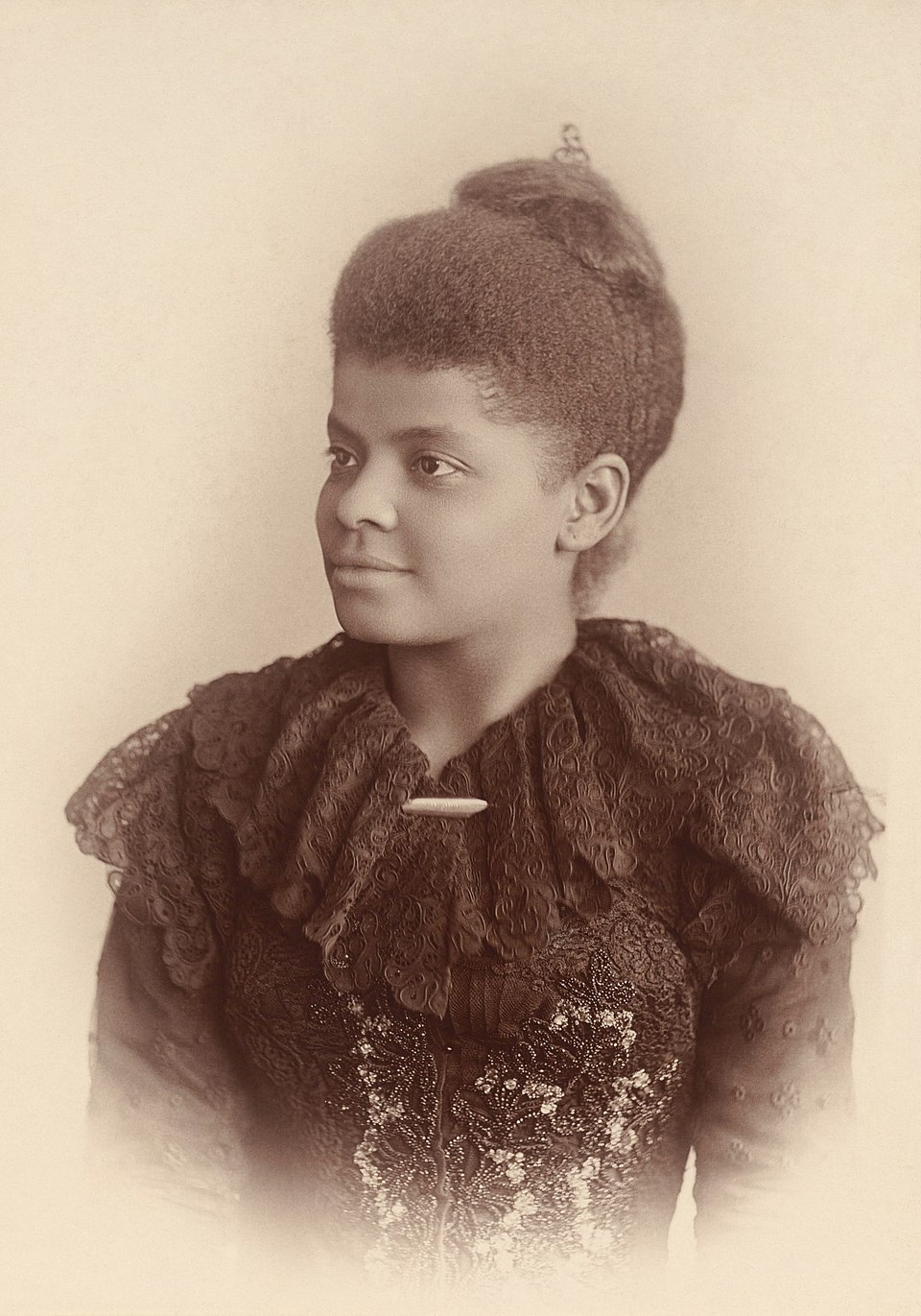
Ida B. Wells was born on July 16, 1862, in Holly Springs, Mississippi, in the midst of the Civil War. She was born enslaved, in a society still structured by the plantation economy and racial hierarchy. She was freed in early childhood thanks to the Emancipation Proclamation and the advance of Union troops.
But legal freedom did not mean the end of domination. Reconstruction (1865–1877), the transitional period meant to integrate formerly enslaved people into American citizenship, was quickly undermined by violent resistance. In the South, white paramilitary groups such as the Ku Klux Klan imposed a reign of terror designed to restore the racial order.
Wells’ family trajectory embodied this tension. Her father, James Wells, became politically involved in Reconstruction institutions and advocated for Black civil rights. He participated in public life and supported the Republican Party, then the driving force behind emancipation policies.
But this momentum was fragile. In 1878, a yellow fever epidemic killed both of her parents. Ida B. Wells was only 16 years old. She became head of the household and worked as a teacher to support her siblings. This moment proved foundational: it forged an early sense of responsibility, but also a sharp awareness of the precariousness of Black life in the South. Very early on, she understood that the law did not protect all citizens equally.
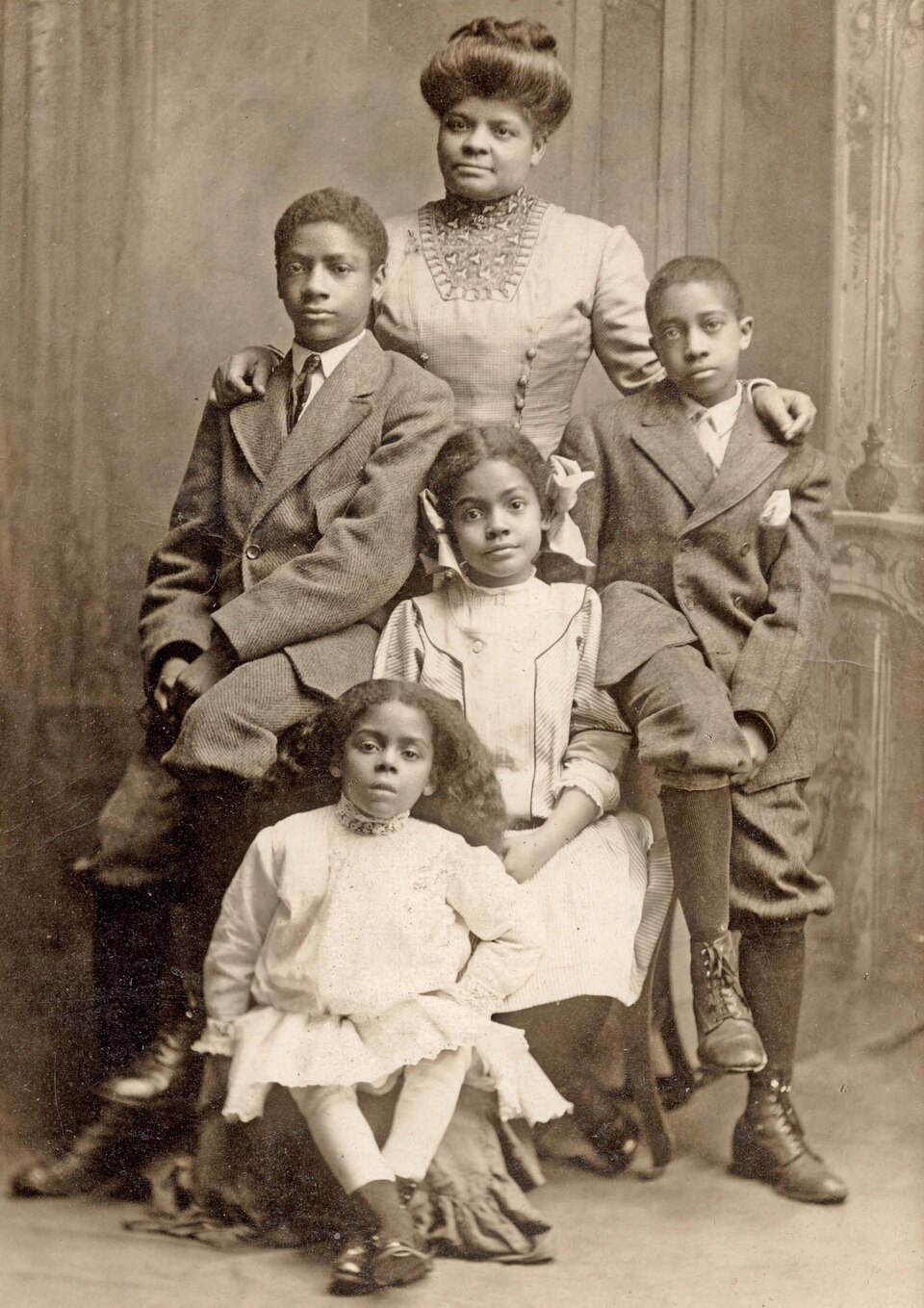
In 1884, an event crystallized this awakening. Ida B. Wells was forcibly removed from a whites-only train car despite holding a first-class ticket. She sued the railroad company and won in the lower court, before the decision was overturned on appeal.
This legal setback proved decisive. It revealed the gap between proclaimed principles and their actual application. It also marked her entry into public life through writing. Settling in Memphis, she became a journalist and co-owner of the newspaper Free Speech and Headlight. Under the pseudonym “Iola,” she published articles denouncing racial inequalities, school segregation, and the violence endured by African Americans.
Her journalism was not neutral: it was direct, argued, and grounded in reality. It belonged to the tradition of committed Black press, but went further by developing an empirical, almost scientific, approach to the phenomena she observed.
The year 1892 marked a decisive turning point. Three of her close acquaintances, including her friend Thomas Moss, were lynched in Memphis after an economic dispute with a white merchant. This lynching was not an isolated case. It revealed a logic: racial violence was being used as a tool of economic and social regulation. Wells then understood that lynching was not a series of spontaneous acts, but a system.
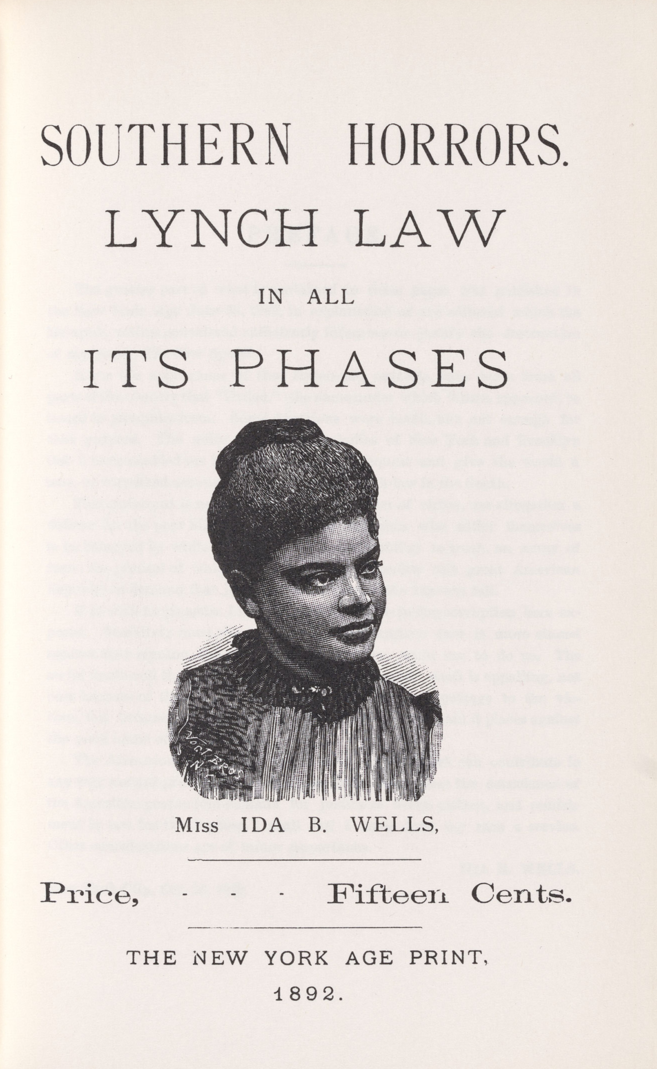
She undertook an in-depth investigation. She gathered data, analyzed newspaper articles, and interviewed witnesses. She published her findings in a series of articles and then in two major works: Southern Horrors (1892) and The Red Record (1895).
Her conclusion was unequivocal: lynching was an instrument of terror designed to maintain white supremacy. It relied on a false justification — the alleged rape of white women by Black men.
Wells methodically dismantled this myth. She demonstrated that many cases presented as rape were in fact consensual relationships, or fabricated accusations meant to conceal economic or political conflicts.
She introduced a new method: combining statistics with storytelling. She compiled precise data on lynchings while recounting individual stories. This articulation gave unprecedented force to her work. According to her research, thousands of Black people were lynched without trial after the Civil War. She described them as “cold-blooded murders,” committed outside any judicial framework.
The publication of her investigations triggered a violent backlash. In 1892, her newspaper office was destroyed by a white mob. Her life was threatened. She was forced to leave Memphis. This exile marked a transformation. Wells became a national and international figure. She continued her work from the North, particularly in Chicago and New York. She also radicalized her discourse. Observing the ineffectiveness of appeals to justice, she came to defend the right to armed self-defense. Her journalism became explicitly political. It was no longer simply about documenting, but about mobilizing.
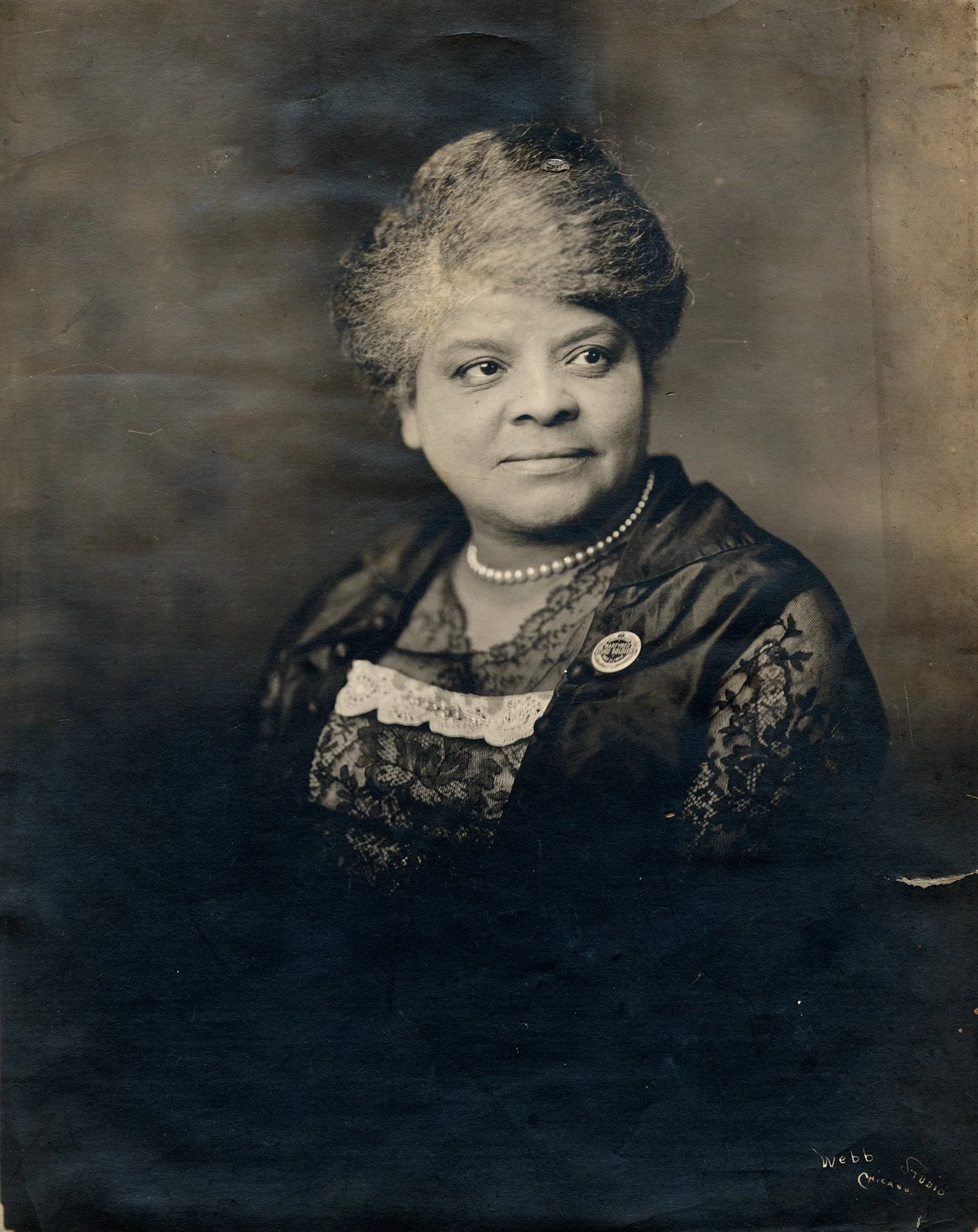
Between 1893 and 1894, Wells undertook two lecture tours in Great Britain. There, she spoke about lynching and presented her work to an international audience. The impact was considerable. She helped establish the British Anti-Lynching Committee, the first organization dedicated to this cause.
Her activism also produced economic effects. Under moral pressure, some British industrialists considered boycotting Southern cotton, putting American economic elites in difficulty. Wells understood that the fight against racism could not remain confined to a national scale. She mobilized international public opinion as a lever for transformation.
Alongside her fight against lynching, Wells became involved in the women’s rights movement. But she quickly encountered the racism of white feminist organizations.
In 1913, during a suffrage march in Washington, Black women were asked to march separately. Wells refused. She joined the main procession, asserting equality in practice. This gesture symbolized a major intellectual position: the struggle for rights could not be fragmented.
Wells anticipated what would later be called intersectionality: the understanding of oppression as interconnected systems. She criticized both the racism of white feminists and the sexism of Black leaders. This position created tensions, but it affirmed an intellectual autonomy that was rare for her time.
Settled in Chicago, Wells continued her activism. She helped create civic organizations, campaigned for education, and founded structures for urban Black communities. She also became politically active, seeking to influence institutions. She contributed to the founding of the NAACP, although her role was sometimes marginalized in official narratives. Her work in Chicago reflected an evolution: from investigative journalism to political organization.
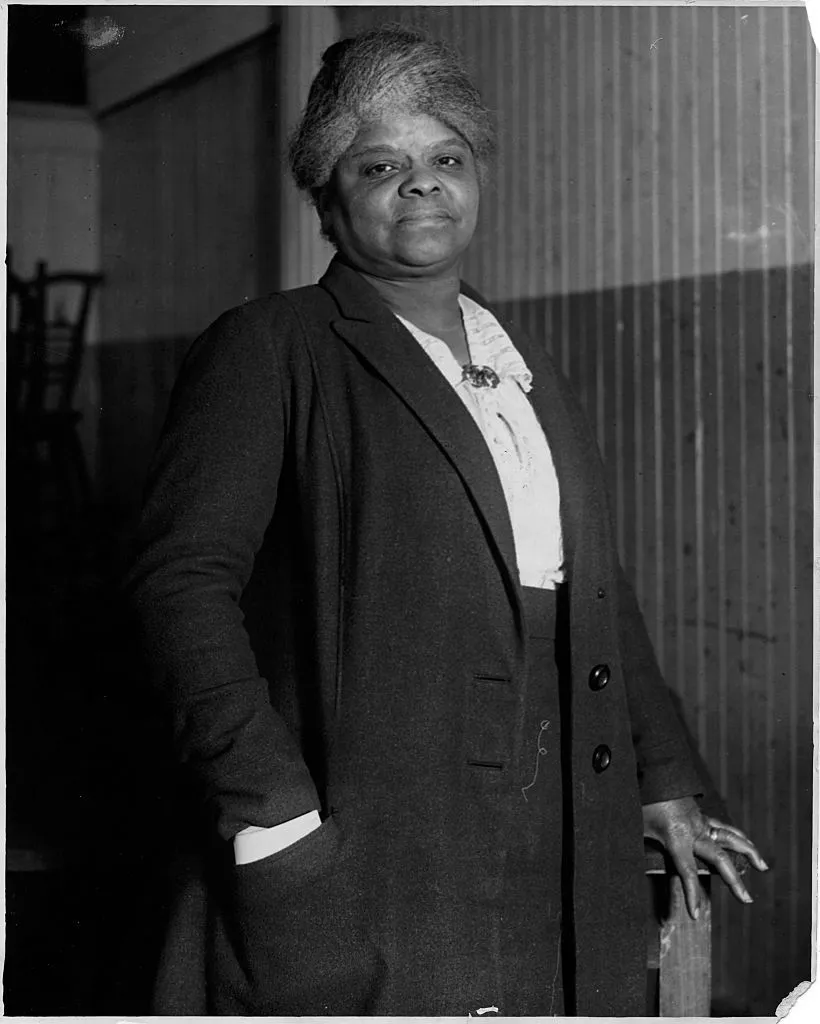
Ida B. Wells died in 1931, relatively forgotten. But her legacy did not disappear. She is now recognized as a pioneer of investigative journalism. In 2020, she was posthumously awarded a special citation from the Pulitzer Prize for her work against lynching. Her influence extends beyond journalism. She is a foundational figure of Black feminism, the critique of systemic violence, and the production of counter-narratives. Her methods — empirical investigation, the use of data, and the deconstruction of dominant narratives — are now central to modern journalistic practice.
Ida B. Wells did not merely denounce an injustice. She built a method to make it visible. In a world where lies had become institutionalized, she turned truth into a weapon. Her work reminds us of an often-forgotten reality: information is never neutral. It can be a tool of domination or an instrument of emancipation.
Wells made her choice.
Notes and References
- Ida B. Wells, Southern Horrors: Lynch Law in All Its Phases, 1892
- Ida B. Wells, The Red Record, 1895
- Patricia Schechter, Ida B. Wells-Barnett and American Reform, University of North Carolina Press, 2001
- Paula J. Giddings, Ida: A Sword Among Lions, HarperCollins, 2008
- Equal Justice Initiative, Lynching in America, 2017
- Ida B. Wells, (detailed biography and historical elements on the life, investigations, and impact of Ida B. Wells)

