

Discover the fascinating history of the Maroons, these little-known heroes of freedom in the African diaspora. Explore their origins, their heroic resistance against slavery, and the lasting impact of their culture and heritage. Nofi offers you an in-depth look at the struggle and resilience of the Maroons, highlighting their crucial role in history and their continuing influence in modern liberation movements.
The Maroons: defenders of freedom in African history
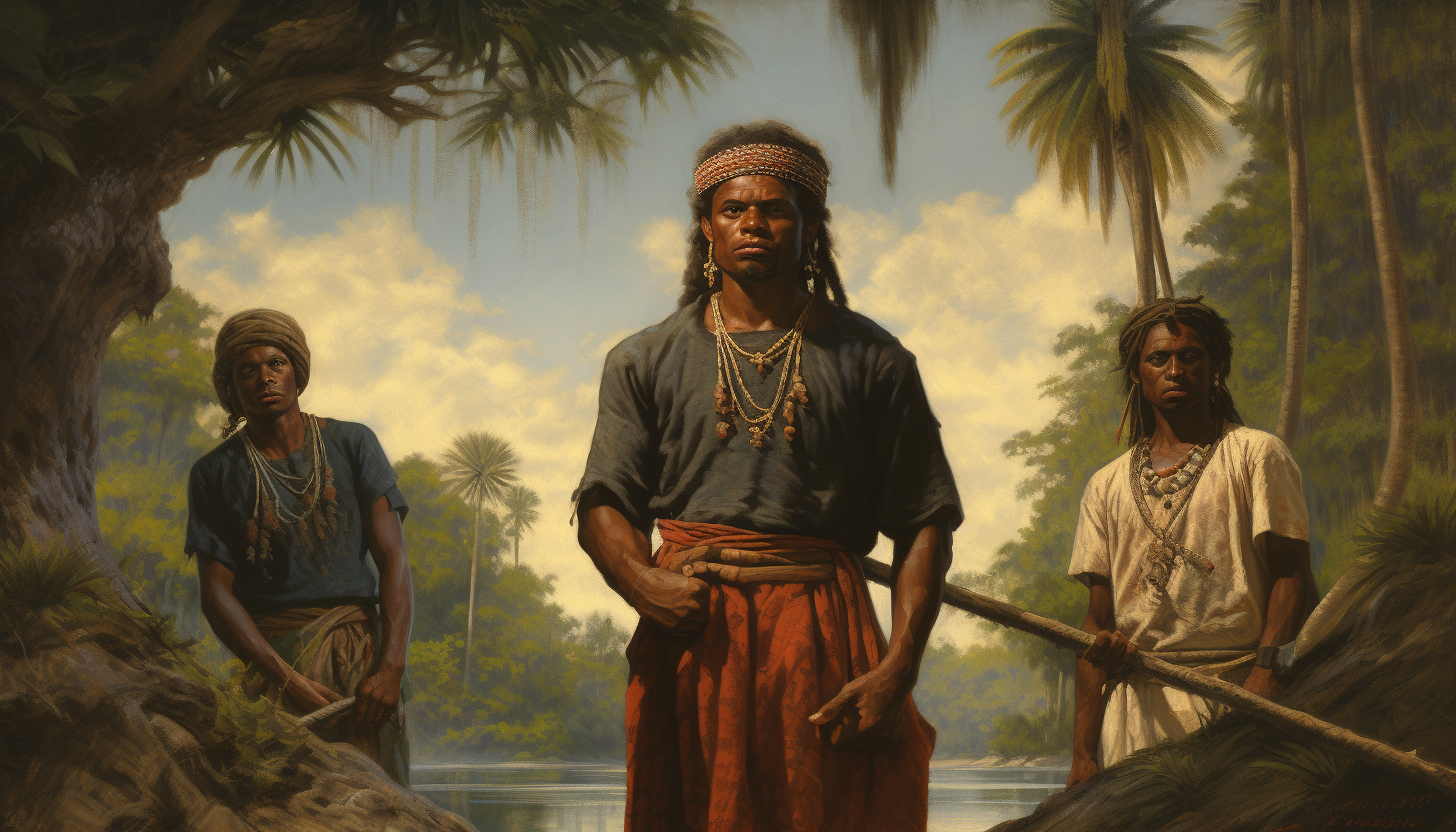
The Maroons, emblematic figures of the African diaspora, embody a history of resilience and an unrelenting quest for freedom. These descendants of African slaves, who defied oppression in the Americas and the islands of the Indian Ocean, forged their own destiny by escaping servitude to establish free and autonomous communities. Their very existence is a powerful testament to the struggle against slavery, symbolizing resistance and self-determination. By exploring the history of the Maroons, we discover not only stories of courage and survival, but also a rich and complex cultural heritage, essential to understanding the African diaspora and its impact on the world.
The roots of marronage: a journey through history and language
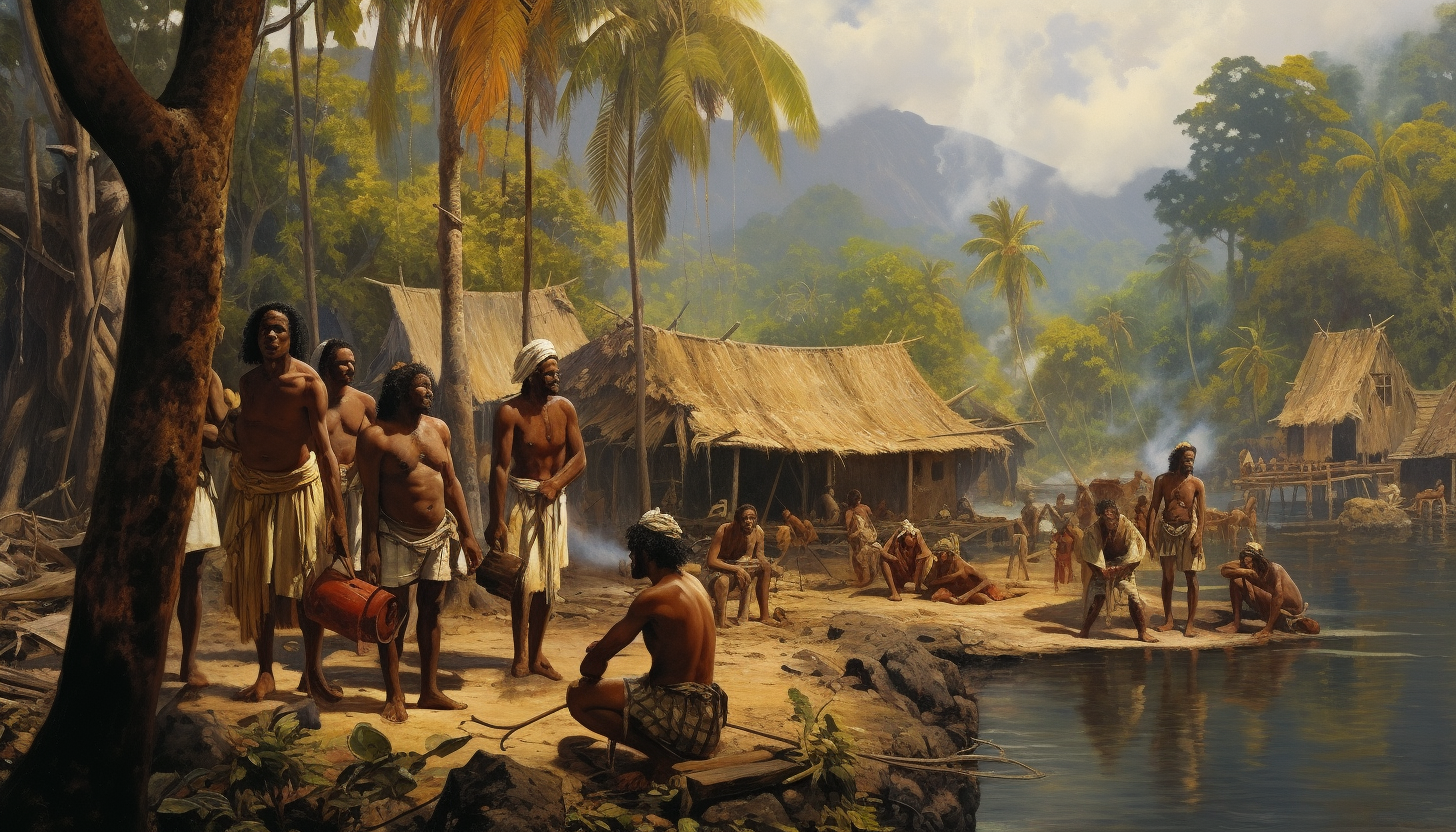
The term “Marron” finds its roots in the complex history of slavery. Derived from the Spanish word “cimarrón”, initially used to describe escaped livestock that had become wild, this term was later applied to fugitive Indigenous peoples and gradually came to designate the wild, the one who returns to a state of nature. From 1540 onwards, this term referred to runaway slaves.
These escapes began in the very first days of the transatlantic slave trade¹, marking the origins of the Maroons. These men and women, by freeing themselves from their chains, not only sought freedom but also laid the foundations for new free societies, thus defying the established order of slavery. They did not hesitate to burn plantations, kill or even literally wipe out entire villages of Whites, if necessary. Their history is a testimony of resistance and survival in the face of extreme oppression.
Revolts and resilience: the heroism of the Maroons in the struggle for freedom
The resistance of the Maroons is an epic of struggle for freedom, marked by bold revolts and the formation of autonomous communities. These communities, often established in inaccessible terrain, were the result of continuous rebellion against the slave system.
Here is a list of some of the most famous Maroons in history, who distinguished themselves through their leadership, courage and role in the struggle for freedom and autonomy of oppressed peoples:
Nanny of the Maroons (1686–1733):
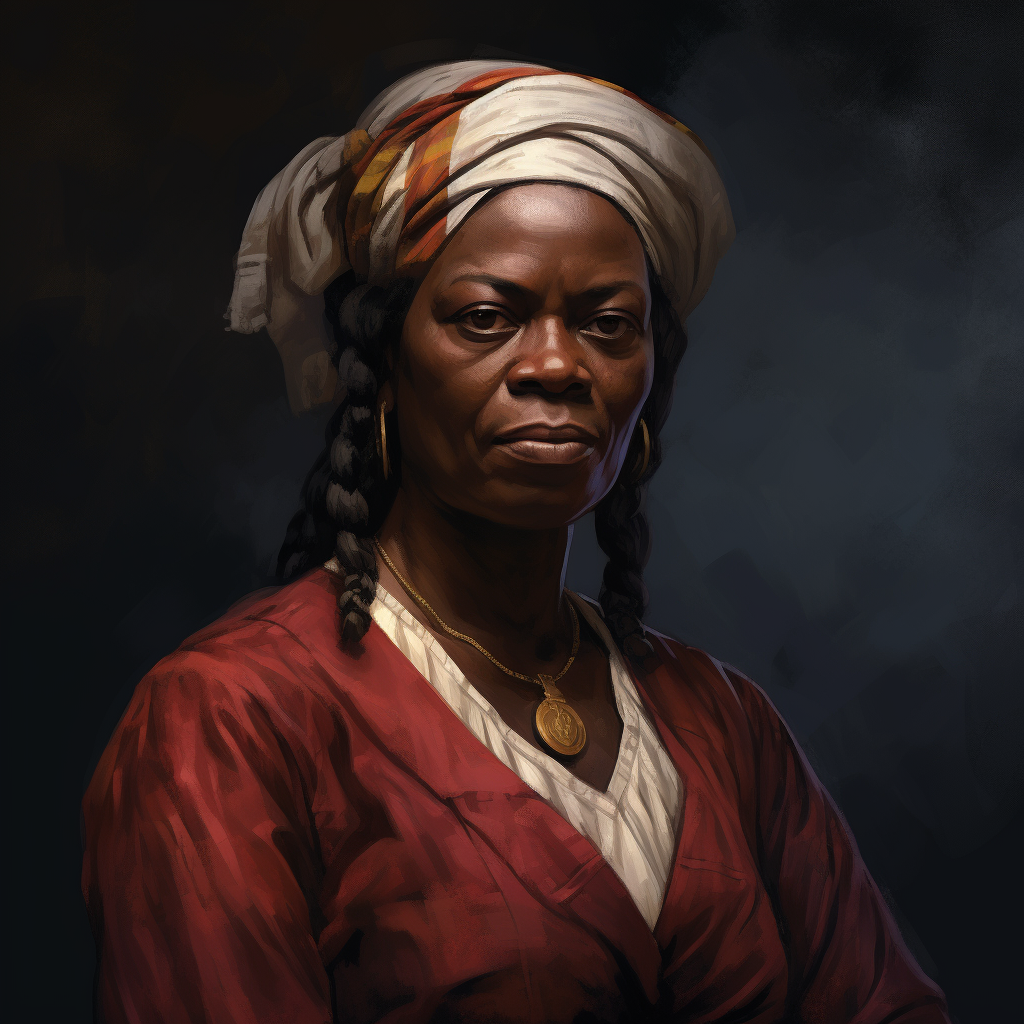
An emblematic figure in Jamaica, Nanny was a military and spiritual leader who played a crucial role in the resistance of the Maroons against British colonists in the 18th century.
Zumbi dos Palmares (1655–1695):
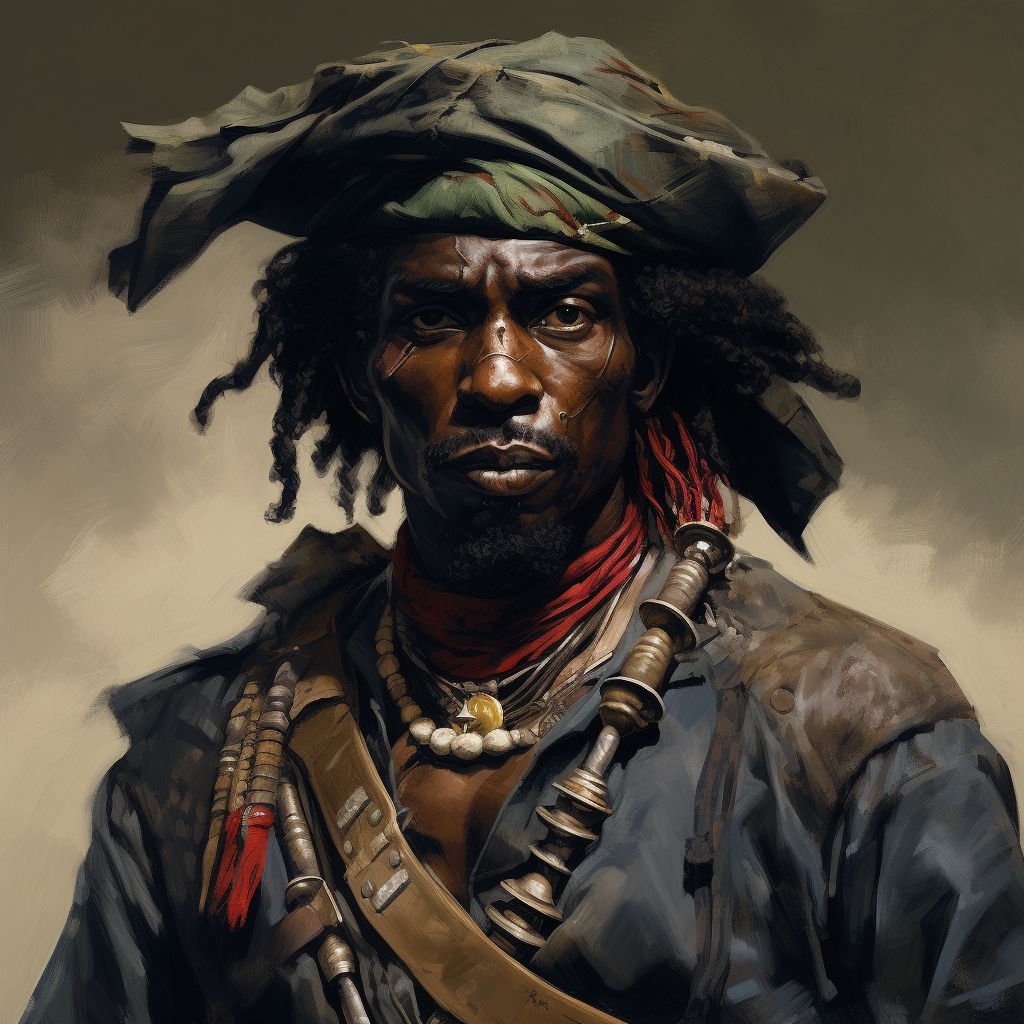
Leader of Quilombo dos Palmares, a free Maroon state in Brazil, Zumbi became a symbol of resistance against slavery and the struggle for freedom in Brazil.
François Mackandal (circa 1730 – circa 1758):
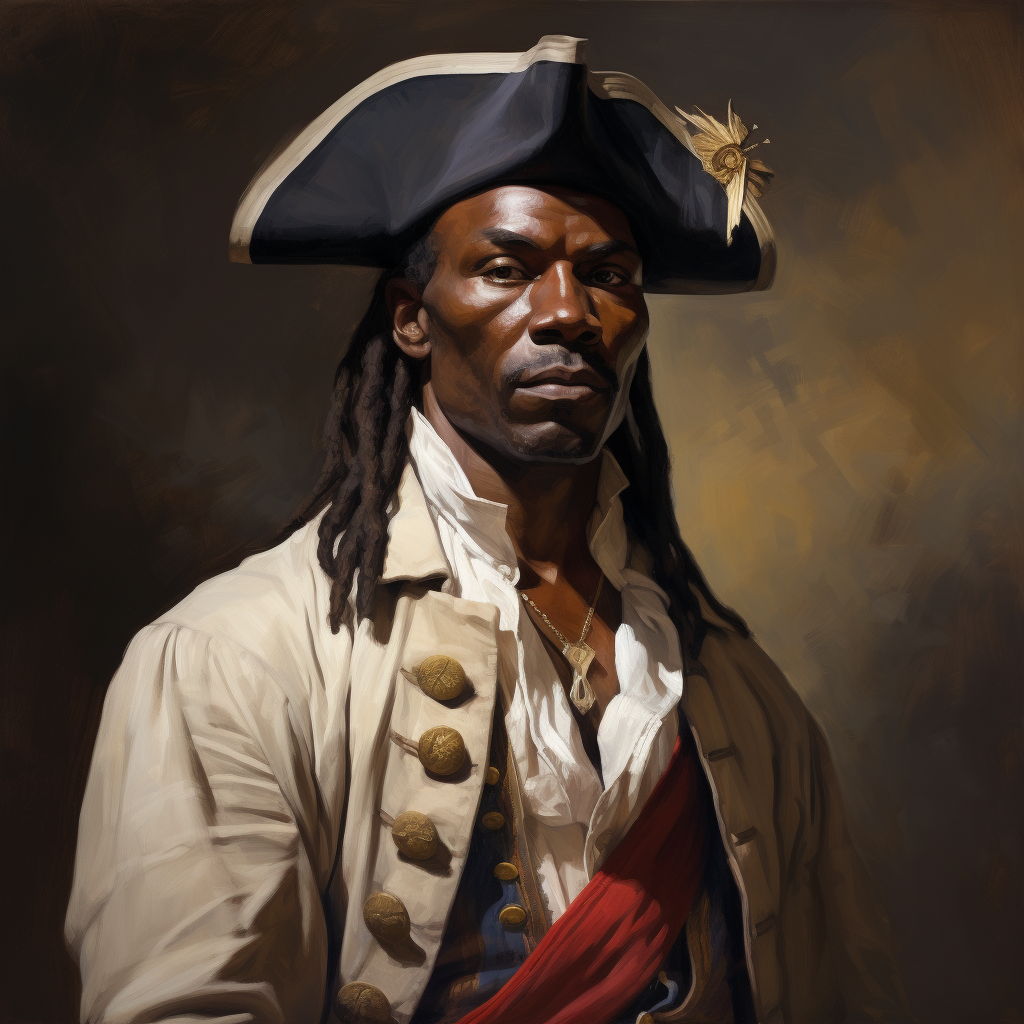
A houngan² and rebel leader in Haiti, Mackandal is famous for organizing a slave revolt in the 18th century, foreshadowing the Haitian Revolution.
Cudjoe (1680–1744):
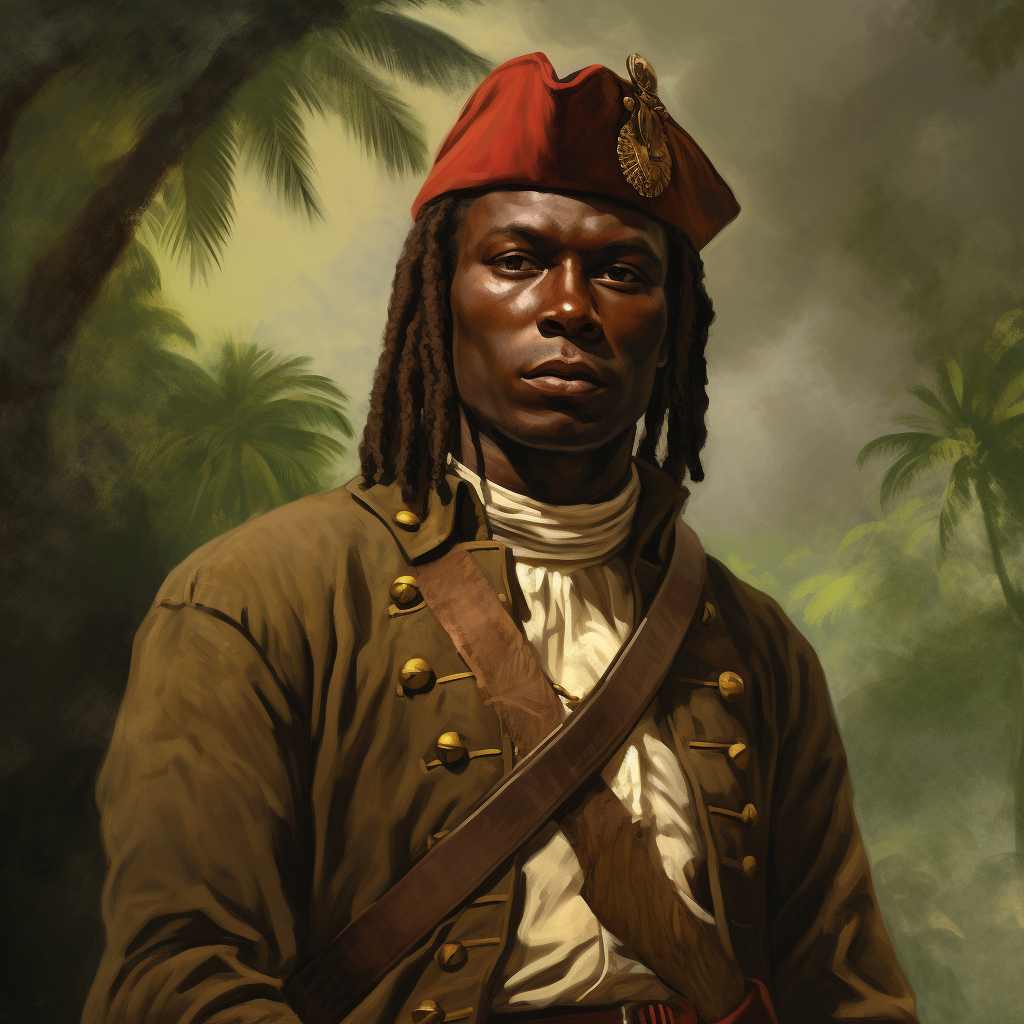
Leader of the Maroons in Jamaica, Cudjoe played a key role in leading the Maroon War against the British³ and eventually negotiated a peace treaty in 1739.
Benkos Biohó (late 16th century – 1621):
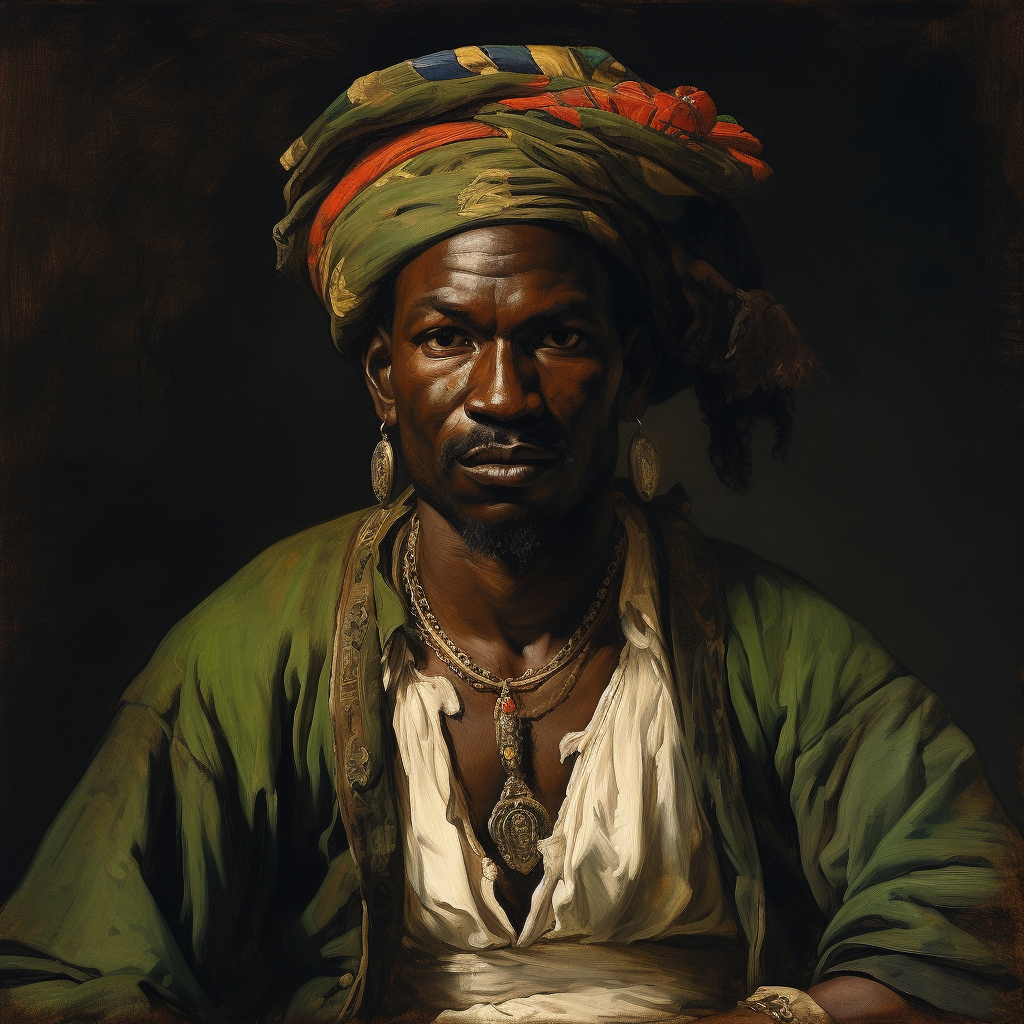
Leader of the Maroons in Colombia, known for founding the village of San Basilio de Palenque⁴, one of the first free communities in the Americas.
Gaspar Yanga (1545–1618):
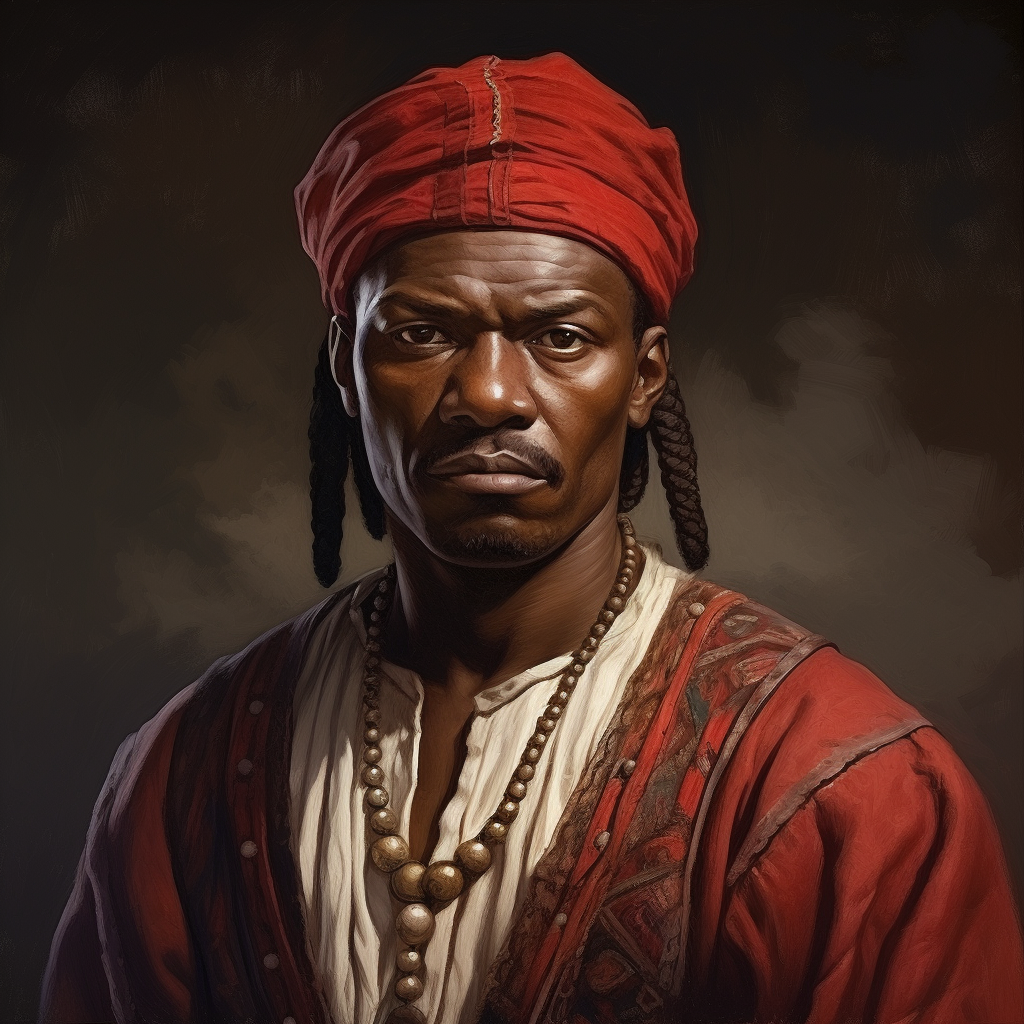
Leader of the Maroons in Mexico, Yanga founded one of the first free slave communities in North America, known as San Lorenzo de los Negros⁵, later renamed Yanga.
Dandara dos Palmares (1654–1694):
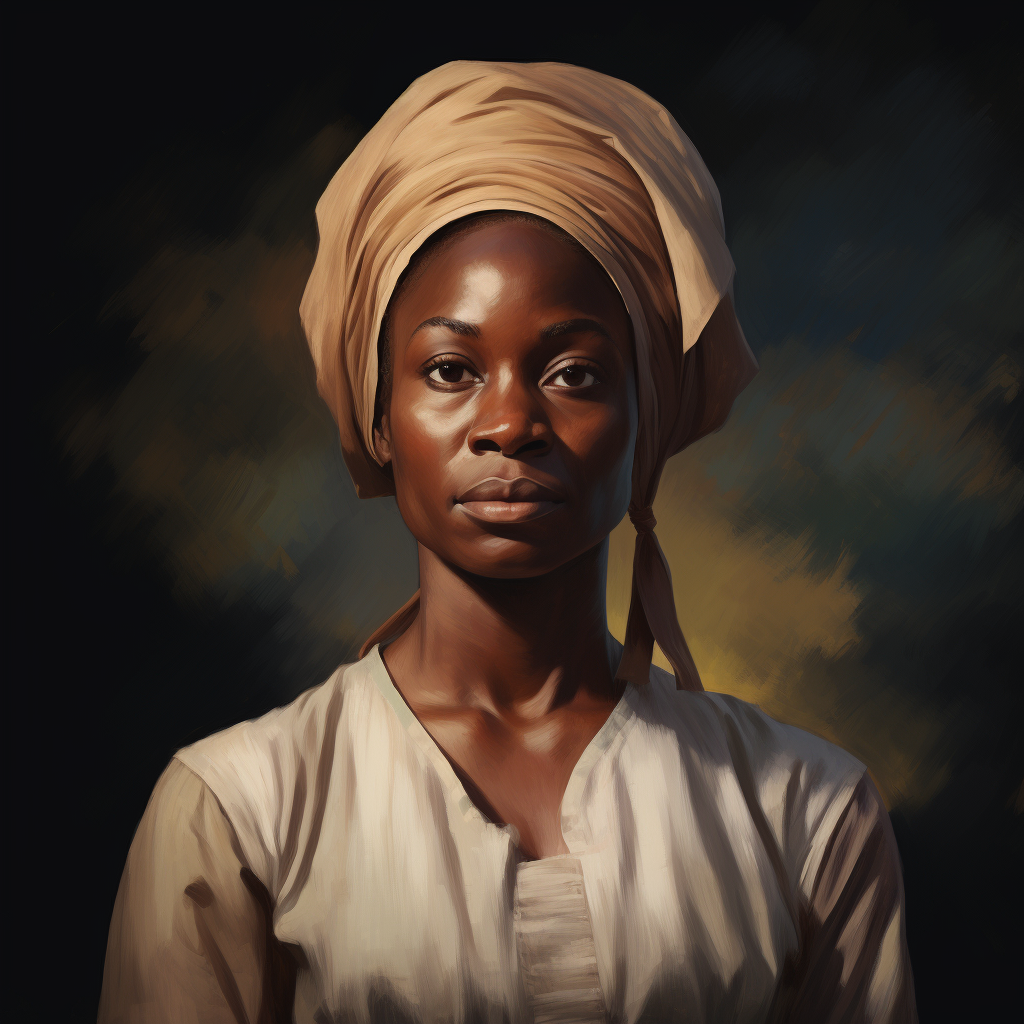
Companion of Zumbi dos Palmares, Dandara was a warrior and a key strategist in the defense of Quilombo dos Palmares in Brazil.
Bayano:

A Maroon leader in Panama, Bayano led a series of revolts against the Spanish in the 16th century.
These individuals represent the bravery and determination of the Maroons throughout history, fighting for freedom and equality against opponents often far more powerful. These major conflicts, often violent, were not only struggles for survival, but also affirmations of dignity and human rights. The resistance of the Maroons remains a crucial chapter in the history of the fight against oppression and for self-determination.
III. Maroon culture and society
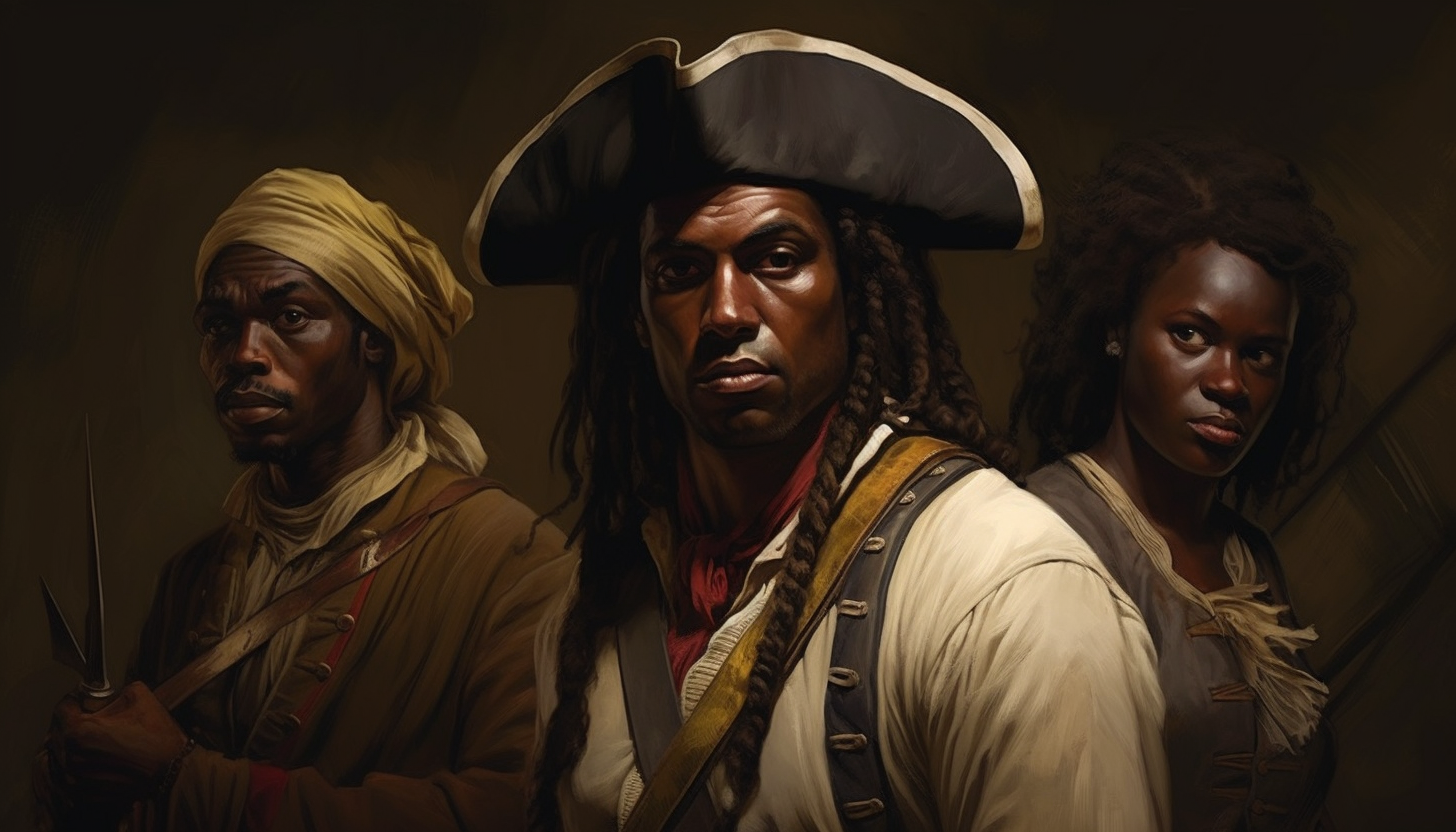
Maroon culture and society are deeply rooted in the preservation of African traditions, adapted to the realities of their new environment. These communities managed to preserve and transmit a rich cultural heritage, ranging from African languages to religious and artistic practices. Their social organization was often based on collective and egalitarian systems, reflecting values of solidarity and cooperation.
Here is a list of some of the most notable Maroon communities that have maintained or still maintain a degree of autonomy:
- Palenque de San Basilio (Colombia): Founded by Benkos Biohó, it is one of the first free communities in the Americas and is recognized for preserving a unique African cultural and linguistic heritage.
- Cimarrones de Darién (Panama): Descendants of escaped African slaves who established communities in the dense and isolated Darién region.
- Accompong (Jamaica): Founded in the 18th century, this community is located in the parish of Saint Elizabeth. It has preserved much of its autonomy and traditions since signing a treaty with the British in 1739.
- Bushinengue (French Guiana and Suriname): A group of peoples descended from African slaves who formed their own autonomous communities in the Maroni River region, on the border between Suriname and French Guiana. They include the Ndyuka (or Aukan), the Saramaka (or Saramacca), the Paramaka, the Aluku (or Boni), the Matawai and the Kwinti.
- Maroons of eastern Jamaica: Includes several communities such as Moore Town (Nanny Town), Charles Town and Scott’s Hall, each with its own history and culture.
- Quilombo dos Palmares (Brazil): Although this historical community no longer exists, it was the largest and most famous Maroon community, having existed for nearly a century until its destruction in 1694.
- Maroons of the Great Dismal Swamp (United States): Although this community no longer exists, it was composed of runaway slaves who had settled in the Great Dismal Swamp between Virginia and North Carolina.
These communities represent the diversity and richness of Maroon cultures across the world, each with its own history of resistance and survival.
Moreover, descendants of Maroons throughout the Americas have preserved several African dialects, often in the form of creole languages or patois that incorporate African, European and Indigenous linguistic elements.
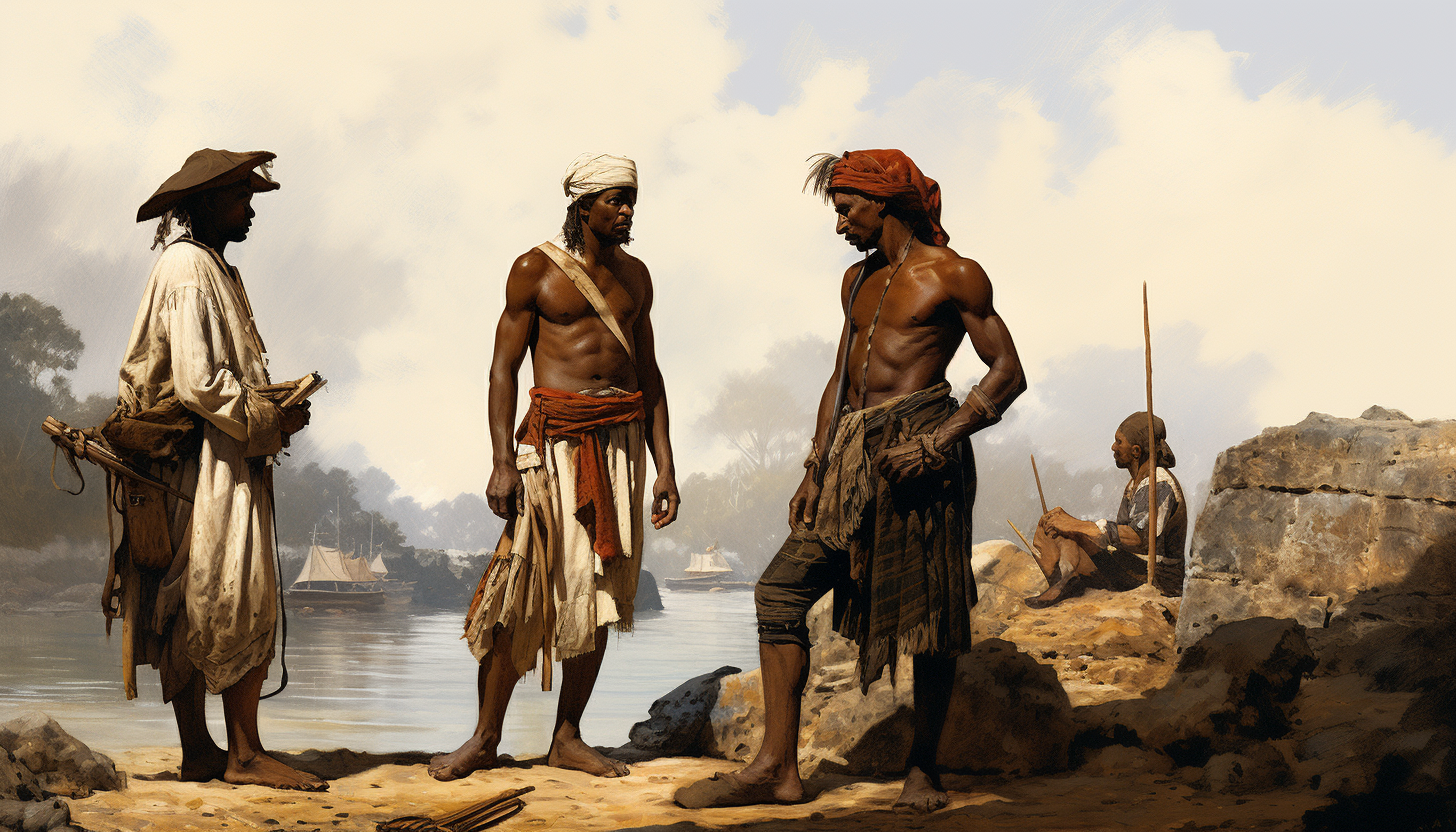
VHere is a list of some of these dialects or languages:
- Saramaccan: Spoken by the Saramaka people in Suriname, this language is a mixture of African languages, mainly of Akan origin (Ghana)⁶, with influences from Dutch and Portuguese.
- Ndyuka (Aukan): A creole language spoken by the Ndyuka people in Suriname, with roots in Akan and Kikongo languages⁷, as well as influences from Dutch and English.
- Sranan Tongo: Although not exclusively spoken by descendants of Maroons, this creole is widely used in Suriname and has roots in African, English and Dutch languages.
- Papiamento: Spoken in Aruba, Curaçao and Bonaire, this creole language has roots in African, Portuguese and Spanish languages and is used by communities with Maroon ancestry.
- Gullah (Geechee): Spoken by descendants of African slaves on the Sea Islands and coastal regions of South Carolina and Georgia in the United States, this language contains elements of West African languages and English.
- Garifuna: A language spoken by the Garifuna people in Central America, mainly in Honduras, Belize, Guatemala and Nicaragua, with roots in Arawak, Carib and West African languages.
- Krio: Spoken in Sierra Leone, this creole language has been influenced by English and African languages and is spoken by descendants of freed slaves, many of whom were Maroons.
- Palenquero: A creole language spoken in the village of San Basilio de Palenque in Colombia, with influences from Bantu and Spanish languages.
- Jamaican Patois (Patwa): Although not exclusively spoken by descendants of Maroons, this Jamaican creole has roots in African and English languages and is used in Maroon communities on the island.
- Haitian Creole (Kreyòl Ayisyen): Spoken in Haiti, this language has roots in French and West African languages and is spoken by a population with a deep history of marronage.
These languages and dialects are living testimonies of the cultural resilience of African peoples in the Americas and represent a crucial aspect of Maroon heritage.
The beliefs of the Maroons, blending elements of traditional African religions and Christian influences, played a central role in community cohesion and in spiritual resistance to oppression. Traditional African religions traveled with enslaved people across the Atlantic and adapted to the new realities of the Americas, giving rise to unique spiritual practices.
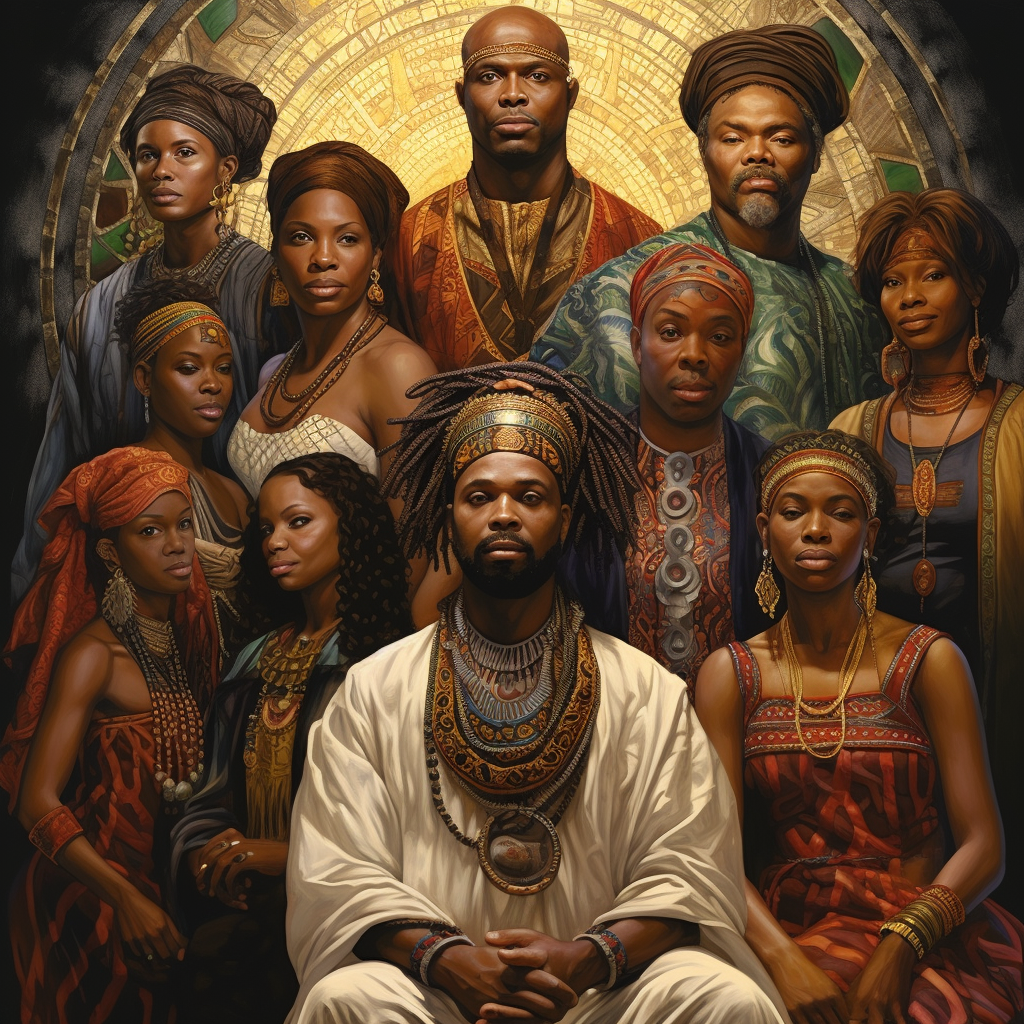
Here is a list of the main traditional African religions present in the Americas:
- Vodou: Originating from West Africa, this religion is particularly practiced in Haiti, but also in Louisiana in the United States. It combines elements of Christianity with African beliefs and practices.
- Candomblé: Practiced mainly in Brazil, Candomblé has its roots in the religious traditions of the Yoruba, Fon and Bantu peoples of Africa.
- Santería (Regla de Ocha): Originating in Cuba, Santería mixes Yoruba beliefs with Catholicism. It is also practiced in other Caribbean countries and in the United States.
- Obeah: Practiced in the Caribbean, notably in Jamaica, Trinidad and Tobago and Barbados, Obeah is a system of spiritual beliefs with African roots, influenced by Christianity and Indigenous traditions.
- Umbanda: A Brazilian syncretic religion combining elements of Catholicism, Spiritism, Candomblé and Indigenous beliefs.
- Quimbanda: Another Afro-Brazilian religion focusing on the worship of Exus and Pomba Giras, spirits with roots in African and Indigenous traditions.
- Palo (Las Reglas de Congo): Originating in Cuba and also practiced in other parts of the Caribbean and the United States, Palo draws its origins from Bantu traditions of Central Africa.
- Lucumí: A branch of Santería practiced mainly by descendants of Yoruba slaves in Cuba, which has preserved many Yoruba linguistic and ritual elements.
- Xangô de Recife (or Xangô do Nordeste): An Afro-Brazilian religious tradition practiced in northeastern Brazil, centered on the worship of orishas, particularly Xangô, the god of thunder and justice.
- Mami Wata: A cult of water deities of African origin, venerated in several regions of the Americas, notably in Afro-American and Afro-Caribbean communities.
These religions represent an important aspect of African heritage in the Americas, demonstrating the resilience and adaptability of African spiritual traditions in the face of diverse environments and cultural influences.
Thus, Maroon culture represents a living testimony of resilience and adaptability, highlighting the importance of memory and identity in the struggle for freedom.
IV. The contemporary legacy of the Maroons
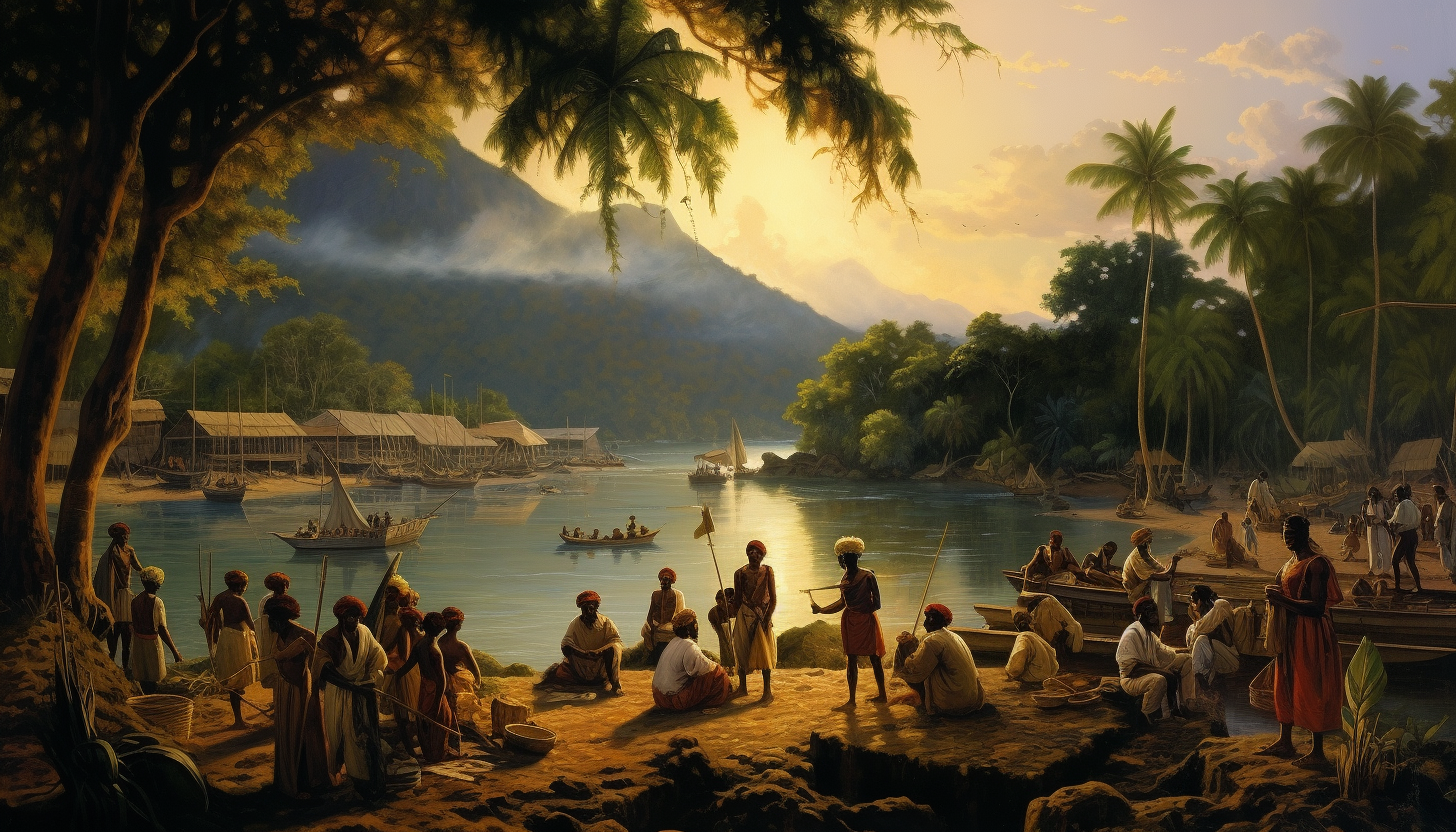
The contemporary legacy of the Maroons resonates powerfully in modern movements for liberation and autonomy. Their spirit of resistance and their quest for independence have inspired numerous struggles for civil rights and social justice around the world. Today, Maroon communities continue to preserve their unique cultural identity while adapting to the challenges of the modern world. Places such as Accompong in Jamaica and Bushinengue communities in Suriname bear witness to this persistence, where traditions and self-determination remain central pillars. The legacy of the Maroons thus remains a powerful symbol of resilience and emancipation, influencing current generations in their struggle for equality and recognition of their rights.
The Maroons: a legacy of self-determination and inspiration
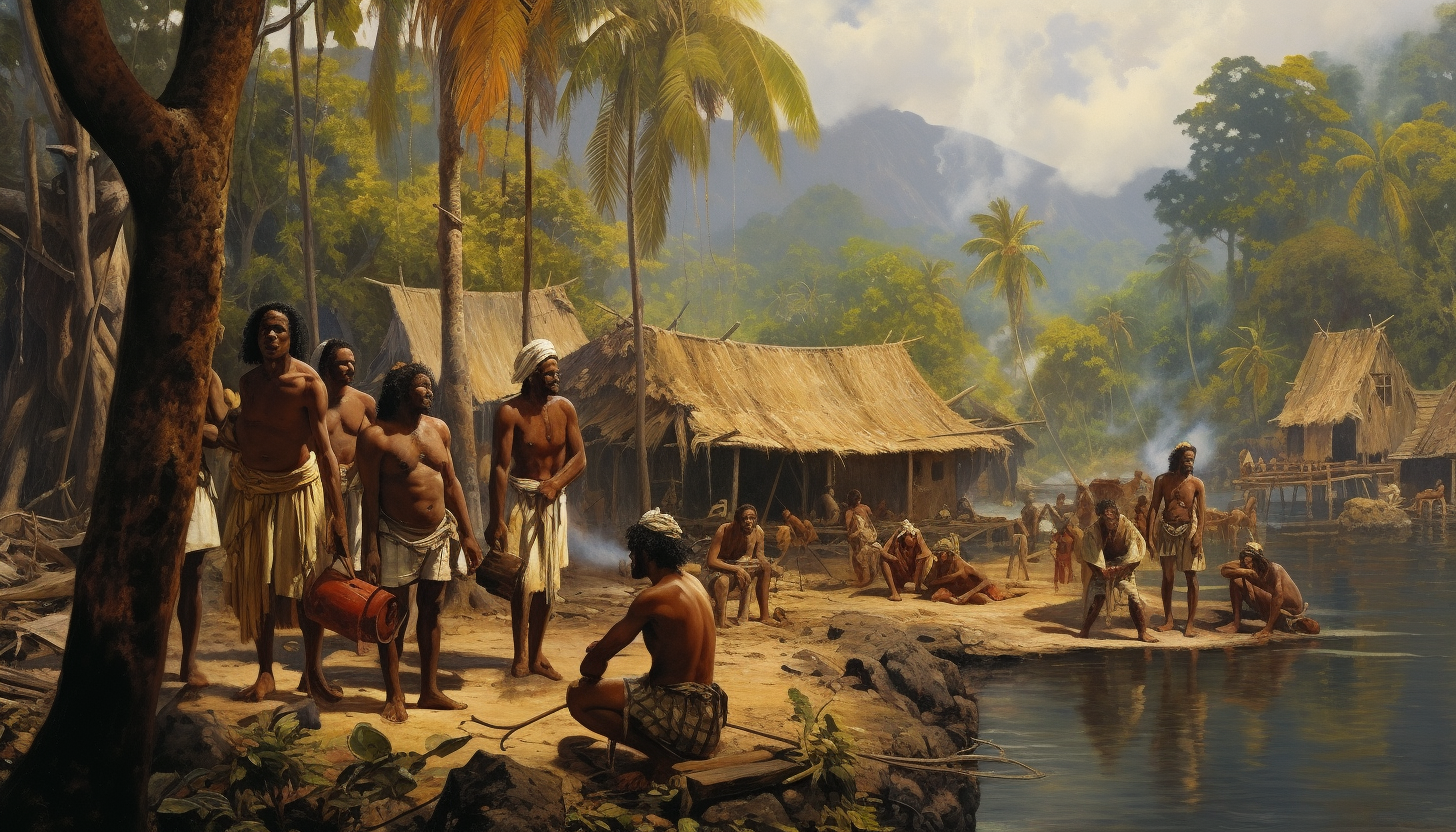
The Maroons, with their history of resistance and self-determination, remain a profound source of inspiration. Their historical and cultural impact transcends eras, symbolizing the unwavering struggle for freedom and justice. Their legacy continues to inspire contemporary movements for rights and dignity, embodying the indomitable spirit of humanity in the face of adversity. For the Maroon is the one who resists and who seeks to transmit his African heritage to his brothers in captivity.


