

Learn how Calinda resisted bans and continues to live on through modern competitions and cultural ceremonies.
Introduction
Calinda (also known as Kalenda) is a traditional dance originating in Africa, brought to the Caribbean and to Haiti by enslaved Africans. Over time, this dance evolved into a martial art and an influential form of folk music within several Caribbean cultures, particularly in Trinidad and Tobago and in Haiti.
Origins and history of Calinda

Calinda traces its roots to African combat dances, notably those of the Kingdom of Kongo. These dances served both as military training and as cultural ritual. With the transatlantic slave trade, these traditions were transported to the French colonies of the Americas, where they were adapted to the new realities faced by enslaved Africans.
Introduced in the 18th century, Calinda spread throughout the French colonies, including Saint-Domingue (present-day Haiti), Guadeloupe, Martinique, and Louisiana. This dance was not only a form of cultural resistance but also a means for enslaved people to prepare for potential uprisings.
Evolution and cultural influence
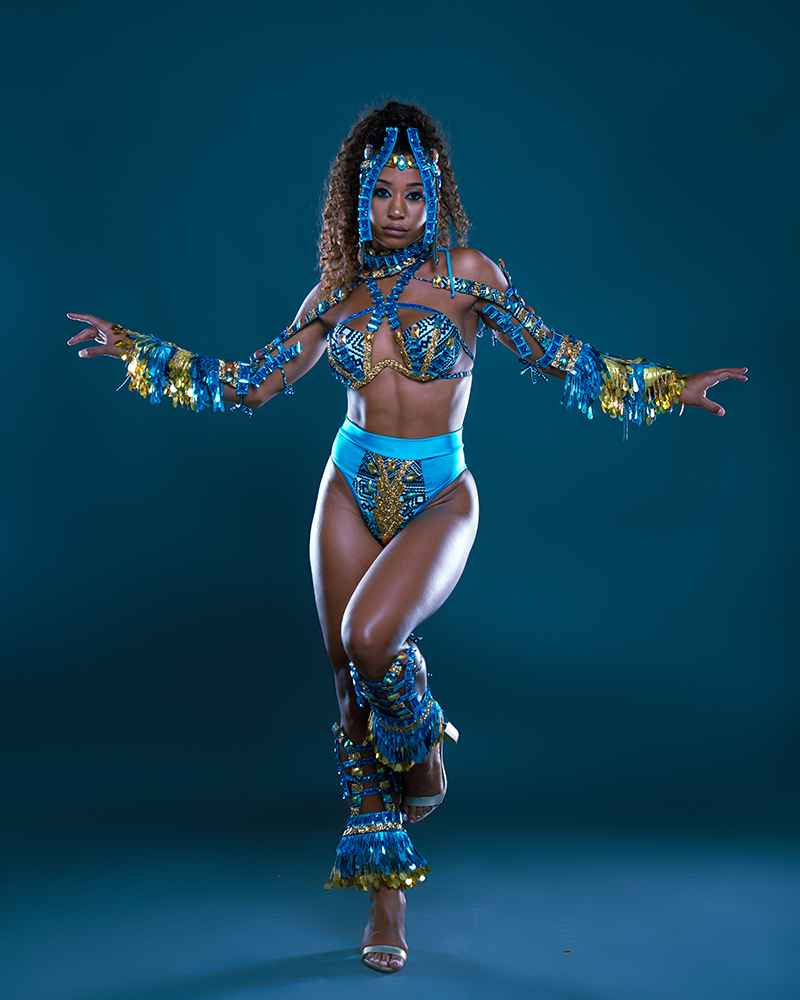
In Trinidad and Tobago, Calinda became integrated into Carnival festivities introduced by French colonists. After the abolition of slavery in 1833, the dance continued to thrive, evolving to include specific chants and rituals and becoming a central element of Carnival celebrations. Stick-fighting competitions emerged as a formalized aspect of Calinda, drawing participants and spectators from across the country.
In Haiti, Calinda was banned in the 19th century due to its perceived indecent nature, yet it persisted as a ritual dance, particularly during Vodou ceremonies. The Haitian form of Calinda often involves stick dancing, in which performers demonstrate agility and mastery.
In Louisiana, Calinda influenced Cajun culture, where white musicians continued to play versions of the dance long after its official prohibition. Calinda is also referenced in Louisiana literature, underscoring its cultural significance.
Modern practices and competitions
Today, Calinda is practiced during festivals and annual competitions in Trinidad and Tobago. Stick-fighting competitions are formally organized, with strict rules and judges to ensure the safety of participants. The fighters, known as boismen, engage in intense bouts that showcase their skill and bravery.
Participants wear traditional costumes and perform rituals before each fight. These rituals include prayers and chants invoking the protection of the ancestors. The costumes—often colorful and adorned with cultural symbols—add a visual and symbolic dimension to the performance.
Comparison with other forms of stick fighting
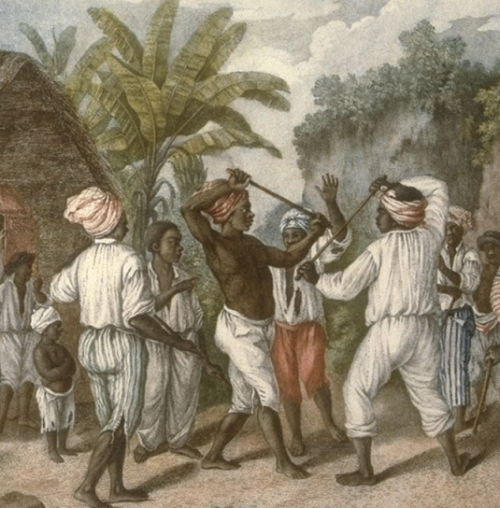
Similar forms of stick fighting exist throughout the Caribbean. In Guadeloupe, the practice is known as Mayolè, damaye, or l’agya. In Haiti, it is called kalenda. In Barbados, it is referred to as stick-licking or stick science. While techniques vary, the essence of the combat dance remains the same: a celebration of resistance and African cultural heritage.
The origins of Calinda are also linked to Afro-Iberian fraternities and to the traditions of the calendas, enriching the dance with important social and communal elements.
Historical and Cultural Figures
Many historical figures contributed to the preservation of the Calinda tradition. Community leaders and artists played a crucial role in keeping this dance alive. Their dedication allowed Calinda to endure through the centuries and remain a vital part of Afro-Caribbean culture.
Accounts of legendary fights and memorable performances further enrich the history of Calinda. Stories of renowned fighters and epic competitions have been passed down from generation to generation, reinforcing pride and cultural identity.
Cultural Influence and Legacy
Calinda has influenced numerous forms of Caribbean music and dance. Calypso, in particular, owes much to Calinda chants. The rhythms and melodies of the lavways were incorporated into calypso, enriching the genre with elements drawn from the Calinda tradition.
Calinda has also left a mark on literature and the arts. Writers and artists have drawn inspiration from its stories and symbols, producing works that celebrate this unique tradition. In Louisiana literature, for example, Calinda is mentioned in well-known works such as “La Belle Zoraïde” by Kate Chopin.
Festivals and events dedicated to Calinda and its influences are regularly held, particularly during Carnival in Trinidad and Tobago. These celebrations feature reenactments of historic fights, musical performances, and traditional dances, allowing communities to reconnect with their cultural heritage.
Conclusion
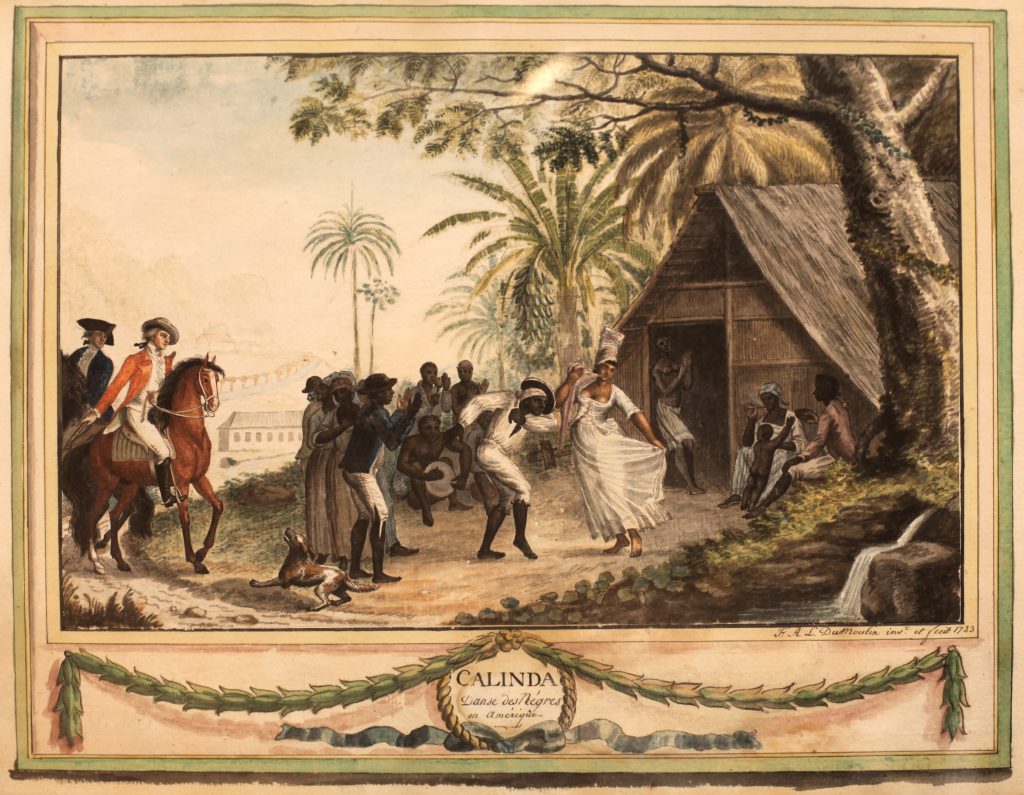
Calinda is far more than a simple combat dance; it is a powerful symbol of resistance and resilience within Afro-Caribbean communities. Its rich and complex history—shaped by adaptation and innovation—demonstrates the ability of cultures to survive and flourish despite oppression. By celebrating this traditional dance, we honor not only the ancestors and traditions that preserved it, but also the values of courage, community, and freedom that it embodies.


